


A meta-analysis of the prevalence of attention deficit hyperactivity disorder in incarcerated populations
- PMID: 25066071
- PMCID: PMC4301200
- DOI: 10.1017/S0033291714000762
A meta-analysis of the prevalence of attention deficit hyperactivity disorder in incarcerated populations
Abstract
Background: Studies report the variable prevalence of attention deficit hyperactivity disorder (ADHD) in incarcerated populations. The aim of this meta-analysis was to determine the prevalence of ADHD in these populations.
Method: Primary research studies reporting the prevalence (lifetime/current) of ADHD in incarcerated populations were identified. The meta-analysis used a mixed log-binomial model, including fixed effects for each covariate and a random study effect, to estimate the significance of various risk factors.
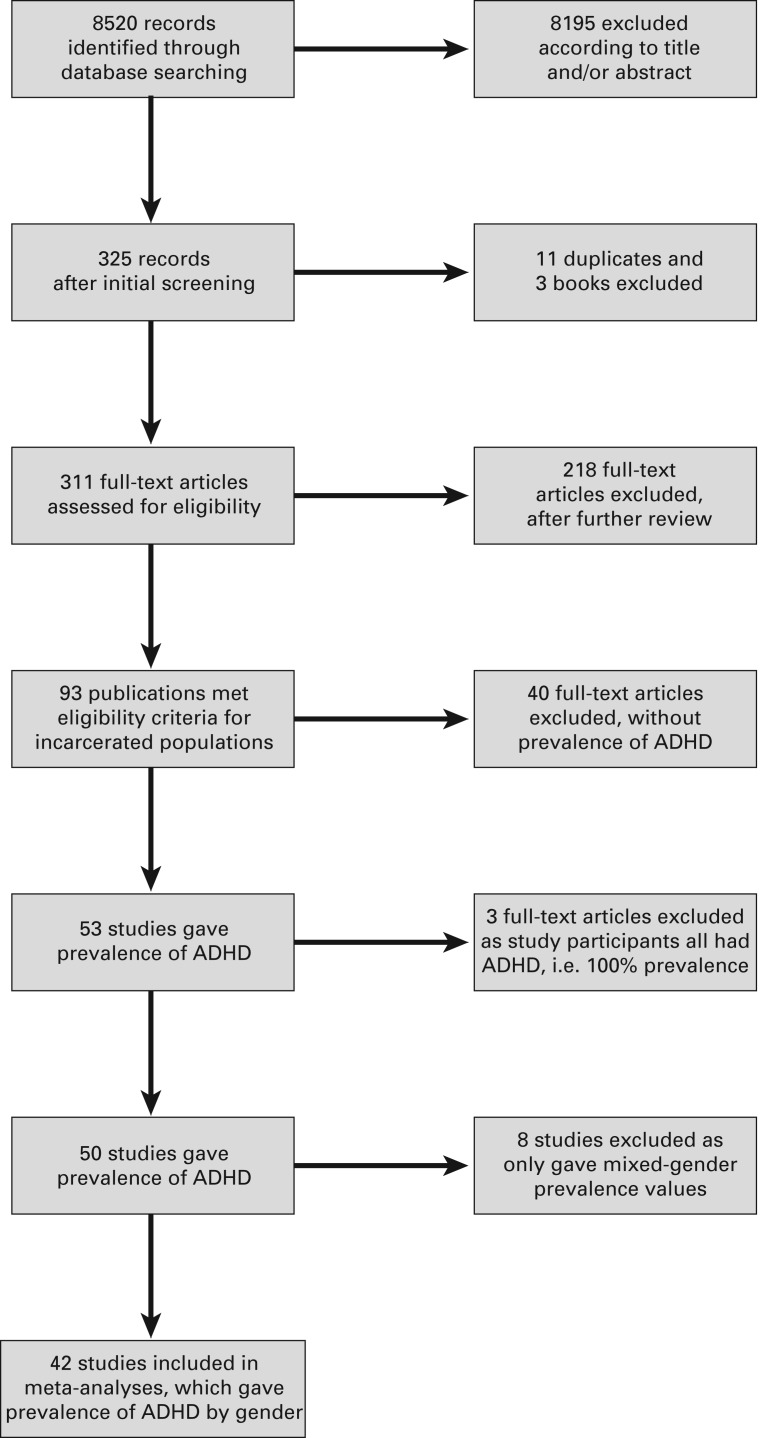
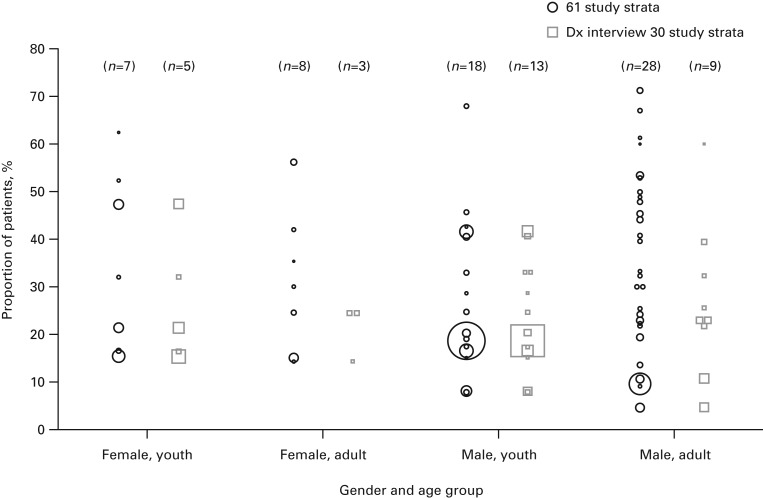
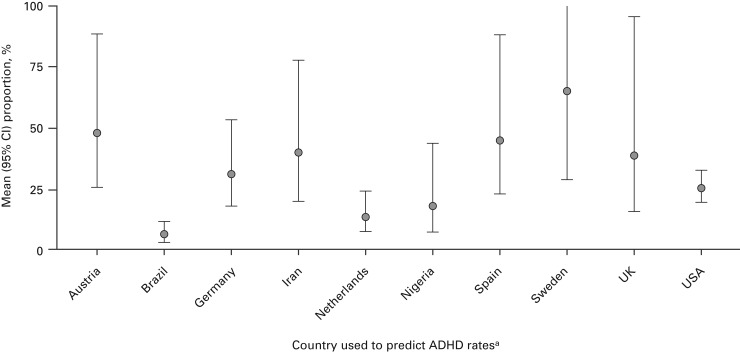
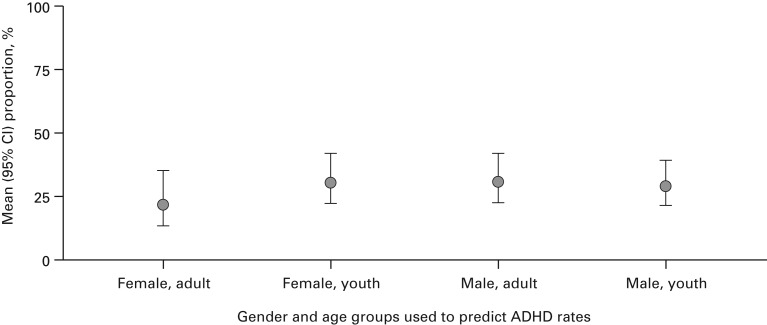
Results: Forty-two studies were included in the analysis. ADHD prevalence was higher with screening diagnoses versus diagnostic interview (and with retrospective youth diagnoses versus current diagnoses). Using diagnostic interview data, the estimated prevalence was 25.5% and there were no significant differences for gender and age. Significant country differences were noted.
Conclusions: Compared with published general population prevalence, there is a fivefold increase in prevalence of ADHD in youth prison populations (30.1%) and a 10-fold increase in adult prison populations (26.2%).
Keywords: ADHD; crime; diagnosis; incarcerated; offender; prevalence; prison.
Figures
References
-
- Anckarsater H, Nilsson T, Stahlberg O, Gustafson M, Saury JM, Rastam M, Gillberg C (2007). Prevalences and configurations of mental disorders among institutionalized adolescents. Developmental Neurorehabilitation 10, 57–65. - PubMed
-
- APA (1994). Diagnostic and Statistical Manual of Mental Disorders, Fourth Edition. DSM-IV. American Psychiatric Association: Washington, DC.
-
- Asherson P (2004). Attention-deficit hyperactivity disorder in the post-genomic era. European Child and Adolescent Psychiatry 13 (Suppl. 1), I50–I70. - PubMed
-
- Asherson P, Akehurst R, Kooij JJ, Huss M, Beusterien K, Sasane R, Gholizadeh S, Hodgkins P (2012). Under diagnosis of adult ADHD: cultural influences and societal burden. Journal of Attention Disorders 16, 20S–38S. - PubMed
-
- Asherson P, Kuntsi J, Taylor E (2005). Unravelling the complexity of attention-deficit hyperactivity disorder: a behavioural genomic approach. British Journal of Psychiatry 187, 103–105. - PubMed
Publication types
MeSH terms
LinkOut - more resources
Full Text Sources
Other Literature Sources
Medical
