


Antibiotics for acute pyelonephritis in children
- PMID: 25066627
- PMCID: PMC10580126
- DOI: 10.1002/14651858.CD003772.pub4
Antibiotics for acute pyelonephritis in children
Abstract
Background: Urinary tract infection (UTI) is one of the most common bacterial infections in infants. The most severe form of UTI is acute pyelonephritis, which results in significant acute morbidity and may cause permanent kidney damage. There remains uncertainty regarding the optimum antibiotic regimen, route of administration and duration of treatment. This is an update of a review that was first published in 2003 and updated in 2005 and 2007.
Objectives: To evaluate the benefits and harms of antibiotics used to treat children with acute pyelonephritis. The aspects of therapy considered were 1) different antibiotics, 2) different dosing regimens of the same antibiotic, 3) different duration of treatment, and 4) different routes of administration.
Search methods: We searched the Cochrane Renal Group's Specialised Register, CENTRAL, MEDLINE, EMBASE, reference lists of articles and conference proceedings without language restriction to 10 April 2014.
Selection criteria: Randomised and quasi-randomised controlled trials comparing different antibiotic agents, routes, frequencies or durations of therapy in children aged 0 to 18 years with proven UTI and acute pyelonephritis were selected.
Data collection and analysis: Four authors independently assessed study quality and extracted data. Statistical analyses were performed using the random-effects model and the results expressed as risk ratio (RR) for dichotomous outcomes or mean difference (MD) for continuous data with 95% confidence intervals (CI).
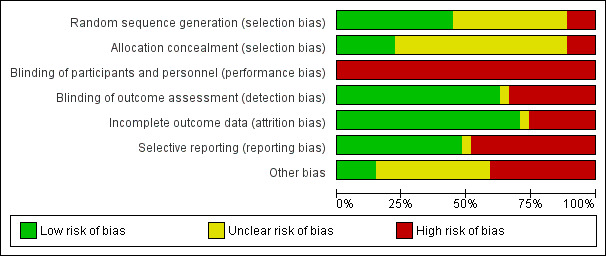
Main results: This updated review included 27 studies (4452 children). This update included evidence from three new studies, and following re-evaluation, a previously excluded study was included because it now met our inclusion criteria.Risk of bias was assessed as low for sequence generation (12 studies), allocation concealment (six studies), blinding of outcome assessors (17 studies), incomplete outcome reporting (19 studies) and selective outcome reporting (13 studies). No study was blinded for participants or investigators. The 27 included studies evaluated 12 different comparisons. No significant differences were found in duration of fever (2 studies, 808 children: MD 2.05 hours, 95% CI -0.84 to 4.94), persistent UTI at 72 hours after commencing therapy (2 studies, 542 children: RR 1.10, 95% CI 0.07 to 17.41) or persistent kidney damage at six to 12 months (4 studies, 943 children: RR 0.82, 95% CI 0.59 to 1.12) between oral antibiotic therapy (10 to 14 days) and intravenous (IV) therapy (3 days) followed by oral therapy (10 days). Similarly, no significant differences in persistent bacteriuria at the end of treatment (4 studies, 305 children: RR 0.78, 95% CI 0.24 to 2.55) or persistent kidney damage (4 studies, 726 children: RR 1.01, 95% CI 0.80 to 1.29) were found between IV therapy (three to four days) followed by oral therapy and IV therapy (seven to 14 days). No significant differences in efficacy were found between daily and thrice daily administration of aminoglycosides (1 study, 179 children, persistent clinical symptoms at three days: RR 1.98, 95% CI 0.37 to 10.53). Adverse events were mild and uncommon and rarely resulted in discontinuation of treatment.
Authors' conclusions: This updated review increases the body of evidence that oral antibiotics alone are as effective as a short course (three to four days) of IV antibiotics followed by oral therapy for a total treatment duration of 10 to 14 days for the treatment of acute pyelonephritis in children. When IV antibiotics are given, a short course (two to four days) of IV therapy followed by oral therapy is as effective as a longer course (seven to 10 days) of IV therapy. If IV therapy with aminoglycosides is chosen, single daily dosing is safe and effective. Insufficient data are available to extrapolate these findings to children aged less than one month of age or to children with dilating vesicoureteric reflux (grades III-V). Further studies are required to determine the optimal total duration of antibiotic therapy required for acute pyelonephritis.
Conflict of interest statement
Yvonne Strohmeier: nothing to declare Elisabeth Hodson: nothing to declare Narelle Willis: nothing to declare Angela Webster: nothing to declare Jonathan Craig: nothing to declare
Figures







Update of
-
Antibiotics for acute pyelonephritis in children.Cochrane Database Syst Rev. 2007 Oct 17;(4):CD003772. doi: 10.1002/14651858.CD003772.pub3. Cochrane Database Syst Rev. 2007. Update in: Cochrane Database Syst Rev. 2014 Jul 28;(7):CD003772. doi: 10.1002/14651858.CD003772.pub4. PMID: 17943796 Updated.
Comment in
-
The evidence for treating acute pyelonephritis with oral antibiotic therapy and short intravenous treatment is growing for low-risk children.Evid Based Med. 2015 Apr;20(2):66. doi: 10.1136/ebmed-2014-110093. Epub 2015 Mar 3. Evid Based Med. 2015. PMID: 25736044 No abstract available.
-
Are Oral Antibiotics as Effective as a Combination of Intravenous and Oral Antibiotics for Kidney Infections in Children?Ann Emerg Med. 2016 Jan;67(1):30-1. doi: 10.1016/j.annemergmed.2015.06.026. Epub 2015 Jul 26. Ann Emerg Med. 2016. PMID: 26211428 No abstract available.
References
References to studies included in this review
Baker 2001 {published data only}
-
- Baker PC, Nelson DS, Schunk JE. The addition of ceftriaxone to oral therapy does not improve outcome in febrile children with urinary tract infections. Archives of Pediatrics & Adolescent Medicine 2001;155(2):135‐9. [MEDLINE: ] - PubMed
Bakkaloglu 1996 {published data only}
-
- Bakkaloglu A, Saatci U, Soylemezoglu O, Ozen S, Topaloglu R, Besbas N, et al. Comparison of ceftriaxone versus cefotaxime for childhood upper urinary tract infections. Journal of Chemotherapy 1996;8(1):59‐62. [MEDLINE: ] - PubMed
Banfi 1993 {published data only}
-
- Banfi AG, Hill‐Juarez JM, Kaufman A, Moens E. Multinational comparative trial of ceftibuten and trimethoprim‐sulfamethoxazole in the treatment of children with complicated or recurrent urinary tract infections. Members of the ceftibuten urinary tract infection international study group. Pediatric Infectious Disease Journal 1993;12(6 Suppl):S84‐S91. [CENTRAL: CN‐00334829]
Benador 2001 {published data only}
-
- Girardin E, Neuhaus T, Papazyan J, Willi UV, Bicik I, Nadal D, et al. Acute pyelonephritis: comparison of 3 vs 10 days IV antibiotic treatment [abstract]. Journal of the American Society of Nephrology 1999;10(Program & Abstracts):592A. [CENTRAL: CN‐00583905]
Bocquet 2012 {published data only}
-
- Bocquet N, Sergent Alaoui A, Jais JP, Gajdos V, Guigonis V, Lacour B, et al. Randomized trial of oral versus sequential IV/oral antibiotic for acute pyelonephritis in children. Pediatrics 2012;129(2):e269‐75. [MEDLINE: ] - PubMed
Bouissou 2008 {published data only}
-
- Bouissou F, Munzer C, Decramer S, Roussel B, Novo R, Morin D, et al. Prospective, randomized trial comparing short and long intravenous antibiotic treatment of acute pyelonephritis in children: dimercaptosuccinic acid scintigraphic evaluation at 9 months. Pediatrics 2008;121(3):e553‐60. [MEDLINE: ] - PubMed
Carapetis 2001 {published and unpublished data}
-
- Carapetis J, Jaquiery A, Buttery J, Starr M. A randomised controlled trial of once‐daily gentamicin in children with urinary tract infections [abstract]. Australian & New Zealand Journal of Medicine 1999;29:608. [CENTRAL: CN‐00583423]
-
- Carapetis J, Jaquiery A, Buttery J, Starr M, Cranswick N, Kohn S, et al. Randomized, controlled trial comparing once daily and three times daily gentamicin in children with urinary tract infections. Pediatric Infectious Disease Journal 2001;20(3):240‐6. [MEDLINE: ] - PubMed
Cheng 2006 {published data only}
-
- Cheng CH, Tsau YK, Chang CJ, Chang YC, Kuo CY, Tsai IJ, et al. Acute lobar nephronia is associated with a high incidence of renal scarring in childhood urinary tract infections. Pediatric Infectious Disease Journal 2010;29(7):624‐8. [MEDLINE: ] - PubMed
-
- Cheng CH, Tsau YK, Lin TY. Effective duration of antimicrobial therapy for the treatment of acute lobar nephronia. Pediatrics 2006;117(1):e84‐9. [MEDLINE: ] - PubMed
Chong 2003 {published data only}
-
- Chao SM, Chong CY, Tan‐Hendrick A, Tan AS, Ng WY. Efficacy and safety of once‐a‐day gentamicin in the treatment of childhood acute pyelonephritis [abstract]. Pediatric Nephrology 2001;16(8):C105. [CENTRAL: CN‐00444755]
-
- Chong CY, Tan AS, Ng W, Tan‐Kendrick A, Balakrishnan A, Chao SM. Treatment of urinary tract infection with gentamicin once or three times daily. Acta Paediatrica 2003;92(3):291‐6. [MEDLINE: ] - PubMed
Fischbach 1989 {published data only}
-
- Fischbach M, Simeoni U, Mengus L, Jehl F, Monteil H, Geisert J, et al. Urinary tract infections with tissue penetration in children: cefotaxime compared with amoxycillin/clavulanate. Journal of Antimicrobial Chemotherapy 1989;24(Suppl B):177‐83. [MEDLINE: ] - PubMed
Francois 1997 {published data only}
-
- Francois P, Bensman A, Begue P, Artaz M‐A, Coudeville L, Lebrun T, et al. Assessment of the efficacy and cost efficiency of two strategies in the treatment of acute pyelonephritis in children: oral cefixime or parenteral ceftriaxone after an initial IV combination therapy [Evaluation de l'efficacité et du coût de deux stratégies thérapeutiques dans les pyélonéphrites de l'enfant: céfixime per os versus ceftriaxone parentérale en relais d'une bithérapie intraveineuse]. Medecine et Maladies Infectieuses 1997;27(Spec Iss June):667‐73. [EMBASE: 1997230388]
Fujii 1987 {published data only}
-
- Fujii R, Shinozaki T, Meguro H, Arimasu O, Izumi K, Osano M, et al. Comparative, controlled study on an ampicillin suppository (KS‐R 1) with an oral form of ampicillin in urinary tract infections. Japanese Journal of Antibiotics 1987;40(3):476‐92. [MEDLINE: ] - PubMed
Grimwood 1988 {published data only}
-
- Grimwood K, Abbott GD, Fergusson DM. Single dose gentamicin treatment of urinary infections in children. New Zealand Medical Journal 1988;101(852):539‐41. [MEDLINE: ] - PubMed
Hoberman 1999 {published and unpublished data}
-
- Hoberman A, Wald ER. Intravenous versus oral antibiotics for urinary tract infections. Pediatrics 2000;106(4):865. [MEDLINE: ] - PubMed
-
- Hoberman A, Wald ER, Hickey RW, Baskin M, Charron M, Majd M, et al. Oral versus initial intravenous therapy for urinary tract infections in young febrile children. Pediatrics 1999;104(1 Pt 1):79‐86. [MEDLINE: ] - PubMed
Kafetzis 2000 {published data only}
-
- Kafetzis DA, Maltezou HC, Mavrikou M, Siafas C, Paraskakis I, Delis D, et al. Isepamicin versus amikacin for the treatment of acute pyelonephritis in children. International Journal of Antimicrobial Agents 2000;14(1):51‐5. [MEDLINE: ] - PubMed
Khan 1981 {published data only}
-
- Kahn AJ, Kumar K, Evans HE. Three‐day antimicrobial therapy of urinary tract infection. Journal of Pediatrics 1981;99(6):992‐4. [MEDLINE: ] - PubMed
Levtchenko 2001 {published data only}
-
- Levtchenko E, Lahy C, Levy J, Ham H, Piepsz A. Treatment of children with acute pyelonephritis: a prospective randomized study. Pediatric Nephrology 2001;16(11):878‐84. [MEDLINE: ] - PubMed
Marild 2009 {published data only}
-
- Marild S, Esbjorner E, Jakobsson B, Linne T, Lubeck P, Sjogren I, et al. Randomised study of ceftibuten vs trimethoprim‐sulfamethoxazole in pyelonephritis in children [abstract no: P466]. Pediatric Nephrology 2004;19(9):C208.
-
- Marild S, Jodal U, Sandberg T. Ceftibuten versus trimethoprim‐sulfamethoxazole for oral treatment of febrile urinary tract infection in children. Pediatric Nephrology 2009;24(3):521‐6. [MEDLINE: ] - PubMed
Montini 2007 {published data only}
-
- Hewitt IK, Tomasi L, Pavanello L, Maschio F, Molinari PP, Toffolo A, et al. Early treatment of acute pyelonephritis in children fails to reduce renal scarring [abstract no: SA‐PO1100]. Journal of the American Society of Nephrology 2006;17(Abstracts):804A. [CENTRAL: CN‐00653791]
-
- Hewitt IK, Zucchetta P, Rigon L, Maschio F, Molinari PP, Tomasi L, et al. Early treatment of acute pyelonephritis in children fails to reduce renal scarring: data from the Italian Renal Infection Study Trials. Pediatrics 2008;122(3):486‐90. [MEDLINE: ] - PubMed
-
- Scola C, Mutiis C, Hewitt IK, Puccio G, Toffolo A, Zucchetta P, et al. Different guidelines for imaging after first UTI in febrile infants: yield, cost, and radiation. Pediatrics 2013;131(3):e665‐71. [MEDLINE: ] - PubMed
-
- Montini G, Murer L, Gobber D, Commacchio S, Toffolo A, Dall'Amico R, et al. Oral vs initial intravenous antibiotic treatment of urinary tract infections in children: a multicentre study [abstract]. Nephrology Dialysis Transplantation 2003;18(Suppl 4):816. [CENTRAL: CN‐00446817]
Neuhaus 2008 {published data only}
-
- Buechner K, Girardin F, Berger C, Willi U, Nadaf D, Neuhaus T for the Swiss Pyelonephritis Study Group. Randomised controlled trial of oral versus sequential intravenous/oral cephalosporins in DMSA scintigraphy‐documented acute pyelonephritis [abstract no: COD. OP 18]. Pediatric Nephrology 2006;21(10):1511. [CENTRAL: CN‐00601934]
-
- Neuhaus TJ, Berger C, Buechner K, Parvex P, Bischoff G, Goetschel P, et al. Randomised trial of oral versus sequential intravenous/oral cephalosporins in children with pyelonephritis. European Journal of Pediatrics 2008;167(9):1037‐47. [MEDLINE: ] - PubMed
-
- Neuhaus TJ, Büchner K, Girardin E, Willi U, Berger C, Nadal D. Oral versus sequential intravenous/oral cephalosporin‐therapy in DMSA‐scintigraphy documented acute pyelonephritis: randomized Swiss pyelonephritis‐study [abstract] [Orale versus sequentiell intravenös/orale Cephalosporin‐Therapie bei DMSA‐Szintigraphie dokumentierter akuter Pyelonephritis: Randomisierte Schweizer Pyelonephritis‐Studie]. Nieren‐ und Hochdruckkrankheiten 2007;36(2):43. [CENTRAL: CN‐00615897]
Noorbakhsh 2004 {published data only}
-
- Noorbakhsh S, Lari AR, Masjedian F, Mostafavi H, Alaghehbandan R. Comparison of intravenous aminoglycoside therapy with switch therapy to cefixime in urinary tract infections. Saudi Medical Journal 2004;25(10):1513‐5. [MEDLINE: ] - PubMed
Pylkkänen 1981 {published data only}
-
- Pylkkänen J, Vilska J, Koskimies O. The length of antimicrobial therapy in upper vs. lower urinary tract infection of childhood. Acta Paediatrica Scandinavica 1981;70(6):885‐8. [MEDLINE: ] - PubMed
-
- Pylkkänen J, Vilska J, Koskimies O. The value of level diagnosis of childhood urinary tract infection in predicting renal injury. Acta Paediatrica Scandinavica 1981;70(6):879‐83. [MEDLINE: ] - PubMed
Repetto 1984 {published data only}
-
- Repetto HA, MacLoughlin GJ. Single‐dose cefotaxime in the treatment of urinary tract infections in children: a randomized clinical trial. Journal of Antimicrobial Chemotherapy 1984;14(Suppl B):307‐10. [MEDLINE: ] - PubMed
Schaad 1998 {published and unpublished data}
-
- Schaad UB, Eskola J, Kafetzis D, Fischbach M, Ashekenazi S, Syriopoulou V, et al. Cefepine vs. ceftazidime treatment of pyelonephritis: a European, randomized, controlled study of 300 pediatric cases. European Society for Paediatric Infectious Diseases (ESPID) Pyelonephritis Study Group. Pediatric Infectious Disease Journal 1998;17(7):639‐44. [MEDLINE: ] - PubMed
Toporovski 1992 {published data only}
-
- Toporovski J, Steffens L, Noack M, Kranz A, Burdeska A, Kissling M. Effectiveness of cefetamet pivoxil in the treatment of pyelonephritis in children. Journal of International Medical Research 1992;20(1):87‐93. [MEDLINE: ] - PubMed
Vigano 1992 {published data only}
-
- Vigano A, Principi N, Brivio L, Tommasi P, Stasi P, Villa AD. Comparison of 5 milligrams of netilmicin per kilogram of body weight once daily versus 2 milligrams per kilogram thrice daily for treatment of gram‐negative pyelonephritis in children. Antimicrobial Agents & Chemotherapy 1992;36(7):1499‐503. [MEDLINE: ] - PMC - PubMed
Vilaichone 2001 {published data only}
-
- Vilaichone A, Watana D, Chaiwatanarat T. Oral ceftibuten switch therapy for acute pyelonephritis in children. Journal of the Medical Association of Thailand 2001;84 Suppl(1):61‐7. [MEDLINE: ] - PubMed
References to studies excluded from this review
Adam 1982 {published data only}
-
- Adam D, Hager C, Dorn G, Bamberg P. A comparison of co‐trimazine once daily and co‐trimoxazole twice daily in treatment of urinary tract infections in children. Journal of Antimicrobial Chemotherapy 1982;10(5):453‐8. [MEDLINE: ] - PubMed
Avner 1983 {published data only}
-
- Avner ED, Ingelfinger JR, Herrin JT, Link DA, Marcus E, Tolkoff‐Rubin NE, et al. Single‐dose amoxicillin therapy of uncomplicated pediatric urinary tract infections. Journal of Pediatrics 1983;102(4):623‐7. [MEDLINE: ] - PubMed
Belet 2004 {published data only}
-
- Belet N, Islek I, Belet U, Sunter AT, Kucukoduk S. Comparison of trimethoprim‐sulfamethoxazole, cephadroxil and cefprozil as prophylaxis for recurrent urinary tract infections in children. Journal of Chemotherapy 2004;16(1):77‐81. [MEDLINE: ] - PubMed
Bose 1974 {published data only}
-
- Bose W, Karama A, Linzenmeier G, Olbing H, Wellman P. Controlled trial of co‐trimoxazole in children with urinary tract infection. Lancet 1974;2(7881):614‐6. [MEDLINE: ] - PubMed
Clemente 1994 {published data only}
-
- Clemente E, Solli R, Mei V, Cera R, Caramia G, Carnelli V, et al. Therapeutic efficacy and safety of pidotimod in the treatment of urinary tract infections in children. Arzneimittel‐Forschung 1994;44(12A):1490‐4. [MEDLINE: ] - PubMed
Cox 1985 {published data only}
-
- Cox CE. Comparative study of ticarcillin plus clavulanate potassium versus piperacillin in the treatment of hospitalized patients with urinary tract infections. The American Journal of Medicine 1985;79(5B):88‐90. [MEDLINE: ] - PubMed
Dagan 1992 {published data only}
-
- Dagan R, Einhorn M, Lang R, Pomeranz A, Wolach B, Miron D, et al. Once daily cefixime compared with twice daily trimethoprim/sulfamethoxazole for the treatment of urinary tract infection in infants and children. Pediatric Infectious Disease Journal 1992;11(3):198‐203. [MEDLINE: ] - PubMed
Ellerstein 1977 {published data only}
-
- Ellerstein NS, Sullivan TD, Baliah T, Neter E. Trimethoprim/sulfamethoxazole and ampicillin in the treatment of acute urinary tract infections in children: a double‐blind study. Pediatrics 1977;60(2):245‐7. [MEDLINE: ] - PubMed
Elo 1975 {published data only}
-
- Elo J, Ahava K. Cephalexin compared with ampicillin in urinary tract infections in children. Journal of Antimicrobial Chemotherapy 1975;1(3 Suppl):85‐92. [MEDLINE: ] - PubMed
Fine 1985 {published data only}
-
- Fine JS, Jacobson MS. Single‐dose versus conventional therapy of urinary tract infections in female adolescents. Pediatrics 1985;75(5):916‐20. [MEDLINE: ] - PubMed
Francois 1995 {published data only}
-
- Francois P, Croizé J, Bost C, Wollschlager K. Comparative study of cefixime versus amoxycillin‐clavulanate for oral treatment of urinary tract infections in children [Étude comparant le céfixime à l'association amoxicilline‐acide clavulanique dans le traitement par voie orale des infections urinaires de l'enfant]. Archives de Pediatrie 1995;2(2):136‐42. [MEDLINE: ] - PubMed
Garin 2006 {published data only}
-
- Garin EH, Olavarria F, Garcia Nieto V, Valenciano B, Campos A, Young L. Clinical significance of primary vesicoureteral reflux and urinary antibiotic prophylaxis after acute pyelonephritis: a multicenter, randomized, controlled study. Pediatrics 2006;117(3):626‐32. [MEDLINE: ] - PubMed
Ginsburg 1982 {published data only}
-
- Ginsburg CM, McCracken GH, Petruska M. Once‐daily cefadroxil versus twice‐daily cefaclor for treatment of acute urinary tract infections in children. Journal of Antimicrobial Chemotherapy 1982;10(Suppl B):53‐6. [MEDLINE: ] - PubMed
Godard 1980 {published data only}
-
- Godard C, Girardet P, Frutiger P, Hynek R, Delarue C, Christen JP. Short treatment of urinary tract infections in children. Paediatrician 1980;9(5‐6):309‐21. [MEDLINE: ] - PubMed
Gok 2001 {published data only}
-
- Gok F, Duzova A, Baskin E, Ozen S, Besbas N, Bakkaloglu A. Comparative study of cefixime alone versus intramuscular ceftizoxime followed by cefixime in the treatment of urinary tract infections in children. Journal of Chemotherapy 2001;13(3):277‐80. [MEDLINE: ] - PubMed
Goldberg 1977 {published data only}
-
- Goldberg IL, Weidman ML, Caplan AH, Williams TW, Stebbing N. Sulfacytine compared with sulfisoxazole in children with acute uncomplicated urinary tract infections. Current Therapeutic Research ‐ Clinical & Experimental 1977;21(4):468. [EMBASE: 0978092013]
Helin 1978 {published data only}
-
- Helin I, Jodal U. Treatment of childhood pyelonephritis with two daily doses of pivampicillin. Lakartidningen 1978;75(18):1825‐6. [EMBASE: 1978316975] - PubMed
Howard 1971 {published data only}
-
- Howard JE, Donoso E, Mimica I, Zilleruelo G. Gentamicin for urinary‐tract infections in infants. Journal of Infectious Diseases 1971;124 Suppl:S234‐5. [MEDLINE: ] - PubMed
Howard 1978 {published data only}
-
- Howard JB, Howard JE Sr. Trimethoprim‐sulfamethoxazole vs sulfamethoxazole for acute urinary tract infections in children. American Journal of Diseases of Children 1978;132(11):1085‐7. [MEDLINE: ] - PubMed
Huang 2011 {published data only}
-
- Huang YY, Chen MJ, Chiu NT, Chou HH, Lin KY, Chiou YY. Adjunctive oral methylprednisolone in pediatric acute pyelonephritis alleviates renal scarring. Pediatrics 2011;128(3):e496‐504. [MEDLINE: ] - PubMed
Iravani 1992 {published data only}
-
- Iravani A, Doyle CA, Durham SJ, Wilber RB. Cefprozil versus cefaclor in the treatment of acute and uncomplicated urinary tract infections. Cefprozil Multicenter Study Group. Clinical Therapeutics 1992;14(2):314‐26. [MEDLINE: ] - PubMed
Ivanov 1999 {published data only}
-
- Ivanov DD, Kyshirenko SV, Stefanov AV, Steczko VA. Phosphotydilcholine liposomes usage in pyelonephritis with sirs [abstract]. 36th Congress ‐ European Renal Association, European Dialysis and Transplantation Association; 1999 Sep 5‐8; Madrid (Spain). 1999:130. [CENTRAL: CN‐00484470]
Kenda 1995 {published data only}
-
- Kenda R, Kaplar VM, Jeler D, Kunstelj T, Truden E, Smole A. The treatment of bacterial infection of the urinary tract in infants and small children using Amoksiklav. Paediatria Croatica 1995;39(3):155‐8. [EMBASE: 1996020626]
Kontiokari 2005 {published data only}
-
- Kontiokari T, Salo J, Eerola E, Uhari M. Cranberry juice and bacterial colonization in children‐‐a placebo‐controlled randomized trial. Clinical Nutrition 2005;24(6):1065‐72. [MEDLINE: ] - PubMed
Kornberg 1994 {published data only}
-
- Kornberg AE, Sherin K, Veiga P, Mydlow PK, Collins JJ, Feld LG. Two‐day therapy with cefuroxime axetil is effective for urinary tract infections in children. American Journal of Nephrology 1994;14(3):169‐72. [MEDLINE: ] - PubMed
Lake 1971 {published data only}
-
- Lake B. Ampicillin in acute infections of general practice: a controlled trial. Medical Journal of Australia 1971;1(12):636‐40. [MEDLINE: ] - PubMed
Lubitz 1984 {published data only}
-
- Lubitz L, Cullen J, Nolan T, Oberklaid F. A prospective study comparing single dose trimethoprim with a 7 day course of co‐trimoxazole in the treatment of urinary tract infection in children [abstract]. Australian Paediatric Journal 1984;20(3):236‐7. [CENTRAL: CN‐00282528]
Madrigal 1988 {published data only}
-
- Madrigal G, Odio CM, Mohs E, Guevara J, McCracken GH. Single dose antibiotic therapy is not as effective as conventional regimens for management of acute urinary tract infections in children. Pediatric Infectious Disease Journal 1988;7(5):316‐9. [MEDLINE: ] - PubMed
Moe 1977 {published data only}
-
- Moe OJ, Meberg A, Eng J. Ampicillin and pivampicillin in the treatment of urinary tract infection in children. Scandinavian Journal of Infectious Diseases 1977;9(1):31‐6. [MEDLINE: ] - PubMed
Olbing 1970 {published data only}
-
- Olbing H, Reischauer HC, Kovacs I. Prospective comparison between nitrofurantoin and sulphamethoxydiazine in the long‐term therapy of children suffering from severe chronic recurrent pyelonephritis. Deutsche Medizinische Wochenschrift 1970;95(49):2469‐73. [MEDLINE: ] - PubMed
Orekhova 2009 {published data only}
-
- Orekhova SB, Botvin'ev OK, Romantsov MG. Type 1 and type 2 interferon inductor (cycloferon) in therapy of children with pyelonephritis associated with herpes viruses. Antibiotiki i Khimioterapiia 2009;54(5‐6):48‐53. [MEDLINE: ] - PubMed
Palcoux 1986 {published data only}
-
- Palcoux JB, Raynaud EJ, Borderon JC, Dalous A, Geisert J, Pennaforte F, et al. Clinical trial of clavulanic acid‐amoxicillin combination in child urinary infections [Essai clinique de l'association acide clavulanique‐amoxicilline dans les infections urinaires de l'enfant]. Annales de Pediatrie 1986;33(8):761‐76. [MEDLINE: ] - PubMed
Petersen 1991 {published data only}
-
- Petersen S, Brendstrup L, Petersen KE, Hansen A, Hvorslev V, Braendholt JV, et al. Short‐term treatment of acute urinary tract infection in girls. Scandinavian Journal of Infectious Diseases 1991;23(2):213‐20. [MEDLINE: ] - PubMed
Piekkala 1985 {published data only}
-
- Piekkala P, Huovinen P, Valimaki I. Comparative study of cefuroxime vs. amoxycillin in the parenteral treatment of children with upper urinary tract infection. Current Therapeutic Research, Clinical & Experimental 1985;37(6):1152‐9. [EMBASE: 1985140197]
Pitt 1982 {published data only}
Ray 1970 {published data only}
-
- Ray CG, Ching YC, Shurtleff DB, Hill ML, Ansell JS, Wedgwood RJ. Chronic urinary tract infections in children: a double‐blind study of medical management. Pediatrics 1970;45(3):456‐61. [MEDLINE: ] - PubMed
Russo 1977 {published data only}
-
- Russo RM, Gururaj VJ, Laude TA, Rajkumar SV, Allen JE. The comparative efficacy of cephalexin and sulfisoxazole in acute urinary tract infection in children. Clinical Pediatrics 1977;16(1):83‐91. [MEDLINE: ] - PubMed
Sember 1985 {published data only}
-
- Sember ME, Mosso F, Meregalli MA. Randomized bicentric study carried out with kelfiprim and cotrimoxazole in children with acute or chronic urinary infections [Estudio randomizado bicentrico realizado con kelfiprim y cotrimoxazol en ninos portadores de infecciones urinarias agudas o cronicas]. Prensa Medica Argentina 1985;72(9):301‐5. [EMBASE: 1986006721]
Shapiro 1981 {published data only}
-
- Shapiro ED, Wald ER. Single‐dose amoxicillin treatment of urinary tract infections. Journal of Pediatrics 1981;99(6):989‐92. [MEDLINE: ] - PubMed
Thomas 1972 {published data only}
-
- Thomas M, Hopkins JM. Co‐trimoxazole and cephalexin. A clinical trial in urinary tract infections in children with spina bifida cystica. Developmental Medicine & Child Neurology 1972;14(3):342‐9. [MEDLINE: ] - PubMed
Vlatković 1972 {published data only}
-
- Vlatković G, Babić I. Treatment of urinary tract infection in the child using Ceporex (cephalexin) [Lijecenje infekcija mokraćnog trakta djece Ceporexom (cefaleksin)]. Lijecnicki Vjesnik 1972;94(10):518‐21. [MEDLINE: ] - PubMed
Wallen 1983 {published data only}
-
- Wallen L, Zeller WP, Goessler M, Connor E, Yogev R. Single‐dose amikacin treatment of first childhood E. coli lower urinary tract infections. The Journal of Pediatrics 1983;103(2):316‐9. [MEDLINE: ] - PubMed
Weber 1982 {published data only}
-
- Weber HP, Aberfeld U, Hildenbrand G, Knopfle G. Treatment of first urinary tract infection in children with cotrifamole and cotrimoxazole. A double‐blind study. Deutsche Medizinische Wochenschrift 1982;107(24):937‐41. [MEDLINE: ] - PubMed
References to ongoing studies
NCT00724256 {published data only}
-
- NCT00724256. Randomised controlled trial on efficacy and safety of short term versus long term antibiotic therapy for pyelonephritis in childhood. ClinicalTrials.gov http://www.clinicaltrials.gov/ct2/results?term=NCT00724256; Vol. (accessed 4 July 2014).
Additional references
AAP 2011
-
- American Academy of Pediatrics. Subcommittee On Urinary Tract Infection, Steering Committee On Quality Improvement and Management. Urinary tract infection: clinical practice guideline for the diagnosis and management of the initial UTI in febrile infants and children 2 to 24 months. Pediatrics 2011;128(3):595‐610. [MEDLINE: ] - PubMed
Ammenti 2012
-
- Ammenti A, Cataldi L, Chimenz R, Fanos V, Manna A, Marra G, et al. Febrile urinary tract infections in young children: recommendations for the diagnosis, treatment and follow‐up. Acta Paediatrica 2012; Vol. 101, issue 5:451‐7. [MEDLINE: ] - PubMed
Bhat 2011
-
- Bhat RG, Katy TA, Place FC. Pediatric urinary tract infections. Emergency Medicine Clinics of North America 2011;29(3):637‐53. [MEDLINE: ] - PubMed
Brkic 2010
-
- Brkic S, Mustafic S, Nuhbegovic S, Ljuca F, Gavran L. Clinical and epidemiology characteristics of urinary tract infections in childhood. Medicinski Arhiv 2010;64(3):135‐8. [MEDLINE: ] - PubMed
Contopoulos‐Ioannidis 2004
-
- Contopoulos‐Ioannidis DG, Giotis ND, Baliatsa DV, Ioannidis JP. Extended‐interval aminoglycoside administration for children: a meta‐analysis. Pediatrics 2004;114(1):e111‐8. [MEDLINE: ] - PubMed
Higgins 2003
Higgins 2011
Hollis 1999
Jenh 2011
-
- Jenh AM, Tamma PD, Milstone AM. Extended‐interval aminoglycoside dosing in pediatrics. Pediatric Infectious Disease Journal 2011;30(4):338‐9. [MEDLINE: ] - PubMed
Juni 1999
-
- Juni P, Witschi A, Bloch R, Egger M. The hazards of scoring the quality of clinical trials for meta‐analysis. JAMA 1999;282(11):1054‐60. [MEDLINE: ] - PubMed
Michael 2002
Michael 2003
Moher 1998
-
- Moher D, Pham B, Jones A, Cook DJ, Jadad AR, Moher M, et al. Does the quality of reports of randomised trials affect estimates of intervention efficacy reported in meta‐analyses?. Lancet 1998;352(9128):609‐13. [MEDLINE: ] - PubMed
NICE 2007
-
- National Institute for Health and Clinical Excellence. Urinary tract infection in children: diagnosis, treatment and long‐term management CG54. 2007. http://www.nice.org.uk/guidance/CG54. London: RCOG Press, (accessed 4 July 2014). - PubMed
Salo 2011
-
- Salo J, Ikäheimo R, Tapiainen T, Uhari M. Childhood urinary tract infections as a cause of chronic kidney disease. Pediatrics 2011;128(5):840‐7. [MEDLINE: ] - PubMed
Schulz 1995
-
- Schulz KF, Chalmers I, Hayes RJ, Altman DG. Empirical evidence of bias. Dimensions of methodological quality associated with estimates of treatment effects in controlled trials. JAMA 1995;273(5):408‐12. [MEDLINE: ] - PubMed
Shaikh 2008
-
- Shaikh N, Morone NE, Bost JE, Farrell MH. Prevalence of urinary tract infection in childhood: a meta‐analysis. Pediatric Infectious Disease Journal 2008;27(4):302‐8. [MEDLINE: ] - PubMed
Shaikh 2010
-
- Shaikh N, Ewing AL, Bhatnagar S, Hoberman A. Risk of renal scarring in children with a first urinary tract infection: a systematic review. Pediatrics 2010;126(6):1084‐91. [MEDLINE: ] - PubMed
Smellie 1985
Toffolo 2012
-
- Toffolo A, Ammenti A, Montini G. Long‐term clinical consequences of urinary tract infections during childhood: a review. Acta Paediatrica 2012;101(10):1018‐31. [MEDLINE: ] - PubMed
Vouloumanou 2008
-
- Vouloumanou EK, Rafailidis PI, Kazantzi MS, Athanasiou S, Falagas ME. Early switch to oral versus intravenous antimicrobial treatment for hospitalized patients with acute pyelonephritis: a systematic review of randomized controlled trials. Current Medical Research & Opinion 2008;24(12):3423‐34. [MEDLINE: ] - PubMed
References to other published versions of this review
Bloomfield 2002
Bloomfield 2003
Bloomfield 2005
Publication types
MeSH terms
Substances
LinkOut - more resources
Full Text Sources
Other Literature Sources
Medical
Miscellaneous
