Comparative Study
. 2014 Aug 5;64(5):436-48.
doi: 10.1016/j.jacc.2014.04.056.

Effect of human donor cell source on differentiation and function of cardiac induced pluripotent stem cells

Affiliations
Comparative Study

Effect of human donor cell source on differentiation and function of cardiac induced pluripotent stem cells

Veronica Sanchez-Freire et al. J Am Coll Cardiol. .

Abstract

Background: Human-induced pluripotent stem cells (iPSCs) are a potentially unlimited source for generation of cardiomyocytes (iPSC-CMs). However, current protocols for iPSC-CM derivation face several challenges, including variability in somatic cell sources and inconsistencies in cardiac differentiation efficiency.

Objectives: This study aimed to assess the effect of epigenetic memory on differentiation and function of iPSC-CMs generated from somatic cell sources of cardiac versus noncardiac origins.

Methods: Cardiac progenitor cells (CPCs) and skin fibroblasts from the same donors were reprogrammed into iPSCs and differentiated into iPSC-CMs via embryoid body and monolayer-based differentiation protocols.

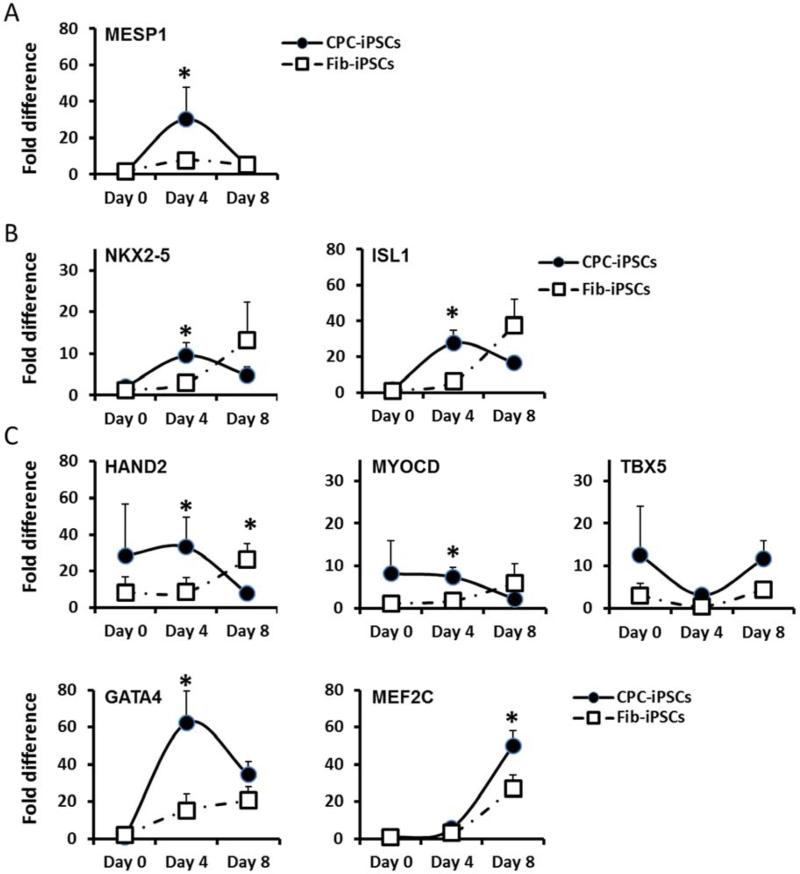
Results: Differentiation efficiency was found to be higher in CPC-derived iPSC-CMs (CPC-iPSC-CMs) than in fibroblast-derived iPSC-CMs (Fib-iPSC-CMs). Gene expression analysis during cardiac differentiation demonstrated up-regulation of cardiac transcription factors in CPC-iPSC-CMs, including NKX2-5, MESP1, ISL1, HAND2, MYOCD, MEF2C, and GATA4. Epigenetic assessment revealed higher methylation in the promoter region of NKX2-5 in Fib-iPSC-CMs compared with CPC-iPSC-CMs. Epigenetic differences were found to dissipate with increased cell passaging, and a battery of in vitro assays revealed no significant differences in their morphological and electrophysiological properties at early passage. Finally, cell delivery into a small animal myocardial infarction model indicated that CPC-iPSC-CMs and Fib-iPSC-CMs possess comparable therapeutic capabilities in improving functional recovery in vivo.

Conclusions: This is the first study to compare differentiation of iPSC-CMs from human CPCs versus human fibroblasts from the same donors. The authors demonstrate that although epigenetic memory improves differentiation efficiency of cardiac versus noncardiac somatic cell sources in vitro, it does not contribute to improved functional outcome in vivo.

Keywords: DNA methylation; cardiac differentiation; epigenetic memory; pluripotent stem cells.


Figures

Figure 1
Figure 1. iPSC generation and characterization
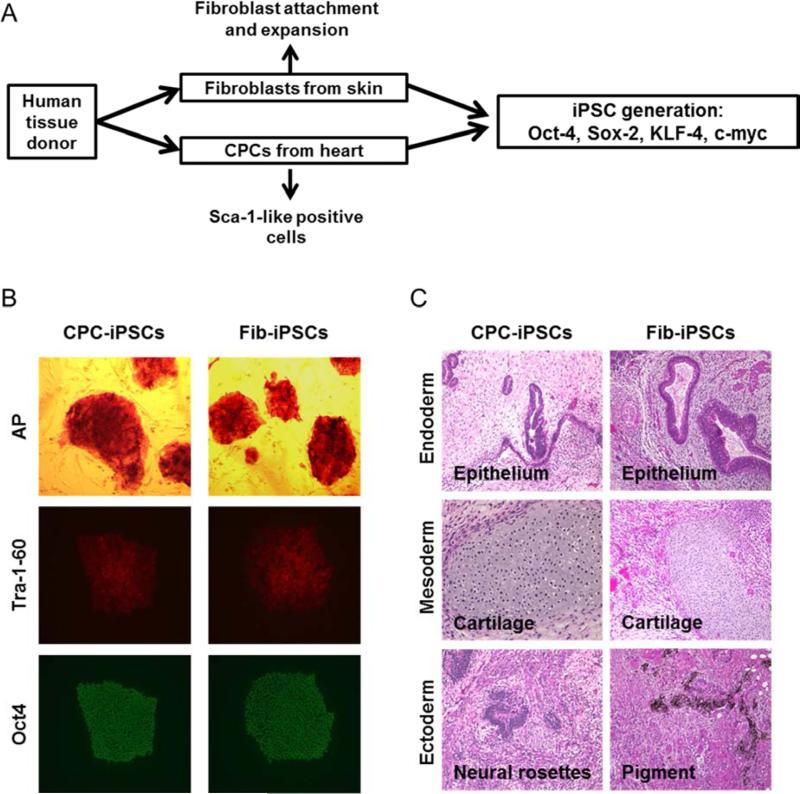
(A) Skin fibroblast and CPC primary cultures were established from the same donors and reprogrammed with the pluripotency transcription factors Oct4, Sox2, Klf4, and c-Myc. (B) Successfully reprogrammed iPSCs express standard markers of pluripotency such as alkaline phosphatase (AP), Tra-1-60 (red), and Oct4 (green). (C) Following transplantation into immunodeficient mice, CPC-iPSCs and Fib-iPSCs give rise to three-germ layer teratomas containing endoderm (epithelium), mesoderm (cartilage), and ectoderm (neural rosettes and pigments).
Figure 2
Figure 2. Characterization of induced pluripotent stem cell-derived cardiomyocytes
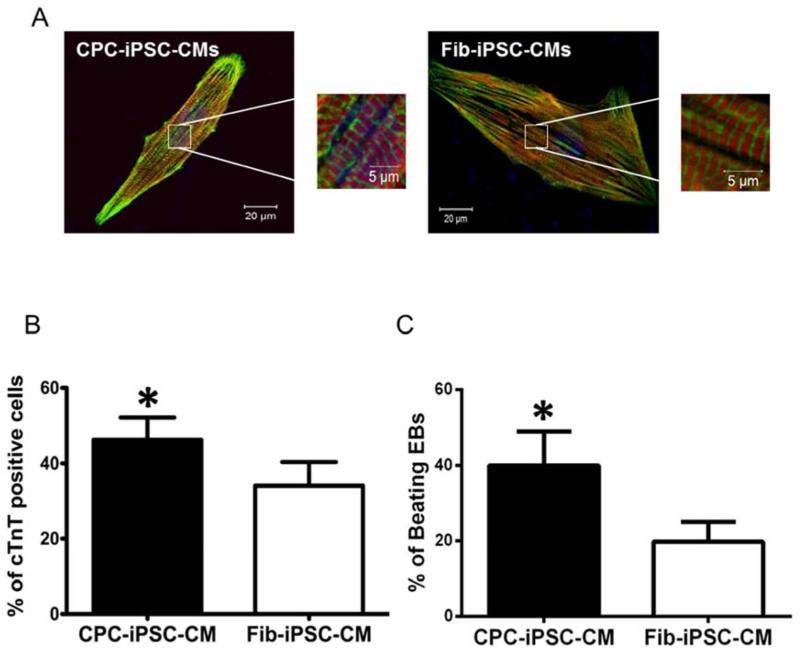
(A) Immunostaining of CPC-iPSC-CMs and Fib-iPSC-CMs for cardiac specific markers. Pictures show cardiac troponin T (red), sarcomeric a-actinin (green), and DAPI (blue). (B) Quantification of the percentage of cells positive for cardiac troponin T (cTnT) as determined by FACS (n=12) at day 15 after cardiac differentiation. The percentage of cTnT positive cells is significantly (*p<0.05) higher in CPC-iPSC-CMs compared to Fib-iPSC-CMs. (C) Quantification of the percentage of beating EBs at day 15 post cardiac differentiation of CPC-iPSCs and Fib-iPSCs (n=10). The percentage of CPC-iPSC beating EBs is significantly higher (*p<0.05) than Fib-iPSC beating EBs.
Figure 3
Figure 3. Gene expression levels during cardiac differentiation
Graphs represent expression levels of (A) early mesodermal transcription factor, (B) early cardiovascular transcription factors, and (C) late-stage cardiogenic transcription factors during the process of cardiac differentiation. Gene expression levels are normalized to expression levels in Fib-iPSCs (day 0) to demonstrate expression change over time (n=2 for day 0 and n=5 for day 4 and day 8). NKX2-5 and ISL1 levels at day 4 of the cardiac differentiation were significantly higher (p<0.05) in CPC-iPSCs than Fib-iPSCs.
Figure 4
Figure 4. Analysis of DNA methylation pattern
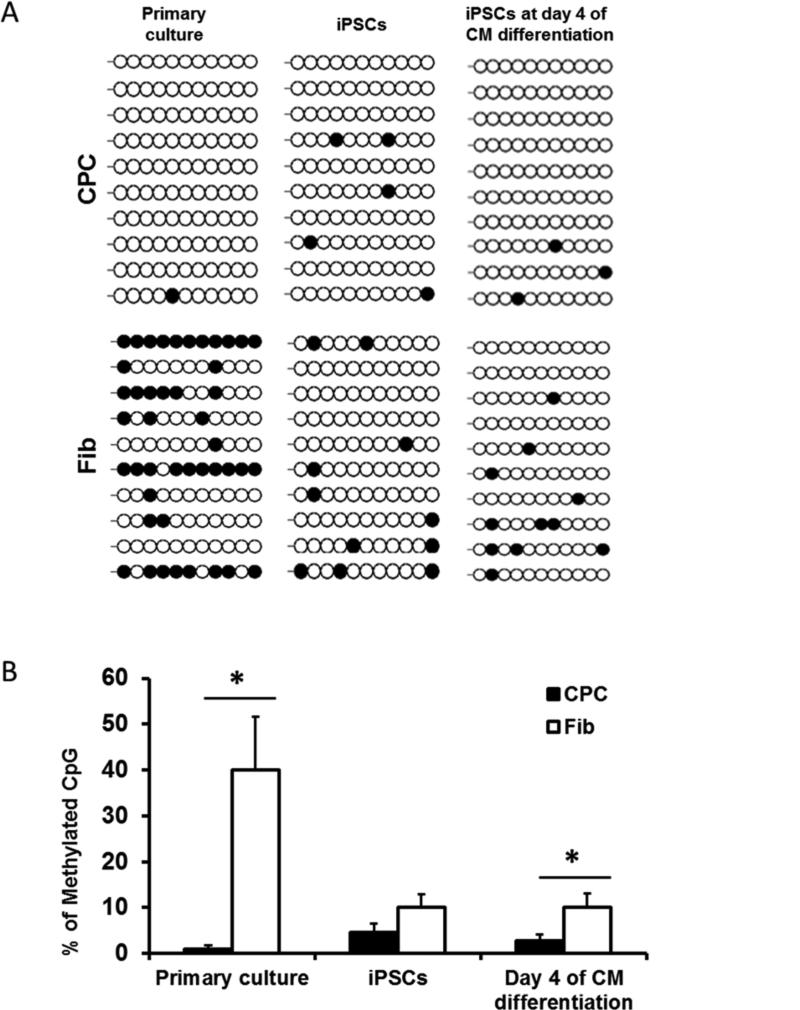
(A) DNA methylation pattern at the proximal promoter of NKX2-5 after bisulphite pyrosequencing. Black circles indicate methylated CpGs, whereas white circles indicate unmethylated CpGs. (B) Graph represents the percentage of methylated CpGs in primary cultures, undifferentiated iPSCs, and at day 4 of CM differentiation from both CPCs and fibroblasts. Percentage of methylated CpGs is significantly higher in primary fibroblast cultures and in Fib-iPSCs at day 4 of cardiac differentiation.
Figure 5
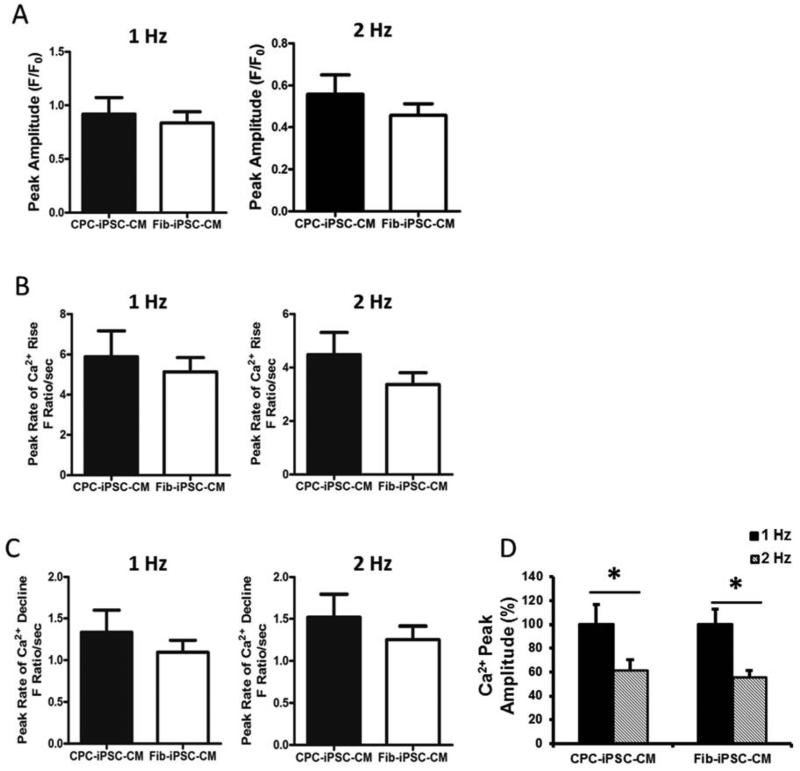
Figure 5. Characterization of intracellular calcium handling
Calcium handling properties of single cardiomyocytes after Fluo-4 AM imaging at day 28±2 days post-differentiation. Cytoplasmic calcium levels are directly proportional to fluorescence intensity. (A) Quantification of peak amplitude of Fluo-4 AM dye calcium transients in CPC-iPSC-CMs and Fib-iPSC-CMs when paced at 1 Hz and 2 Hz. (B) Quantification of the peak rate of Ca2+ increase in CPC-iPSC-CMs and Fib-iPSC-CMs at 1 Hz and 2 Hz pacing. (C) Quantification of peak rate of Ca2+ decline presented as fluorescence ratio per second when iPSC-CMs are paced at 1 Hz and 2 Hz. No statistically significant differences were observed between both cell types in any of the studied parameters (CPC-iPSC-CM: n=20; Fib-iPSC-CM n=24). (D) Graph shows the significant differences between 1 Hz and 2 Hz of the Ca2+ peak amplitude in both cell types (CPC-iPSC: 100±16.5% vs. 60.6±9.9%, n=20; Fib-iPSC: 100±12.6% vs. 54.7±6.5%, n=24, p<0.05)
Figure 6
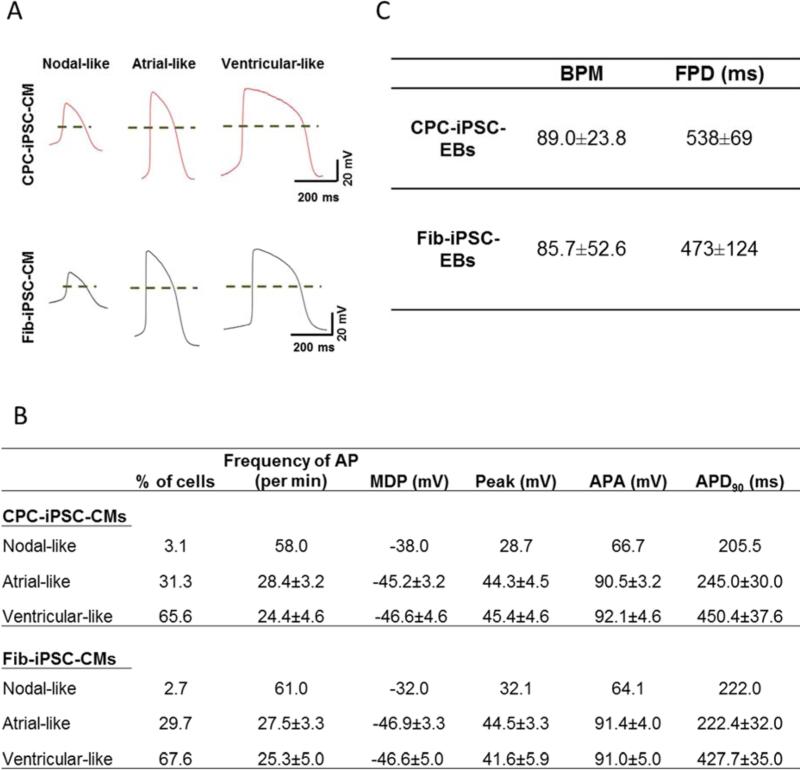
Figure 6. Electrophysiological characterization of CPC-iPSC-CMs and Fib-iPSC-CMs
(A) Representative action potential (AP) recordings of nodal-, atrial-, and ventricular-like CPC-iPSC-CMs and Fib-iPSC-CMs. Dashes indicate 0 mV. (B) Comparison of key AP parameters between CPC-iPSC-CMs and Fib-iPSC-CMs. No significant differences in the analyzed parameters were observed between both groups. Data are presented as average ± SEM (CPC-iPSC-CMs, n=32; Fib-iPSC-CMs, n=37). (C) Baseline MEA electrophysiological parameters for beating embryoid bodies (EBs). Table depicts the comparison between CPC- and Fib-iPSC-EBs of beats per minute and field potential duration. Parameters are shown as average ± SD (n=10).
Figure 7
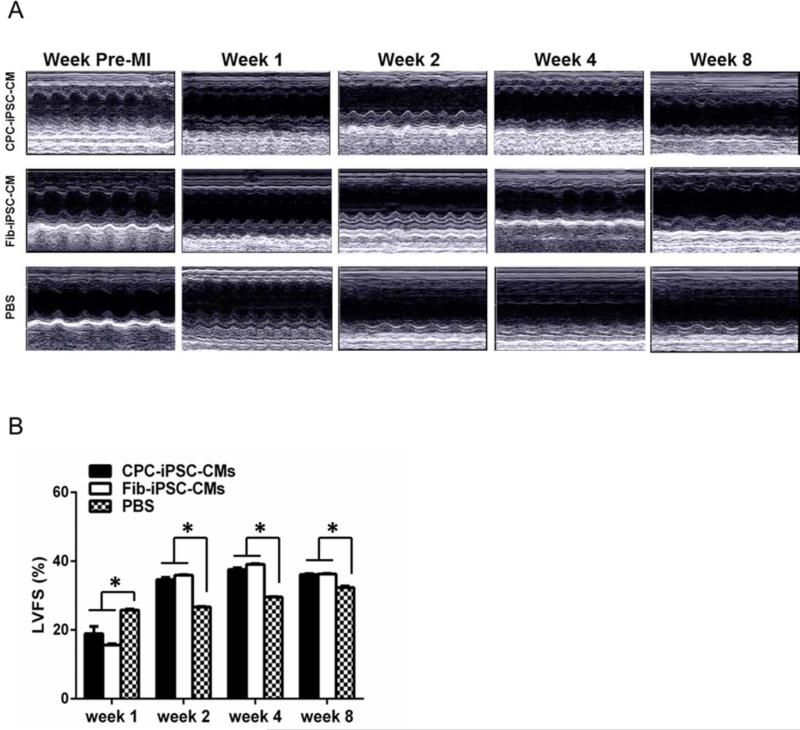
Figure 7. Echocardiographic evaluation of cardiac contractility
(A) Representative images of infarcted hearts pre-MI and at weeks 1, 2, 4, and 8 post-infarction. (B) Graph shows average percentage of left ventricular fractional shortening (LVFS) respectively (n= 8) for the three groups at weeks 1, 2, 4, and 8 post-MI.
None
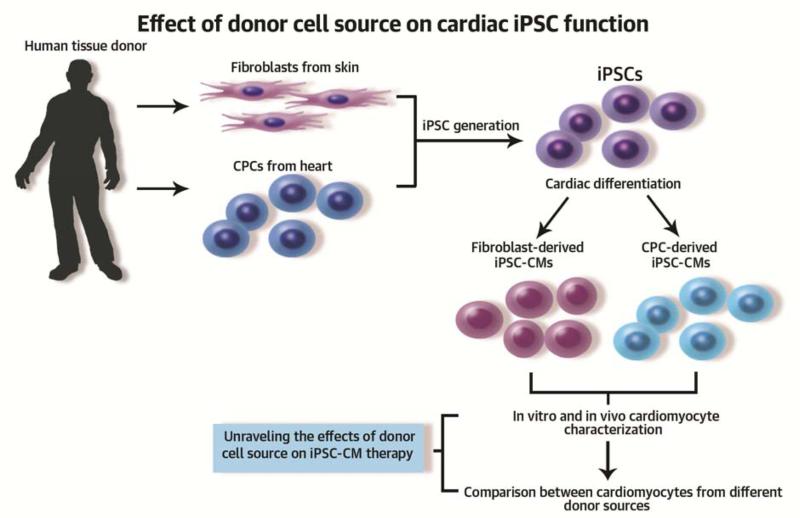
Central Illustration: Skin fibroblast and cardiac progenitor cell (CPC) primary cultures were established from the same human donors
Somatic cells were reprogrammed into induced pluripotent stem cells (iPSCs) by overexpression of the pluripotency transcription factors Oct4, Sox2, Klf4, and c-Myc. Established iPSCs derived from fibroblasts (Fib-iPSC) and CPCs (CPC-iPSC) were differentiated into cardiomyocytes. Differentiation efficiency was found to be higher in cardiomyocytes derived from CPC-iPSC (CPC-iPSC-CM) compared to Fib-iPSC (Fib-iPSC-CM). In vitro experiments demonstrated that CPC-iPSCs express higher levels of cardiac transcription factors during cardiac differentiation compared to Fib-iPSCs. Epigenetic assessment showed higher methylation in the promoter region of the cardiac transcription factor NKX2-5 in Fib-iPSC-CMs compared to CPC-iPSC-CMs. However, no significant differences in their morphological and electrophysiological properties were observed. Interestingly, in vivostudies using mouse models of myocardial infarction showed comparable therapeutic effects between CPC-iPSC-CM and Fib-iPSC-CM. In summary, while epigenetic memory improves cardiac differentiation efficiency in vitro, the in vivo functional recovery following cell transplantation is equivalent

Comment in

  • Epigenetic memory and cardiac cell therapy.
    Alvarez RM, Margulies KB. Alvarez RM, et al. J Am Coll Cardiol. 2014 Aug 5;64(5):449-50. doi: 10.1016/j.jacc.2014.05.021. J Am Coll Cardiol. 2014. PMID: 25082576 No abstract available.

References

    1. Go AS, Mozaffarian D, Roger VL, et al. Heart disease and stroke statistics--2013 update: a report from the American Heart Association. Circulation. 2013;127:e6–e245. - PMC - PubMed
    1. Mohsin S, Siddiqi S, Collins B, et al. Empowering adult stem cells for myocardial regeneration. Circ Res. 2011;109:1415–28. - PMC - PubMed
    1. Takahashi K, Tanabe K, Ohnuki M, et al. Induction of pluripotent stem cells from adult human fibroblasts by defined factors. Cell. 2007;131:861–72. - PubMed
    1. Sun N, Panetta NJ, Gupta DM, et al. Feeder-free derivation of induced pluripotent stem cells from adult human adipose stem cells. Proc Natl Acad Sci. 2009;106:15720–5. - PMC - PubMed
    1. Narsinh KH, Sun N, Sanchez-Freire V, et al. Single cell transcriptional profiling reveals heterogeneity of human induced pluripotent stem cells. J Clin Invest. 2011;121:1217–21. - PMC - PubMed

Publication types

MeSH terms