


Estimating the prevalence and awareness rates of hypertension in Africa: a systematic analysis
- PMID: 25090232
- PMCID: PMC4121276
- DOI: 10.1371/journal.pone.0104300
Estimating the prevalence and awareness rates of hypertension in Africa: a systematic analysis
Abstract
Background: The burden of hypertension is high in Africa, and due to rapid population growth and ageing, the exact burden on the continent is still far from being known. We aimed to estimate the prevalence and awareness rates of hypertension in Africa based on the cut off "≥140/90 mm Hg".
Methods: We conducted a systematic search of Medline, EMBASE and Global Health. Search date was set from January 1980 to December 2013. We included population-based studies on hypertension, conducted among people aged ≥15 years and providing numerical estimates on the prevalence of hypertension in Africa. Overall pooled prevalence of hypertension in mixed, rural and urban settings in Africa were estimated from reported crude prevalence rates. A meta-regression epidemiological modelling, using United Nations population demographics for the years 1990, 2000, 2010 and 2030, was applied to determine the prevalence rates and number of cases of hypertension in Africa separately for these four years.
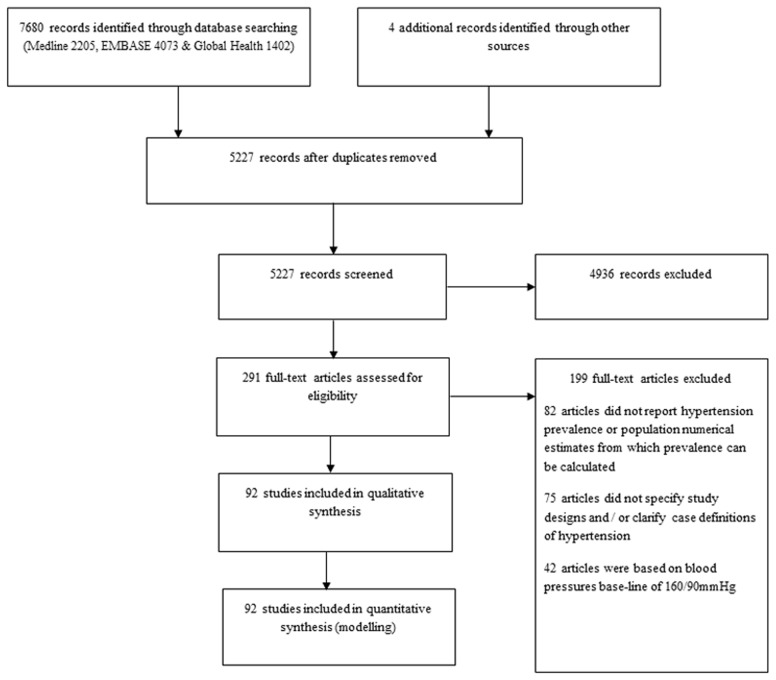
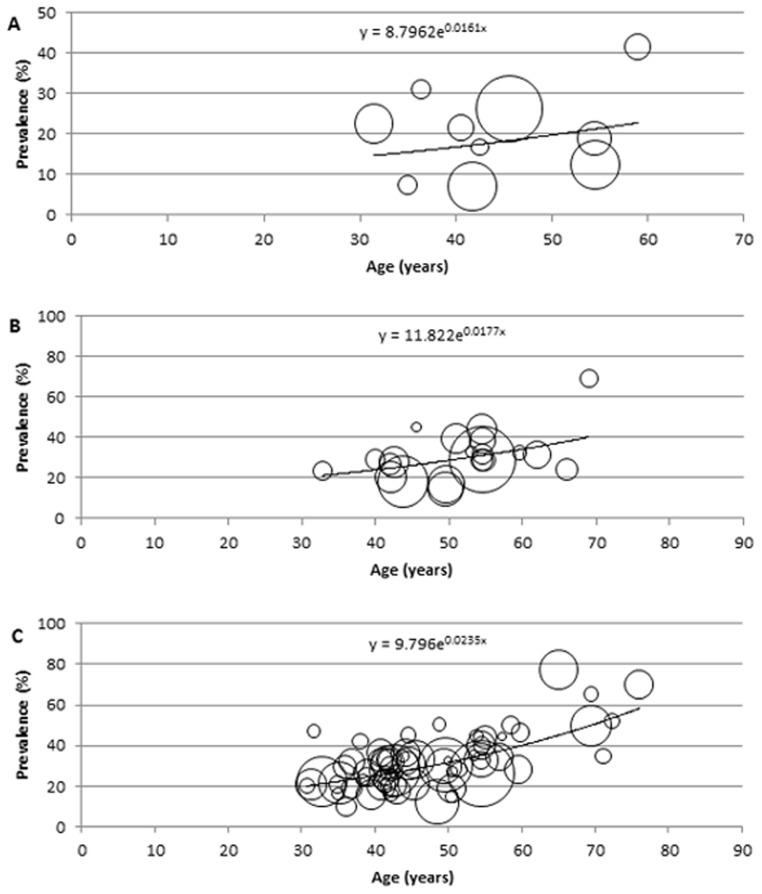
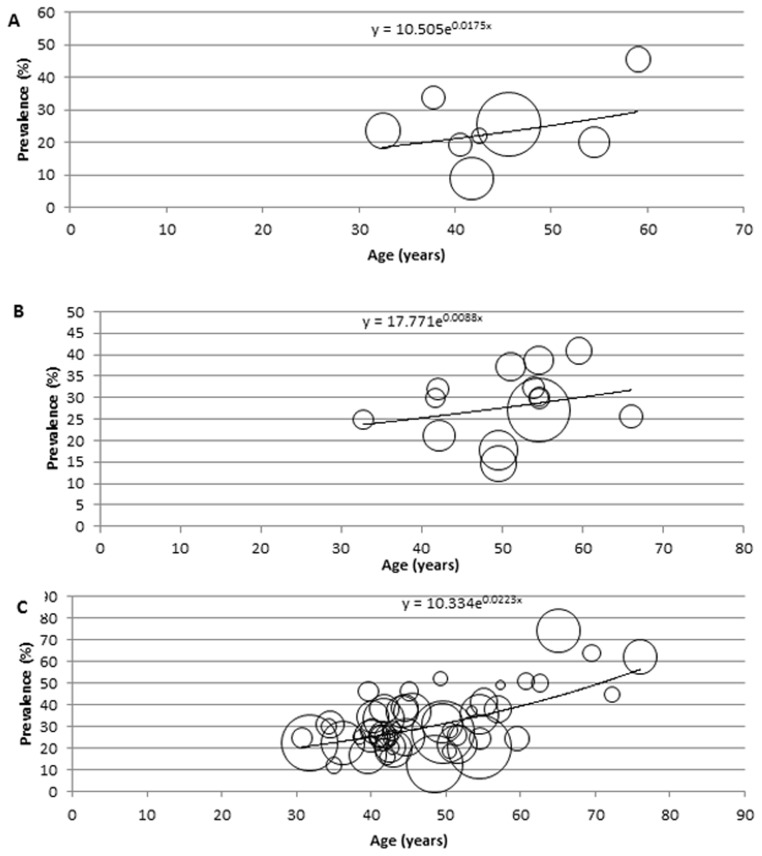
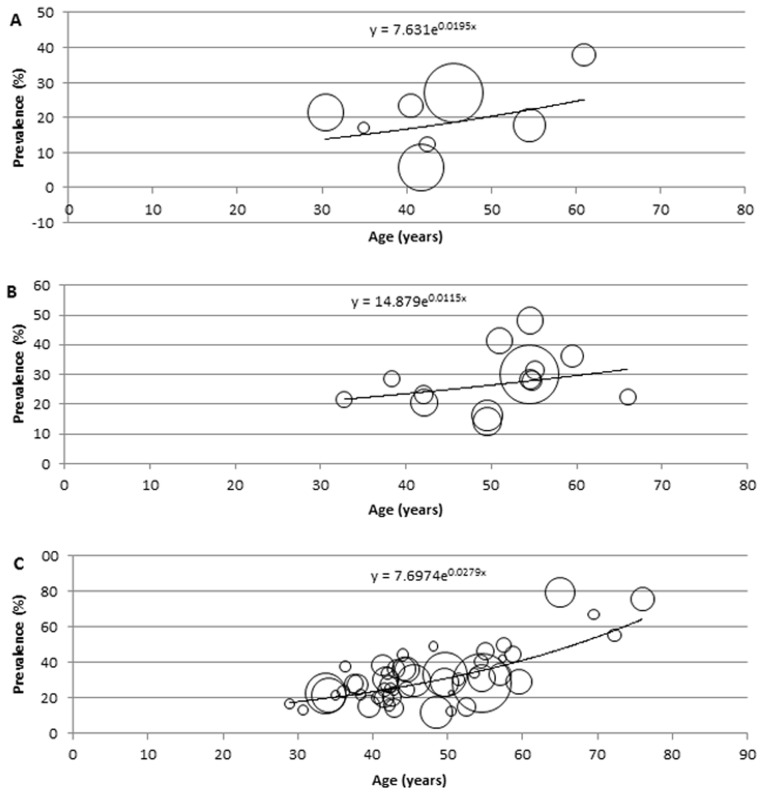
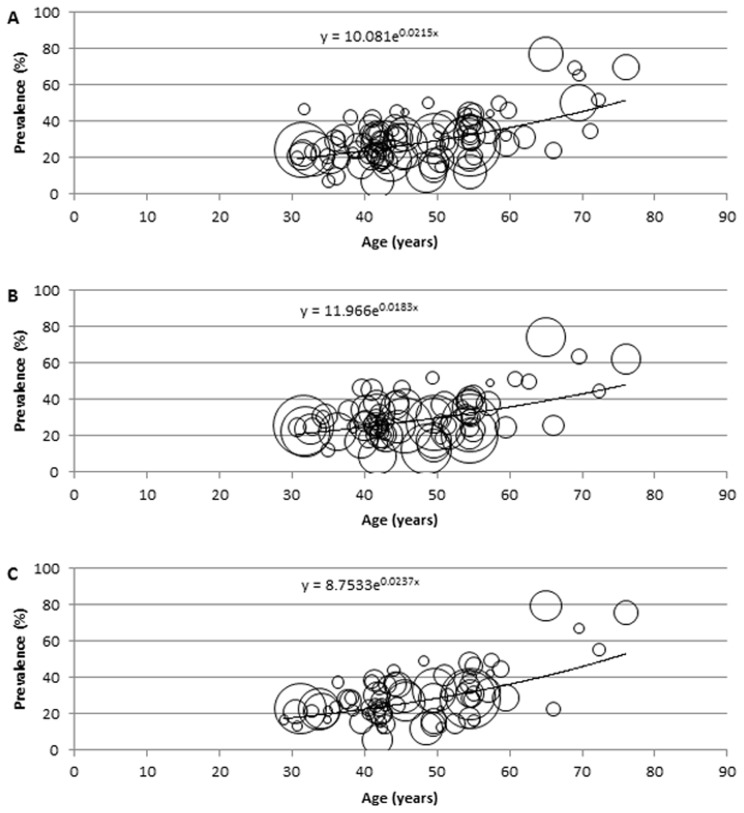
Results: Our search returned 7680 publications, 92 of which met the selection criteria. The overall pooled prevalence of hypertension in Africa was 19.7% in 1990, 27.4% in 2000 and 30.8% in 2010, each with a pooled awareness rate (expressed as percentage of hypertensive cases) of 16.9%, 29.2% and 33.7%, respectively. From the modelling, over 54.6 million cases of hypertension were estimated in 1990, 92.3 million cases in 2000, 130.2 million cases in 2010, and a projected increase to 216.8 million cases of hypertension by 2030; each with an age-adjusted prevalence of 19.1% (13.9, 25.5), 24.3% (23.3, 31.6), 25.9% (23.5, 34.0), and 25.3% (24.3, 39.7), respectively.
Conclusion: Our findings suggest the prevalence of hypertension is increasing in Africa, and many hypertensive individuals are not aware of their condition. We hope this research will prompt appropriate policy response towards improving the awareness, control and overall management of hypertension in Africa.
Conflict of interest statement
Figures
References
-
- Lawes CMM, Vander Hoorn S, Law MR, Elliott P, MacMahon S, et al. (2006) Blood pressure and the global burden of disease 2000. Part 1: Estimates of blood pressure levels. Journal of Hypertension 24 3: 413–422. - PubMed
-
- World Health Organization (2013) A global brief on Hypertension: silent killer, global public health crises (World Health Day 2013). Geneva: WHO.
-
- Opie LH, Seedat YK (2005) Hypertension in sub-Saharan African populations. Circulation 112: 3562–3568. - PubMed
-
- WHO Regional Office for Africa (2006) The health of the people: the African regional health report (2006). Geneva: WHO.
-
- Beaglehole R, Bonita R, Alleyne G, Horton R, Li L, et al. (2011) UN High-Level Meeting on Non-Communicable Diseases: addressing four questions. Lancet 378: 449–455. - PubMed
Publication types
MeSH terms
LinkOut - more resources
Full Text Sources
Other Literature Sources
Medical
Miscellaneous
