Review
. 2014 Jul 22:9:3465-79.
doi: 10.2147/IJN.S60488. eCollection 2014.

Nanopharmacology in translational hematology and oncology

Affiliations
Review

Nanopharmacology in translational hematology and oncology

Ciprian Tomuleasa et al. Int J Nanomedicine. .

Abstract

Nanoparticles have displayed considerable promise for safely delivering therapeutic agents with miscellaneous therapeutic properties. Current progress in nanotechnology has put forward, in the last few years, several therapeutic strategies that could be integrated into clinical use by using constructs for molecular diagnosis, disease detection, cytostatic drug delivery, and nanoscale immunotherapy. In the hope of bringing the concept of nanopharmacology toward a viable and feasible clinical reality in a cancer center, the present report attempts to present the grounds for the use of cell-free nanoscale structures for molecular therapy in experimental hematology and oncology.

Keywords: hematological malignancies; nanoparticles; translational medicine.


Figures
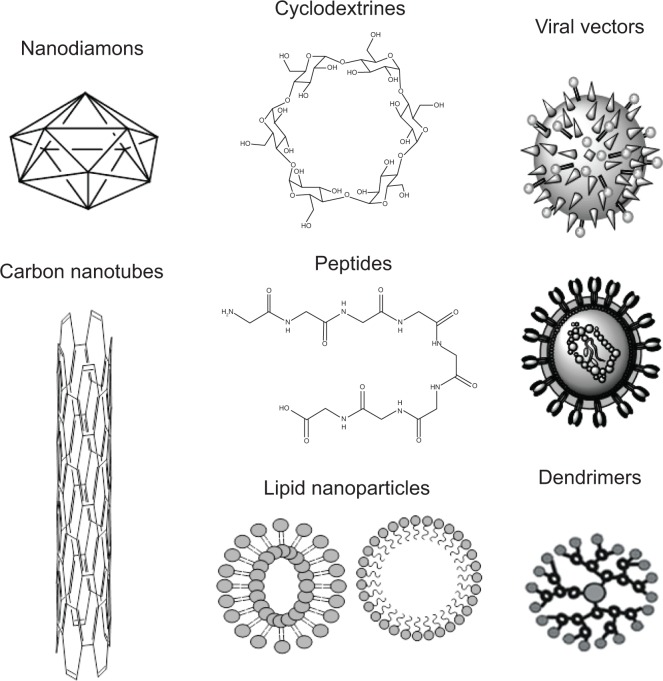
Figure 1
Figure 1
Nanoparticles used in medicine.
Figure 2
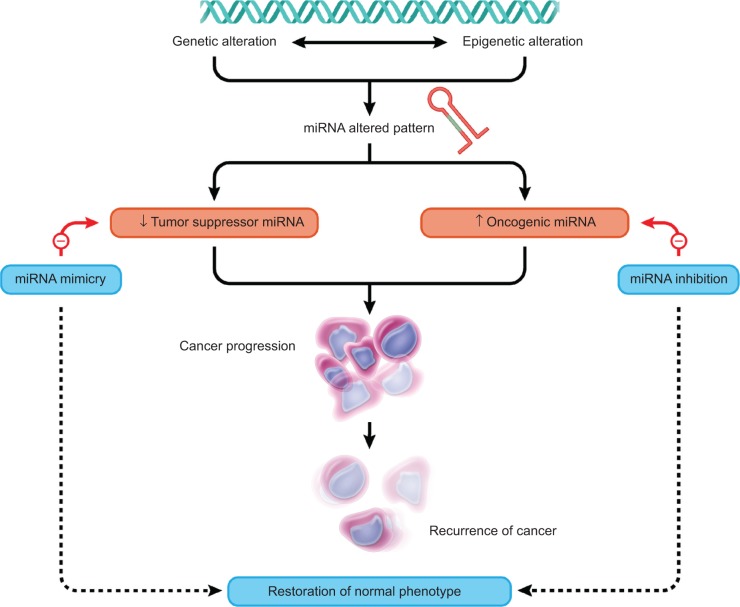
Figure 2
miRNA-based approaches in cancer therapy. Abbreviation: miRNA, micro ribonucleic acid.
Figure 3
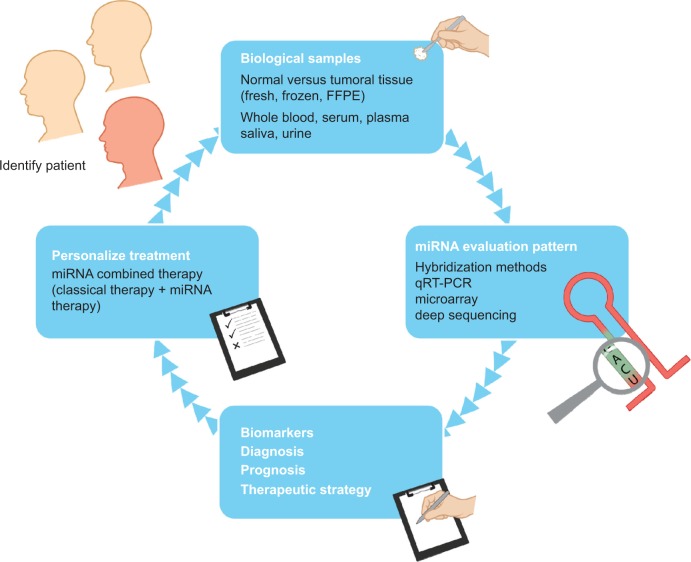
Figure 3
Bench-to-bedside evolution in translational hematology and oncology. Abbreviations: FFPE, formalin-fixed, paraffin-embedded; miRNA, micro ribonucleic acid; qRT-PCR, quantitative real-time polymerase chain reaction.

References

    1. de Morais MG, Martins VG, Steffens D, Pranke P, da Costa JA. Biological applications of nanobiotechnology. J Nanosci Nanotechnol. 2014;14(1):1007–1017. - PubMed
    1. Liang XJ. Nanotechnology and cancer nanomedicine. Biotechnol Adv. 2014;32(4):665. - PubMed
    1. Selvamuthukumar S, Velmurugan R. Nanostructured lipid carriers: a potential drug carrier for cancer chemotherapy. Lipids Health Dis. 2012;11:159. - PMC - PubMed
    1. Singh S, Sharma A, Robertson GP. Realizing the clinical potential of cancer nanotechnology by minimizing toxicologic and targeted delivery concerns. Cancer Res. 2012;72(22):5663–5668. - PMC - PubMed
    1. Orza A, Soriţău O, Tomuleasa C, et al. Reversing chemoresistance of malignant glioma stem cells using gold nanoparticles. Int J Nanomedicine. 2013;8:689–702. - PMC - PubMed

Publication types

LinkOut - more resources