Genomic encyclopedia of bacteria and archaea: sequencing a myriad of type strains
- PMID: 25093819
- PMCID: PMC4122341
- DOI: 10.1371/journal.pbio.1001920
Genomic encyclopedia of bacteria and archaea: sequencing a myriad of type strains
Abstract
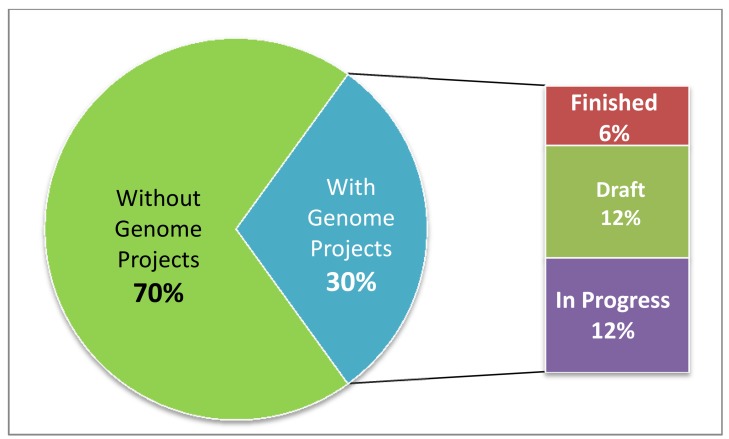
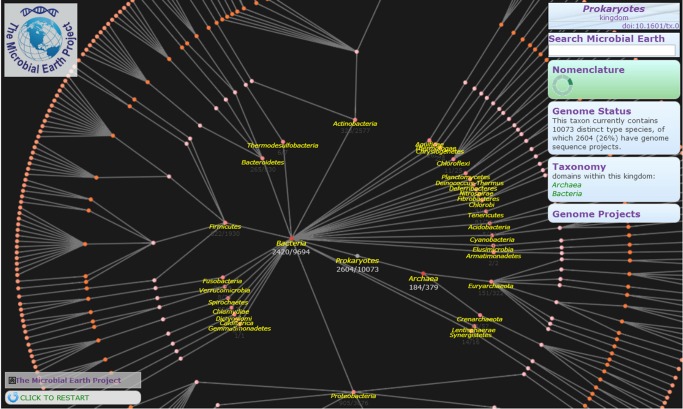
Microbes hold the key to life. They hold the secrets to our past (as the descendants of the earliest forms of life) and the prospects for our future (as we mine their genes for solutions to some of the planet's most pressing problems, from global warming to antibiotic resistance). However, the piecemeal approach that has defined efforts to study microbial genetic diversity for over 20 years and in over 30,000 genome projects risks squandering that promise. These efforts have covered less than 20% of the diversity of the cultured archaeal and bacterial species, which represent just 15% of the overall known prokaryotic diversity. Here we call for the funding of a systematic effort to produce a comprehensive genomic catalog of all cultured Bacteria and Archaea by sequencing, where available, the type strain of each species with a validly published name (currently∼11,000). This effort will provide an unprecedented level of coverage of our planet's genetic diversity, allow for the large-scale discovery of novel genes and functions, and lead to an improved understanding of microbial evolution and function in the environment.
Conflict of interest statement
The authors have declared that no competing interests exist.
Figures
References
-
- Achtman M, Wagner M (2008) Microbial diversity and the genetic nature of microbial species. Nature Rev Microbiol 6: 431–440. - PubMed
-
- Pace NR (1997) A molecular view of microbial diversity and the biosphere. Science 276: 734–740. - PubMed
-
- López-García P, Rodríguez-Valera F, Pedrós-Alió C, Moreira D (2001) Unexpected diversity of small eukaryotes in deep-sea Antarctic plankton. Nature 409: 603–607. - PubMed
Publication types
MeSH terms
LinkOut - more resources
Full Text Sources
Other Literature Sources
Miscellaneous