


Phenotypic flexibility as key factor in the human nutrition and health relationship
- PMID: 25106484
- PMCID: PMC4172643
- DOI: 10.1007/s12263-014-0423-5
Phenotypic flexibility as key factor in the human nutrition and health relationship
Abstract
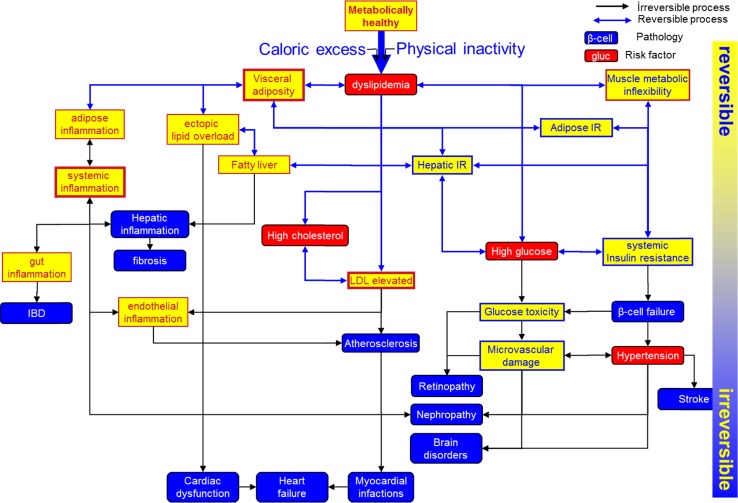
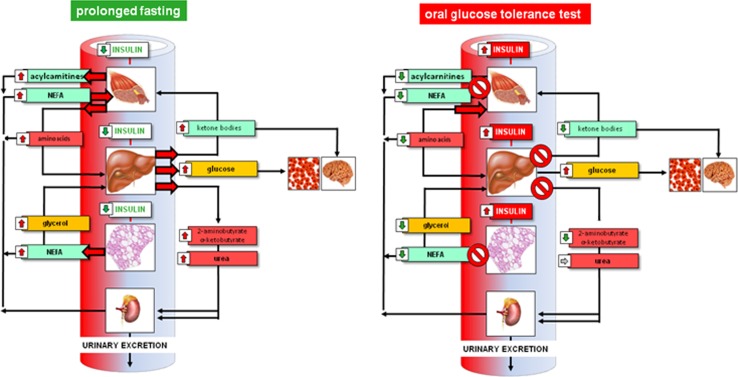
Metabolic adaptation to a disturbance of homeostasis is determined by a series of interconnected physiological processes and molecular mechanisms that can be followed in space (i.e., different organs or organelles) and in time. The amplitudes of these responses of this "systems flexibility network" determine to what extent the individual can adequately react to external challenges of varying nature and thus determine the individual's health status and disease predisposition. Connected pathways and regulatory networks act as "adaptive response systems" with metabolic and inflammatory processes as a core-but embedded into psycho-neuro-endocrine control mechanisms that in their totality define the phenotypic flexibility in an individual. Optimal metabolic health is thus the orchestration of all mechanisms and processes that maintain this flexibility in an organism as a phenotype. Consequently, onset of many chronic metabolic diseases results from impairment or even loss of flexibility in parts of the system. This also means that metabolic diseases need to be diagnosed and treated from a systems perspective referring to a "systems medicine" approach. This requires a far better understanding of the mechanisms involved in maintaining, optimizing and restoring phenotypic flexibility. Although a loss of flexibility in a specific part of the network may promote pathologies, this not necessarily takes place in the same part because the system compensates. Diagnosis at systems level therefore needs the quantification of the response reactions of all relevant parts of the phenotypic flexibility system. This can be achieved by disturbing the homeostatic system by any challenge from extended fasting, to intensive exercise or a caloric overload.
Figures
References
LinkOut - more resources
Full Text Sources
Other Literature Sources
Medical
