


Helicobacter pylori and oral pathology: relationship with the gastric infection
- PMID: 25110422
- PMCID: PMC4123373
- DOI: 10.3748/wjg.v20.i29.9922
Helicobacter pylori and oral pathology: relationship with the gastric infection
Abstract
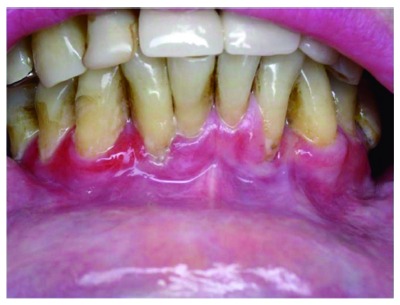
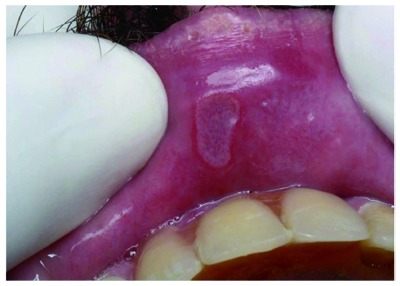
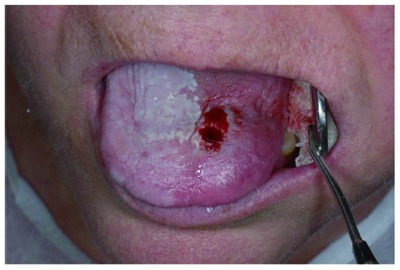
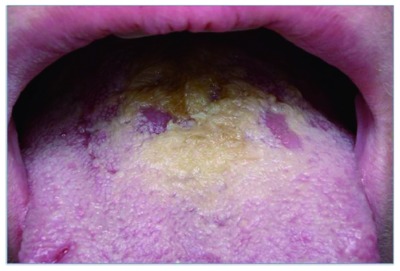
Helicobacter pylori (H. pylori) has been found in the oral cavity and stomach, and its infection is one of the most frequent worldwide. We reviewed the literature and conducted a Topic Highlight, which identified studies reporting an association between H. pylori-infection in the oral cavity and H. pylori-positive stomach bacterium. This work was designed to determine whether H. pylori is the etiologic agent in periodontal disease, recurrent aphthous stomatitis (RAS), squamous cell carcinoma, burning and halitosis. Record selection focused on the highest quality studies and meta-analyses. We selected 48 articles reporting on the association between saliva and plaque and H. pylori-infection. In order to assess periodontal disease data, we included 12 clinical trials and 1 meta-analysis. We evaluated 13 published articles that addressed the potential association with RAS, and 6 with squamous cell carcinoma. Fourteen publications focused on our questions on burning and halitosis. There is a close relation between H. pylori infection in the oral cavity and the stomach. The mouth is the first extra-gastric reservoir. Regarding the role of H. pylori in the etiology of squamous cell carcinoma, no evidence is still available.
Keywords: Burning and halitosis; Gastric infection; Helicobacter pylori; Oral pathology; Recurrent aphthous stomatitis.
Figures
References
-
- Marshall BJ, Warren JR. Unidentified curved bacilli in the stomach of patients with gastritis and peptic ulceration. Lancet. 1984;1:1311–1315. - PubMed
-
- Marshall BJ, Armstrong JA, McGechie DB, Glancy RJ. Attempt to fulfil Koch’s postulates for pyloric Campylobacter. Med J Aust. 1985;142:436–439. - PubMed
-
- Nabwera HM, Logan RP. Epidemiology of Helicobacter pylori: transmission, translocation and extragastric reservoirs. J Physiol Pharmacol. 1999;50:711–722. - PubMed
-
- Hunt RH, Xiao SD, Megraud F, Leon-Barua R, Bazzoli F, van der Merwe S, Vaz Coelho LG, Fock M, Fedail S, Cohen H, et al. Helicobacter pylori in developing countries. World Gastroenterology Organisation Global Guidelines. 2010 - PubMed
MeSH terms
LinkOut - more resources
Full Text Sources
Other Literature Sources
Medical
