. 2014 Aug 12;9(8):e103059.
doi: 10.1371/journal.pone.0103059. eCollection 2014.

Macrophage phenotype is associated with disease severity in preterm infants with chronic lung disease

Affiliations

Macrophage phenotype is associated with disease severity in preterm infants with chronic lung disease

Lynne R Prince et al. PLoS One. .

Abstract

Background: The etiology of persistent lung inflammation in preterm infants with chronic lung disease of prematurity (CLD) is poorly characterized, hampering efforts to stratify prognosis and treatment. Airway macrophages are important innate immune cells with roles in both the induction and resolution of tissue inflammation.

Objectives: To investigate airway innate immune cellular phenotypes in preterm infants with respiratory distress syndrome (RDS) or CLD.

Methods: Bronchoalveolar lavage (BAL) fluid was obtained from term and preterm infants requiring mechanical ventilation. BAL cells were phenotyped by flow cytometry.

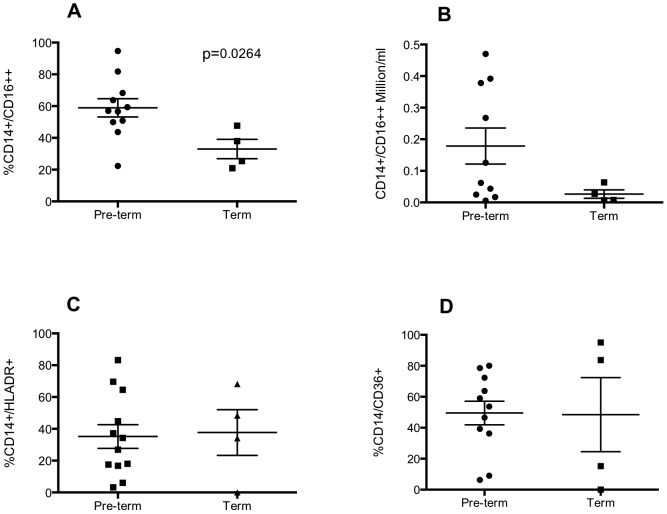
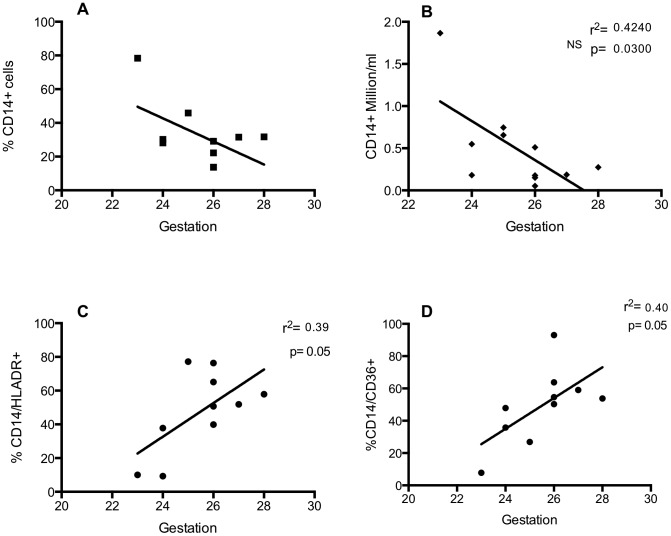
Results: Preterm birth was associated with an increase in the proportion of non-classical CD14(+)/CD16(+) monocytes on the day of delivery (58.9 ± 5.8% of total mononuclear cells in preterm vs 33.0 ± 6.1% in term infants, p = 0.02). Infants with RDS were born with significantly more CD36(+) macrophages compared with the CLD group (70.3 ± 5.3% in RDS vs 37.6 ± 8.9% in control, p = 0.02). At day 3, infants born at a low gestational age are more likely to have greater numbers of CD14(+) mononuclear phagocytes in the airway (p = 0.03), but fewer of these cells are functionally polarized as assessed by HLA-DR (p = 0.05) or CD36 (p = 0.05) positivity, suggesting increased recruitment of monocytes or a failure to mature these cells in the lung.

Conclusions: These findings suggest that macrophage polarization may be affected by gestational maturity, that more immature macrophage phenotypes may be associated with the progression of RDS to CLD and that phenotyping mononuclear cells in BAL could predict disease outcome.


Conflict of interest statement

Competing Interests: The authors have declared that no competing interests exist.

Figures

Figure 1
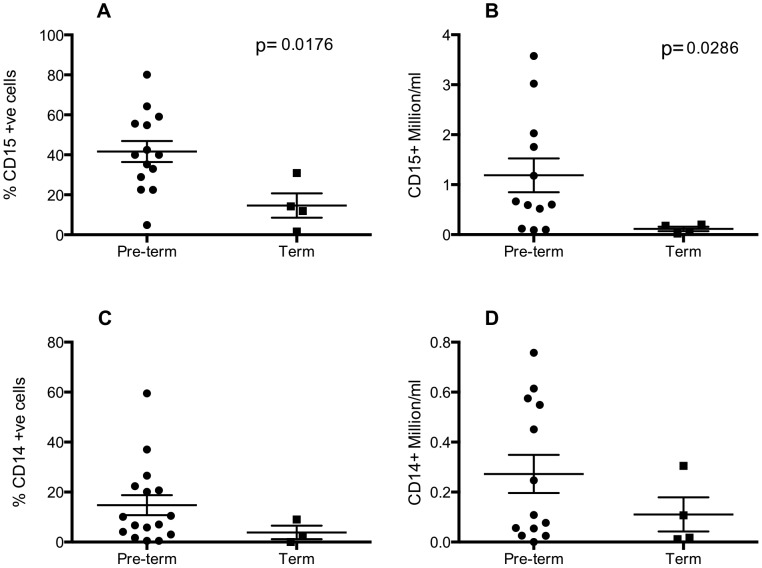
Figure 1. Preterm delivery is associated with increased neutrophils and monocyte–macrophages in the airway.
Infants were ventilated and lavaged within 24-CD14, anti-CD15 or matched isotype antibodies and analysed by flow cytometry. Neutrophils (A, B) are defined as CD15+ events and macrophages (C, D) are defined as CD14+ve events and expressed as percent of all cells (A, C) or as absolute numbers/ml lavage fluid (B, D). Statistical analyses were carried out by Mann Whitney test and compared samples collected from pre-term (n = 12–16 of which RDS∶CLD 6–8∶8) to term (n = 4) infants.
Figure 2
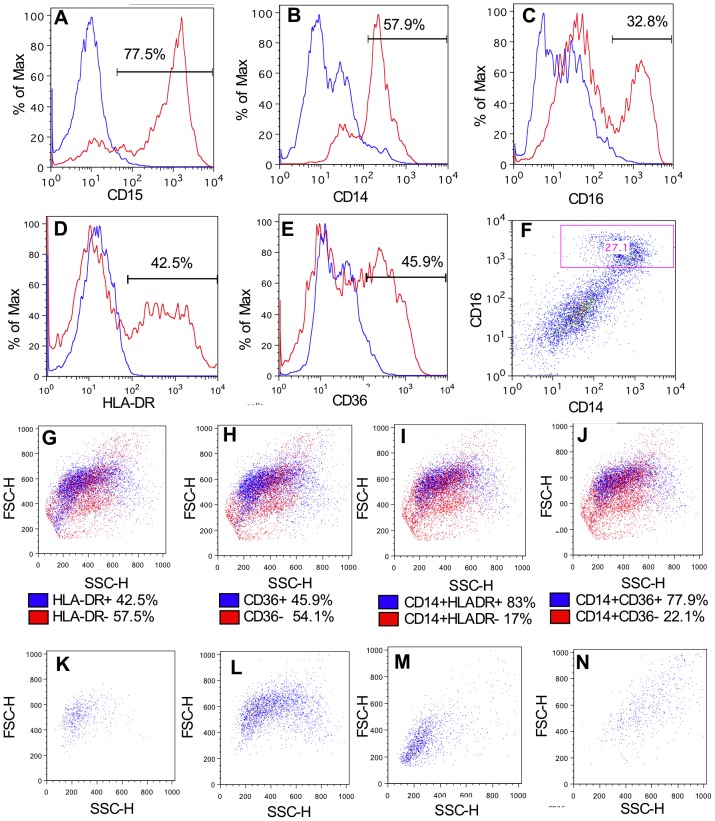
Figure 2. Flow cytometry strategy for identifying functionally polarised macrophage populations in BALF.
Infants were ventilated and lavaged within 24-CD15 (A), anti-CD14 (B), anti-CD16 (C), anti-HLADR (D), anti-CD36 (E) or matched isotype antibodies and analysed by flow cytometry. Staining profiles showing isotype controls in blue and target antibody in red. CD14/CD16 staining profile shown in F. Positively stained events are higlighted in FSC and SSC plots in blue for HLADR (G), CD36 (H), CD14/HLADR dual stained (I) and CD14/CD36 dual stained (J). FSC/SSC profiles of CD14+ and: HLADR− (K), HLADR+ (L), CD36− (M) and CD36+ (N) events. Plots illustrate representative data from 3 individual subjects.
Figure 3
Figure 3. Preterm delivery is associated with increased non-classical macrophages in the airway.
Infants were ventilated and lavaged within 24-CD14, anti-CD16, anti-CD36, anti-HLADR or matched isotype antibodies and analysed by flow cytometry. Non-classical macrophages are defined as CD14+/CD16++ and expressed as percent of all macrophages (A) or absolute numbers of CD14+/CD16++ cells/ml lavage (B). CD14+/HLA-DR+ and CD14+/CD36+ cells are expressed as percent of all macrophages (C, D). Statistical analyses were carried out by Mann Whitney test and compared samples collected from pre-term (n = 10–12 of which CLD∶RDS; 7–8∶3–4) to term (n = 4) infants.
Figure 4
Figure 4. Early delivery is associated with increased numbers of macrophages and decreased populations of cells with an anti-inflammatory phenotype.
Infants were ventilated and lavaged at 3 days of age and cells were stained with anti-CD14, anti-HLA-DR, anti-CD36 or matched isotype antibodies and analysed by flow cytometry. Data are expressed as percentage (A) or absolute numbers (B) of CD14+ events. Cells dual stained with CD14+/HLADR (C) or CD14+/CD36+ (D) are expressed as a percentage of all CD14+ events. Data are analysed by liner regression (n = 9–11 of which CLD∶RDS; 6–8∶3) and show R square and p values.
Figure 5
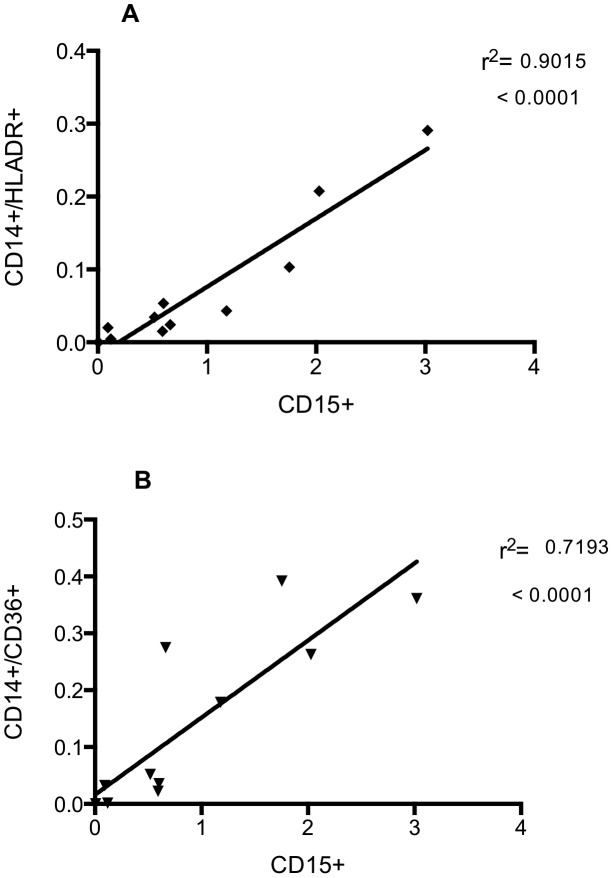
Figure 5. Numbers of neutrophils in the airway correlate with numbers of mature macrophages.
Infants were ventilated and lavaged within 24-CD15, anti-CD14, anti-HLA-DR, anti-CD36 or matched isotype antibodies and analysed by flow cytometry. Data are expressed as absolute numbers of CD15+ events plotted against absolute numbers of CD14/CD36+ (A) or CD14/HLADR+ (B). Data are analysed by liner regression (n = 11 of which CLD∶RDS; 8∶3) and show R square and p values.
Figure 6
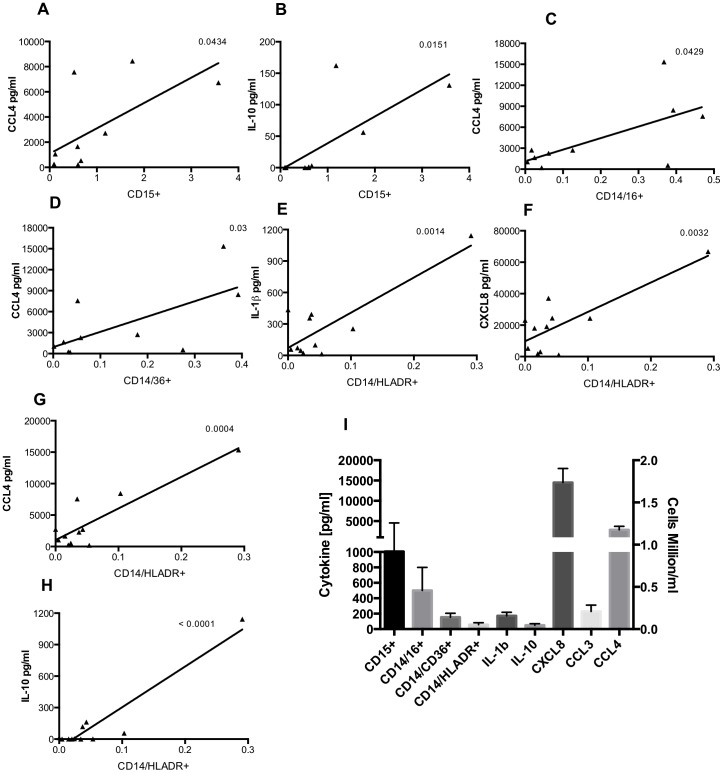
Figure 6. Cytokine levels correlate with cell type in preterm lavage.
Preterm infants (CLD∶RDS; 8∶4) were ventilated and lavaged within 24 hours of birth and cells stained with combinations of anti-CD15 (A,B), anti-CD14(C–H), anti-CD16 (C), anti-CD36 (D), anti-HLA-DR (E–H), or matched isotype antibodies and analysed by flow cytometry. Cytokine bead arrays were carried out on cell-free lavage and the following cytokines were measured: IL-1β, CXCL8, CCL3, CCL4, and IL-10. Correlations of cytokine levels and absolute numbers of cells were analysed by linear regression and significant correlations are shown above. Panel I shows mean ± SEM absolute cell number (million/ml, right axis) and mean ± cytokine levels [pg/ml, left axis] for all samples.
Figure 7
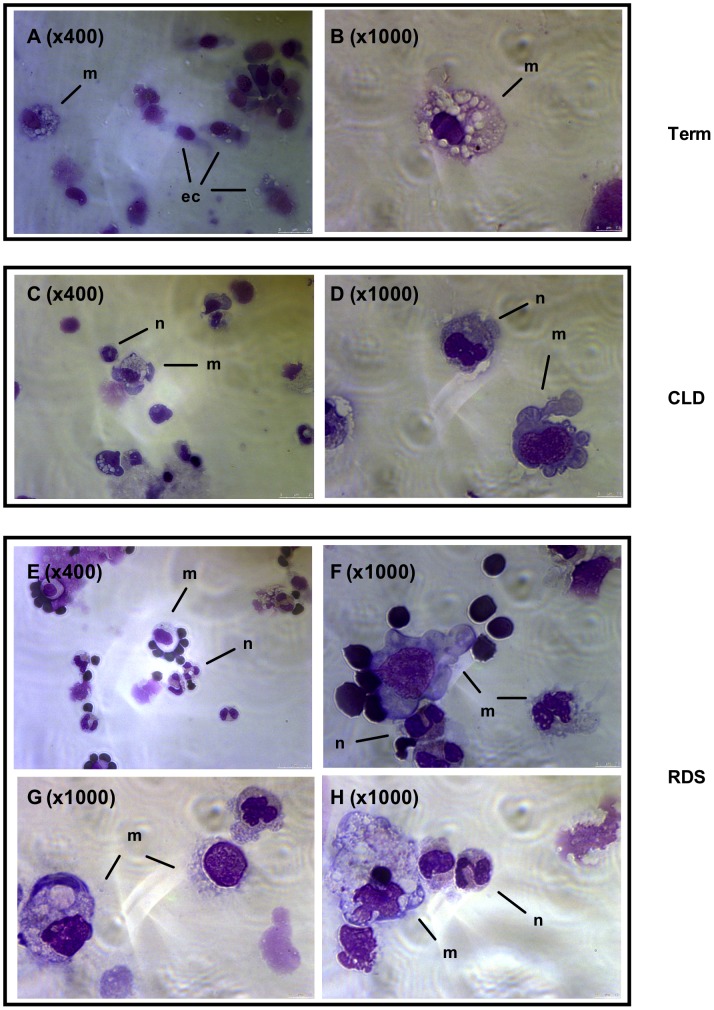
Figure 7. Morpholocial assessment of BAL cellularity.
Infants were ventilated and lavaged within 24(A,B) and infants who developed CLD (C,D) or RDS (E–H) were studied. Images were viewed under ×400 (A,C,E) or ×1000 (B,D,E–H) lenses. Cell populations indicated as follows: m: macrophage, ec: epithelial cell, n: neutrophil Scale bar indicates 0–7.5 um in length.
Figure 8
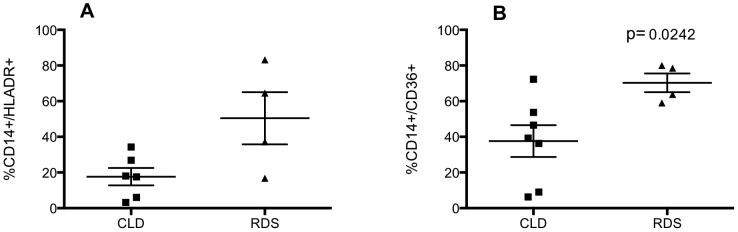
Figure 8. Inflammation resolution is associated with increased populations of anti-inflammatory macrophages.
Infants were ventilated and lavaged within 24-CD14, anti-HLA-DR, anti-CD36 or matched isotype antibodies and analysed by flow cytometry. CD14+/HLA-DR+ and CD14+/CD36+ cells are expressed as percent of all macrophages (A, B). Statistical analyses were carried out by Mann Whitney test and compared samples collected from CLD (n = 6–7) to RDS (n = 4) infants.

References

    1. Kotecha S, Chan B, Azam N, Silverman M, Shaw RJ (1995) Increase in interleukin-8 and soluble intercellular adhesion molecule-1 in bronchoalveolar lavage fluid from premature infants who develop chronic lung disease. Archives of disease in childhood Fetal and neonatal edition 72: F90–96. - PMC - PubMed
    1. Kotecha S, Mildner RJ, Prince LR, Vyas JR, Currie AE, et al. (2003) The role of neutrophil apoptosis in the resolution of acute lung injury in newborn infants. Thorax 58: 961–967. - PMC - PubMed
    1. Daigneault M, De Silva TI, Bewley MA, Preston JA, Marriott HM, et al. (2012) Monocytes regulate the mechanism of T-cell death by inducing Fas-mediated apoptosis during bacterial infection. PLoS pathogens 8: e1002814. - PMC - PubMed
    1. Zhang M, Li X, Pang X, Ding L, Wood O, et al. (2001) Identification of a potential HIV-induced source of bystander-mediated apoptosis in T cells: upregulation of trail in primary human macrophages by HIV-1 tat. Journal of biomedical science 8: 290–296. - PubMed
    1. Renshaw SA, Parmar JS, Singleton V, Rowe SJ, Dockrell DH, et al. (2003) Acceleration of human neutrophil apoptosis by TRAIL. J Immunol 170: 1027–1033. - PubMed

Publication types

MeSH terms