. 2014 Sep 11;57(17):7355-66.
doi: 10.1021/jm500764v. Epub 2014 Aug 26.

Design, synthesis, and biological evaluation of stable colchicine binding site tubulin inhibitors as potential anticancer agents

Affiliations

Design, synthesis, and biological evaluation of stable colchicine binding site tubulin inhibitors as potential anticancer agents

Yan Lu et al. J Med Chem. .

Abstract

To block the metabolically labile sites of novel tubulin inhibitors targeting the colchicine binding site based on SMART, ABI, and PAT templates, we have designed, synthesized, and biologically tested three focused sets of new derivatives with modifications at the carbonyl linker, the para-position in the C ring of SMART template, and modification of A ring of the PAT template. Structure-activity relationships of these compounds led to the identification of new benzimidazole and imidazo[4,5-c]pyridine-fused ring templates, represented by compounds 4 and 7, respectively, which showed enhanced antitumor activity and substantially improved the metabolic stability in liver microsomes compared to SMART. MOM group replaced TMP C ring and generated a potent analogue 15, which showed comparable potency to the parent SMART compound. Further modification of PAT template yielded another potent analogue 33 with 5-indolyl substituent at A ring.


Figures
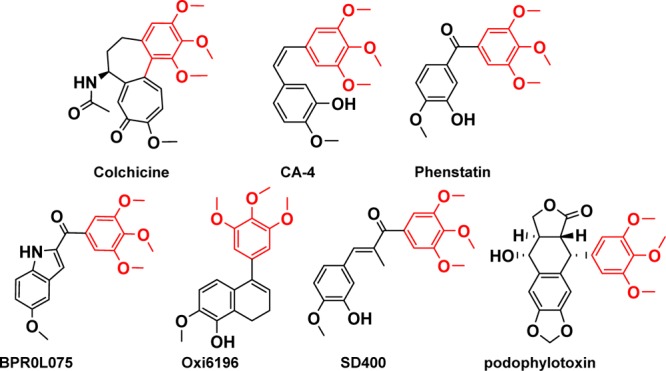
Figure 1
Figure 1
Structures of representative tubulin inhibitors bound to the colchicine-binding site.
Figure 2
Figure 2
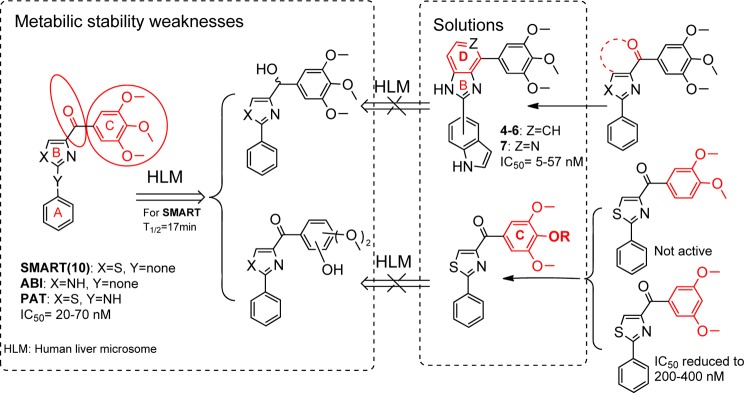
Proposed approaches to solve metabolic liabilities of lead compounds.
Scheme 1
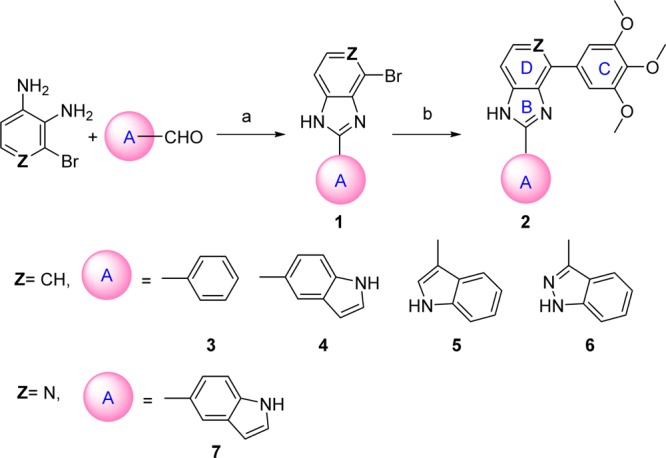
Scheme 1. Synthesis of the Fused D Ring Antitubulin Compounds
Reagents and conditions: (a) TsOH, EtOH, reflux; (b) (3,4,5-trimethoxyphenyl)boronic acid, K2CO3, Pd(PPh3)4.
Figure 3
Figure 3
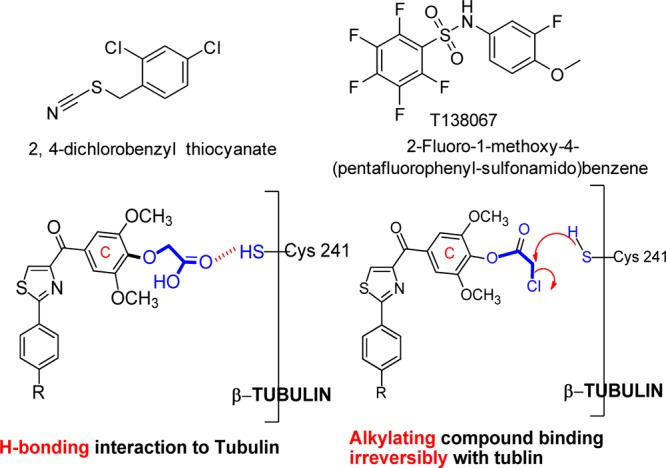
Irreversible tubulin binding agents and hypothesis of interactions between Cys-241 and para-position at the C ring.
Scheme 2
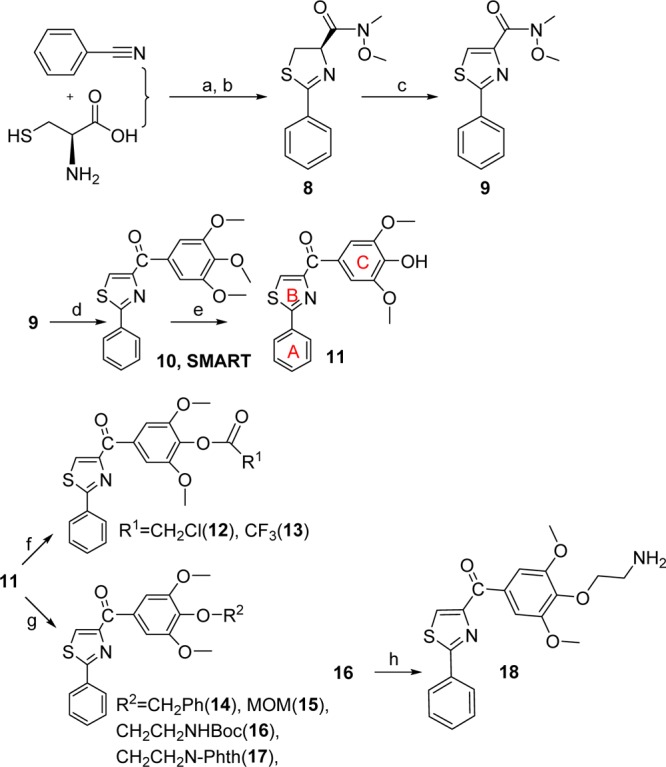
Scheme 2. Synthesis of Analogues Focused on Modifications at para-Position of the C Ring
Reagents and conditions: (a) MeOH/pH = 6.4 phosphate buffer, RT; (b) EDCI, HOBt, NMM, CH3OCH3NH·HCl; (c) CBrCl3, DBU; (d) 5-bromo-1,2,3-trimethoxybenzene/BuLi, THF, −78 °C; (e) AlCl3, CH2Cl2; (f) ClCH2COCl, CH2Cl2, NEt3 (12) or (CF3CO)2O, CH2Cl2, DMAP (13); (g) PhCH2Br, K2CO3, DMF (14); MOMCl, Hunig’s base, CH2Cl2 (15); BrCH2CH2NHBoc, DMF, Cs2CO3 (16) or 2-(2-bromoethyl)isoindoline-1,3-dione, K2CO3, DMF 120 °C (17); (h) 4 M HCl in dioxane.
Scheme 3
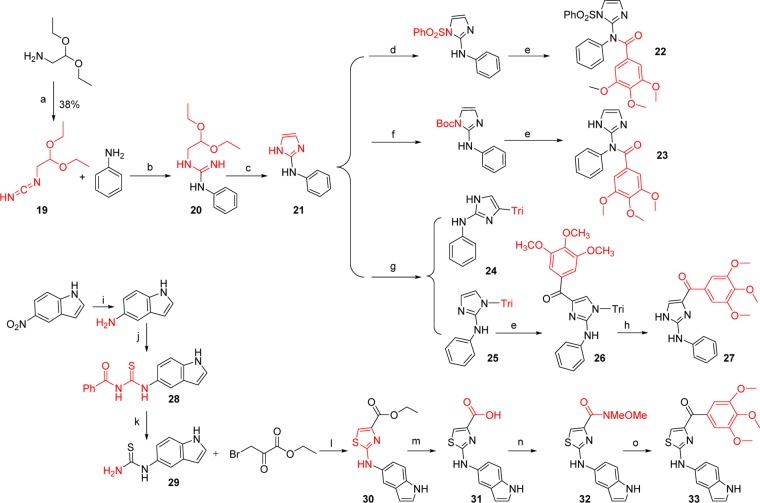
Scheme 3. Synthesis of Analogues Based on PAT Template
Reagents and conditions: (a) BrCN, Et2O/hexane; (b) CH3SO3H, EtOH, reflux, 24 h; (c) (1) 6 M HCl, (2) NaOH 25% conc.; (d) PhSO2Cl, Et3N; (e) −78 °C, t-BuLi, 3,4,5-trimethoxybenzoyl chloride; (f) Boc2O, NaOH; (g) (chloromethanetriyl)tribenzene, Et3N, CH2Cl2; (h) HCl; (i) H2, Pd–C, 5%, EtOH, 40 psi; (j) PhCOSCN, Me2CO; (k) MeOH, 1 N NaOH; (l) EtOH, 65 °C; (m) NaOH, MeOH; (n) HBTU, NMM, HNCH3OCH3·HCl, CH2Cl2; (o) 3,4,5-trimethoxyphenylbromide, n-BuLi, THF.
Figure 4
Figure 4
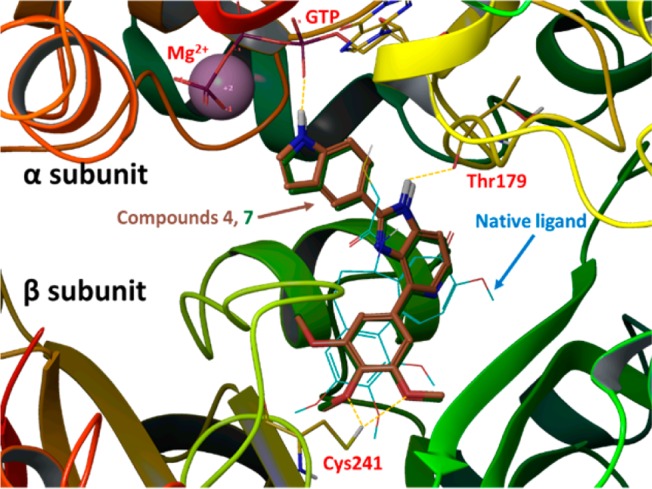
Potential binding poses for 4 (gold tube model; glide docking score −8.58) and 7 (dark green tube model; glide docking score −8.10) in tubulin α,β-dimer (PDB code 1SA0). The native ligand, DAMA–colchicine (glide docking score of −9.26), is shown in blue thin wire model.
Figure 5
Figure 5
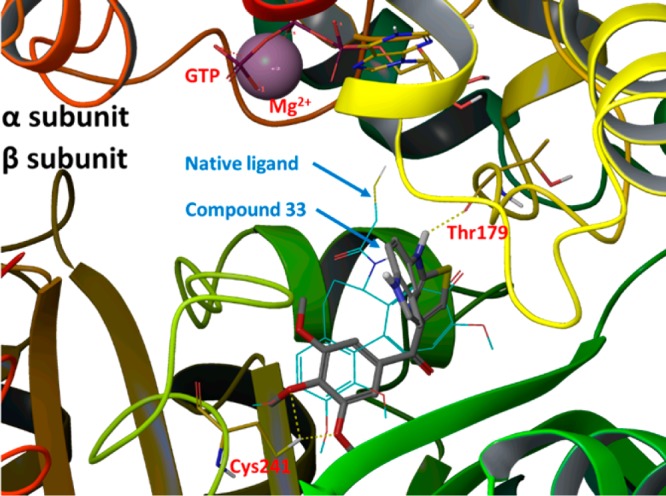
Potential binding poses for 33 (gray tube model; glide docking score of −8.70) and the native ligand DAMA–colchicine (blue thin wire model; glide docking score of −9.26) in tubulin α,β-dimer (PDB Code: 1SA0).
Figure 6
Figure 6
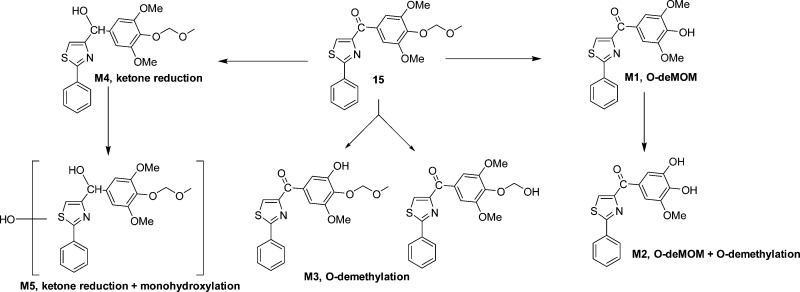
Proposed metabolites and metabolic pathway of 15.
Figure 7
Figure 7
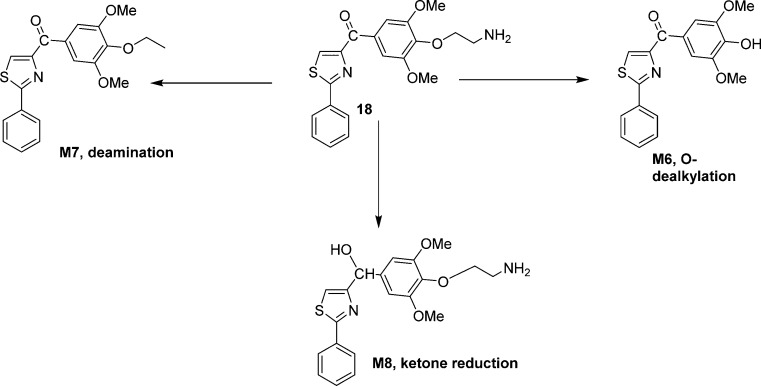
Proposed metabolites and metabolic pathway of 18.
Figure 8
Figure 8
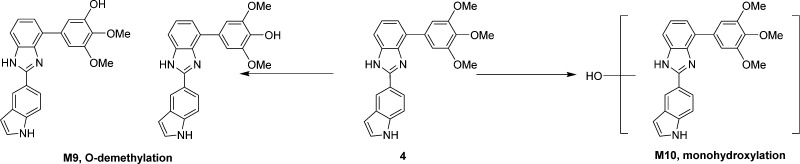
Proposed metabolites and metabolic pathway of 4.
Figure 9
Figure 9
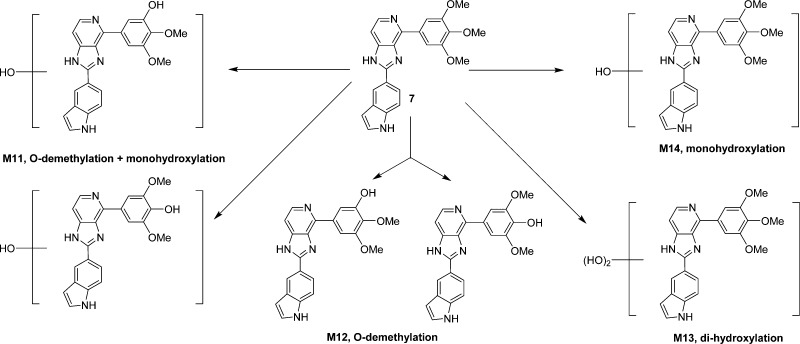
Proposed metabolites and metabolic pathway of 7.
Figure 10
Figure 10
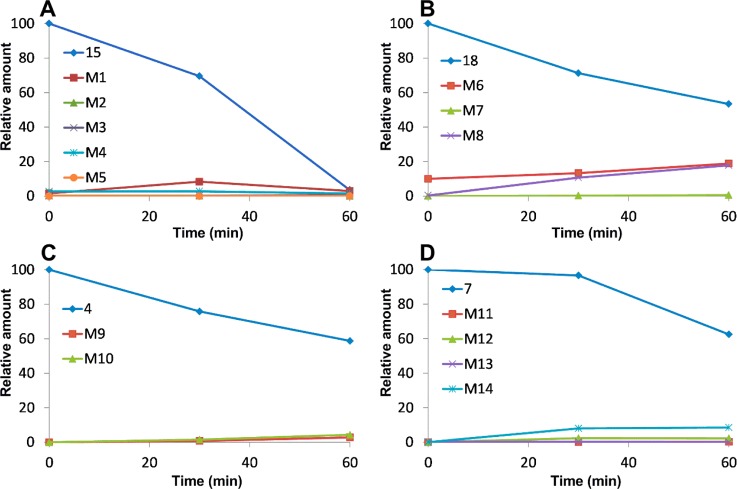
Kinetics of compounds 15, 18, 4, and 7 and their metabolites in human liver microsomes. (A) Compound 15 and its metabolites; (B) compound 18 and its metabolites; (C) compound 4 and its metabolites; and (D) compound 7 and its metabolites; 50 μM of the test compound was incubated with 1 mg/mL microsomal proteins. Samples at various time points were analyzed by Q-TOF LC–MS.
Figure 11
Figure 11
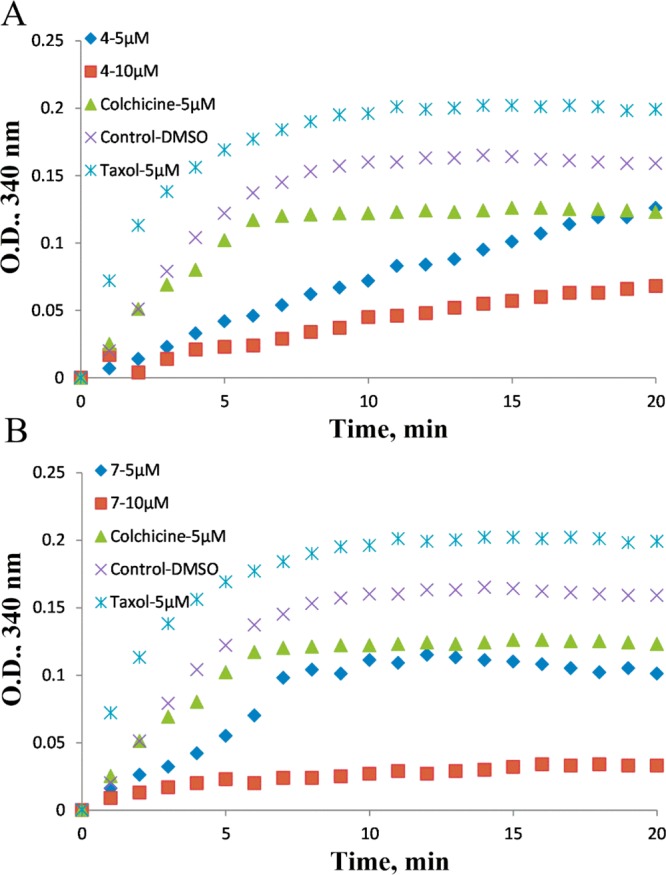
Compounds 4 and 7 inhibit tubulin polymerization in vitro.

References

    1. Jordan M. A.; Wilson L. Microtubules as a target for anticancer drugs. Nat. Rev. Cancer 2004, 44253–265. - PubMed
    1. Lu Y.; Chen J.; Xiao M.; Li W.; Miller D. D. An overview of tubulin inhibitors that interact with the colchicine binding site. Pharm. Res. 2012, 29112943–2971. - PMC - PubMed
    1. Nam N. H. Combretastatin A-4 analogues as antimitotic antitumor agents. Curr. Med. Chem. 2003, 10171697–1722. - PubMed
    1. Pettit G. R.; Toki B.; Herald D. L.; Verdier-Pinard P.; Boyd M. R.; Hamel E.; Pettit R. K. Antineoplastic agents. 379. Synthesis of phenstatin phosphate. J. Med. Chem. 1998, 41101688–1695. - PubMed
    1. Kuo C. C.; Hsieh H. P.; Pan W. Y.; Chen C. P.; Liou J. P.; Lee S. J.; Chang Y. L.; Chen L. T.; Chen C. T.; Chang J. Y. BPR0L075, a novel synthetic indole compound with antimitotic activity in human cancer cells, exerts effective antitumoral activity in vivo. Cancer Res. 2004, 64134621–4628. - PubMed

Publication types

MeSH terms