. 2014 Aug 15;9(8):e105381.
doi: 10.1371/journal.pone.0105381. eCollection 2014.

Inhibition of c-Myc overcomes cytotoxic drug resistance in acute myeloid leukemia cells by promoting differentiation

Affiliations

Inhibition of c-Myc overcomes cytotoxic drug resistance in acute myeloid leukemia cells by promoting differentiation

Xiao-Na Pan et al. PLoS One. .

Abstract

Nowadays, drug resistance still represents a major obstacle to successful acute myeloid leukemia (AML) treatment and the underlying mechanism is not fully elucidated. Here, we found that high expression of c-Myc was one of the cytogenetic characteristics in the drug-resistant leukemic cells. c-Myc over-expression in leukemic cells induced resistance to chemotherapeutic drugs, enhanced colony formation capacity and inhibited cell differentiation induced by all-trans retinoic acid (ATRA). Meanwhile, inhibition of c-Myc by shRNA or specific c-Myc inhibitor 10058-F4 rescued the sensitivity to cytotoxic drugs, restrained the colony formation ability and promoted differentiation. RT-PCR and western blotting analysis showed that down-regulation of C/EBPβ contributed to the poor differentiation state of leukemic cells induced by c-Myc over-expression. Importantly, over-expression of C/EBPβ could reverse c-Myc induced drug resistance. In primary AML cells, the c-Myc expression was negatively correlated with C/EBPβ. 10058-F4, displayed anti-proliferative activity and increased cellular differentiation with up-regulation of C/EBPβ in primary AML cells. Thus, our study indicated that c-Myc could be a novel target to overcome drug resistance, providing a new approach in AML therapy.


Conflict of interest statement

Competing Interests: The authors have declared that no competing interests exist.

Figures

Figure 1
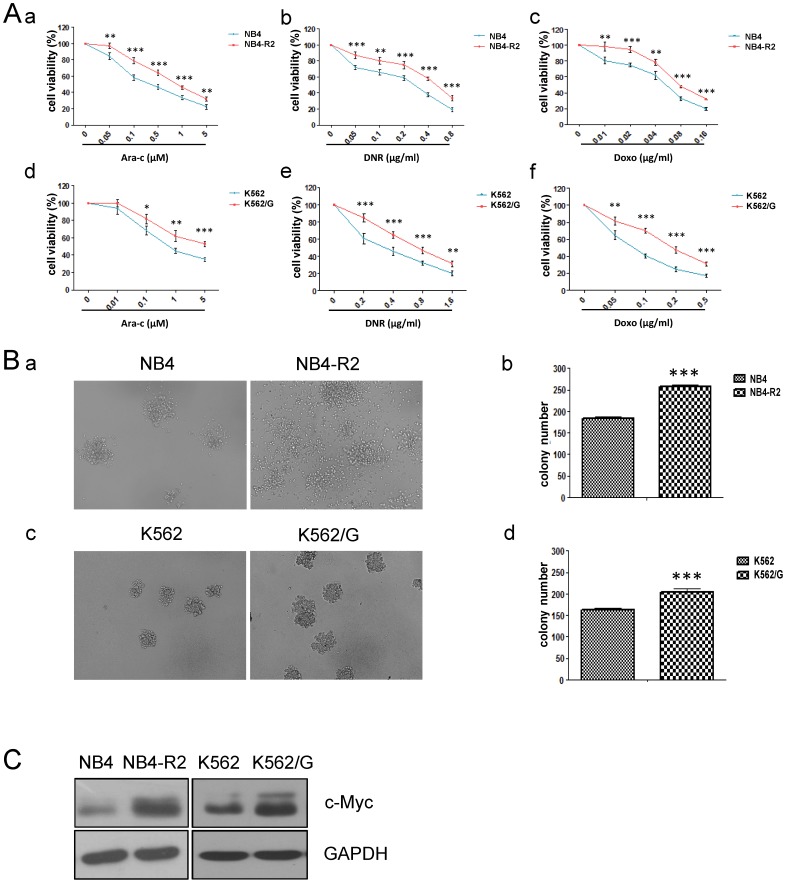
Figure 1. c-Myc is high expressed in drug resistant leukemic cells.
(A) Drug-resistant cells (NB4-R2 and K562/G) and drug-sensitive cells (NB4 and K562) were treated with various concentrations of Ara-C, DNR or Doxo for 48 h and subjected to MTT assay. (B) The colony formation images of drug-resistant and -sensitive cells were obtained using a light microscope (magnification, ×200) under 6 days' culture (a,c), and the statistical data were followed (b,d). (C) Western blotting was performed to analyze c-Myc expression. Cell lysates were incubated with antibodies against c-Myc and GAPDH as indicated. Data summarized three independent experiments. *p<0.05, **p<0.01, ***p<0.001, Student's t test.
Figure 2
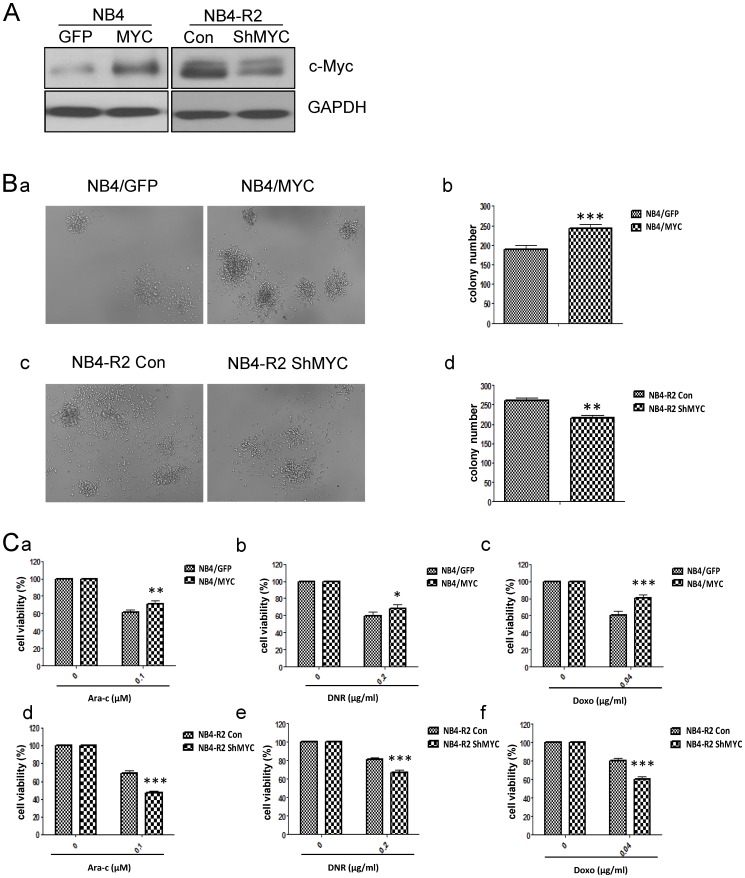
Figure 2. c-Myc over-expression contributes to drug resistance and high colony formation capacity in leukemic cells.
(A) c-Myc was over-expressed in NB4 cells (NB4/MYC), and was knocked down in NB4-R2 cells (NB4-R2 ShMYC). Cell lysates were subjected to western blotting analysis. (B) The colonies were photographed under the light microscope (magnification, ×200; a,c), and the statistical results were shown (b,d). (C) The stable leukemic cell lines with up- or down-expression of c-Myc were treated with Ara-C (0.1 µM), DNR (0.2 µg/ml) or Doxo (0.04 µg/ml) for 48 h. Drug sensitivity was testified by MTT assay. Data summarized three independent experiments. *p<0.05, **p<0.01, ***p<0.001, Student's t test.
Figure 3
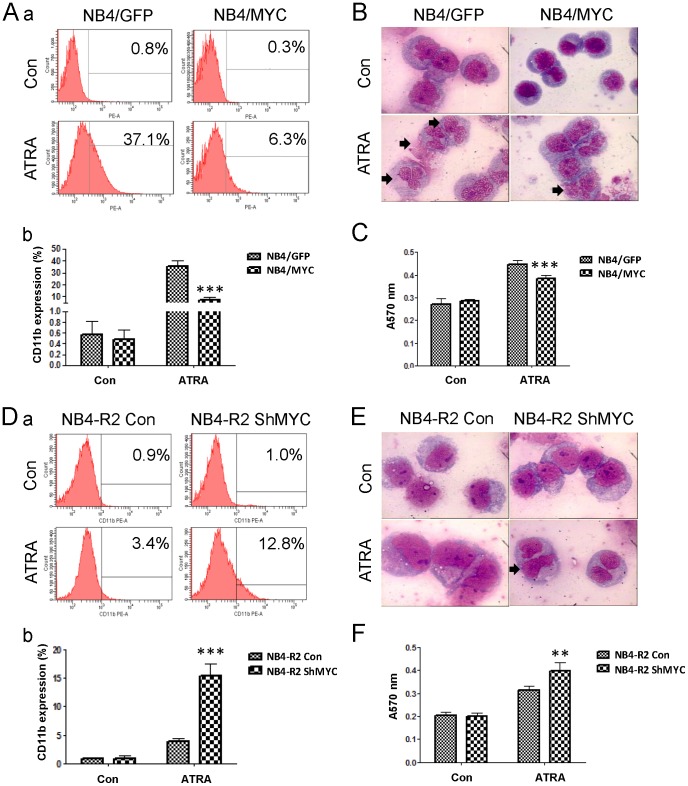
Figure 3. c-Myc inhibits cell differentiation induced by ATRA. NB4/GFP and NB4/MYC, as well as NB4-R2 Con and NB4-R2 ShMYC, were treated with 1 µM ATRA for 72 h.
(A, D) Cells were then subjected to flow cytometry to determine the expression of CD11b (a), and the percentages of CD11b positive cells were under census (b). (B, E) Wright-Giemsa staining images of cells were captured by oil immersion lens (magnification, ×1 000). Segmented cells after 72 h of ATRA incubation were annotated by black arrows. (C, F) NBT reduction assay was performed to clarify the differentiation state. **p<0.01, ***p<0.001, Student's t test.
Figure 4
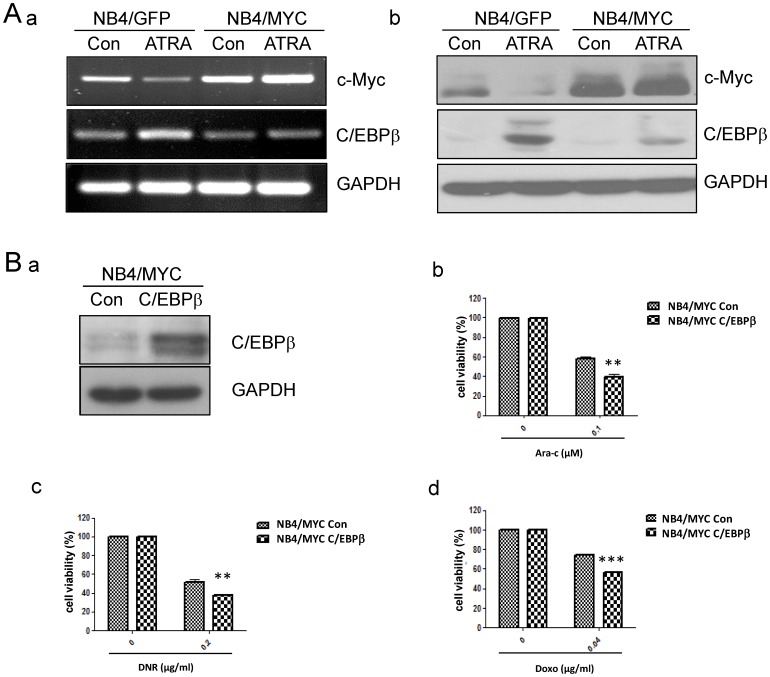
Figure 4. Over-expression of C/EBPβ reverses c-Myc induced drug resistance.
(A) NB4/GFP and NB4/MYC cells were treated with 1 µM ATRA for 72 h. Expression of c-Myc, C/EBPβ was tested by RT-PCR and Western blot assay. GAPDH was used as an internal control. (B) C/EBPβ was over-expressed in NB4/MYC cells (NB4/MYC C/EBPβ). Western blotting analysis was performed to detect expression of C/EBPβ (a). NB4/MYC C/EBPβ cells were treated with Ara-C (0.1 µM), DNR (0.2 µg/ml) or Doxo (0.04 µg/ml) for 48 h. Drug sensitivity was testified by MTT assay (b–d). Data summarized three independent experiments. **p<0.01, ***p<0.001, Student's t test.
Figure 5
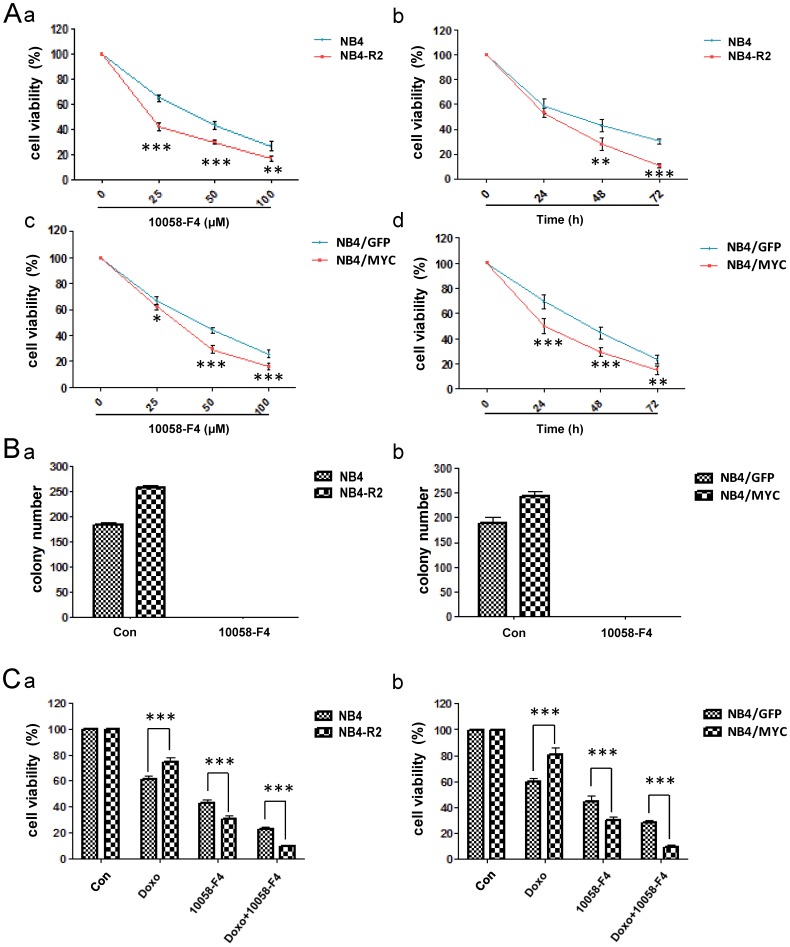
Figure 5. c-Myc inhibitor 10058-F4 restrains drug resistance and colony formation ability induced by c-myc over-expression.
(A) High c-Myc expression cells (NB4-R2 and NB4/MYC) and the control cells (NB4 and NB4/GFP) were exposed to various concentrations of 10058-F4 for various times, and cell viability was determined by MTT assay. (B) The colony number of cells was noted by the column diagram. (C) The two group of cells were exposed to Doxo (0.04 µg/ml) and 10058 (50 µM) alone or combination. MTT assay was performed to testify the cell viability. Data summarized three independent experiments. *p<0.05, **p<0.01, ***p<0.001, Student's t test.
Figure 6
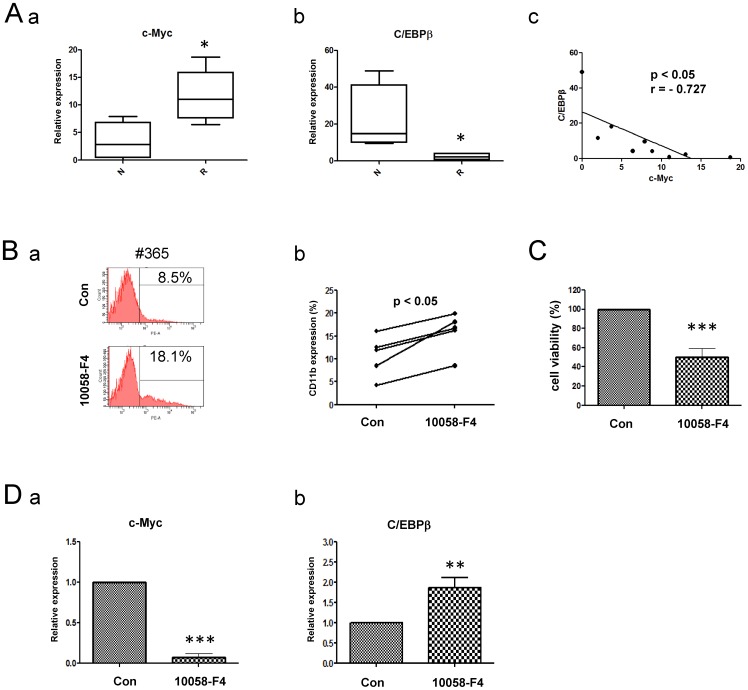
Figure 6. Inhibition of c-Myc suppresses proliferation and induces differentiation in primary AML cells.
(A) BMMCs were collected from AML patients, which contained 5 refractory and relapsed (R) AML patients and 4 newly diagnosed (N) AML patients. Real time-PCR analysis was performed to clarify the mRNA expression of c-Myc (a) and C/EBPβ (b). The relative expression values from different patients were presented in a box plot graph. The horizontal line within each box represented the median value. The correlation between c-Myc and C/EBPβ expression was shown as (c). (B) BMMCs from five newly diagnosed AML patients were treated with 100 µM 10058-F4 for 48 h. The CD11b-positive cells was analyzed by flow cytometry (a), and the percentages of CD11b expression were under census (n = 5; b). (C) The anti-proliferation of 10058-F4 to BMMCs was detected by MTT assay. (D) The expression of c-Myc and C/EBPβ in BMMCs treated with 10058-F4 was detected by Real-time PCR. *p<0.05, **p<0.01, ***p<0.001, Student's t test.

References

    1. Funato T, Harigae H, Abe S, Sasaki T (2004) Assessment of drug resistance in acute myeloid leukemia. Expert Rev Mol Diagn 4: 705–713. - PubMed
    1. Estey EH (2013) Acute myeloid leukemia: 2013 update on risk-stratification and management. Am J Hematol 88: 318–327. - PubMed
    1. Nielsen DL (2004) Mechanisms and functional aspects of multidrug resistance in Ehrlich ascites tumour cells. Dan Med Bull 51: 393–414. - PubMed
    1. Negoro E, Yamauchi T, Urasaki Y, Nishi R, Hori H, et al. (2011) Characterization of cytarabine-resistant leukemic cell lines established from five different blood cell lineages using gene expression and proteomic analyses. Int J Oncol 38: 911–919. - PubMed
    1. Zeng DF, Zhang J, Zhu LD, Kong PY, Li JP, et al. (2014) Analysis of drug resistance-associated proteins expressions of patients with the recurrent of acute leukemia via protein microarray technology. Eur Rev Med Pharmacol Sci 18: 537–543. - PubMed

Publication types

MeSH terms