


"There is iron and iron…" Burkinabè women's perceptions of iron supplementation: a qualitative study
- PMID: 25138626
- PMCID: PMC4167572
- DOI: 10.1007/s10995-014-1443-x
"There is iron and iron…" Burkinabè women's perceptions of iron supplementation: a qualitative study
Abstract
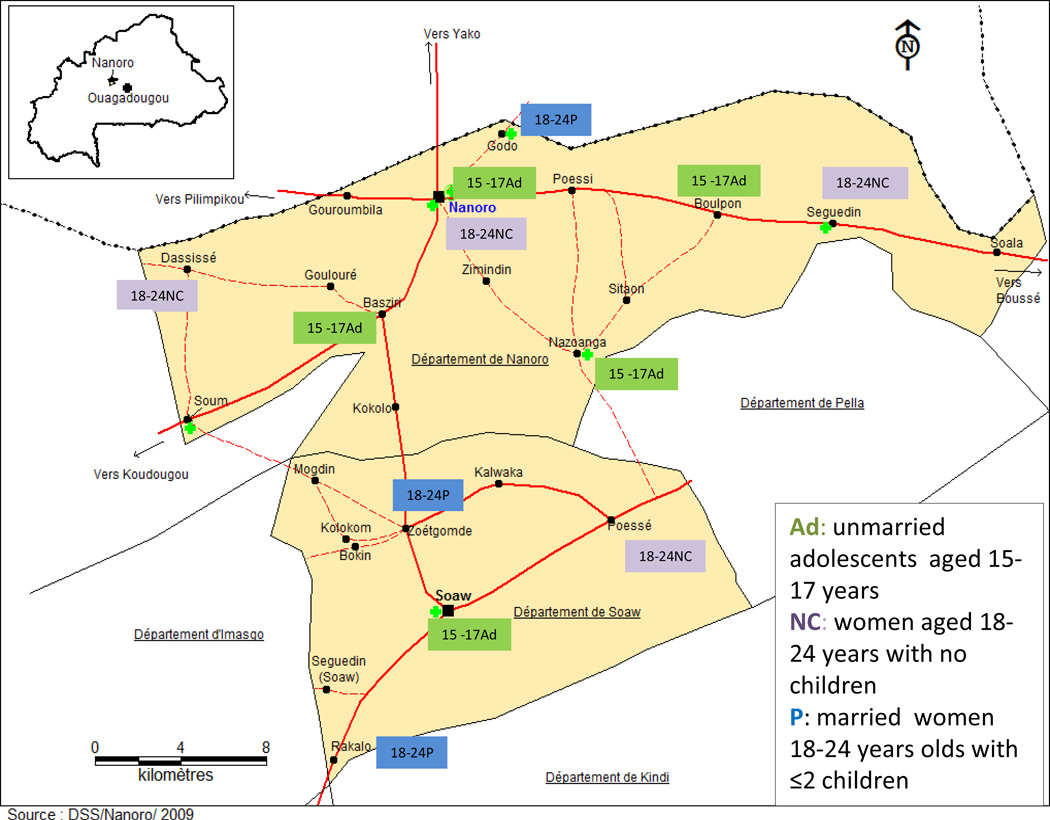
Most pregnant women in Burkina Faso are iron deficient and many are anemic. This study assessed women's understanding of anemia and the role of iron in preventing and treating this condition. A qualitative study was conducted within a randomized controlled trial of weekly iron supplementation in a rural malaria endemic area. Focus groups with women of similar age, parity, and marital status took place in 12 of 24 study villages. Two additional focus groups were conducted with female field workers. Tape-recorded transcripts were translated into French and analyzed using Framework analysis. Anemia, for which no Mooré term or traditional treatment for anemia was evident, was described in terms of blood volume. Moderate blood loss (diminished blood) could be easily replaced by eating well and was not considered serious. Massive blood loss (finished blood) was a rare, life-threatening illness. Iron tablets could increase blood volume and help women withstand massive blood loss at delivery, but for the latter, transfusion was indicated. Women had no knowledge of iron's role and did not readily concede that iron supplements contained elemental iron. Neither adolescents nor field workers were convinced of the benefits of supplementing non-pregnant adolescents, who were incorrectly considered to be at low risk of anemia. Young women's knowledge of anemia did not provide an adequate explanatory framework to motivate anemia prevention. Improving information on the role of iron is especially important for adolescent girls who may be incorrectly considered at low risk of anemia as they have not yet experienced pregnancy.
Figures
References
-
- de Benoist B, McLean E, Egli I, Cogswell M, editors. World Health Organisation. Worldwide Prevalence of Anaemia 1993–2005. WHO Global Data Base on Anaemia. Geneva, Switzerland: 2008.
-
- Sanou D, Turgeon-O'Brien H, Desrosiers T. Nutrition intervention and adequate hygiene practices to improve iron status of vulnerable preschool Burkinabe children. Nutrition. 2010;26:68–74. - PubMed
-
- Ouédraogo HZ, Traoré T, Zèba; AN, Dramaix-Wilmet M, Hennart P, Donnen P. Effect of an improved local ingredient-based complementary food fortified or not with iron and selected multiple micronutrients on Hb concentration. Public Health Nutrition. 2010;13:1923–1930. - PubMed
-
- Rohner F, Zimmermann MB, Amon RJ, Vounatsou P, Tschannen AB, N’Goran EK, Nindjin C, Cacou MC, Té-Bonlé MD, Aka H, Sess DE, Utzinger J, Hurrell RF. In a randomized controlled trial of iron fortification, anthelmintic treatment, and intermittent preventive treatment of malaria for anemia control in Ivorian children, only anthelmintic treatment shows modest benefit. Journal of Nutrition. 2010;140:635–641. - PubMed
-
- Pena-Rosas JP, Viteri FE. Effects and safety of preventive oral iron or iron and folic acid supplementation for women during pregnancy (Review) The Cochrane Library. 2009;(Issue 4) - PubMed
Publication types
MeSH terms
Substances
Grants and funding
LinkOut - more resources
Full Text Sources
Other Literature Sources
