


An epidemiological analysis of acute flaccid paralysis and its surveillance system in Iraq, 1997-2011
- PMID: 25141887
- PMCID: PMC4159501
- DOI: 10.1186/1471-2334-14-448
An epidemiological analysis of acute flaccid paralysis and its surveillance system in Iraq, 1997-2011
Abstract
Background: Acute flaccid paralysis surveillance (AFP) is an essential strategy of the WHO's Polio Eradication Initiative. This is the first study conducted to estimate the incidence, etiology, distribution, and surveillance performance of AFP in Iraq.
Methods: Surveillance data about the AFP cases under the age of 15 years reported from Iraq during January 1997 to December 2011 were depended in the current study.
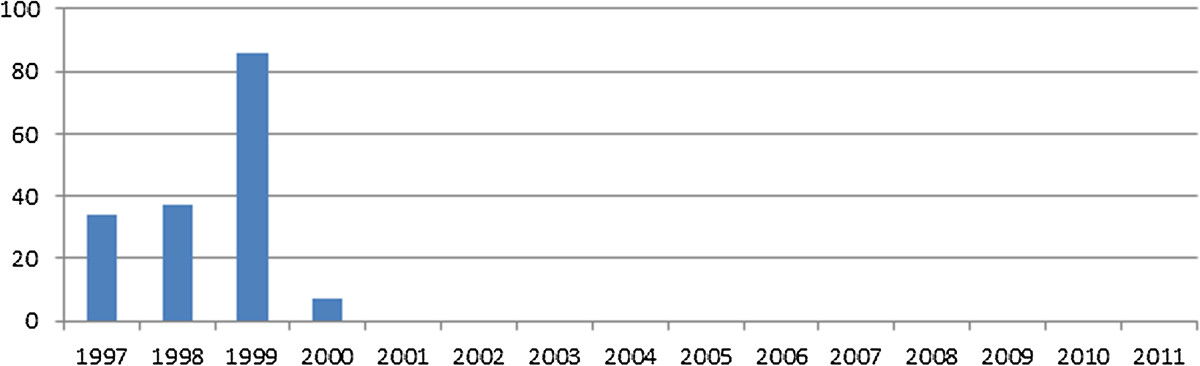
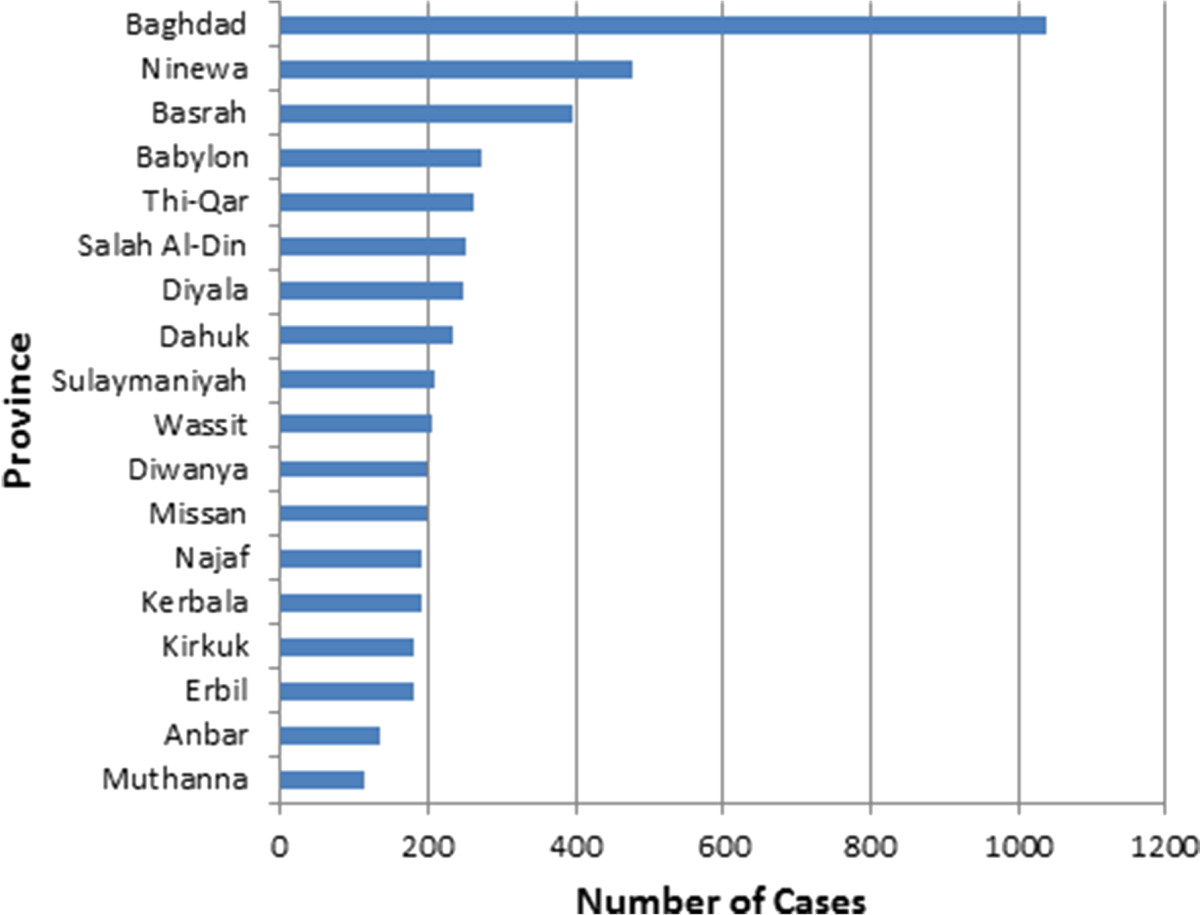
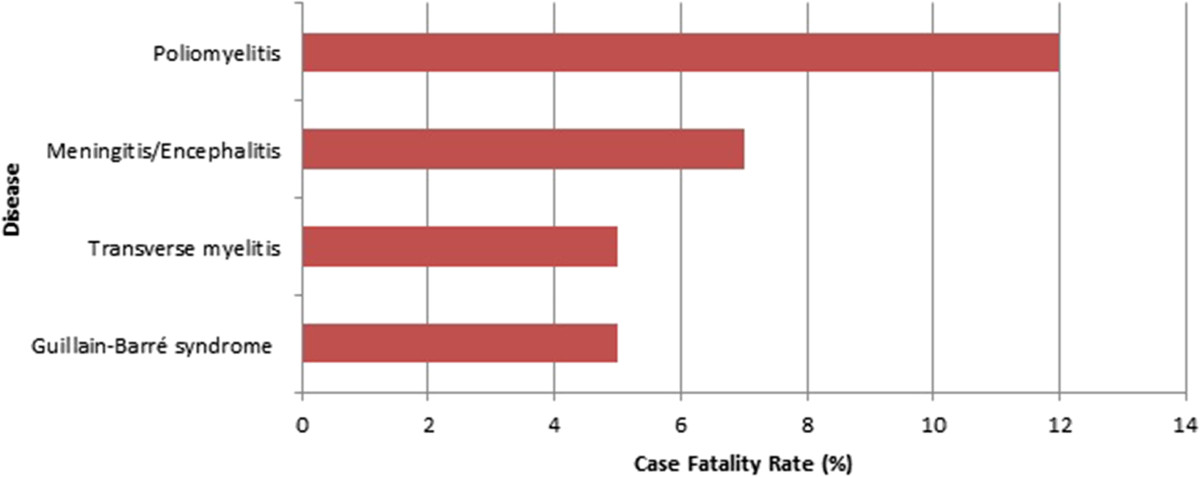
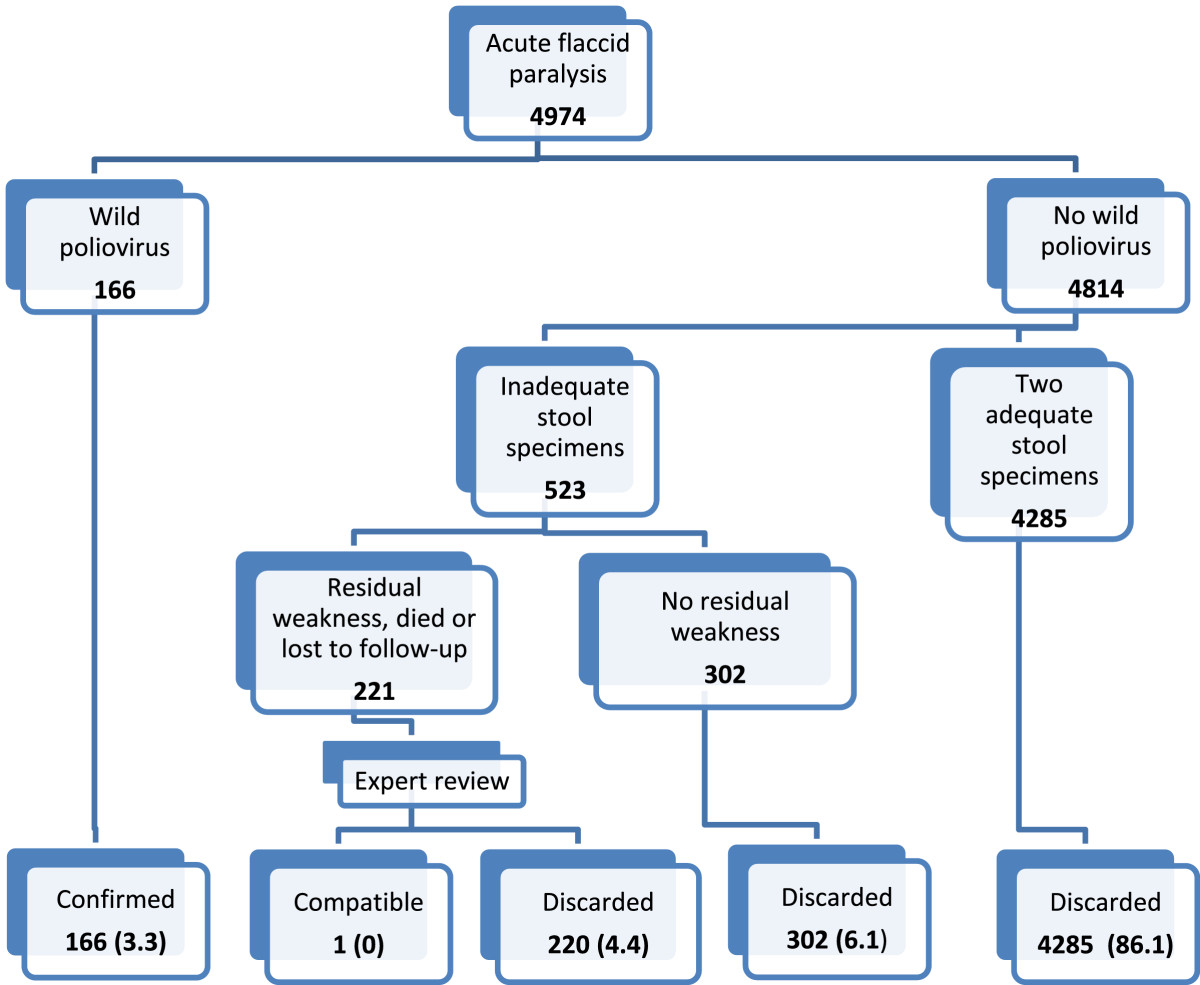
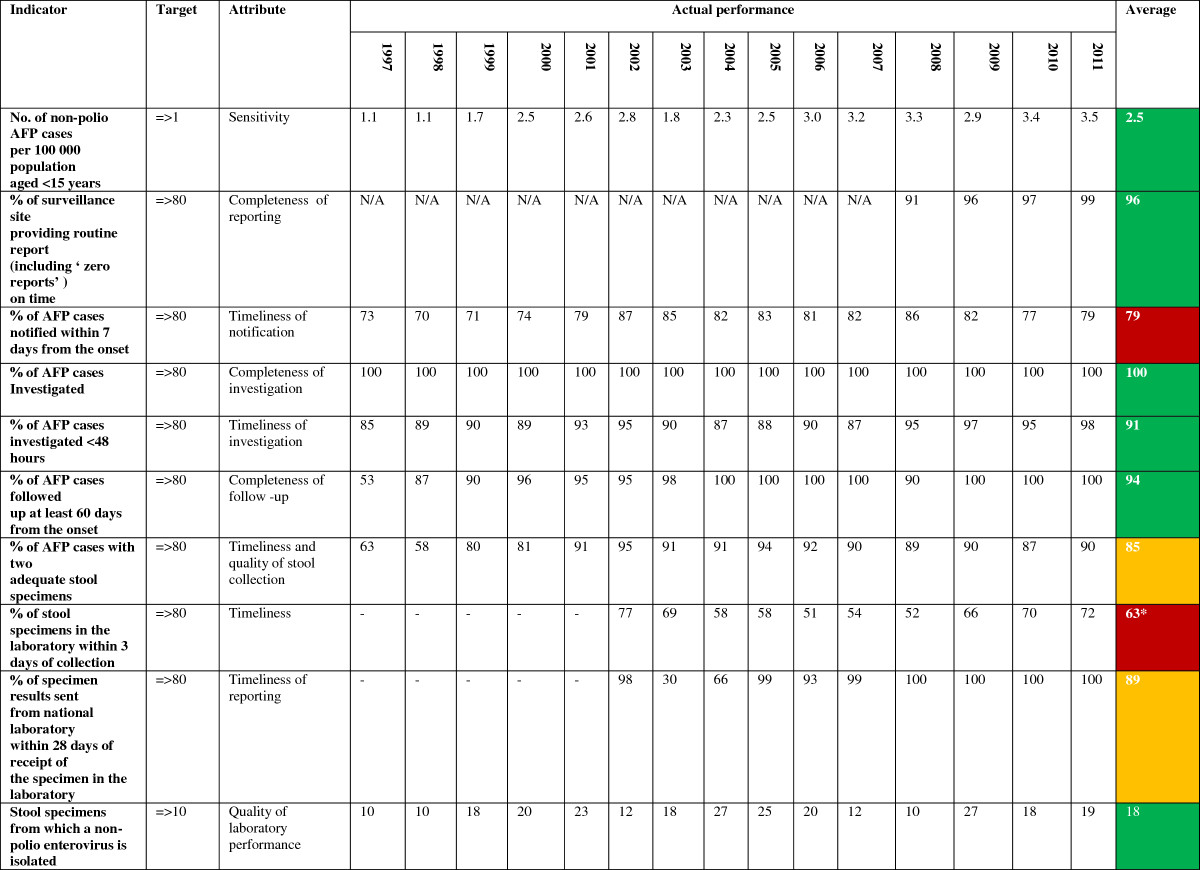
Results: A total of 4974 cases of AFP were reported from Iraq during the study period, with an annual incidence of 2.5/100,000 population. Guillain-Barré syndrome represented more than half of the reported cases (N = 2611, 52.5%), followed by traumatic neuritis (N = 715, 14.4%), and other CNS infections (N = 292, 5.9%). Poliomyelitis accounted for 166 (3.3%) of cases, the last reported case being in January 2000. Surveillance performance showed that all, but two, indicators were below the required WHO recommended levels.
Conclusions: AFP surveillance remains the gold standard method for poliomyelitis detection. It witnessed dramatic changes over the last two decades. This has raised people's and clinicians' awareness to the importance of promptness in notifying suspected cases and timely transportation of stool specimens to the National Poliovirus Laboratory in Baghdad, or alternatively having more than one laboratory for poliovirus detection in the country, all of which are very useful measures to increase the surveillance performance in the country.
Figures
References
-
- Behrman RE, Kliegman RM, Jenson H. Nelson’s Textbook of Pediatrics. Philadelphia. UAS: Saunders; 2004.
-
- Kasper DL, Fauci AS, Longo DL, Braunwald E, Hauser SL, Jameson JL. Harrison's Principles of Internal Medicine. New York, USA: McGraw-Hill Medical Publishing Division; 2005.
-
- Poliomyelitis. [http://www.who.int/mediacentre/factsheets/fs114/en/]
-
- WHO, Iraqi Ministry of Health . Accute flaccid paralysis field manual: For communicable diseases surveillance staff, republic of Iraq. Baghdad, Iraq: Iraqi Ministry of Health; 2009.
Pre-publication history
-
- The pre-publication history for this paper can be accessed here:http://www.biomedcentral.com/1471-2334/14/448/prepub
MeSH terms
LinkOut - more resources
Full Text Sources
Other Literature Sources
Medical
