


Outcome in primary cemented total knee arthroplasty with or without drain: A prospective comparative study
- PMID: 25143646
- PMCID: PMC4137520
- DOI: 10.4103/0019-5413.136285
Outcome in primary cemented total knee arthroplasty with or without drain: A prospective comparative study
Abstract
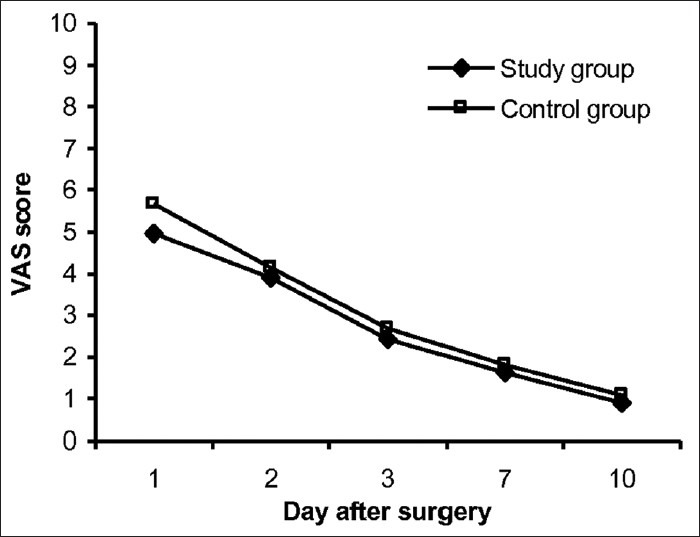
Background: Suction drain insertion is a common practice in orthopedic surgery, especially after joint arthroplasty to prevent the formation of a hematoma. Theoretically the use of a drain should diminish the volume of hematoma; however the literature has conflicting data. Some authors state that drainage evacuates fluid from a limited area only and can be a cause of infection due to retrograde migration of bacteria. It can also impair the early postoperative rehabilitation. The aim of this study was to evaluate the clinical outcome (especially postoperative pain) and intake of analgesics in patients who had undergone primary cemented total knee arthroplasty (TKA) with or without a postoperative drain.
Materials and methods: A prospective comparative study of 108 consecutive patients (121 knees) was conducted. They were divided into two groups: A study group, with no drainage and a control group with drain inserted at the end of surgery. A total of 121 patients were recruited into two groups. A study group consisted of 59 knees, in which we did not use drainage after TKA and a control group with 62 knees, in which drain was inserted post surgery. Both groups were comparable in terms of preoperative characteristics. The indication for TKA was osteoarthritis (n = 105) and rheumatoid arthritis (n = 16).
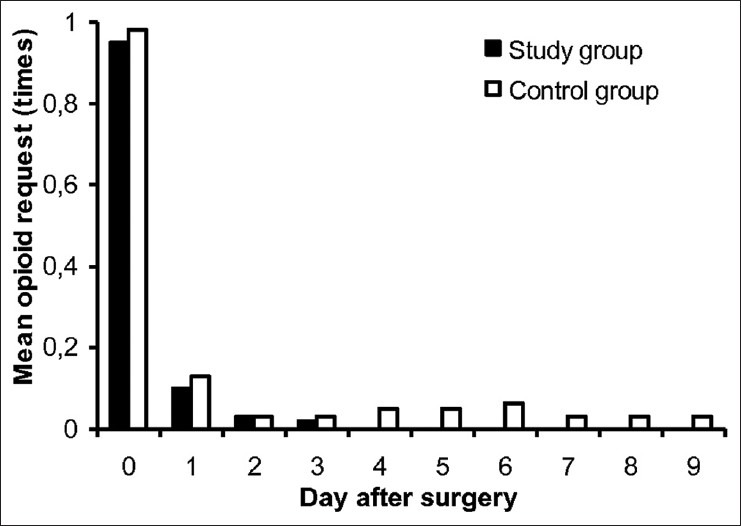
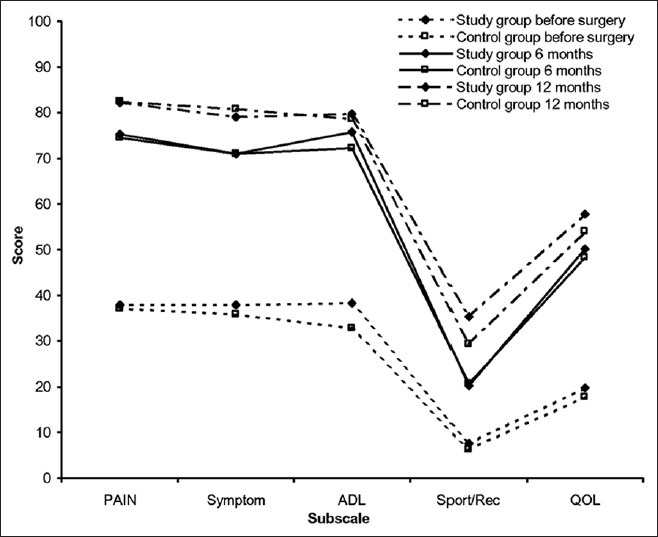
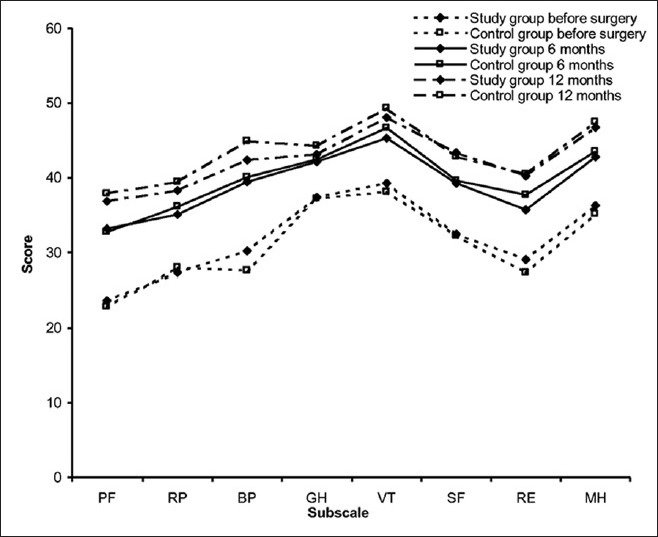
Results: In patients without drainage we observed lower need for opioids, higher blood loss on the 1(st) postoperative day and a lower need for change of dressings. There were no statistically significant differences in terms of total blood loss, hidden blood loss, transfusion rate, range of motion, length of hospital stay or incidence of complications between the two groups. In 1 year observation there were no differences in clinical outcome between the two groups.
Conclusions: The present study conclude that there is no rationale for the use of drain after primary TKA. There are benefits in terms of lower opioid intake, lower blood loss on the first postoperative day and lower need for dressing reinforcement during hospitalization.
Keywords: Arthroplasty; Blood loss; blood loss; drain; dressing reinforcement; knee; opioids; replacement; surgical drainage suction; total knee arthroplasty.
Conflict of interest statement
Figures
References
-
- Esler CN, Blakeway C, Fiddian NJ. The use of a closed-suction drain in total knee arthroplasty. A prospective, randomised study. J Bone Joint Surg Br. 2003;85:215–7. - PubMed
-
- Minnema B, Vearncombe M, Augustin A, Gollish J, Simor AE. Risk factors for surgical-site infection following primary total knee arthroplasty. Infect Control Hosp Epidemiol. 2004;25:477–80. - PubMed
-
- Parker MJ, Roberts CP, Hay D. Closed suction drainage for hip and knee arthroplasty. A meta-analysis. J Bone Joint Surg Am. 2004;86-A:1146–52. - PubMed
-
- Tucci G, Amorese V, Romanini E. Closed suction drainage after orthopaedic surgery: evidence versus practice. J Orthop Traumatol. 2006;7:29–32.
-
- Gross JB. Estimating allowable blood loss: Corrected for dilution. Anesthesiology. 1983;58:277–80. - PubMed
LinkOut - more resources
Full Text Sources
Other Literature Sources