Characterization of a novel insect-specific flavivirus from Brazil: potential for inhibition of infection of arthropod cells with medically important flaviviruses
- PMID: 25146007
- PMCID: PMC4582674
- DOI: 10.1099/vir.0.068031-0
Characterization of a novel insect-specific flavivirus from Brazil: potential for inhibition of infection of arthropod cells with medically important flaviviruses
Abstract
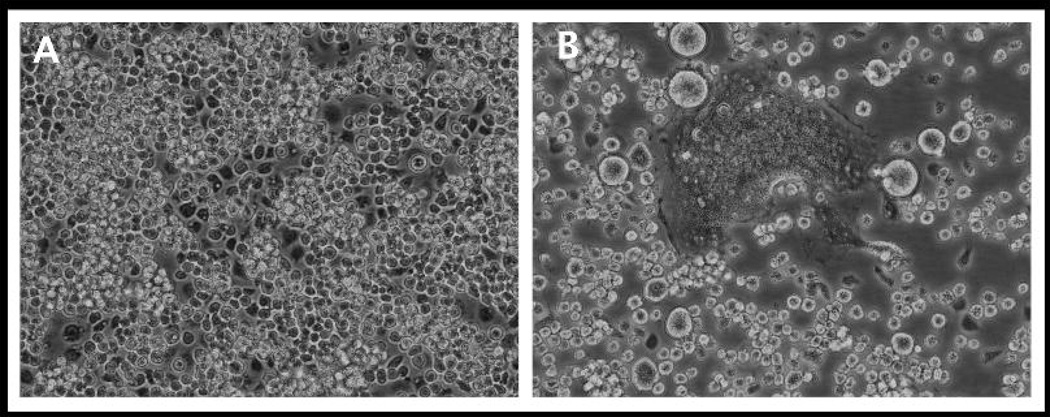
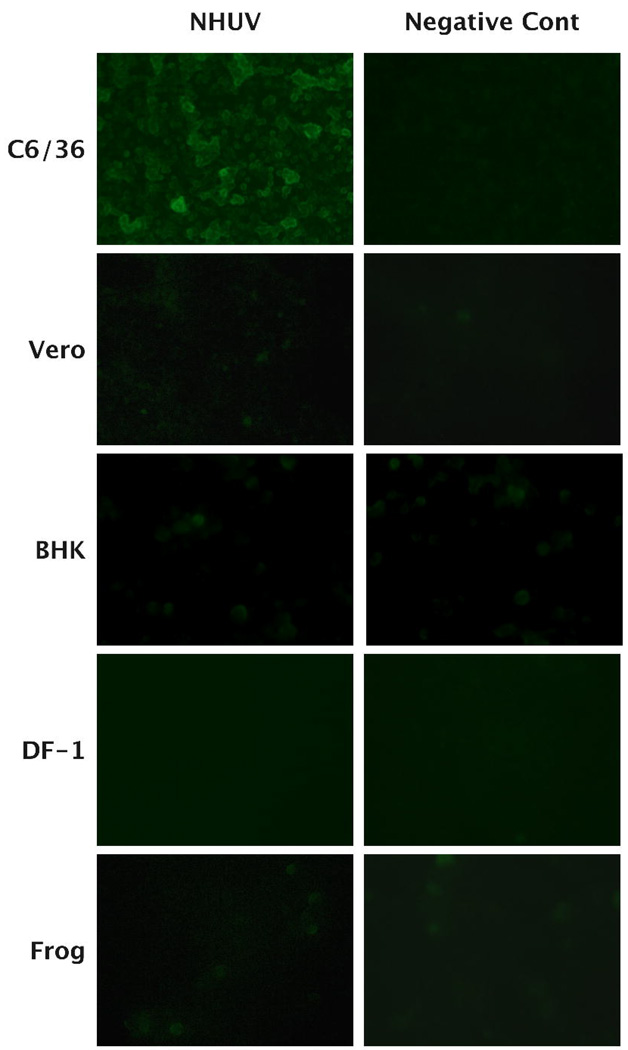
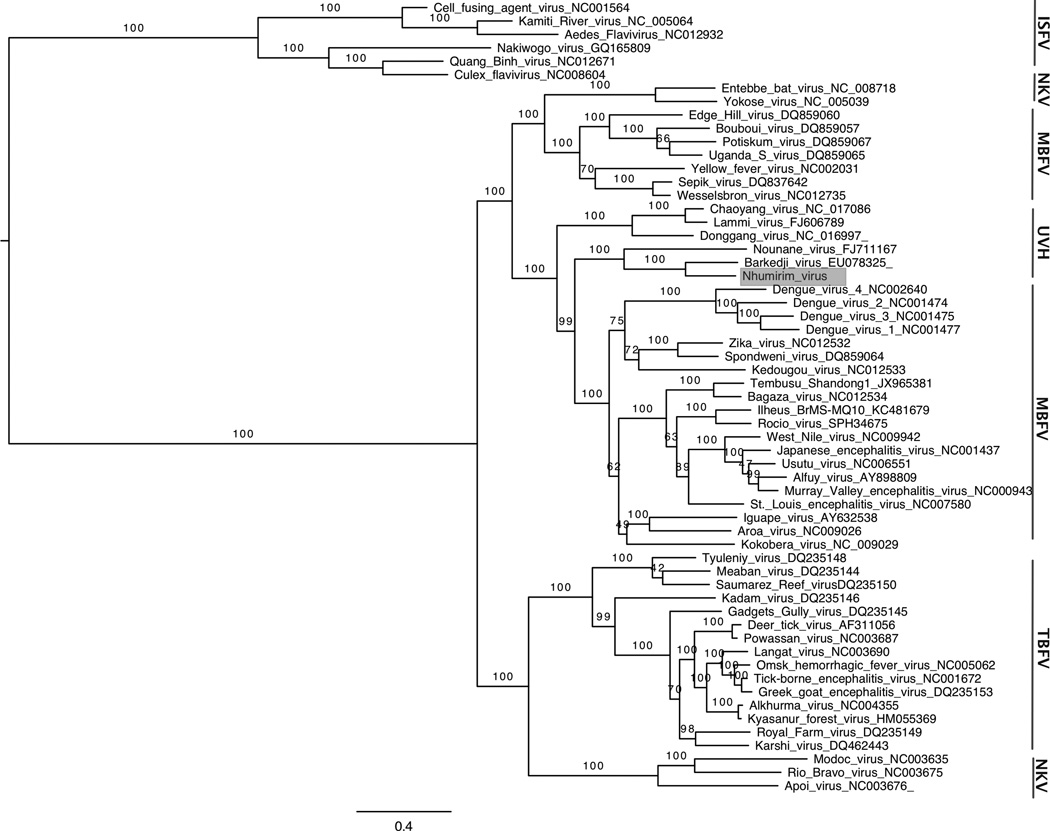
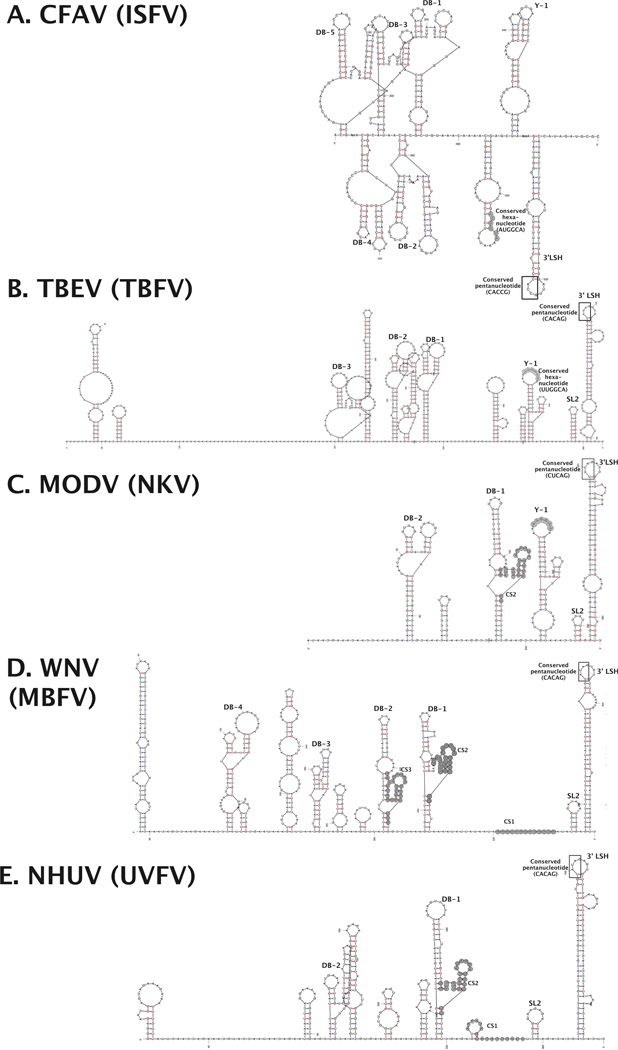
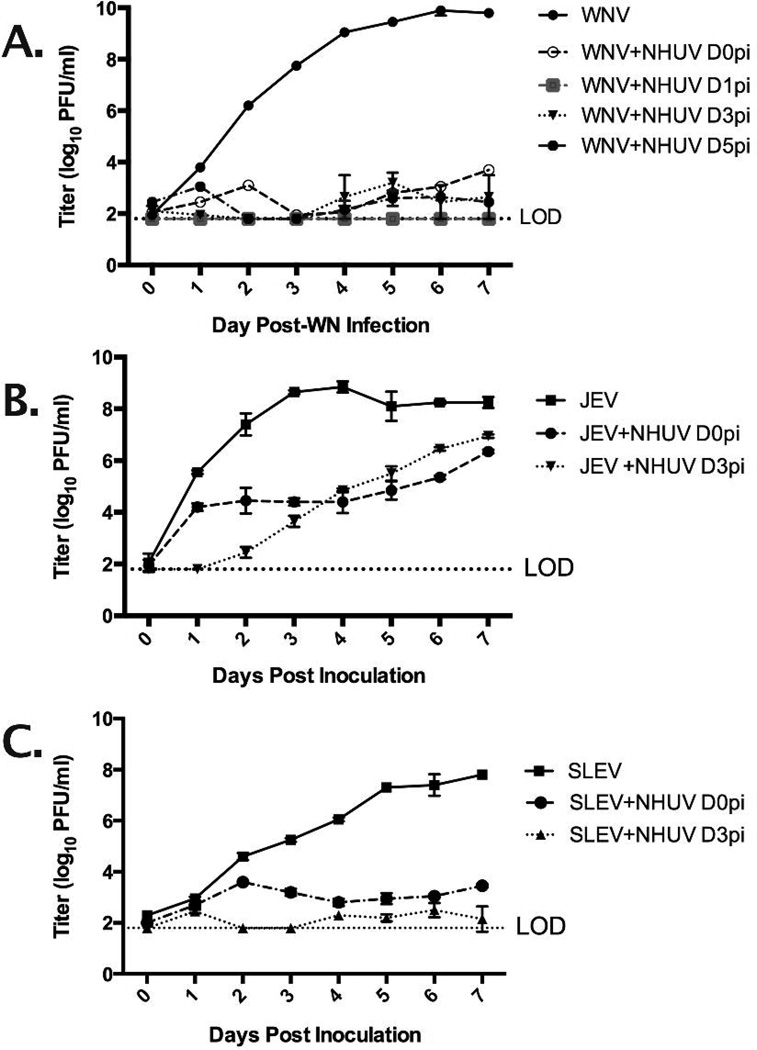
In the past decade, there has been an upsurge in the number of newly described insect-specific flaviviruses isolated pan-globally. We recently described the isolation of a novel flavivirus (tentatively designated 'Nhumirim virus'; NHUV) that represents an example of a unique subset of apparently insect-specific viruses that phylogenetically affiliate with dual-host mosquito-borne flaviviruses despite appearing to be limited to replication in mosquito cells. We characterized the in vitro growth potential and 3' untranslated region (UTR) sequence homology with alternative flaviviruses, and evaluated the virus's capacity to suppress replication of representative Culex spp.-vectored pathogenic flaviviruses in mosquito cells. Only mosquito cell lines were found to support NHUV replication, further reinforcing the insect-specific phenotype of this virus. Analysis of the sequence and predicted RNA secondary structures of the 3' UTR indicated NHUV to be most similar to viruses within the yellow fever serogroup and Japanese encephalitis serogroup, and viruses in the tick-borne flavivirus clade. NHUV was found to share the fewest conserved sequence elements when compared with traditional insect-specific flaviviruses. This suggests that, despite apparently being insect specific, this virus probably diverged from an ancestral mosquito-borne flavivirus. Co-infection experiments indicated that prior or concurrent infection of mosquito cells with NHUV resulted in a significant reduction in virus production of West Nile virus (WNV), St Louis encephalitis virus (SLEV) and Japanese encephalitis virus. The inhibitory effect was most effective against WNV and SLEV with over a 10(6)-fold and 10(4)-fold reduction in peak titres, respectively.
© 2014 The Authors.
Figures
References
-
- Almiron WR, Brewer MM. [Host preference of Culicidae (Diptera) collected in central Argentina] Revista de saude publica. 1995;29:108–114. - PubMed
-
- Aranda C, Sanchez-Seco MP, Caceres F, Escosa R, Galvez JC, Masia M, Marques E, Ruiz S, Alba A, Busquets N, Vazquez A, Castella J, Tenorio A. Detection and monitoring of mosquito flaviviruses in Spain between 2001 and 2005. Vector Borne Zoonotic Dis. 2009;9:171–178. - PubMed
-
- Biacchesi S, Skiadopoulos MH, Yang L, Murphy BR, Collins PL, Buchholz UJ. Rapid human metapneumovirus microneutralization assay based on green fluorescent protein expression. J Virol Methods. 2005;128:192–197. - PubMed
Publication types
MeSH terms
Substances
Associated data
- Actions
Grants and funding
LinkOut - more resources
Full Text Sources
Other Literature Sources
Medical
Miscellaneous