


Aerobic exercise during pregnancy and presence of fetal-maternal heart rate synchronization
- PMID: 25162592
- PMCID: PMC4146588
- DOI: 10.1371/journal.pone.0106036
Aerobic exercise during pregnancy and presence of fetal-maternal heart rate synchronization
Abstract
It has been shown that short-term direct interaction between maternal and fetal heart rates may take place and that this interaction is affected by the rate of maternal respiration. The aim of this study was to determine the effect of maternal aerobic exercise during pregnancy on the occurrence of fetal-maternal heart rate synchronization.
Methods: In 40 pregnant women at the 36th week of gestation, 21 of whom exercised regularly, we acquired 18 min. RR interval time series obtained simultaneously in the mothers and their fetuses from magnetocardiographic recordings. The time series of the two groups were examined with respect to their heart rate variability, the maternal respiratory rate and the presence of synchronization epochs as determined on the basis of synchrograms. Surrogate data were used to assess whether the occurrence of synchronization was due to chance.
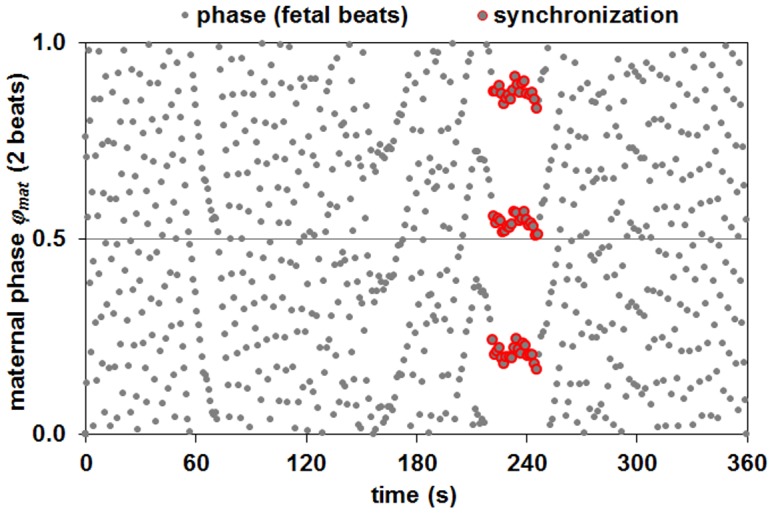
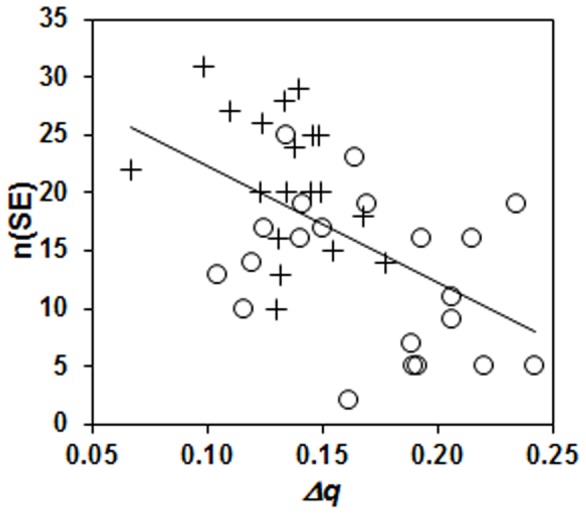
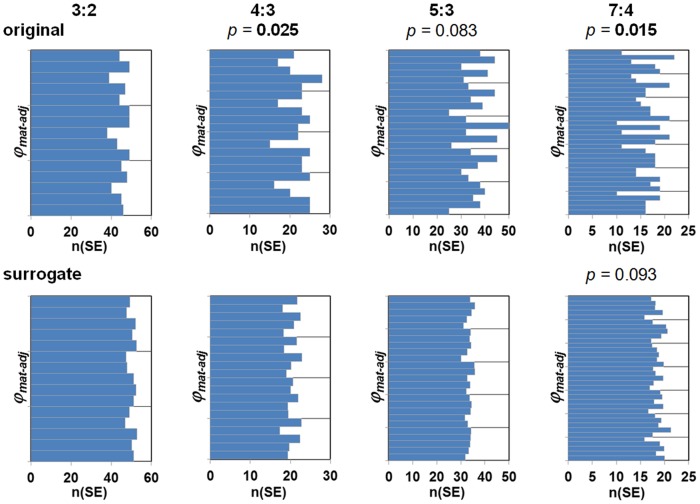
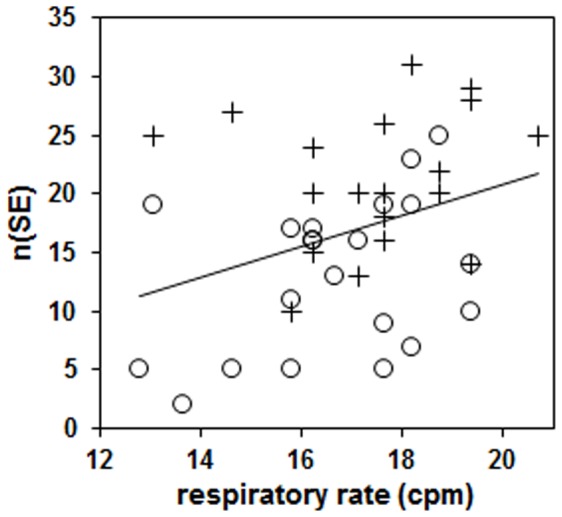
Results: In the original data, we found synchronization occurred less often in pregnancies in which the mothers had exercised regularly. These subjects also displayed higher combined fetal-maternal heart rate variability and lower maternal respiratory rates. Analysis of the surrogate data showed shorter epochs of synchronization and a lack of the phase coordination found between maternal and fetal beat timing in the original data.
Conclusion: The results suggest that fetal-maternal heart rate coupling is present but generally weak. Maternal exercise has a damping effect on its occurrence, most likely due to an increase in beat-to-beat differences, higher vagal tone and slower breathing rates.
Conflict of interest statement
Figures
References
-
- van Geijn HP, Jongsma HW, de Haan J, Eskes TK, Prechtl HF (1980) Heart rate as an indicator of the behavioral state. Studies in the newborn infant and prospects for fetal heart rate monitoring. Am J Obstet Gynecol 136: 1061–1066. - PubMed
-
- Nijhuis JG, Prechtl HF, Martin CB, Bots RS (1982) Are there behavioural states in the human fetus? Early Hum Dev 6: 177–195. - PubMed
-
- Pillai M, James D (1990) The development of fetal heart rate patterns during normal pregnancy. Ob stet Gynecol 76: 812–816. - PubMed
-
- DeCasper AJ, Lecanuet JP, Busnel MC, Granier-Deferre C, Maugeais R (1994) Fetal reactions to re current maternal speech. Infant Behavior and Development 17: 159–159.
-
- Lecanuet JP, Graniere-Deferre C, Jacquet AY, DeCasper AJ (2000) Fetal discrimination of low-pitched musical notes. Dev Psychobiol 36: 29–39. - PubMed
Publication types
MeSH terms
Grants and funding
LinkOut - more resources
Full Text Sources
Other Literature Sources
Medical
