


Pistacia chinensis: a potent ameliorator of CCl₄ induced lung and thyroid toxicity in rat model
- PMID: 25180176
- PMCID: PMC4144083
- DOI: 10.1155/2014/192906
Pistacia chinensis: a potent ameliorator of CCl₄ induced lung and thyroid toxicity in rat model
Abstract
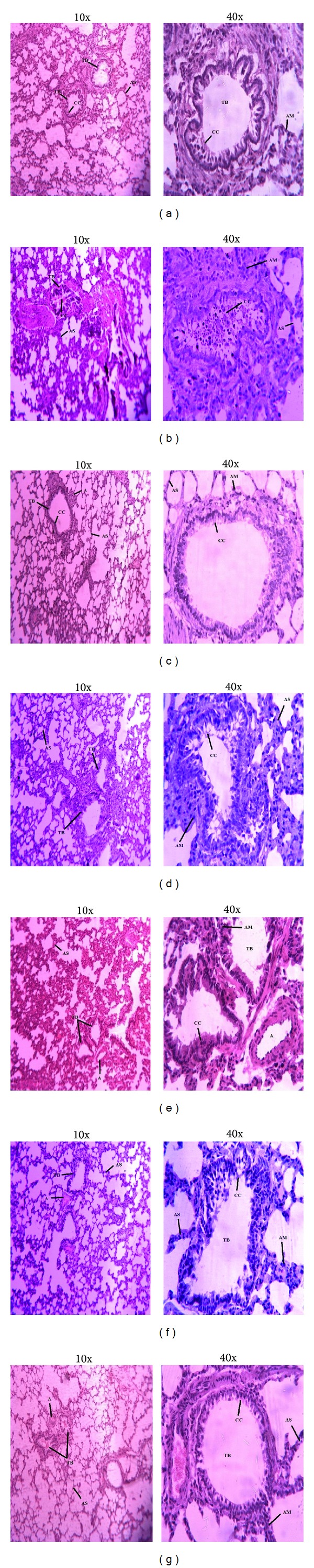
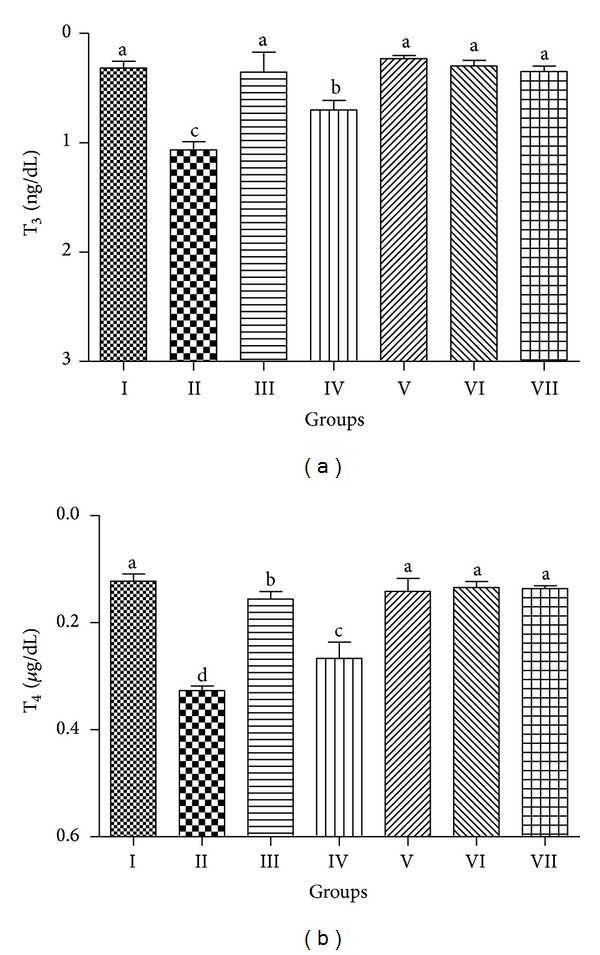
In the current study protective effect of ethanol extract of Pistacia chinensis bark (PCEB) was investigated in rats against CCl4 induced lung and thyroid injuries. PCEB dose dependently inhibited the rise of thiobarbituric acid-reactive substances, hydrogen peroxide, nitrite, and protein content and restored the levels of antioxidant enzymes, that is, catalase, peroxidase, superoxide dismutase, glutathione-S-transferase, glutathione reductase, glutathione peroxidase, γ-glutamyl transpeptidase, and quinone reductase in both lung and thyroid tissues of CCl4 treated rats. Decrease in number of leukocytes, neutrophils, and hemoglobin and T3 and T4 content as well as increase in monocytes, eosinophils, and lymphocytes count with CCl4 were restored to normal level with PCEB treatment. Histological study of CCl4 treated rats showed various lung injuries like rupture of alveolar walls and bronchioles, aggregation of fibroblasts, and disorganized Clara cells. Similarly, histology of CCl4 treated thyroid tissues displayed damaged thyroid follicles, hypertrophy, and colloidal depletion. However, PCEB exhibited protective behaviour for lungs and thyroid, with improved histological structure in a dose dependant manner. Presence of three known phenolic compounds, that is, rutin, tannin, and gallic acid, and three unknown compounds was verified in thin layer chromatographic assessment of PCEB. In conclusion, P. chinensis exhibited antioxidant activity by the presence of free radical quenching constituents.
Figures

References
-
- Akhlaghi M, Bandy B. Mechanisms of flavonoid protection against myocardial ischemia-reperfusion injury. Journal of Molecular and Cellular Cardiology. 2009;46(3):309–317. - PubMed
-
- Poli G, Leonarduzzi G, Biasi F, Chiarpotto E. Oxidative stress and cell signalling. Current Medicinal Chemistry. 2004;11(9):1163–1182. - PubMed
-
- Abraham P, Wilfred G, Cathrine SP. Oxidative damage to the lipids and proteins of the lungs, testis and kidney of rats during carbon tetrachloride intoxication. Clinica Chimica Acta. 1999;289(1-2):177–179. - PubMed
-
- Gorinstein S, Yamamoto K, Katrich E, et al. Antioxidative properties of Jaffa sweeties and grapefruit and their influence on lipid metabolism and plasma antioxidative potential in rats. Bioscience, Biotechnology and Biochemistry. 2003;67(4):907–910. - PubMed
MeSH terms
Substances
LinkOut - more resources
Full Text Sources
Other Literature Sources
Medical
