


Serendipity and the discovery of novel compounds that restore mitochondrial plasticity
- PMID: 25188726
- PMCID: PMC4267688
- DOI: 10.1038/clpt.2014.174
Serendipity and the discovery of novel compounds that restore mitochondrial plasticity
Abstract
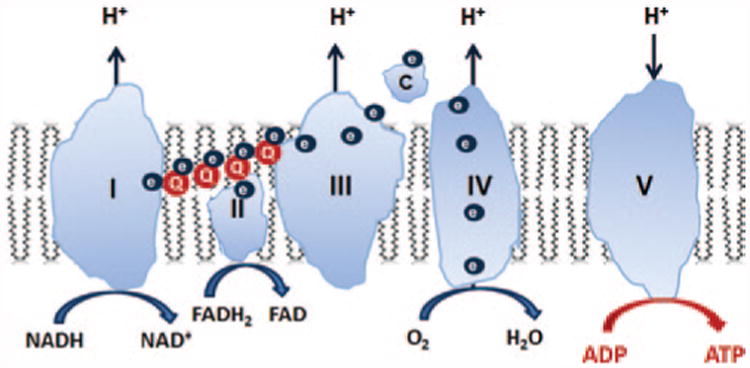
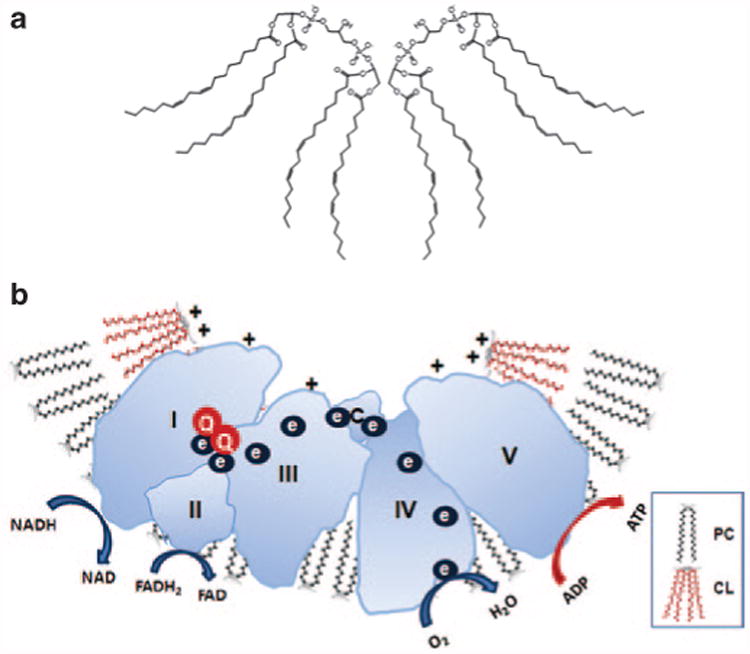
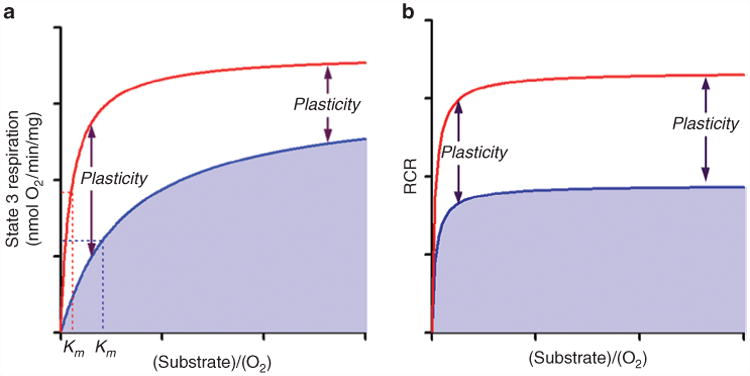
The mitochondrial electron transport chain (ETC) plays a central role in energy generation in the cell. Mitochondrial dysfunctions diminish adenosine triphosphate (ATP) production and result in insufficient energy to maintain cell function. As energy output declines, the most energetic tissues are preferentially affected. To satisfy cellular energy demands, the mitochondrial ETC needs to be able to elevate its capacity to produce ATP at times of increased metabolic demand or decreased fuel supply. This mitochondrial plasticity is reduced in many age-associated diseases. In this review, we describe the serendipitous discovery of a novel class of compounds that selectively target cardiolipin on the inner mitochondrial membrane to optimize efficiency of the ETC and thereby restore cellular bioenergetics in aging and diverse disease models, without any effect on the normal healthy organism. The first of these compounds, SS-31, is currently in multiple clinical trials.
Conflict of interest statement
Figures
References
-
- Conley KE, Jubrias SA, Cress ME, Esselman P. Exercise efficiency is reduced by mitochondrial uncoupling in the elderly. Exp Physiol. 2013;98:768–777. - PubMed
-
- Szendroedi J, Phielix E, Roden M. The role of mitochondria in insulin resistance and type 2 diabetes mellitus. Nat Rev Endocrinol. 2012;8:92–103. - PubMed
Publication types
MeSH terms
Substances
Grants and funding
LinkOut - more resources
Full Text Sources
Other Literature Sources
