Role of ischemic preconditioning in hepatic ischemia-reperfusion injury
- PMID: 25202694
- PMCID: PMC4141290
- DOI: 10.3978/j.issn.2304-3881.2014.06.03
Role of ischemic preconditioning in hepatic ischemia-reperfusion injury
Abstract
Background: Investigation into less traumatic method of vascular occlusion during liver resection is the actual problem in hepatic surgery because of high level of complications such as liver failure. In this connection, the goal of our study was to determine the optimal model of vascular clamping. The research showed that vascular occlusion with ischemic preconditioning in the mode 5/10/15 the most delicate technique.
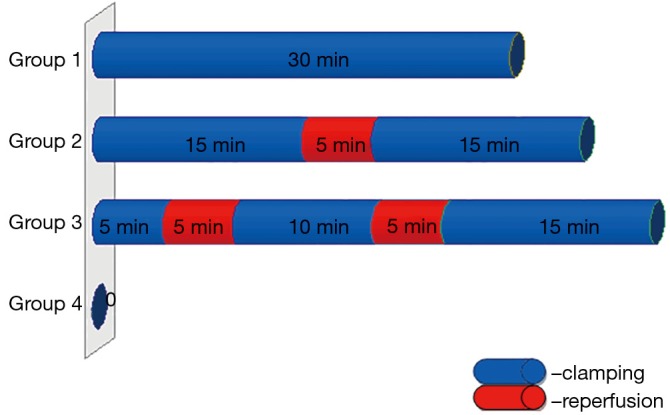
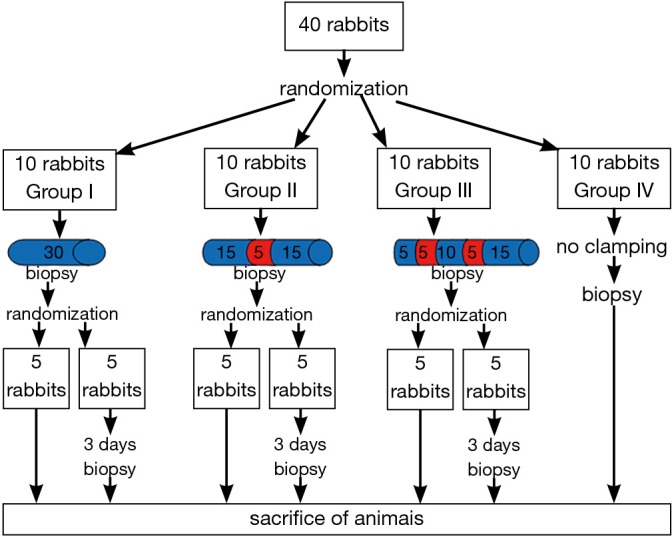
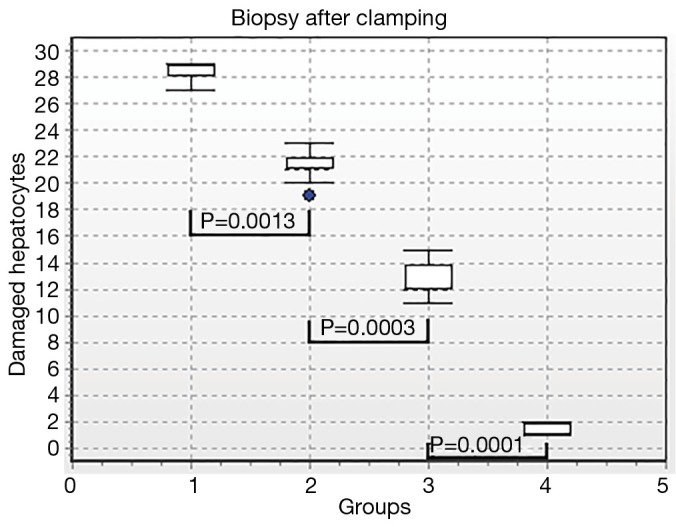
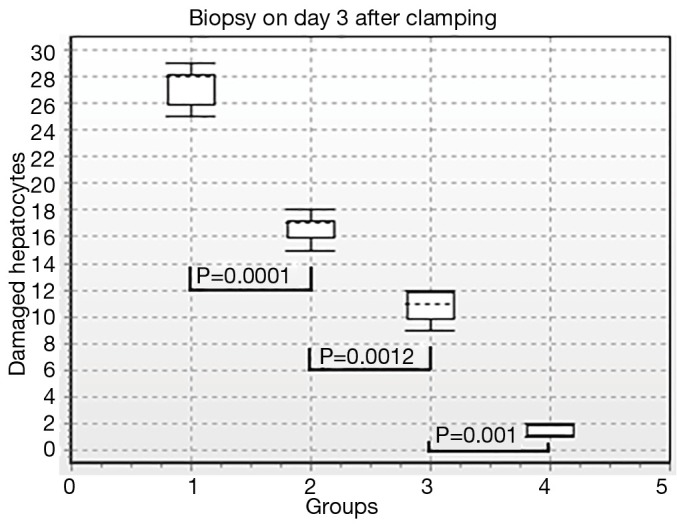
Methods: Forty white giant rabbits were divided randomly into four groups (n=10 in each group). In group I we used continuous Pringle maneuver by 30 min. In group II we used intermittent Pringle maneuver: 15 min of clamping/5 min of unclamping (reperfusion)/15 min of clamping. In group III we used intermittent Pringle maneuver with ischemic precondition: 5 min of ischemia/5 min of reperfusion, 10 min of ischemia/5 min of reperfusion/15 min of ischemia. Group IV (control group) is without hepatic ischemia. All animals were performed a liver biopsy at the end of the surgery. Five rabbits from each group underwent re-laparotomy on day 3 after surgery with biopsy samples being taken for studying reparative processes in liver parenchyma.
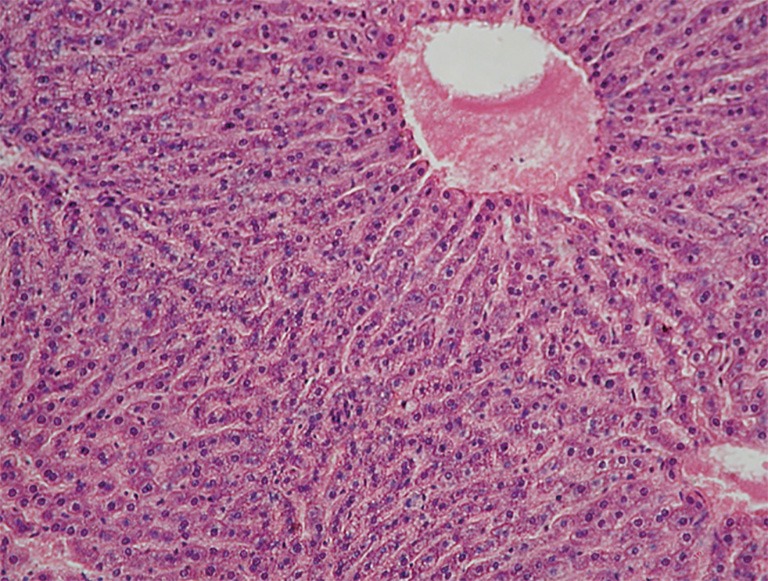
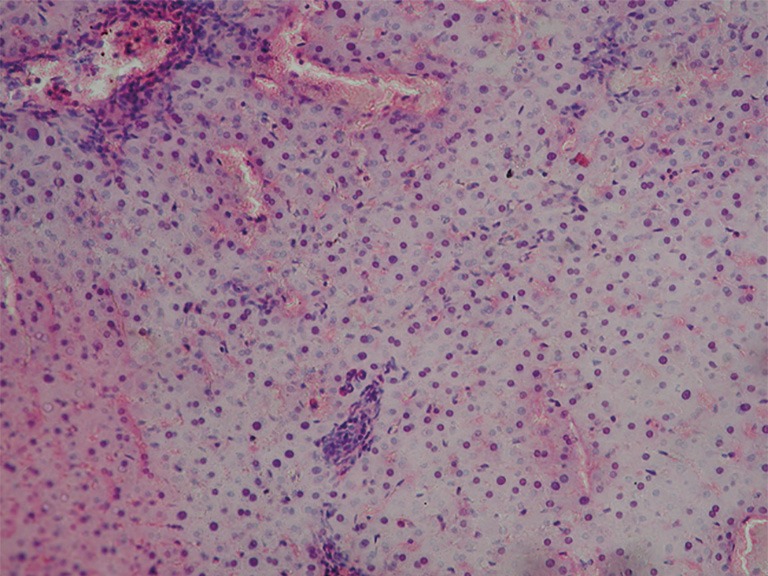
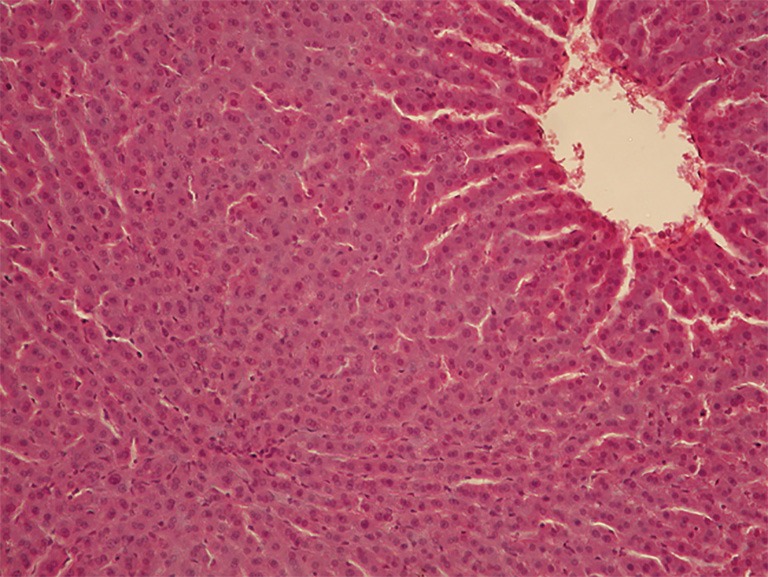
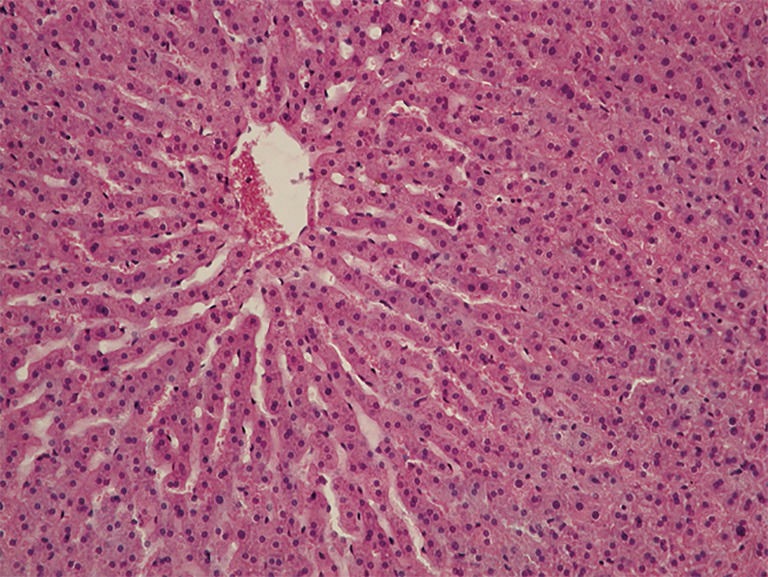
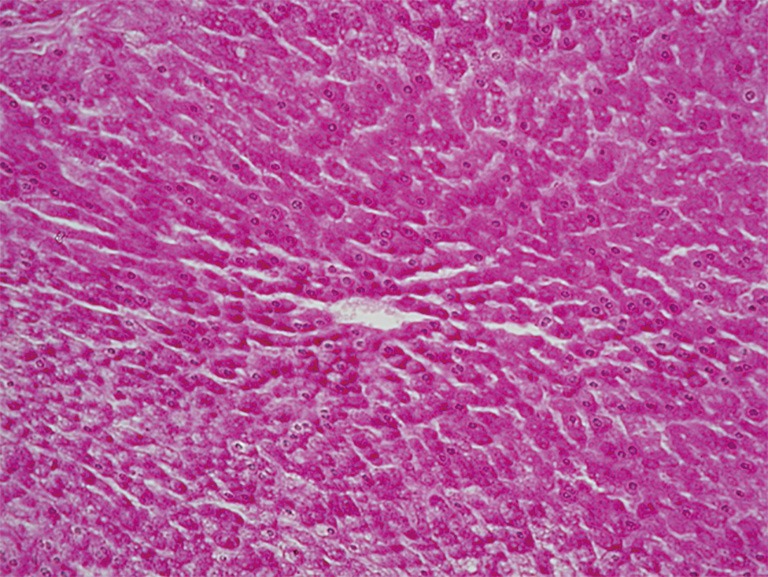
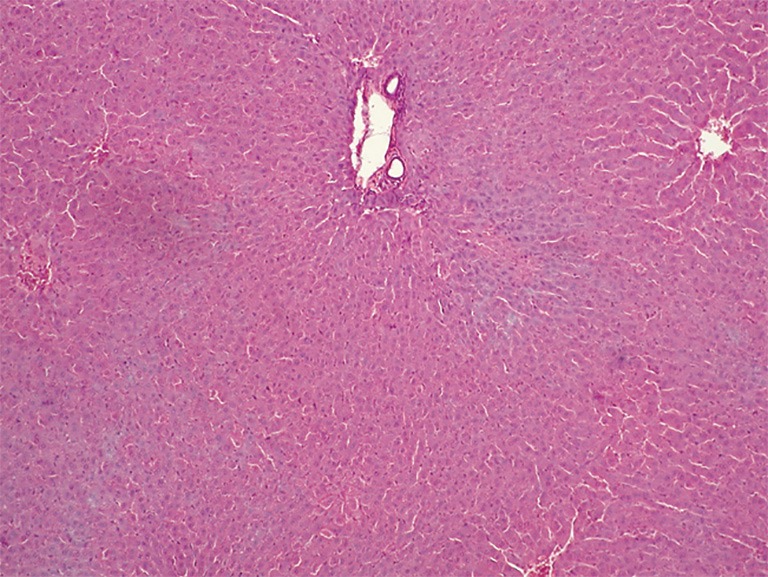
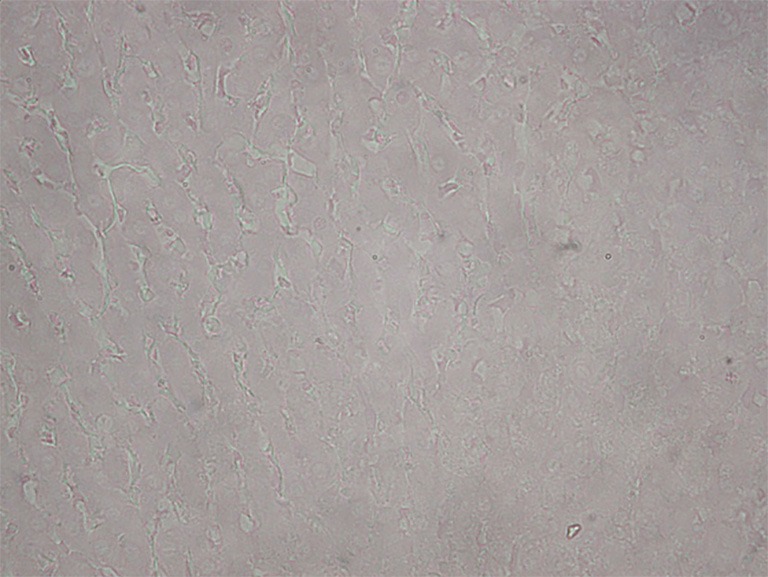
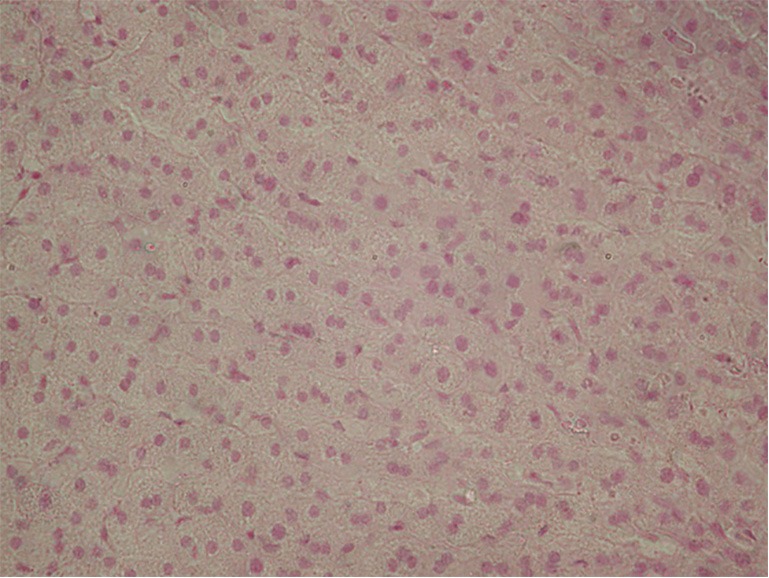
Results: Results of morphometric analysis were the best to illustrate different level of liver injury in the groups. Thus, there were 95.5% damaged hepatocytes after vascular occlusion in hepatic preparations in group I, 70.3% damaged hepatocytes in group II, and 42.3% damaged hepatocytes in group III. There were 5.3% damaged hepatocytes in the control group.
Conclusions: Vascular occlusion with ischemic preconditioning in the mode 5/10/15 the most delicate technique that does not involve major structural injuries and functional disorders in the remnant liver. Thus, it is amenable to translation into clinical practice and may improve outcomes in liver resection with inflow vascular occlusion.
Keywords: Liver resection; Pringle maneuver; ischemia-reperfusion injury; ischemic preconditioning; vascular occlusion.
Figures
References
-
- Lau WY, Lai EC, Lau SH. Methods of vascular control technique during liver resection: a comprehensive review. Hepatobiliary Pancreat Dis Int 2010;9:473-81 - PubMed
-
- Gurusamy KS, Sheth H, Kumar Y, et al. Methods of vascular occlusion for elective liver resections. Cochrane Database Syst Rev 2009;(1):CD007632. - PubMed
LinkOut - more resources
Full Text Sources