


Aggressive Behavior Problems in Children with Autism Spectrum Disorders: Prevalence and Correlates in a Large Clinical Sample
- PMID: 25221619
- PMCID: PMC4160737
- DOI: 10.1016/j.rasd.2014.05.006
Aggressive Behavior Problems in Children with Autism Spectrum Disorders: Prevalence and Correlates in a Large Clinical Sample
Abstract
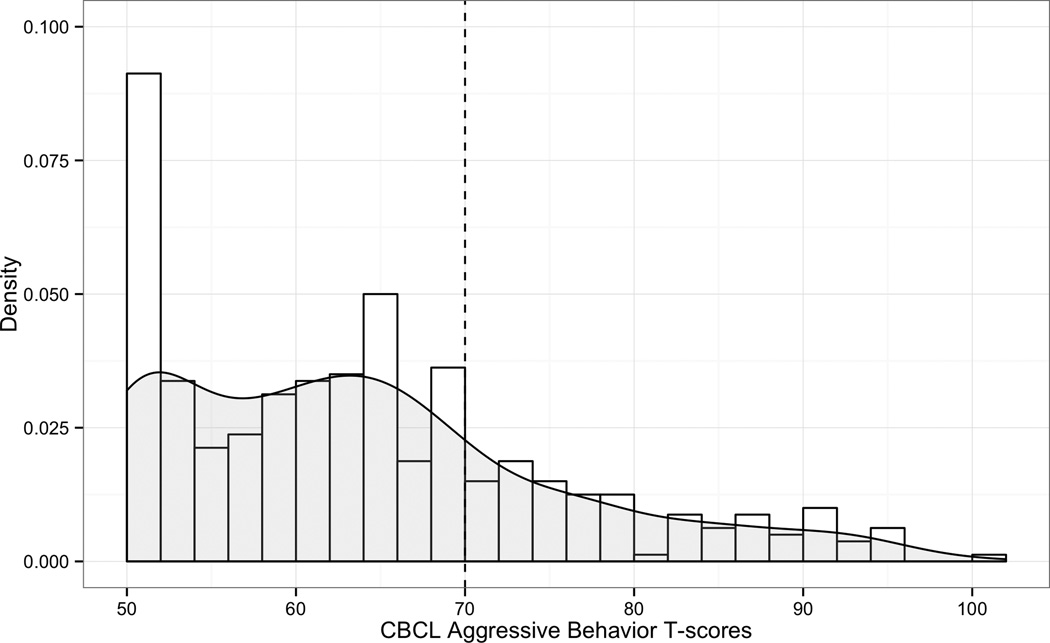
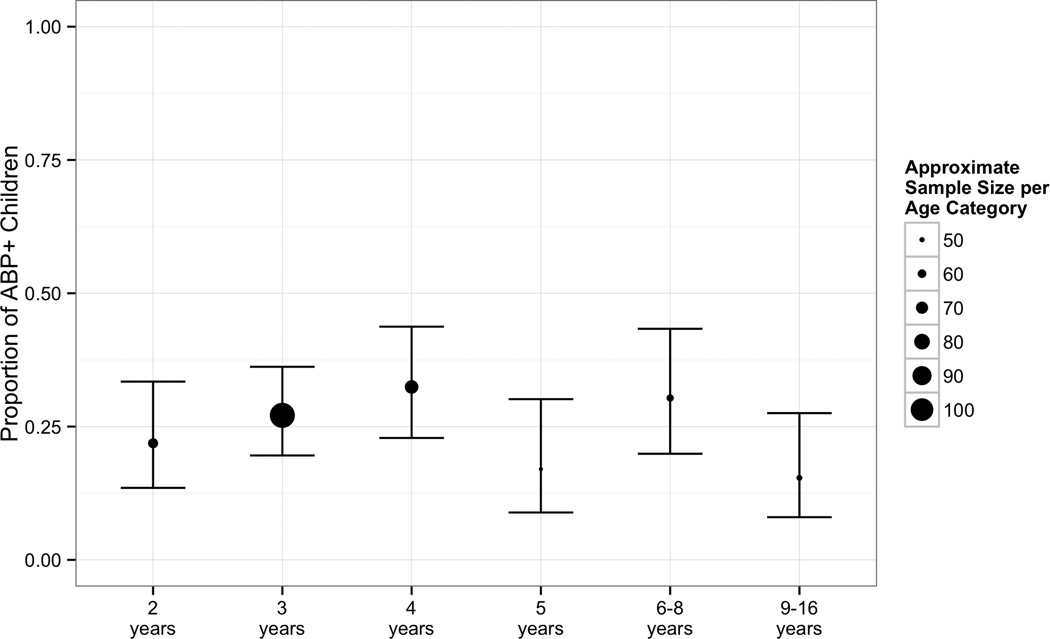
Aggressive behavior problems (ABP) are frequent yet poorly understood in children with Autism Spectrum Disorders (ASD) and are likely to co-vary significantly with comorbid problems. We examined the prevalence and sociodemographic correlates of ABP in a clinical sample of children with ASD (N = 400; 2-16.9 years). We also investigated whether children with ABP experience more intensive medical interventions, greater impairments in behavioral functioning, and more severe comorbid problems than children with ASD who do not have ABP. One in four children with ASD had Child Behavior Checklist scores on the Aggressive Behavior scale in the clinical range (T-scores ≥ 70). Sociodemographic factors (age, gender, parent education, race, ethnicity) were unrelated to ABP status. The presence of ABP was significantly associated with increased use of psychotropic drugs and melatonin, lower cognitive functioning, lower ASD severity, and greater comorbid sleep, internalizing, and attention problems. In multivariate models, sleep, internalizing, and attention problems were most strongly associated with ABP. These comorbid problems may hold promise as targets for treatment to decrease aggressive behavior and proactively identify high-risk profiles for prevention.
Keywords: aggression; attention problems; autism spectrum disorders; internalizing problems; psychotropic drugs; sleep.
Figures
References
-
- Achenbach TM, Rescorla L. Manual for the ASEBA preschool forms & profiles: An integrated system of multi-informant assessment. Burlington, VT: ASEBA; 2000.
-
- Achenbach TM, Rescorla L. Manual for the ASEBA school-age forms & profiles: An integrated system of multi-informant assessment. Burlington, VT: ASEBA; 2001.
-
- American Psychiatric Association. Diagnostic and Statistical Manual of Mental Disorders. 4th ed.; text rev. Washington, DC: American Psychiatric Association; 2000.
Grants and funding
LinkOut - more resources
Full Text Sources
Other Literature Sources
Medical