


Clathrin-independent pathways do not contribute significantly to endocytic flux
- PMID: 25232658
- PMCID: PMC4185422
- DOI: 10.7554/eLife.03970
Clathrin-independent pathways do not contribute significantly to endocytic flux
Abstract
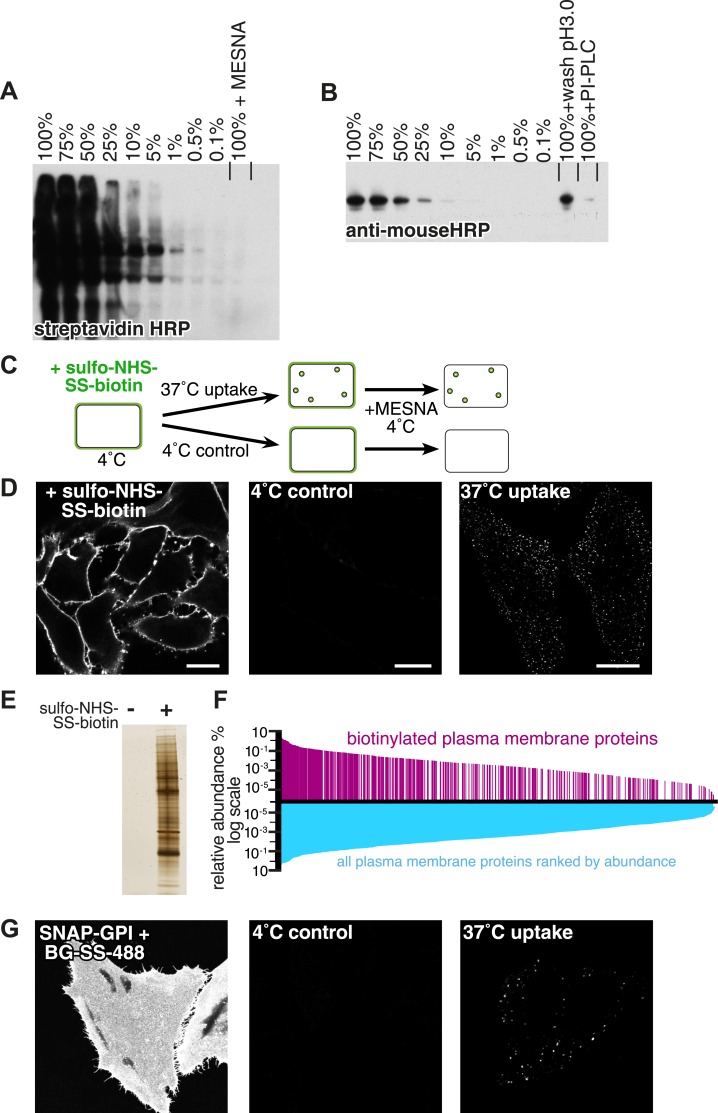
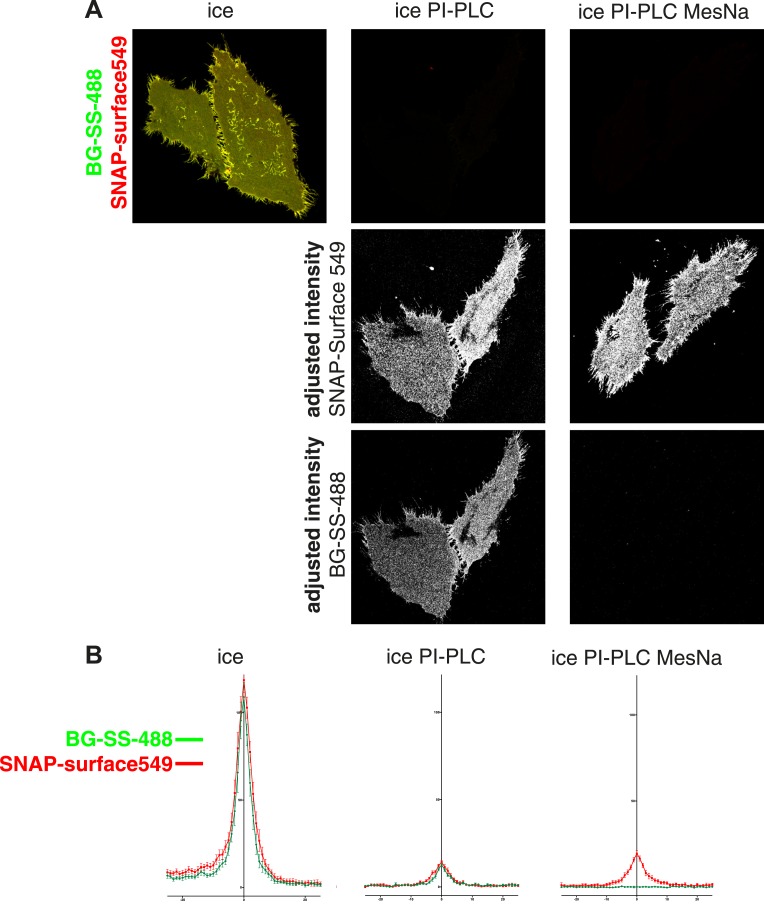
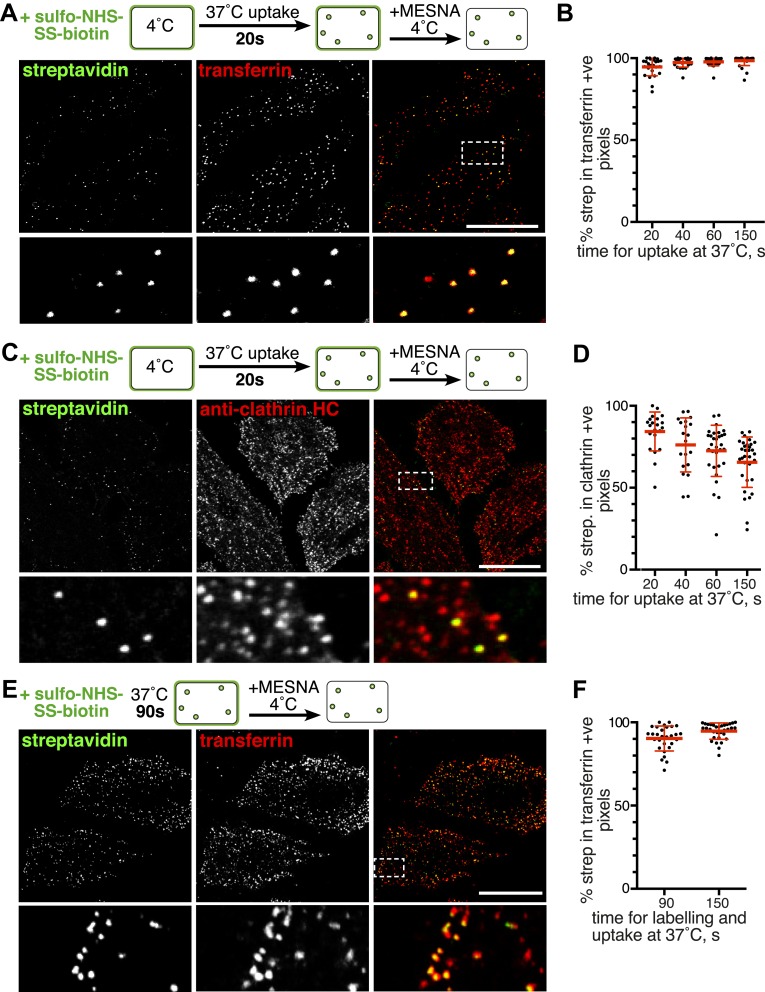
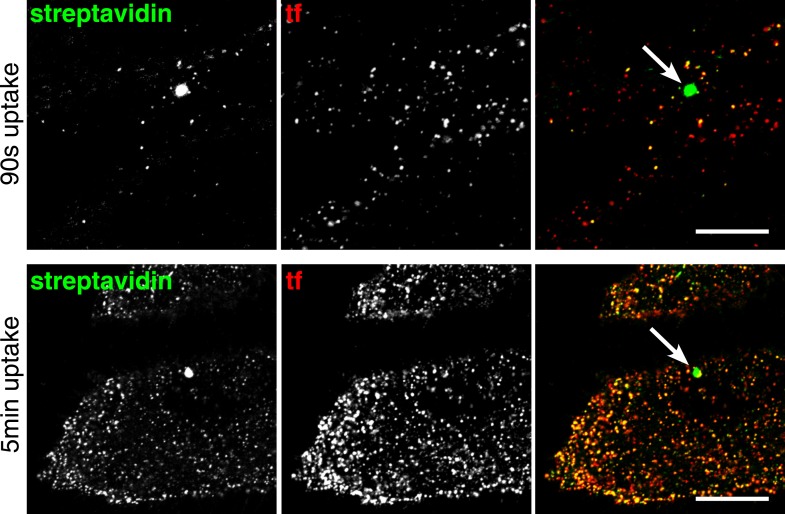
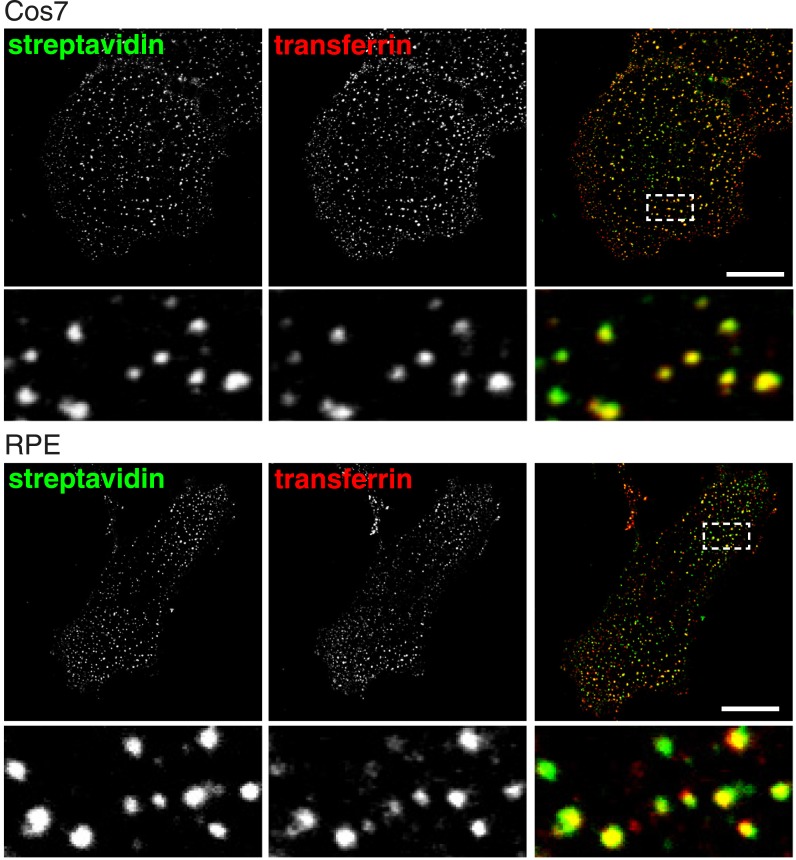
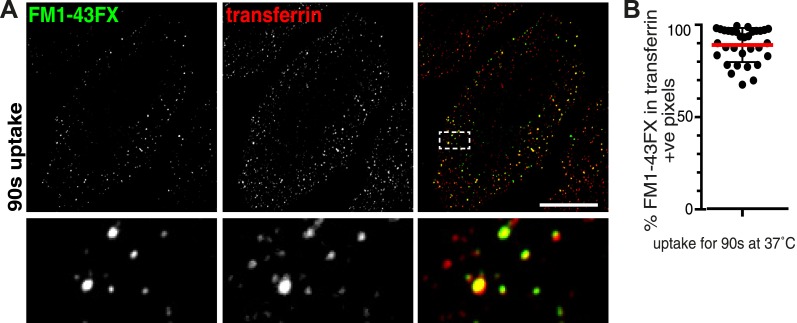
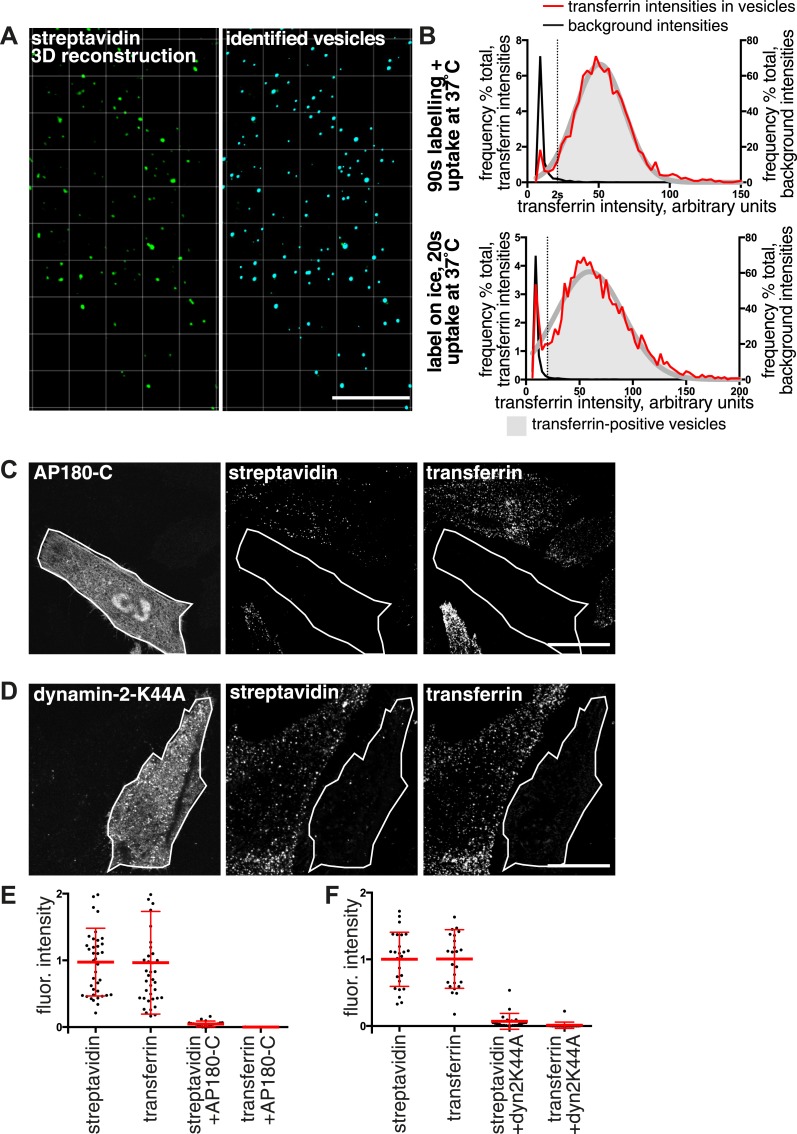
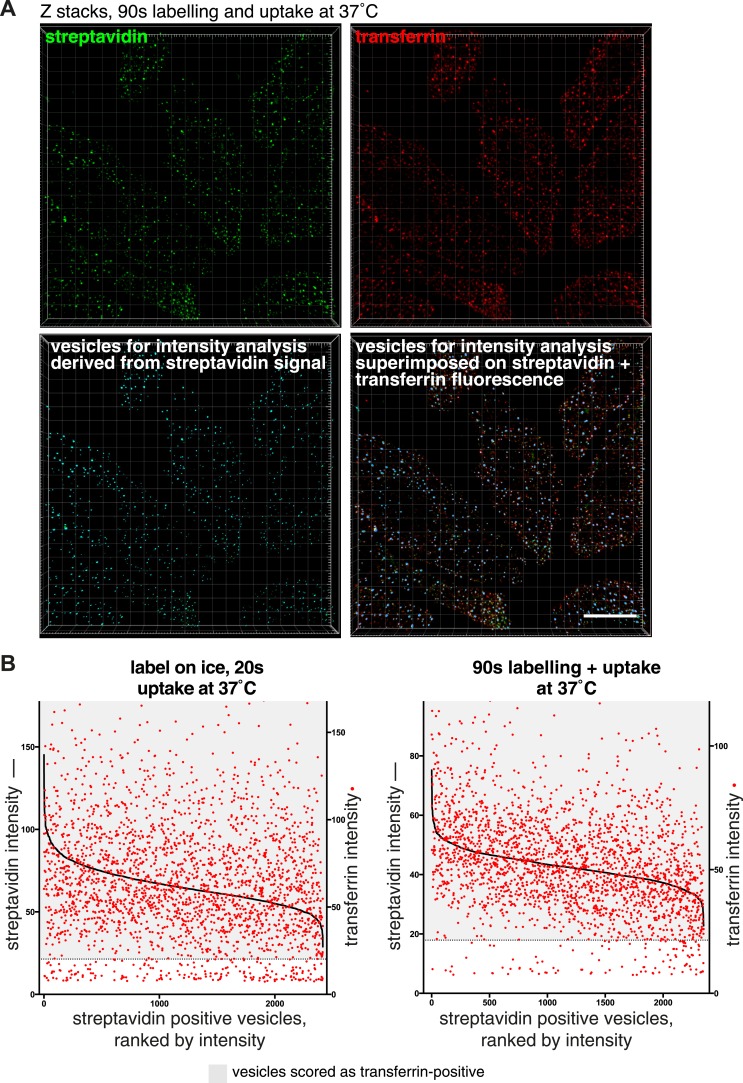
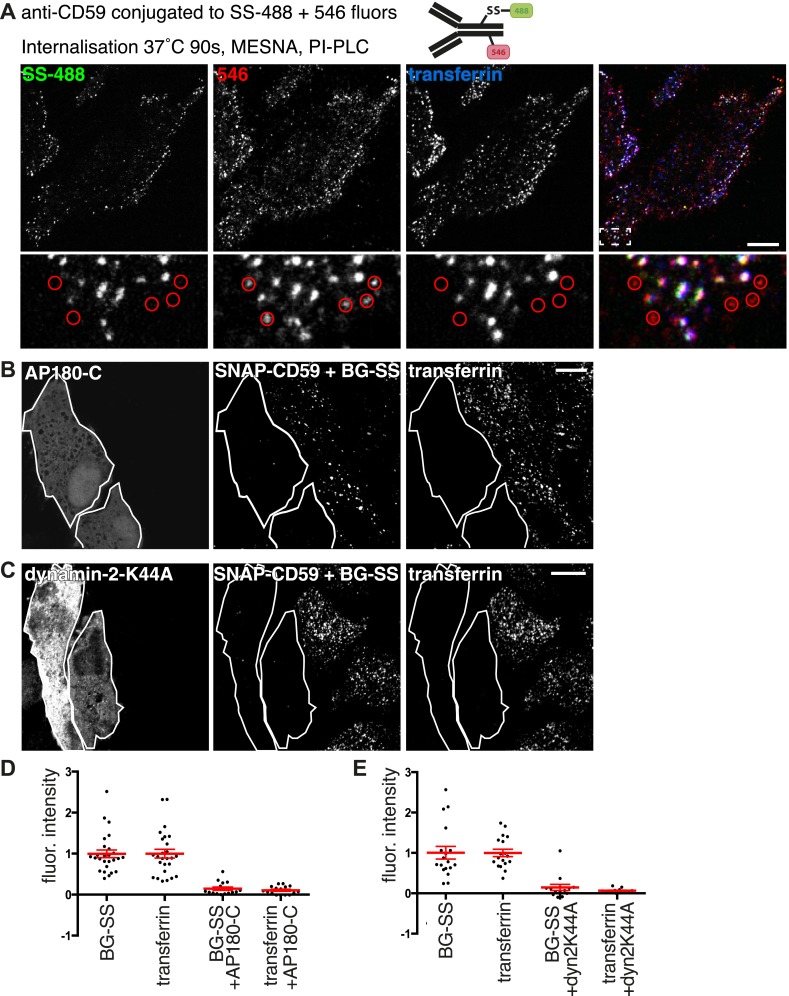
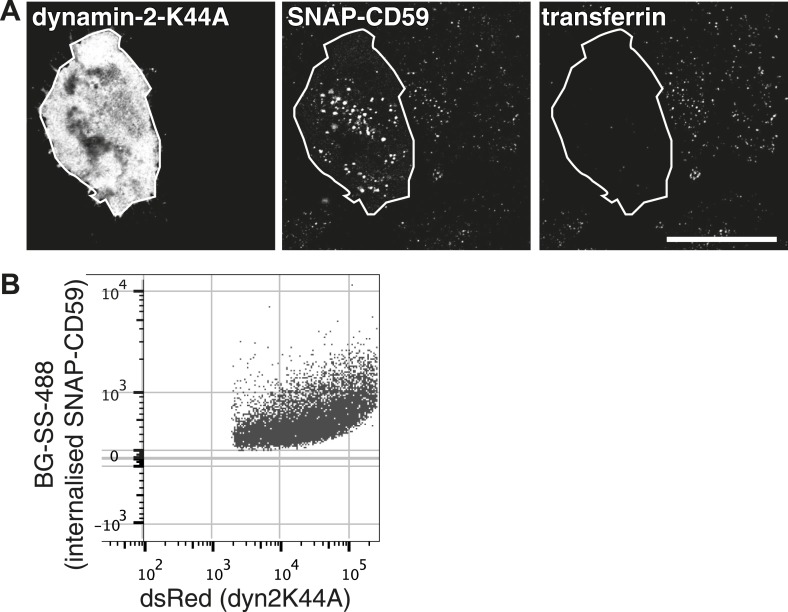
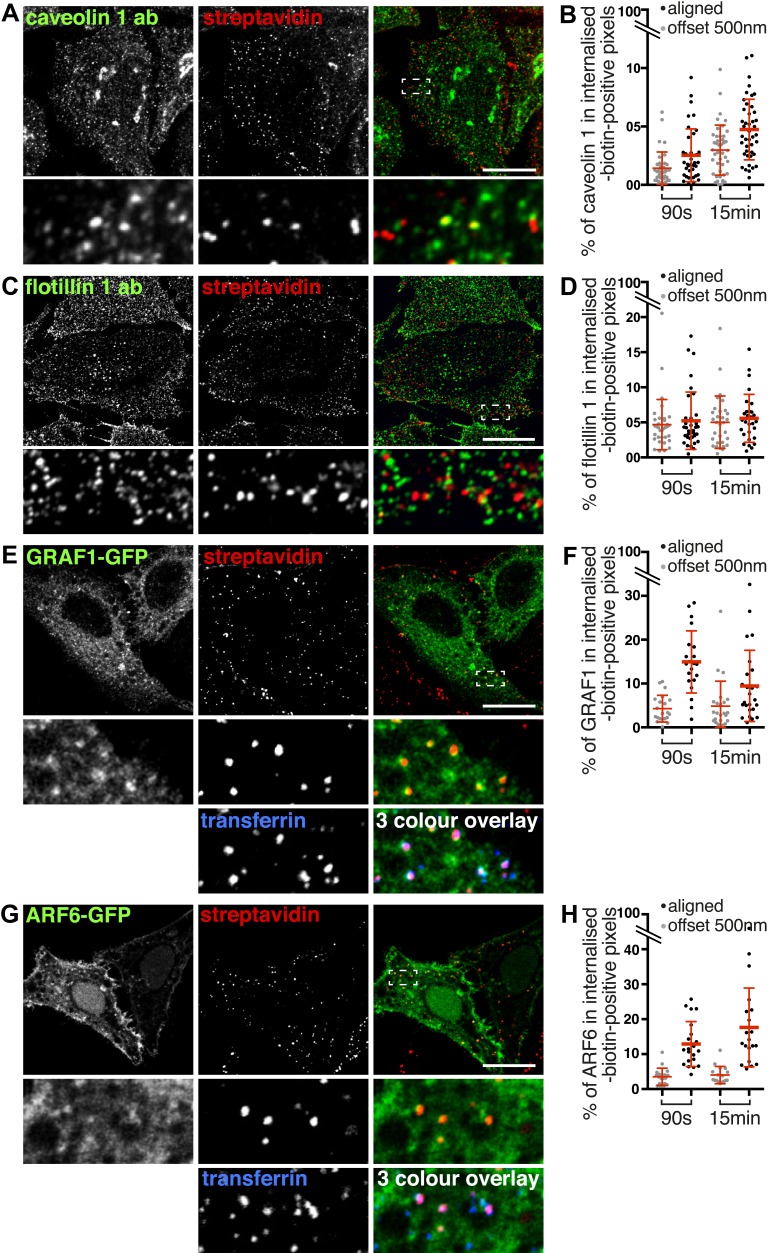
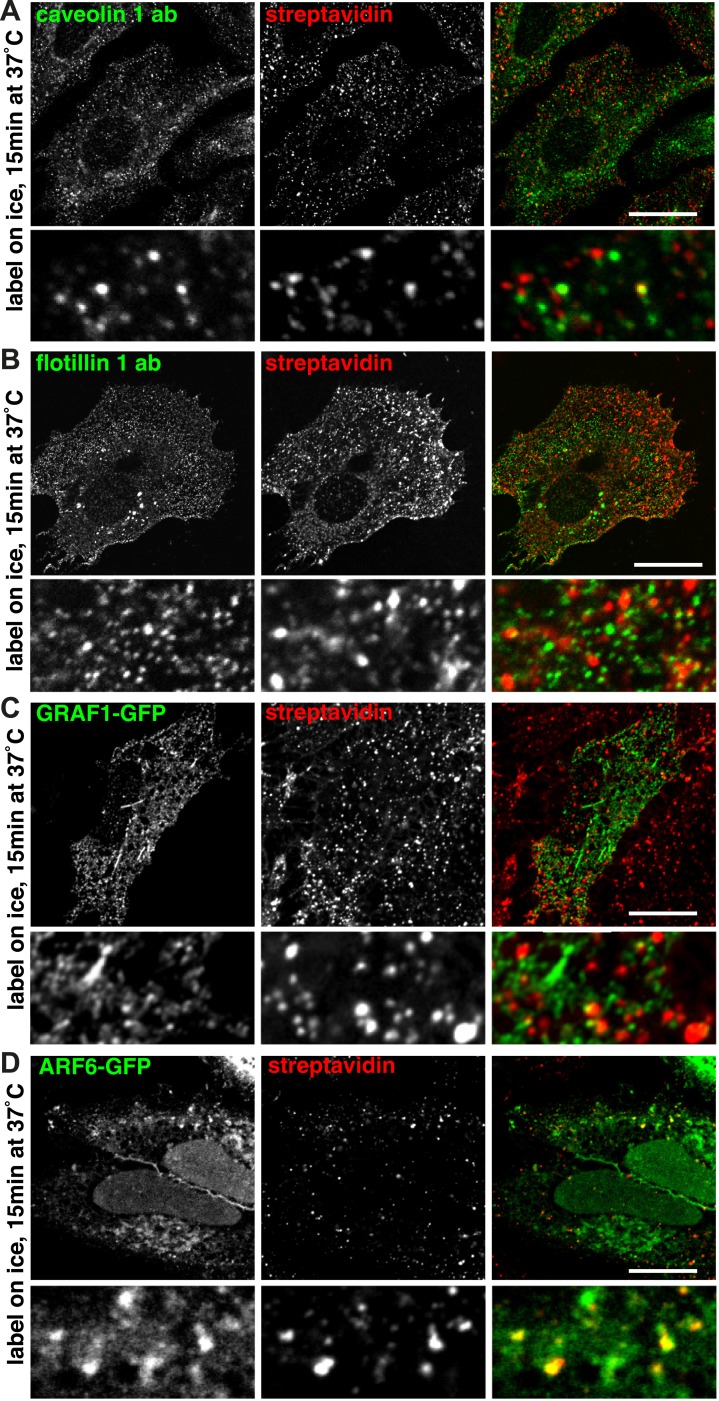
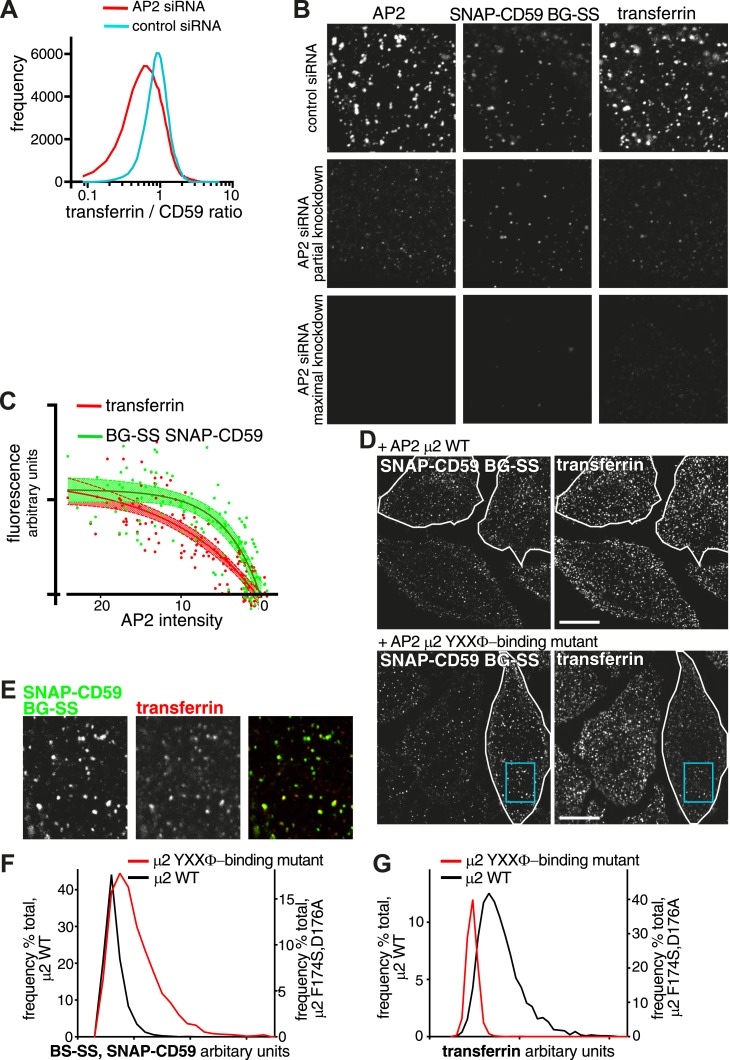
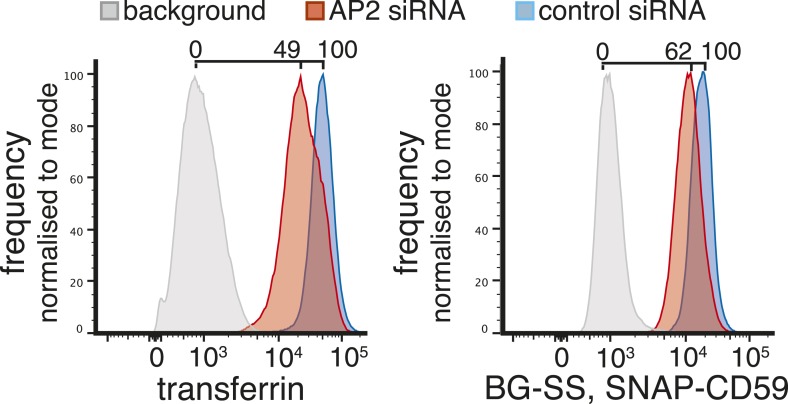
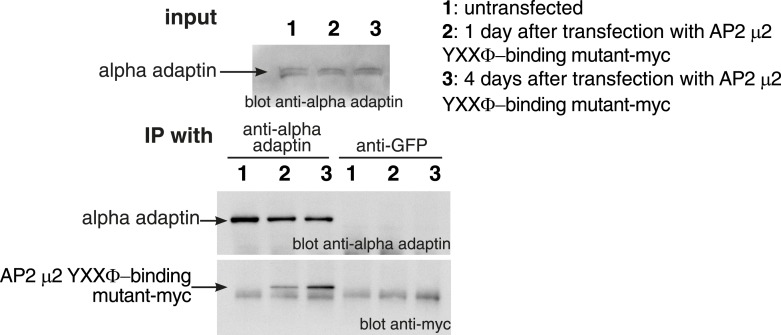
Several different endocytic pathways have been proposed to function in mammalian cells. Clathrin-coated pits are well defined, but the identity, mechanism and function of alternative pathways have been controversial. Here we apply universal chemical labelling of plasma membrane proteins to define all primary endocytic vesicles, and labelling of specific proteins with a reducible SNAP-tag substrate. These approaches provide high temporal resolution and stringent discrimination between surface-connected and intracellular membranes. We find that at least 95% of the earliest detectable endocytic vesicles arise from clathrin-coated pits. GPI-anchored proteins, candidate cargoes for alternate pathways, are also found to enter the cell predominantly via coated pits. Experiments employing a mutated clathrin adaptor reveal distinct mechanisms for sorting into coated pits, and thereby explain differential effects on the uptake of transferrin and GPI-anchored proteins. These data call for a revision of models for the activity and diversity of endocytic pathways in mammalian cells.
Keywords: cell biology; clathrin; endocytosis; human; membrane transport; vesicle.
Conflict of interest statement
IRC: An employee of New England Biolabs Inc. New England Biolabs Inc. has a commercial interest in successful application of reagents used in this study.
The other authors declare that no competing interests exist.
Figures
References
Publication types
MeSH terms
Substances
Grants and funding
LinkOut - more resources
Full Text Sources
Other Literature Sources
Miscellaneous
