


Role of the tumor suppressor IQGAP2 in metabolic homeostasis: Possible link between diabetes and cancer
- PMID: 25254002
- PMCID: PMC4169985
- DOI: 10.1007/s11306-014-0639-9
Role of the tumor suppressor IQGAP2 in metabolic homeostasis: Possible link between diabetes and cancer
Abstract
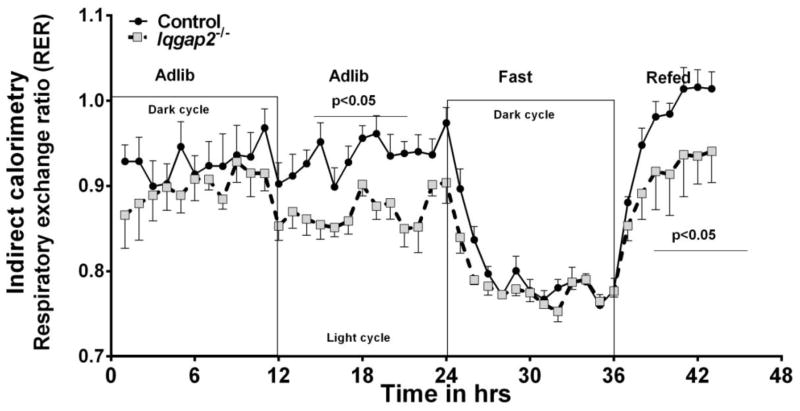
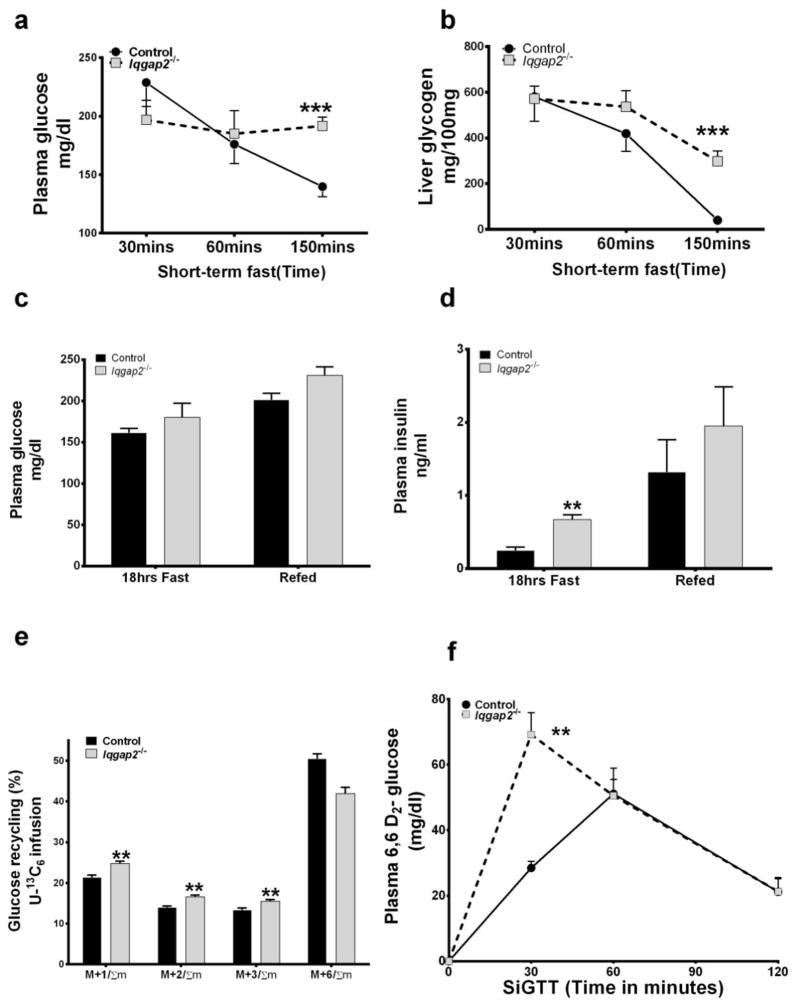
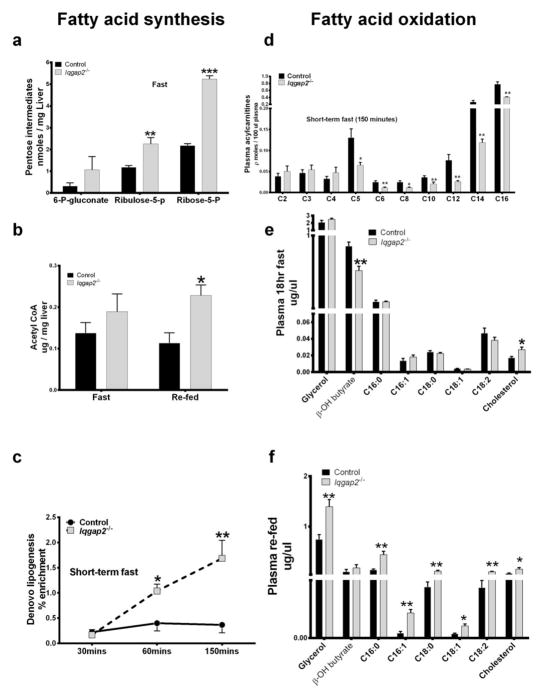
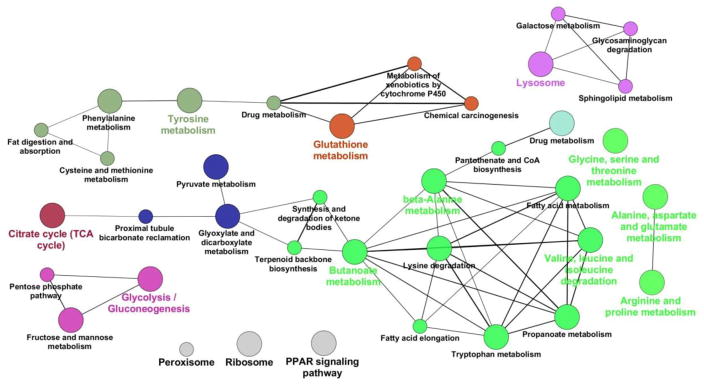
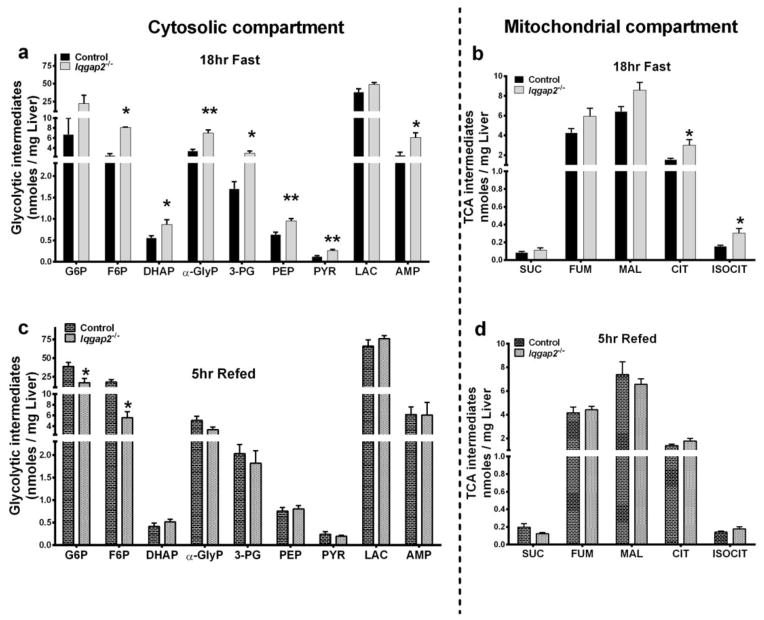
Deficiency of IQGAP2, a scaffolding protein expressed primarily in liver leads to rearrangements of hepatic protein compartmentalization and altered regulation of enzyme functions predisposing development of hepatocellular carcinoma and diabetes. Employing a systems approach with proteomics, metabolomics and fluxes characterizations, we examined the effects of IQGAP2 deficient proteomic changes on cellular metabolism and the overall metabolic phenotype. Iqgap2-/- mice demonstrated metabolic inflexibility, fasting hyperglycemia and obesity. Such phenotypic characteristics were associated with aberrant hepatic regulations of glycolysis/gluconeogenesis, glycogenolysis, lipid homeostasis and futile cycling corroborated with corresponding proteomic changes in cytosolic and mitochondrial compartments. IQGAP2 deficiency also led to truncated TCA-cycle, increased anaplerosis, increased supply of acetyl-CoA for de novo lipogenesis, and increased mitochondrial methyl-donor metabolism necessary for nucleotides synthesis. Our results suggest that changes in metabolic networks in IQGAP2 deficiency create a hepatic environment of a 'pre-diabetic' phenotype and a predisposition to non-alcoholic fatty liver disease (NAFLD) which has been linked to the development of hepatocellular carcinoma.
Figures
References
-
- Kuroda S, et al. Identification of IQGAP as a putative target for the small GTPases, Cdc42 and Rac1. J Biol Chem. 1996;271(38):23363–7. - PubMed
-
- McCallum SJ, Erickson JW, Cerione RA. Characterization of the association of the actin-binding protein, IQGAP, and activated Cdc42 with Golgi membranes. J Biol Chem. 1998;273(35):22537–44. - PubMed
Grants and funding
LinkOut - more resources
Full Text Sources
Other Literature Sources