


Does current evidence support the use of intraoperative cell salvage in reducing the need for blood transfusion in caesarean section?
- PMID: 25259949
- PMCID: PMC4338583
- DOI: 10.1097/GCO.0000000000000116
Does current evidence support the use of intraoperative cell salvage in reducing the need for blood transfusion in caesarean section?
Abstract
Purpose of review: An important cause of maternal morbidity and direct maternal death is obstetric haemorrhage at caesarean section. Concerns regarding allogeneic blood safety, limited blood supplies and rising health costs have collectively generated enthusiasm for the utility of methods intended to reduce the use of allogeneic blood transfusion in cases of haemorrhage at caesarean section. This can be achieved by intraoperative cell salvage (IOCS). The aim of this review is to summarize and examine the evidence for the efficacy of IOCS during caesarean section, in women at risk of haemorrhage, in reducing the need for allogeneic blood transfusion.
Recent findings: The majority of the evidence currently available is from case reports and case series. Although this evidence appears to support the use of IOCS in obstetrics, strong clinical evidence or economic effectiveness from clinical trials are essential to support the routine practice of IOCS in obstetrics.
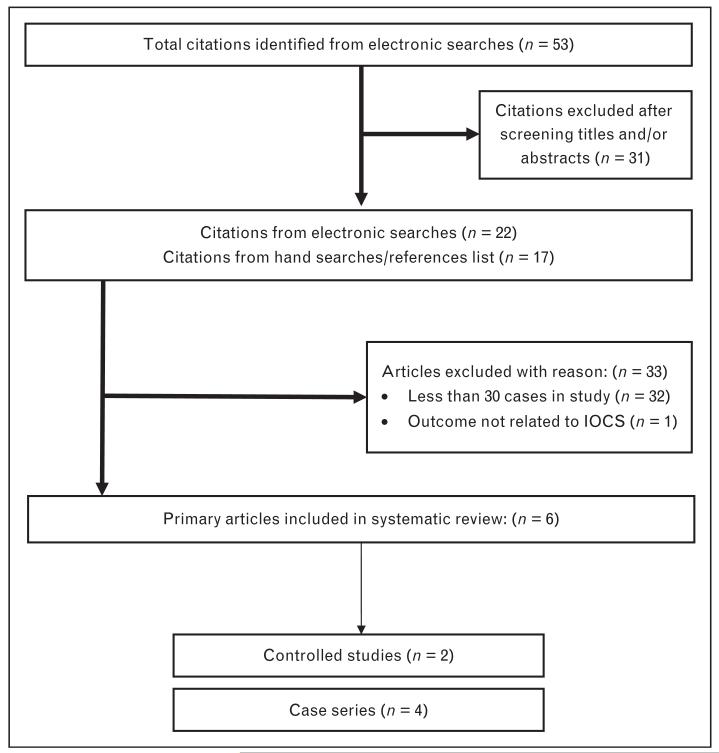
Summary: Current evidence is limited to reported case series and two small controlled studies. Overall, IOCS may reduce the need for allogeneic blood transfusions during caesarean section. Future large randomized trials are required to assess effectiveness, cost effectiveness and safety. The results of the current ongoing SALVO (A randomised controlled trial of intra-operative cell salvage during caesarean section in women at risk of haemorrhage) trial will shed light on these aspects.
Figures
References
-
- Lewis G, The Confidential Enquiry into Maternal and Child Health (CEMACH) Why Mothers die 2000-2002. The sixth report of the Confidential Enquiries into Maternal Deaths in the United Kingdom. CEMACH; London: 2004.
-
- Lewis G, The Confidential Enquiry into Maternal and Child Health (CEMACH) Saving mothers’ lives: reviewing maternal deaths to make motherhood safer 2003–2005. The seventh report of Confidential Enquiries into Maternal Deaths in the United Kingdom. CEMACH; London: 2007.
-
- Khan KS, Wojdyla D, Say L, et al. WHO analysis of causes of maternal death: a systematic review. Lancet. 2006;367:1066–1074. - PubMed
-
- World Health Organisation . The world health report 2005: make every mother and child count. WHO Press; Geneva, Switzerland: 2005.
-
- United Nations The Millennium Development Goals Report. 2012 http://www.un.org/millenniumgoals/pdf/MDG%20Report%202012.pdf.
Publication types
MeSH terms
Grants and funding
LinkOut - more resources
Full Text Sources
Other Literature Sources
Medical
Research Materials
