. 2014 Oct 1;9(10):e107885.
doi: 10.1371/journal.pone.0107885. eCollection 2014.

Engineering an enhanced, thermostable, monomeric bacterial luciferase gene as a reporter in plant protoplasts

Affiliations

Engineering an enhanced, thermostable, monomeric bacterial luciferase gene as a reporter in plant protoplasts

Boyu Cui et al. PLoS One. .

Abstract

The application of the luxCDABE operon of the bioluminescent bacterium Photorhabdus luminescens as a reporter has been published for bacteria, yeast and mammalian cells. We report here the optimization of fused luxAB (the bacterial luciferase heterodimeric enzyme) expression, quantum yield and its application as a reporter gene in plant protoplasts. The fused luxAB gene was mutated by error prone PCR or chemical mutagenesis and screened for enhanced luciferase activity utilizing decanal as substrate. Positive luxAB mutants with superior quantum yield were subsequently shuffled by DNase I digestion and PCR assembly for generation of recombinants with additional increases in luciferase activity in bacteria. The coding sequence of the best recombinant, called eluxAB, was then optimized further to conform to Arabidopsis (Arabidopsis thaliana) codon usage. A plant expression vector of the final, optimized eluxAB gene (opt-eluxAB) was constructed and transformed into protoplasts of Arabidopsis and maize (Zea mays). Luciferase activity was dramatically increased for opt-eluxAB compared to the original luxAB in Arabidopsis and maize cells. The opt-eluxAB driven by two copies of the 35S promoter expresses significantly higher than that driven by a single copy. These results indicate that the eluxAB gene can be used as a reporter in plant protoplasts. To our knowledge, this is the first report to engineer the bacterium Photorhabdus luminescens luciferase luxAB as a reporter by directed evolution which paved the way for further improving the luxAB reporter in the future.


Conflict of interest statement

Competing Interests: The authors have declared that no competing interests exist.

Figures

Figure 1
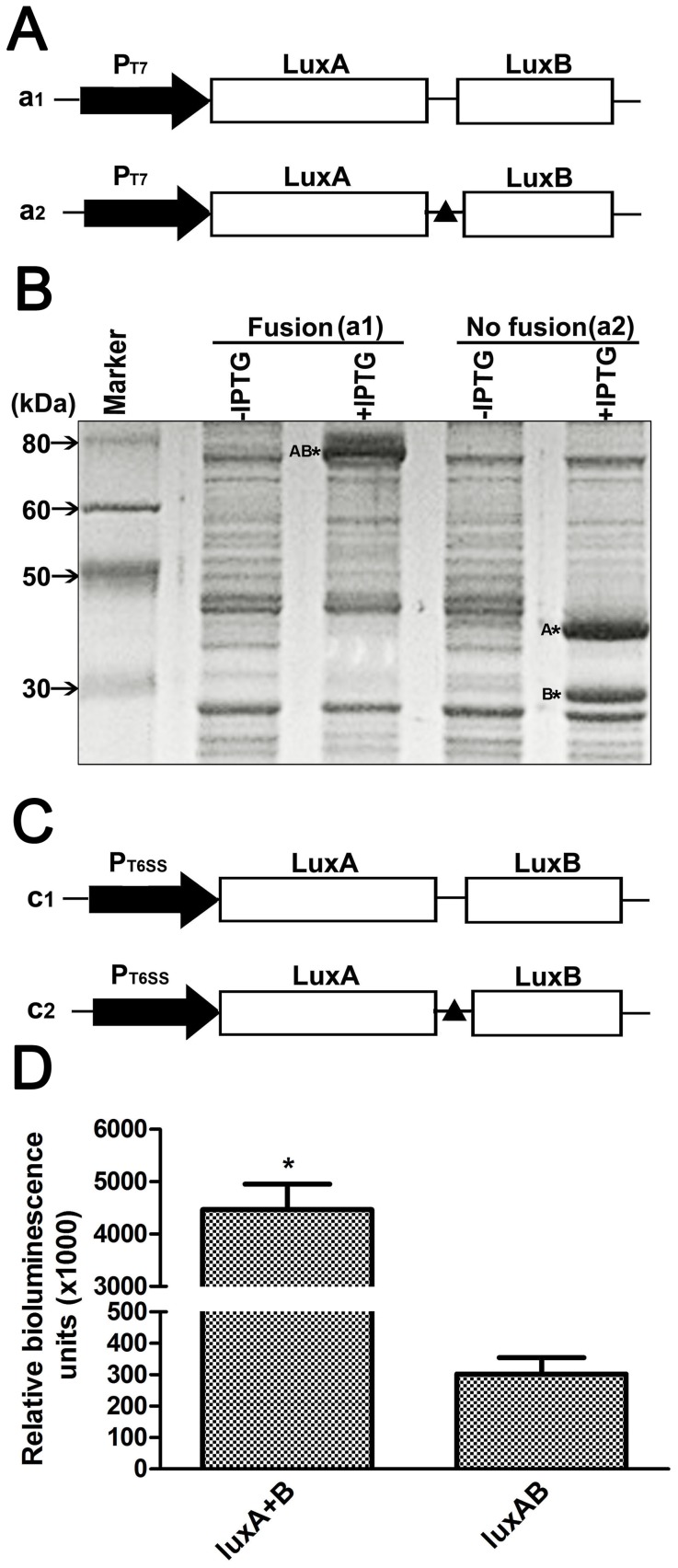
Figure 1. Expression of luxA and luxB genes in bacteria cells.
A. Schematic representation of expression constructs of luxA and luxB genes in the pET28a vector. The luxA and luxB genes either fused in one cistron or in two separate cistrons, were under the control of the T7 promoter. a1: Fusion construct of luxA and luxB genes. The ORFs of luxA and luxB were fused using a 15 amino acid linker (GGGSG)3 and the stop condon of the luxA ORF was removed. a2: the luxA and luxB ORFs were separated by an intergenic sequence and were translated independently. B. The constructs in (A) were expressed in BL21(DE3) cells. Protein expression was induced by IPTG. The cell lysate was separated by SDS-PAGE and the gel subjected to Coomassie blue staining. C. Schematic representation of expression constructs of luxA and luxB genes in the pBS-pT6SS4 vector. The constructs are similar as described in (A) except that the luxA and luxB genes were under the T6SS4 promoter. D. Comparison of luciferase activity from the LuxAB fusion protein or the separate LuxA and LuxB heterodimeric proteins in Y. pseudotuberculosis. The luminescence reaction was initiated by the addition of 1% decanal as substrate. Data are means±se, n = 3. *P<0.01.
Figure 2
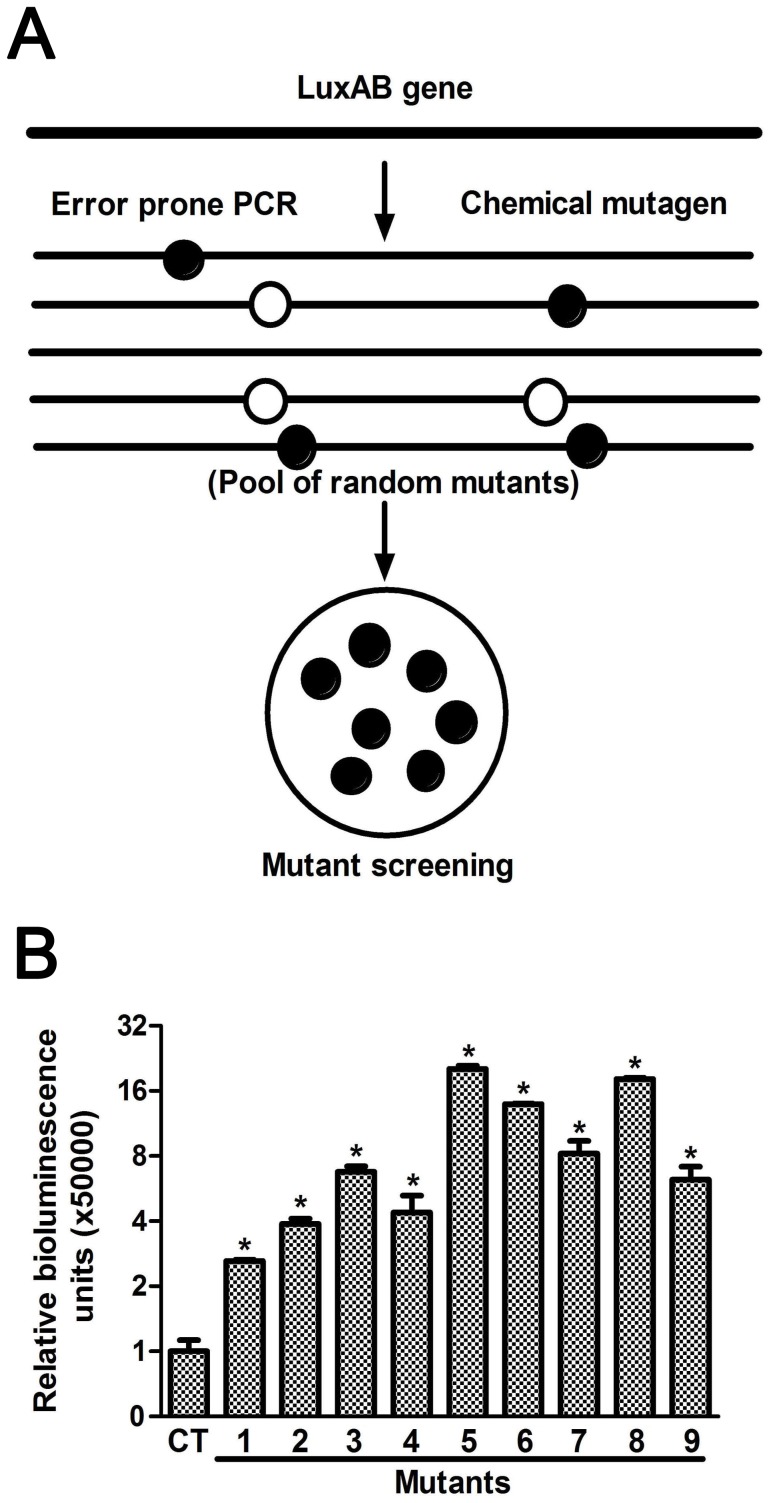
Figure 2. Generation of luxAB mutants with greater luciferase activity.
A. Experimental strategy for generation of luxAB mutants with increased luciferase activity. The luxAB gene was mutated by error prone PCR and chemical mutagenesis. Closed circles indicate positive mutations; open circles indicate negative mutations. B. Relative luciferase activity of the positive mutants. The luciferase activity of mutants was normalized to the wild type control. Data are means±se, n = 3. *P<0.01 vs wild type control.
Figure 3
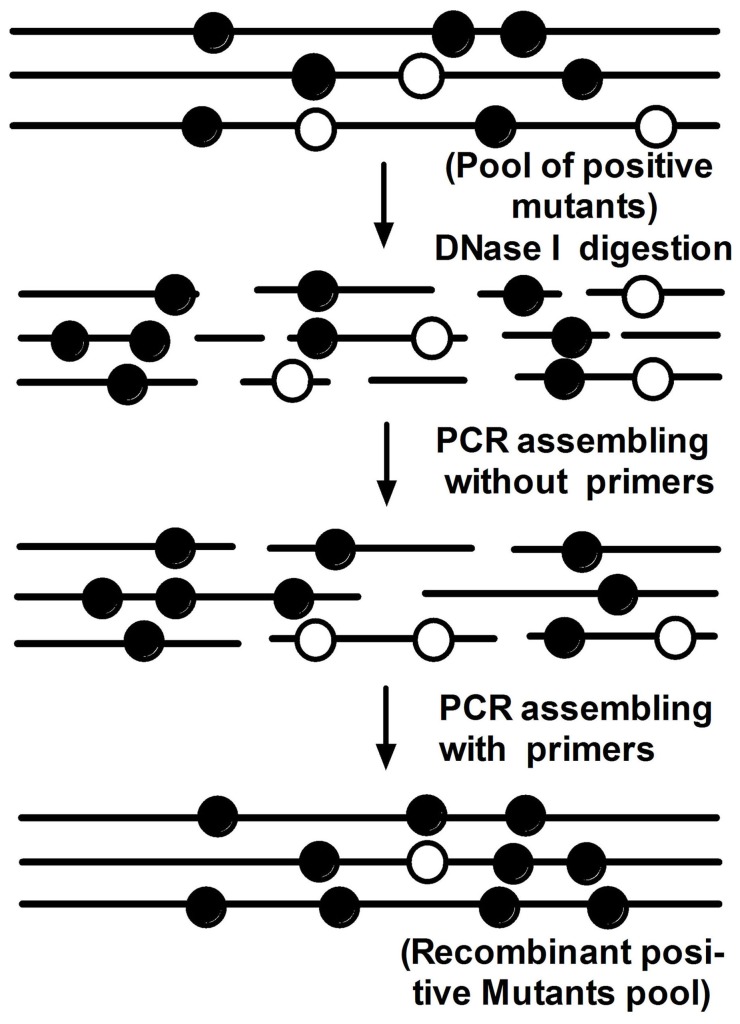
Figure 3. Generation of recombinant luxAB with increased luciferase activity.
Experimental strategy of DNA shuffling of luxAB of the nine positive mutants. Closed circles indicate positive mutations; open circles indicate negative mutations.
Figure 4
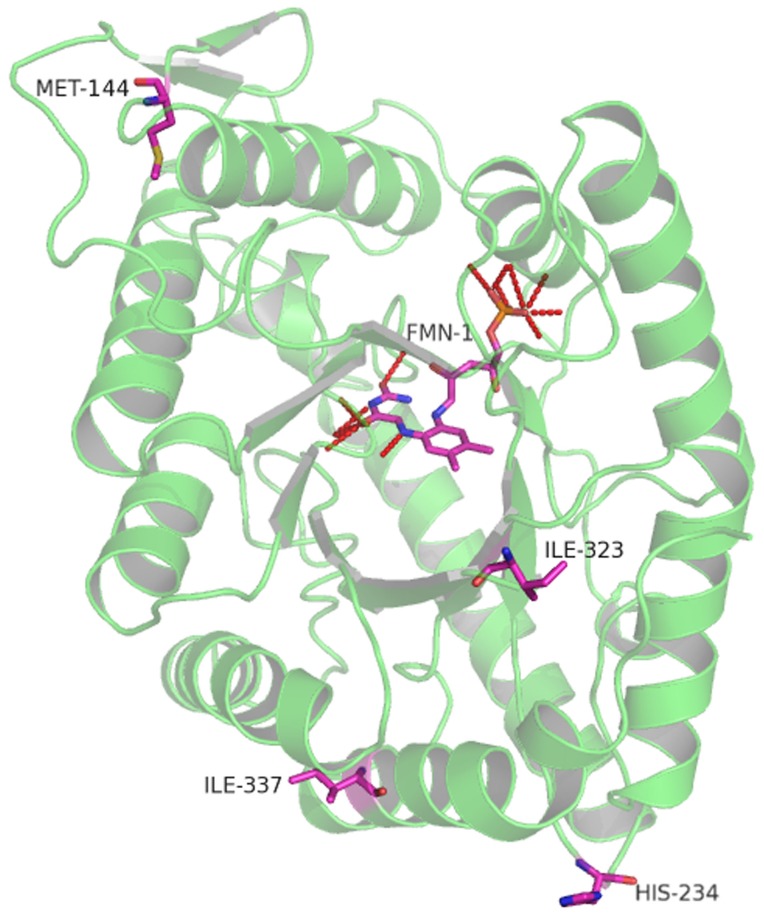
Figure 4. Positions of 4 different amino acid substitutions in eluxAB imposed on the structure of luxA+B from V. harveyi relative to the position of the flavin mononucleotide binding pocket (FMD).
Figure 5
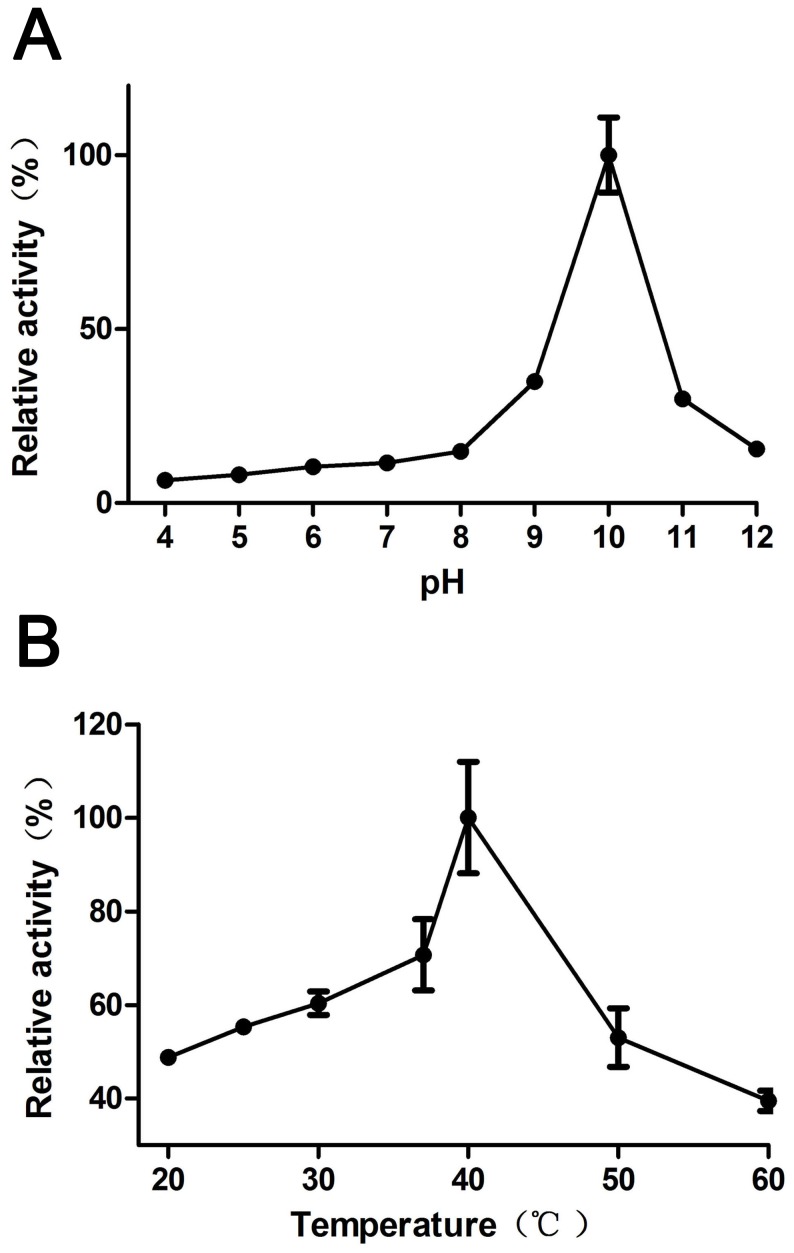
Figure 5. The pH (A) and temperature (B) optimum of eLuxAB in Y. pseudotuberculosis.
Figure 6
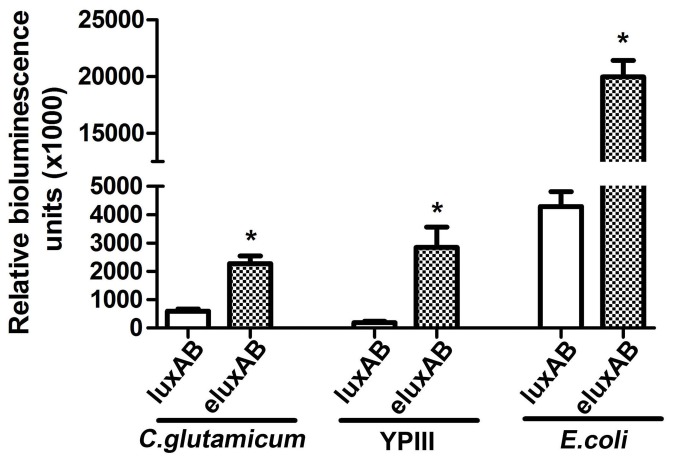
Figure 6. Relative luciferase activity of the engineered eluxAB gene in C. glutamicum RES167, Y. pseudotuberculosis YPIII and E. coli.
Data are means±se, n = 3. *P<0.01 vs wild type control.
Figure 7
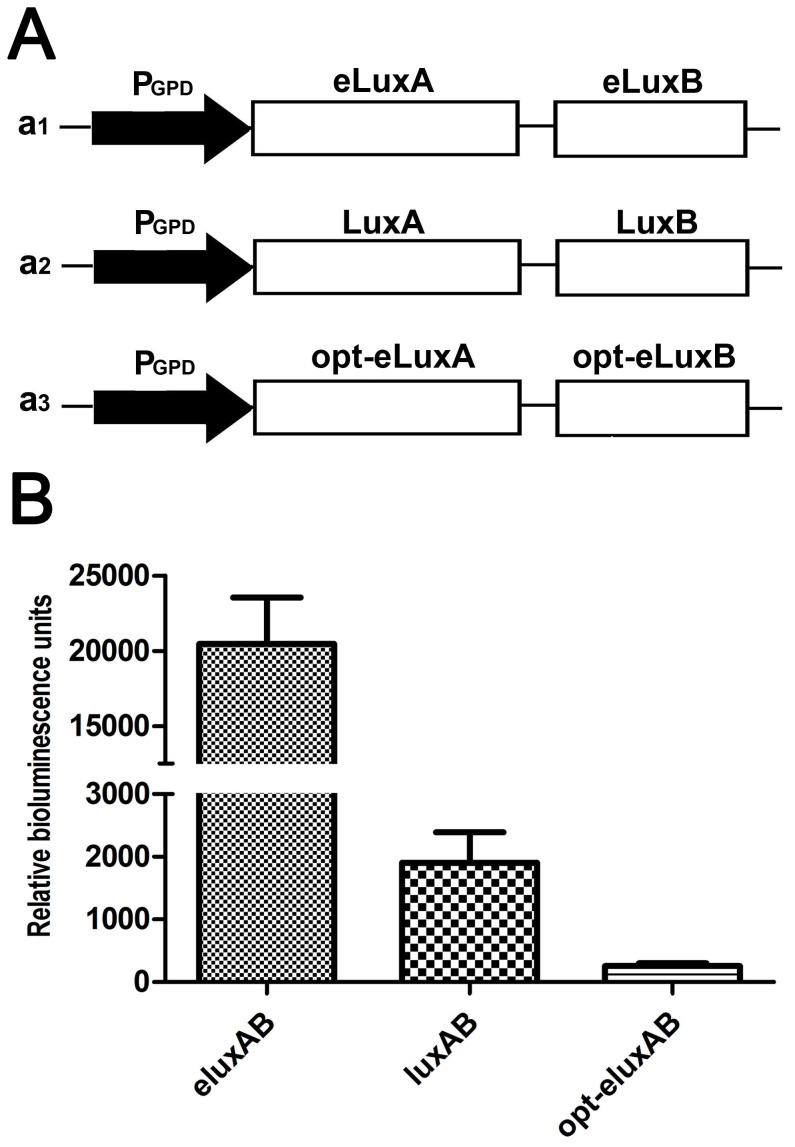
Figure 7. The application of the bacteria luciferase luxAB gene as a reporter tested in S. cerevisiae under the control of the GPD promoter.
A. Schematic representation of expression vectors for luxAB, eluxAB, and opt-eluxAB gene fusions in yeast cells. B. Quantum yield of LuxAB, eLuxAB and opt-eLuxAB in yeast.
Figure 8
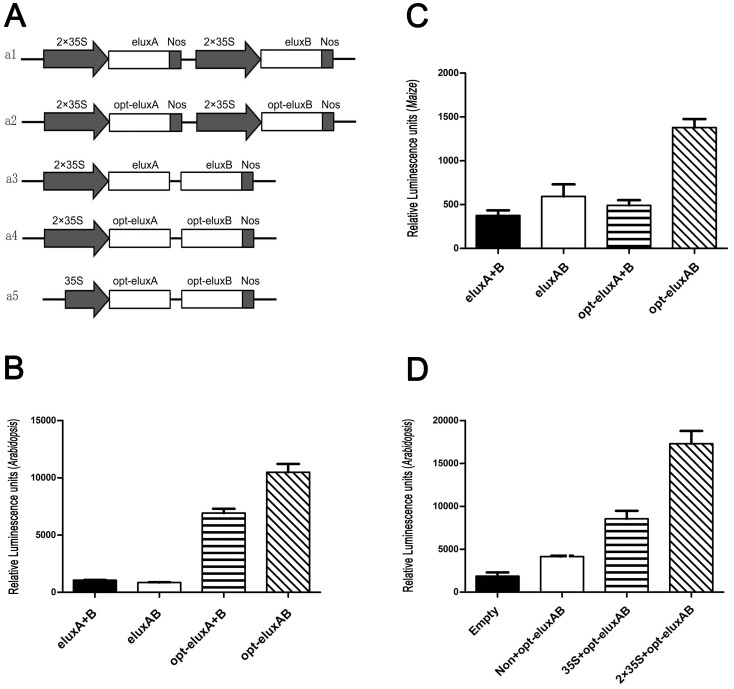
Figure 8. The application of the bacteria luciferase luxAB gene as a reporter in plant protoplasts.
A. Schematic representation of expression vectors for eluxAB, or opt-eluxAB gene fusions in plant protoplasts driven by one or two copies of the CaMV35S promoter. B. Comparison of luciferase activity of eLuxA+B, eLuxAB, opt-eLuxA+B and opt-eLuxAB in Arabidopsis. C. Comparison of luciferase activity of eLuxA+B, eLuxAB, opt-eLuxA+B and opt-eLuxAB in maize. D. Comparison of opt-eLuxAB luminescence under different promoter strengths.

References

    1. Xiong AS, Peng RH, Zhuang J, Davies J, Zhang J, et al. (2012) Advances in directed molecular evolution of reporter genes. Crit Rev Biotechnol 32: 133–142. - PubMed
    1. Kadurugamuwa JL, Sin LV, Yu J, Francis KP, Kimura R, et al. (2003) Rapid direct method for monitoring antibiotics in a mouse model of bacterial biofilm infection. Antimicrob Agents Chemother 47: 3130–3137. - PMC - PubMed
    1. Kuklin NA, Pancari GD, Tobery TW, Cope L, Jackson J, et al. (2003) Real-time monitoring of bacterial infection in vivo: development of bioluminescent staphylococcal foreign-body and deep-thigh-wound mouse infection models. Antimicrob Agents Chemother 47: 2740–2748. - PMC - PubMed
    1. DiGrazia PM, King JM, Blackburn JW, Applegate BA, Bienkowski PR, et al. (1991) Dynamic response of naphthalene biodegradation in a continuous flow soil slurry reactor. Biodegradation 2: 81–91. - PubMed
    1. Monshausen GB (2012) Visualizing Ca2+ signatures in plants. Curr Opin Plant Biol 15: 677–682. - PubMed

Publication types

MeSH terms

Associated data