


Association of type IV spinal muscular atrophy (SMA) with myoclonic epilepsy within a single family
- PMID: 25278999
- PMCID: PMC4182784
- DOI: 10.1186/1755-7682-7-42
Association of type IV spinal muscular atrophy (SMA) with myoclonic epilepsy within a single family
Abstract
Background: Spinal muscular atrophies (SMAs) are a group of disorders characterized by degeneration of the anterior horn cells in the spinal cord and motor nuclei in the lower brainstem. It is transmitted by autosomal recessive inheritance and most of these conditions are linked to SMN gene. Even if the clinical picture is mainly dominated by the diffuse muscular atrophy, some patients can also show atypical clinical features such as myoclonic epilepsy ("SMA plus"), which may be related to other genes. In particular, the association of SMA and progressive myoclonic epilepsy (PME) has been previously described.
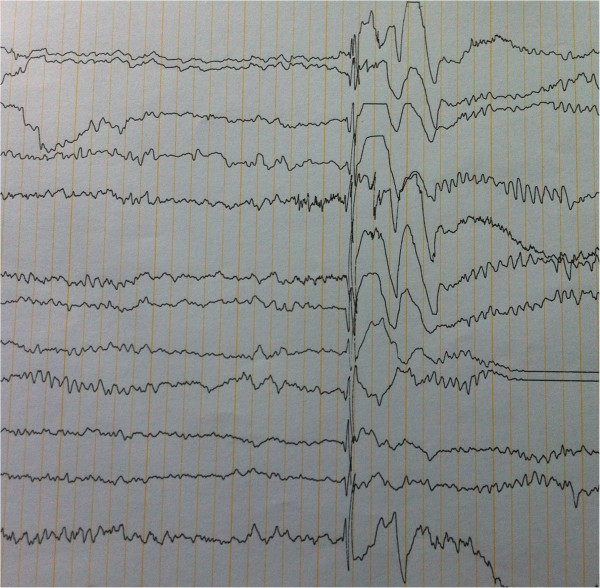
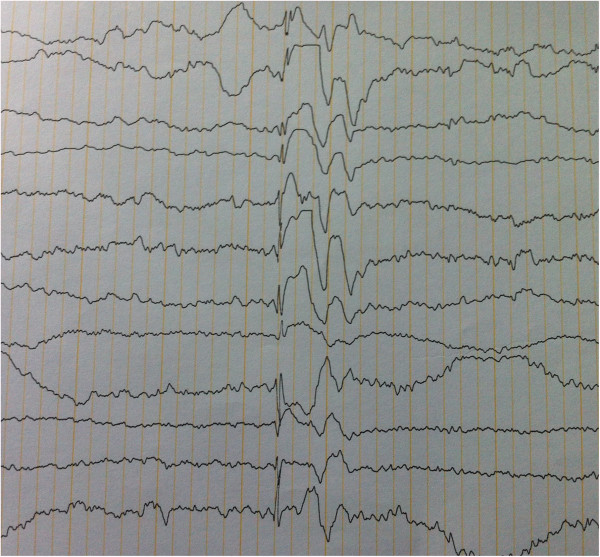
Case presentation: We present a case of two brothers with late onset SMA associated with a unique form of non progressive myoclonic epilepsy without cognitive impairment or ataxia. They had identical clinical and electrophysiological features.
Conclusions: The association of SMA with myoclonic epilepsy may constitute a separate and genetically independent syndrome with unique clinical and electrophysiological findings. Collection of similar cases with genetic studies is needed to define the phenotype clearly and to identify new genes and molecular pathogenetic mechanisms involved in this condition.
Keywords: Myoclonic epilepsy; Spinal muscular atrophy.
Figures
References
-
- Menkes JH, Sarnat HB. Disease of the Motor Unit. In: Menkes JH, Sarnat HB, editors. Child Neurology. 2000. pp. 1027–1092.
-
- Lance WJ, Evans WA. Progressive myoclonic epilepsy. Clin Exp Neurol. 1984;20:141–151. - PubMed
Publication types
LinkOut - more resources
Full Text Sources
Other Literature Sources
Research Materials