


Validation of murine and human placental explant cultures for use in sex steroid and phase II conjugation toxicology studies
- PMID: 25283089
- PMCID: PMC4251763
- DOI: 10.1016/j.tiv.2014.09.008
Validation of murine and human placental explant cultures for use in sex steroid and phase II conjugation toxicology studies
Abstract
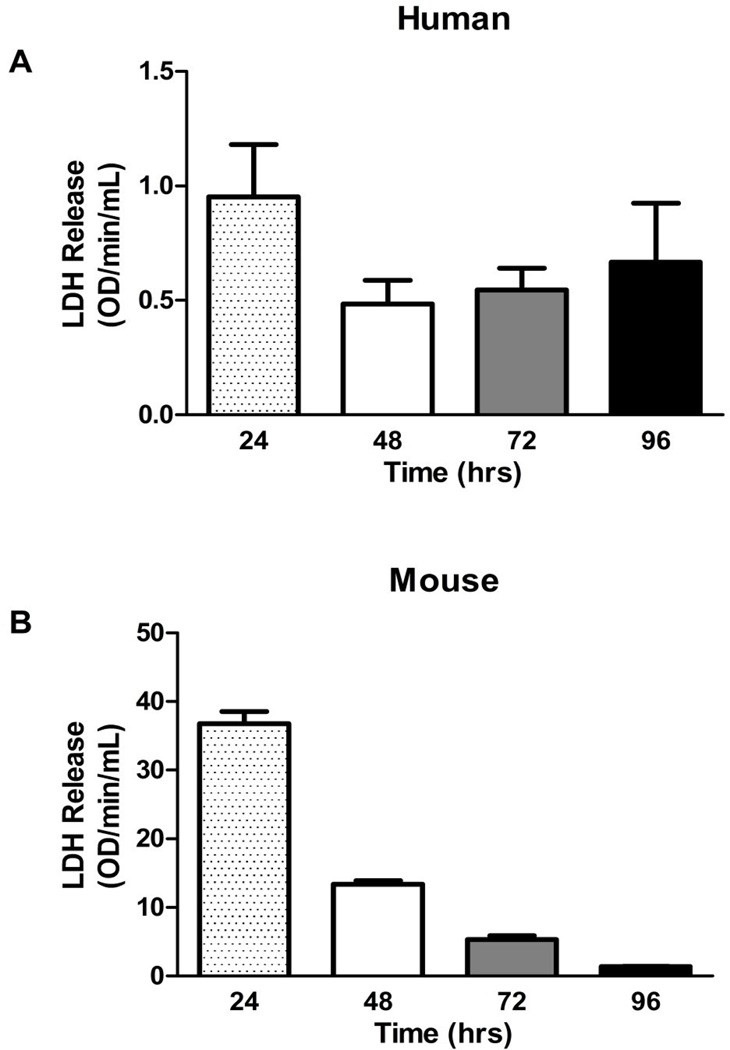
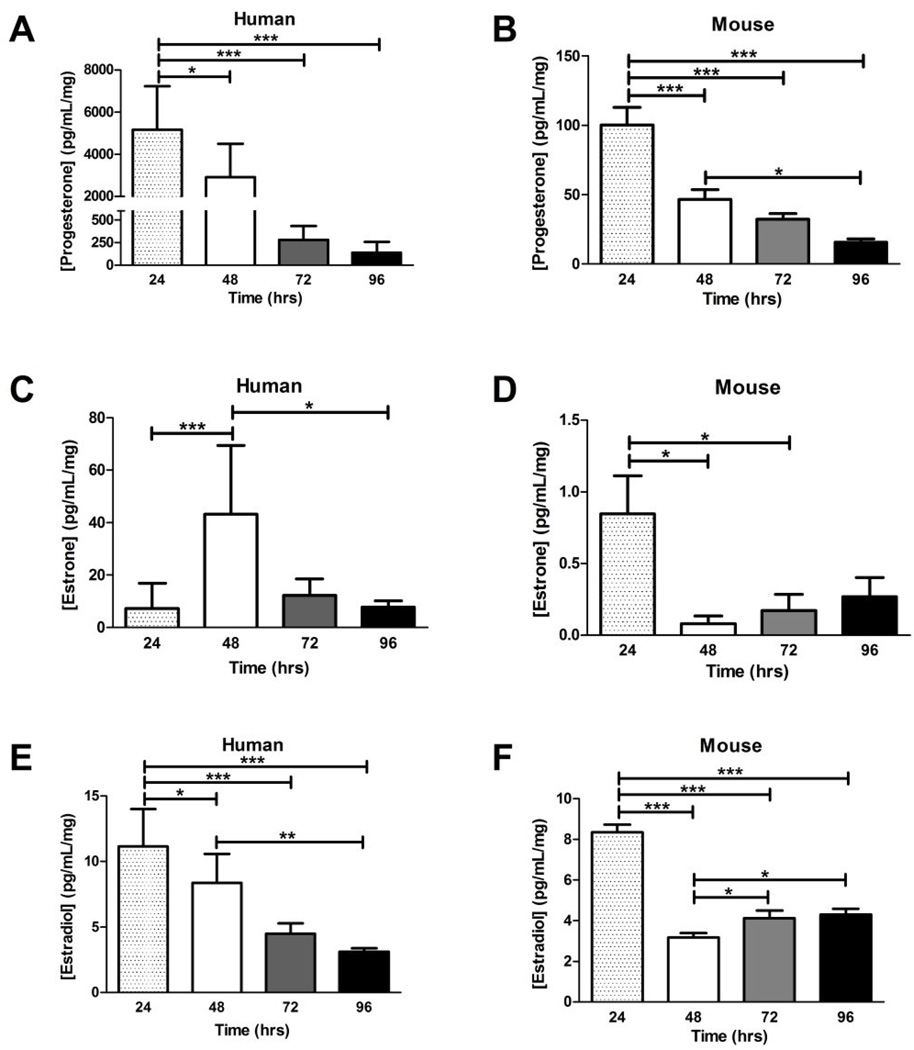
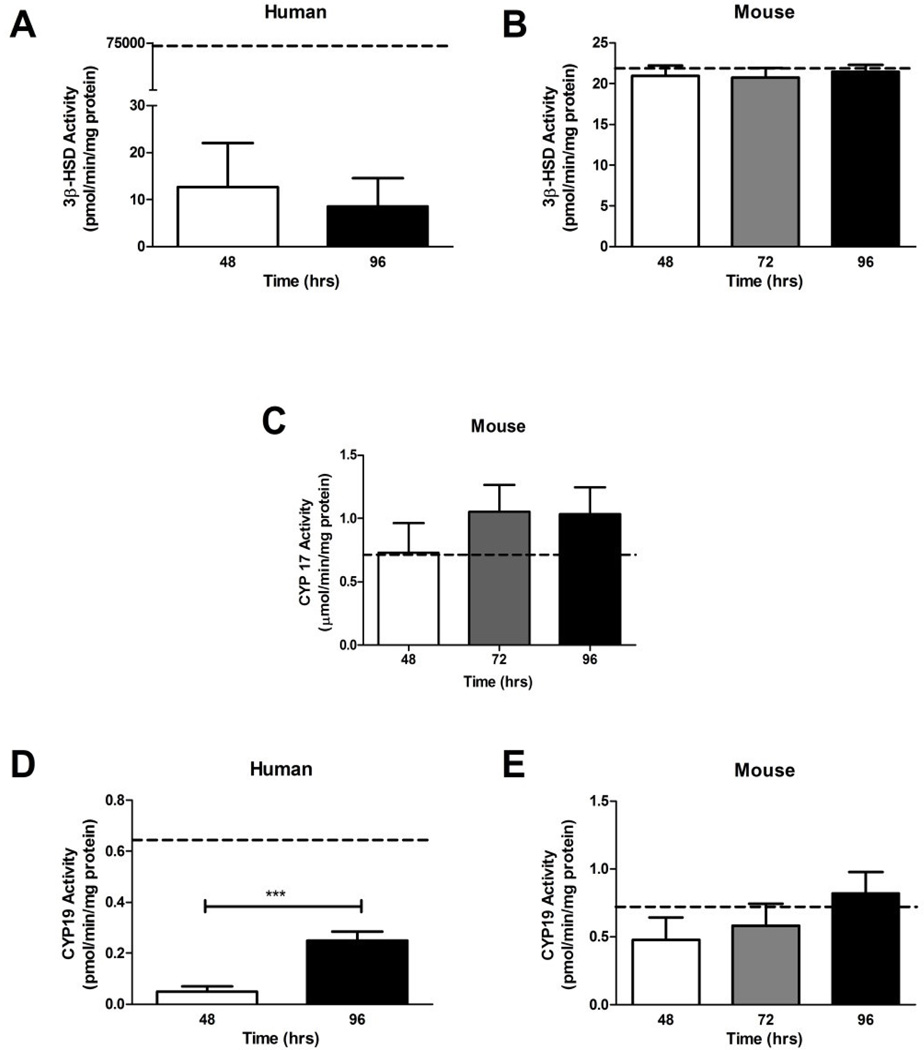
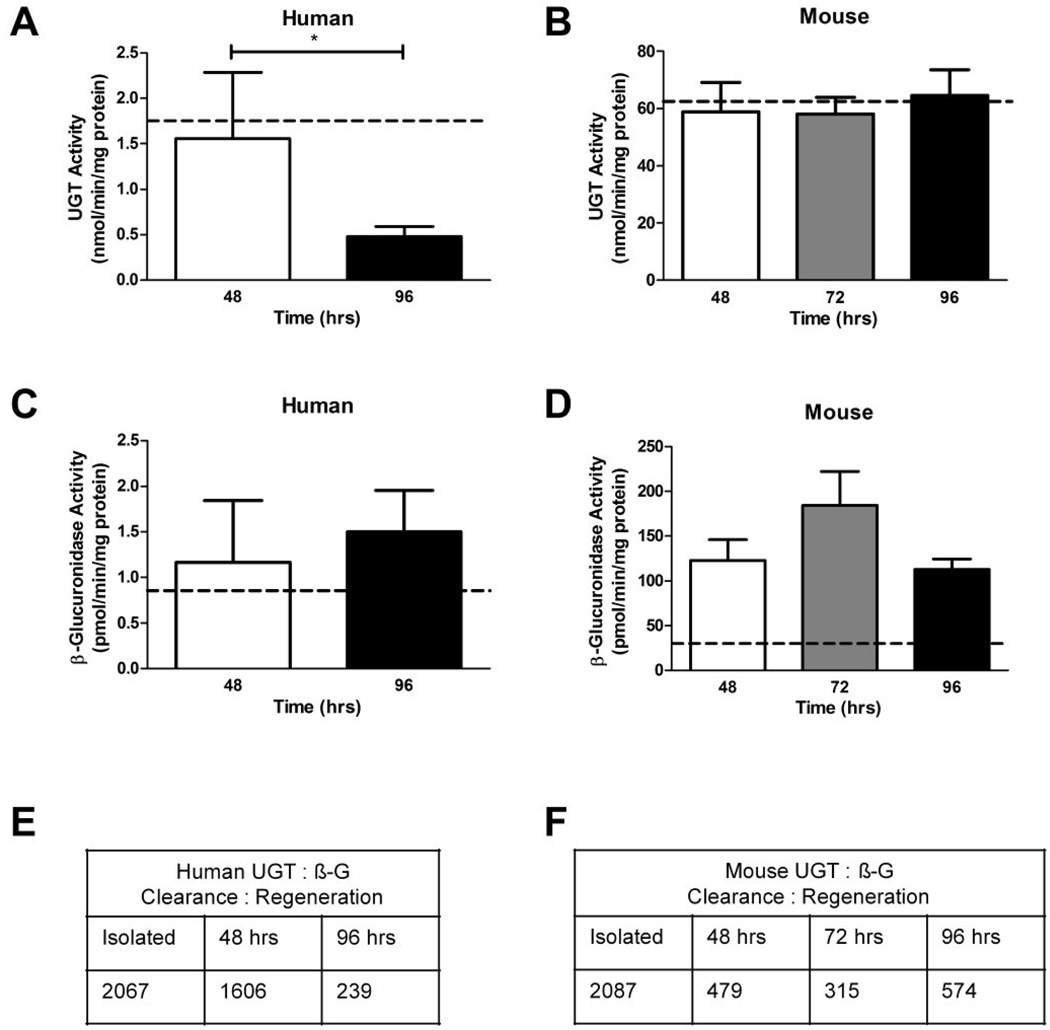
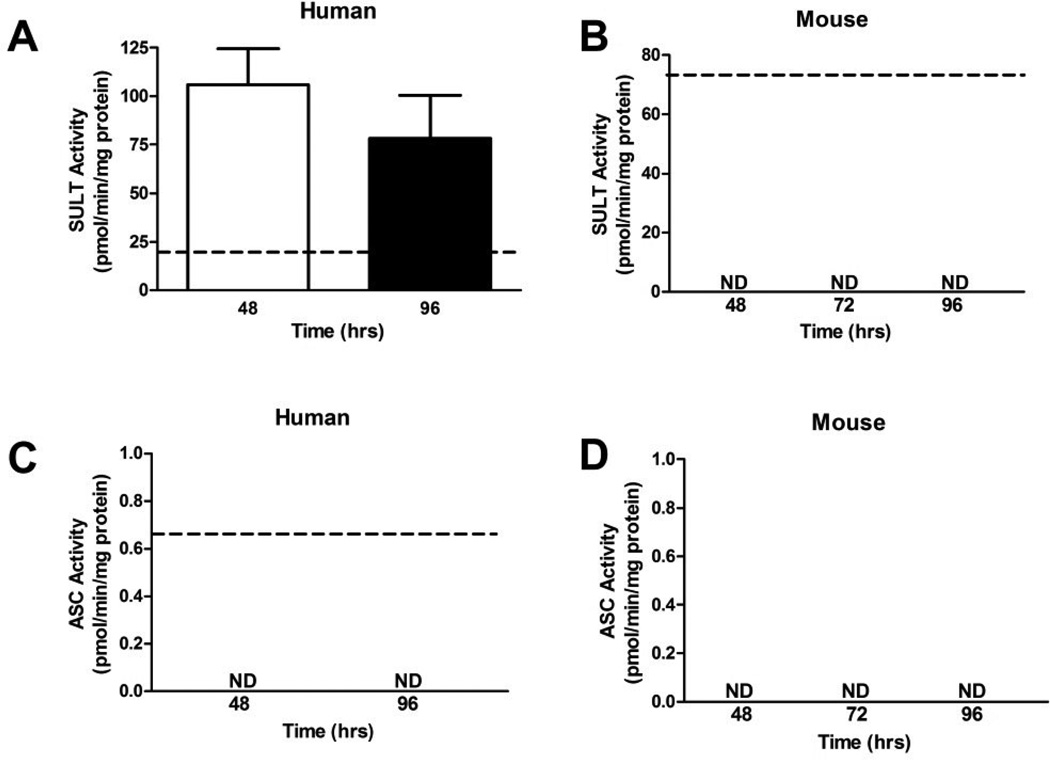
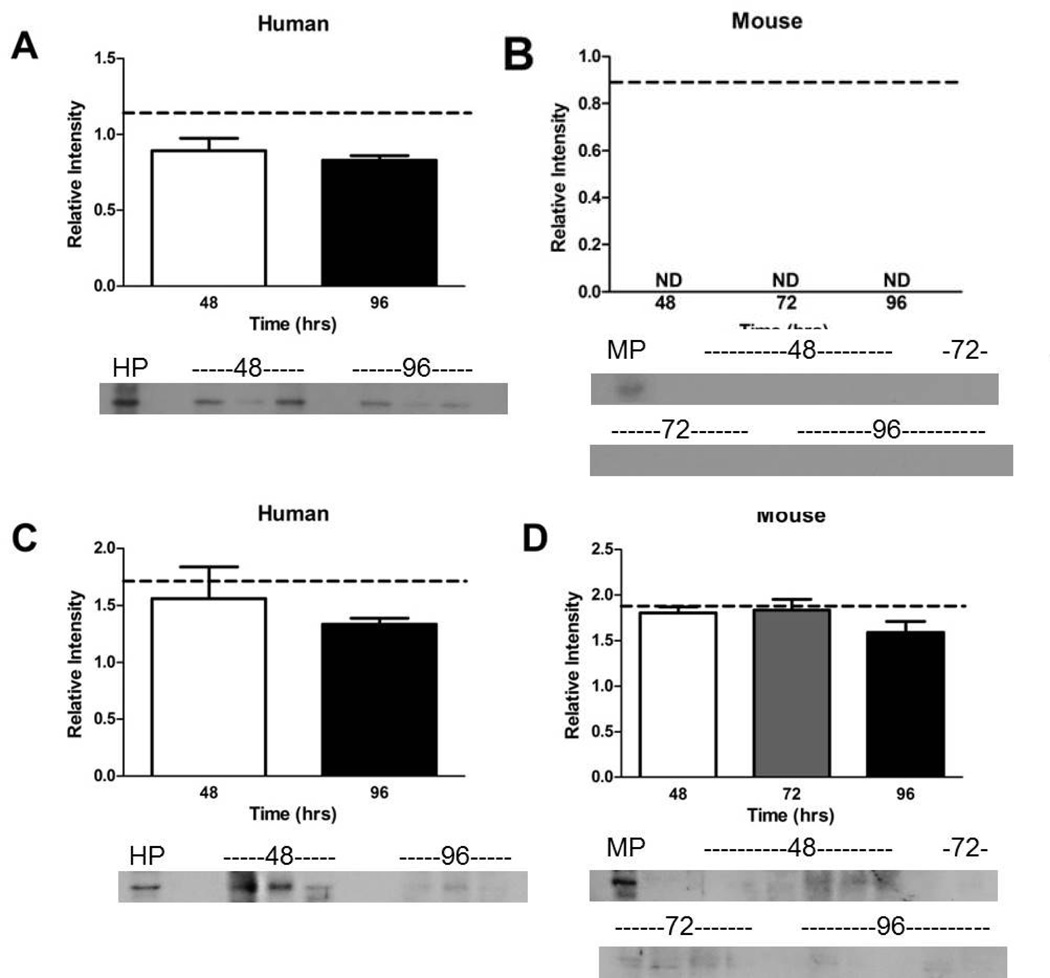
Human primary placental explant culture is well established for cytokine signaling and toxicity, but has not been validated for steroidogenic or metabolic toxicology. The technique has never been investigated in the mouse. We characterized human and mouse placental explants for up to 96 h in culture. Explant viability (Lactate dehydrogenase) and sex steroid levels were measured in media using spectrophotometry and ELISA, respectively. Expression and activities of the steroidogenic (3β-hydroxysteroid dehydrogenase, Cytochrome P45017A1, Cytochrome P45019), conjugation (UDP-glucuronosyltransferase, sulfotransferase (SULT)), and regeneration (β-glucuronidase, arylsulfatase C (ASC)) enzymes were determined biochemically in tissues with fluorimetric and spectrophotometric assays, and western blot. Explants were viable up to 96 h, but progesterone, estrone, and 17β-estradiol secretion decreased. Steroidogenic enzyme expression and activities were stable in mouse explants and similar to levels in freshly isolated tissues, but were lower in human explants than in fresh tissue (P<0.01). Human and mouse explants exhibited significantly less conjugation after 96 h, SULT was not detected in the mouse, and neither explants had active ASC, although proteins were expressed. Mouse explants may be useful for steroid biochemistry and endocrine disruption studies, but not metabolic conjugation. In contrast, human explants may be useful for studying conjugation for <48 h, but not for steroid/endocrine studies.
Keywords: Conjugation; Ex vivo culture; Mouse; Placenta; Steroidogenesis.
Copyright © 2014 Elsevier Ltd. All rights reserved.
Figures
References
-
- Ahmed N, Murphy B. The effects of various hormones on human chorionic gonadotropin production in early and late placental explant cultures. American Journal of Obstetrics and Gynecology. 1988;159:1220–1227. - PubMed
-
- Begum-Hasan J, Senterman M, Gillett P, LaPlante Branchaud C, Murphy BE. Effect of maternal serum on viability and function of early human placental explants. In Vitro Cellular and Developmental Biology - Animals. 1993;29A:505–511. - PubMed
-
- Ben-Zimra M, Koler M, Melamed-Book N, Arensburg J, Payne AH, Orly J. Uterine and placental expression of steroidogenic genes during rodent pregnancy. Molecular and Cellular Endocrinology. 2002;187:223–231. - PubMed
-
- Benyo DF, Miles TM, Conrad KP. Hypoxia Stimulates Cytokine Production by Villous Explants from the Human Placenta. Journal of Clinical Endocrinology and Metabolism. 1997;82:1582–1588. - PubMed
-
- Carter AM. Animal models of human placentation - a review. Placenta. 2007;28(Supplement):S41–S47. - PubMed
Publication types
MeSH terms
Substances
Grants and funding
LinkOut - more resources
Full Text Sources
Other Literature Sources
Miscellaneous
