


Respiratory diseases caused by coal mine dust
- PMID: 25285970
- PMCID: PMC4556416
- DOI: 10.1097/JOM.0000000000000260
Respiratory diseases caused by coal mine dust
Abstract
Objective: To provide an update on respiratory diseases caused by coal mine dust.
Methods: This article presents the results of a literature review initially performed for an International Conference on Occupational and Environmental Lung Disease held in summer 2013.
Results: Coal mine dust causes a spectrum of lung diseases collectively termed coal mine dust lung disease (CMDLD). These include Coal Workers' Pneumoconiosis, silicosis, mixed dust pneumoconiosis, dust-related diffuse fibrosis (which can be mistaken for idiopathic pulmonary fibrosis), and chronic obstructive pulmonary disease. CMDLD continues to be a problem in the United States, particularly in the central Appalachian region. Treatment of CMDLD is symptomatic. Those with end-stage disease are candidates for lung transplantation. Because CMDLD cannot be cured, prevention is critical.
Conclusions: Coal mine dust remains a relevant occupational hazard and miners remain at risk for CMDLD.
Conflict of interest statement
Conflict of interest/funding source: The authors are full-time US government employees. No other funding supported this work. The findings and conclusions in this report are those of the authors and do not necessarily represent the views of the National Institute for Occupational Safety and Health.
Figures
References
-
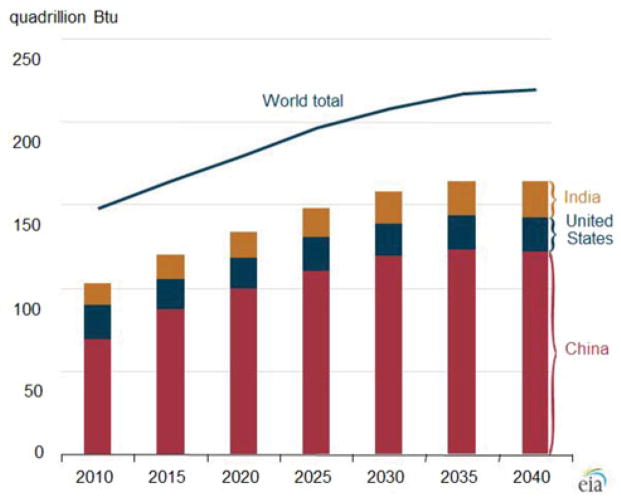
- US Department of Energy, E.I.A., Office of Coal, Nuclear, Electric and Alternate Fuels. [Accessed November 29, 2013];International energy outlook. Available at http://www.eia.gov/forecasts/ieo/coal.cfm. Published 2013.
-
- Humphries M, Sherlock MF. U.S. and world coal production, federal taxes, and incentives. [Accessed November 29, 2013];CRS Report R43011. Available at http://www.fas.org/sgp/crs/misc/R43011.pdf. Published 2013.
-
- Petsonk EL, Rose C, Cohen R. Coal mine dust lung disease. New lessons from old exposure. Am J Respir Crit Care Med. 2013;187:1178–1185. - PubMed
-
- Schreiber J, Koschel D, Kekow J, Waldburg N, Goette A, Merget R. Rheumatoid pneumoconiosis (Caplan’s syndrome) Eur J Intern Med. 2010;21:168–172. - PubMed
Publication types
MeSH terms
Substances
Grants and funding
LinkOut - more resources
Full Text Sources
Other Literature Sources
