


Fishing with bed nets on Lake Tanganyika: a randomized survey
- PMID: 25288487
- PMCID: PMC4198669
- DOI: 10.1186/1475-2875-13-395
Fishing with bed nets on Lake Tanganyika: a randomized survey
Abstract
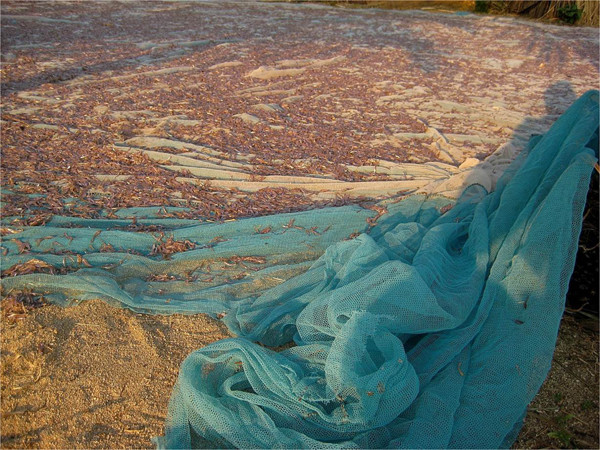
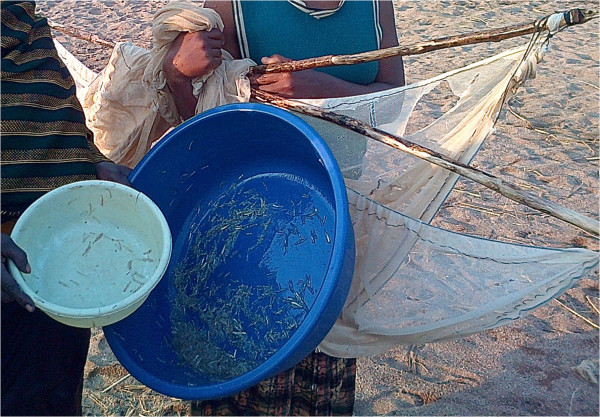
Background: Malaria is among the most common causes of death along Lake Tanganyika, a problem which many aid organizations have attempted to combat through the distribution of free mosquito bed nets to high-risk communities. The Lake Tanganyika Floating Health Clinic (LTFHC), a health-based non-governmental organization (NGO), has observed residents of the Lake Tanganyika basin using bed nets to fish small fry near the shoreline, despite a series of laws that prohibit bed net use and other fine-gauge nets for fishing, implemented to protect the near-shore fish ecology. The LTFHC sought to quantify the sources of bed nets and whether they were being used for fishing.
Methods: The LTFHC conducted a survey of seven lakeside villages in Lagosa Ward, Tanzania. The government has divided each village into two to six pre-existing geographic sub-villages depending on population size. Seven households per sub-village were chosen at random for survey administration. The survey consisted of 23 questions regarding mosquito bed net practices, including the use of bed nets for fishing, as well as questions pertaining to any perceived changes to the fish supply.
Results: A total of 196 surveys were administered over a four-week period with a 100% response rate. Over 87% of households surveyed have used a mosquito bed net for fishing at some point. The majority of respondents reported receiving their bed net for free (96.4%), observing "many" residents of their village using bed nets for fishing (97.4%), and noticing a subjective decrease in the fish supply over time (64.9%).
Conclusions: The findings of this study raise concerns that the use of free malaria bed nets for fishing is widespread along Lake Tanganyika, and that this dynamic will have an adverse effect on fish ecology. Further studies are indicated to fully define the scope of bed net misuse and the effects of alternative vector control strategies in water-based communities.
Figures
References
-
- WHO . World Malaria Report. Geneva: World Health Organization; 2013.
-
- Lengeler C. Insecticide-treated bed nets and curtains for preventing malaria. Cochrane Database Syst Rev. 2004;2:CD000363. - PubMed
-
- Lusaka Times: Don’t Use Mosquito Nets To Catch Fish. http://www.lusakatimes.com/2008/04/25/don%E2%80%99t-use-mosquito-nets-to...
-
- Butunyi C, Oloo E. Alarm as residents turn mosquito nets into fishing gear. Nation Media Group: Nairobi; 2008. The Daily Nation.
MeSH terms
LinkOut - more resources
Full Text Sources
Other Literature Sources
