


The influence of whole grain products and red meat on intestinal microbiota composition in normal weight adults: a randomized crossover intervention trial
- PMID: 25299601
- PMCID: PMC4192132
- DOI: 10.1371/journal.pone.0109606
The influence of whole grain products and red meat on intestinal microbiota composition in normal weight adults: a randomized crossover intervention trial
Abstract
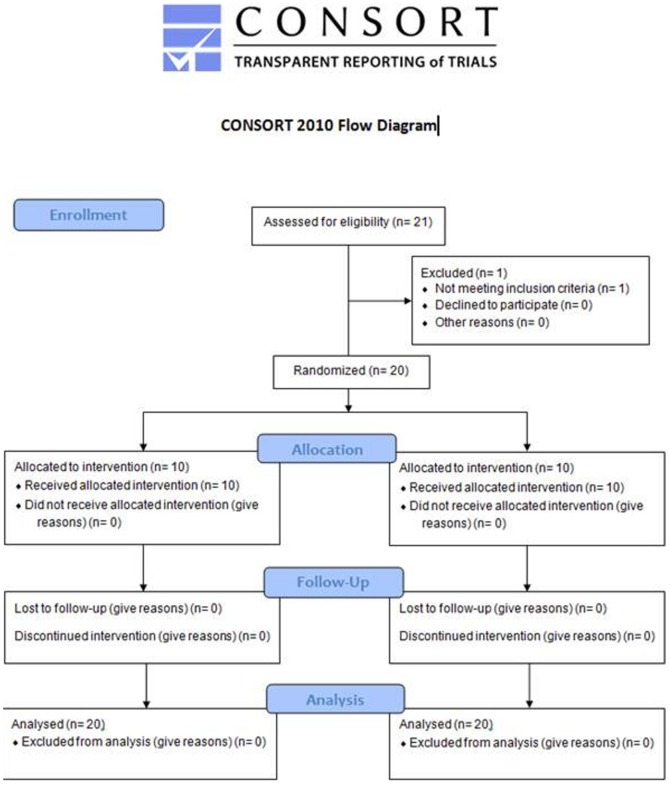
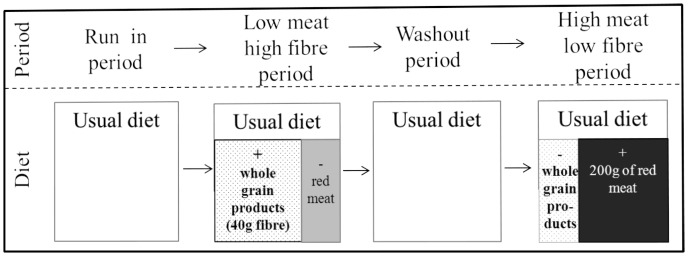
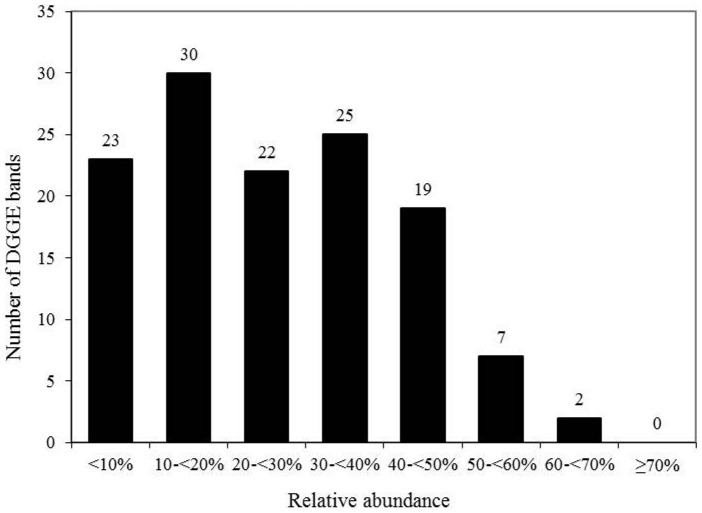
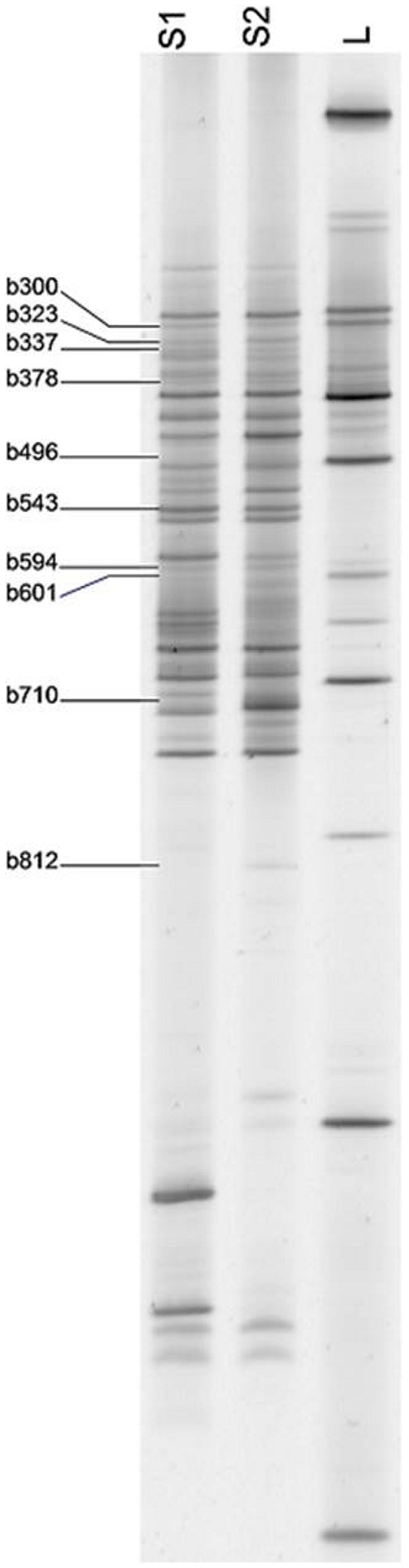
Intestinal microbiota is related to obesity and serum lipid levels, both risk factors for chronic diseases constituting a challenge for public health. We investigated how a diet rich in whole grain (WG) products and red meat (RM) influences microbiota. During a 10-week crossover intervention study, 20 healthy adults consumed two isocaloric diets, one rich in WG products and one high in RM. Repeatedly data on microbiota were assessed by 16S rRNA based denaturing gradient gel electrophoresis (DGGE). A blood sample and anthropometric data were collected. Mixed models and logistic regression were used to investigate effects. Microbiota showed interindividual variability. However, dietary interventions modified microbiota appearance: 8 bands changed in at least 4 participants during the interventions. One of the bands appearing after WG and one increasing after RM remained significant in regression models and were identified as Collinsella aerofaciens and Clostridium sp. The WG intervention lowered obesity parameters, while the RM diet increased serum levels of uric acid and creatinine. The study showed that diet is a component of major relevance regarding its influence on intestinal microbiota and that WG has an important role for health. The results could guide investigations of diet and microbiota in observational prospective cohort studies. Trial registration: ClinicalTrials.gov NCT01449383.
Conflict of interest statement
Figures
References
Publication types
MeSH terms
Substances
Associated data
Grants and funding
LinkOut - more resources
Full Text Sources
Other Literature Sources
Medical
