


Advancing the understanding of behaviors associated with Bacille Calmette Guérin infection using multivariate analysis
- PMID: 25300921
- PMCID: PMC4275396
- DOI: 10.1016/j.bbi.2014.09.018
Advancing the understanding of behaviors associated with Bacille Calmette Guérin infection using multivariate analysis
Abstract
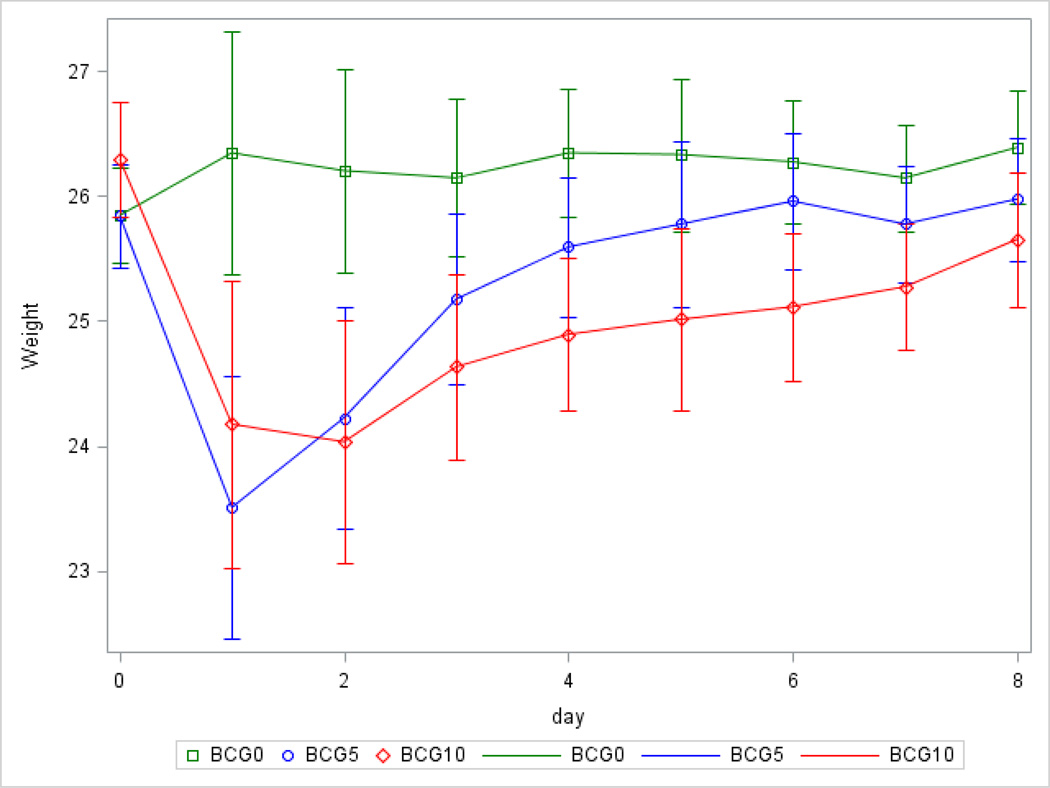
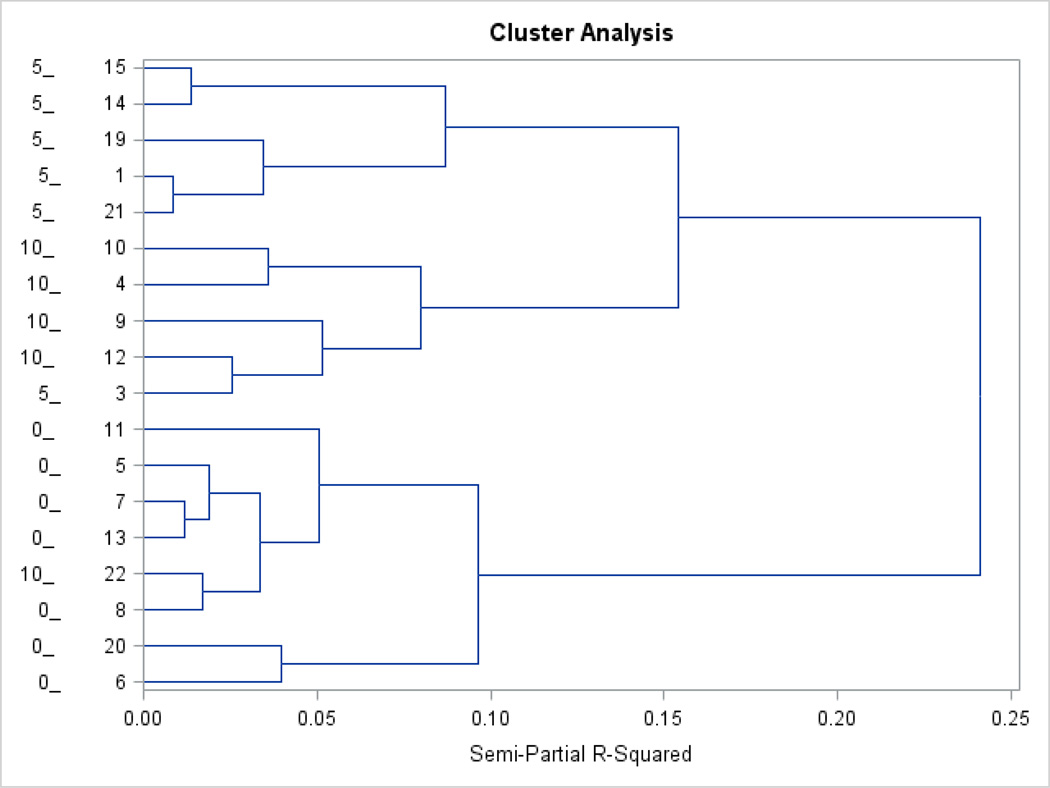
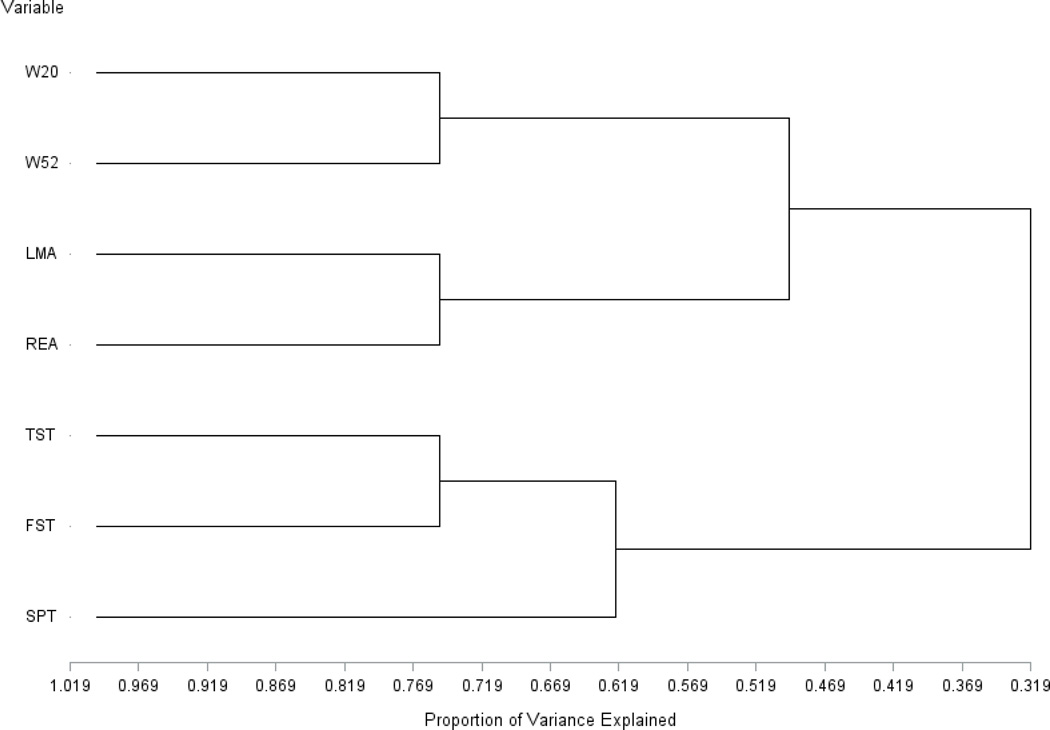
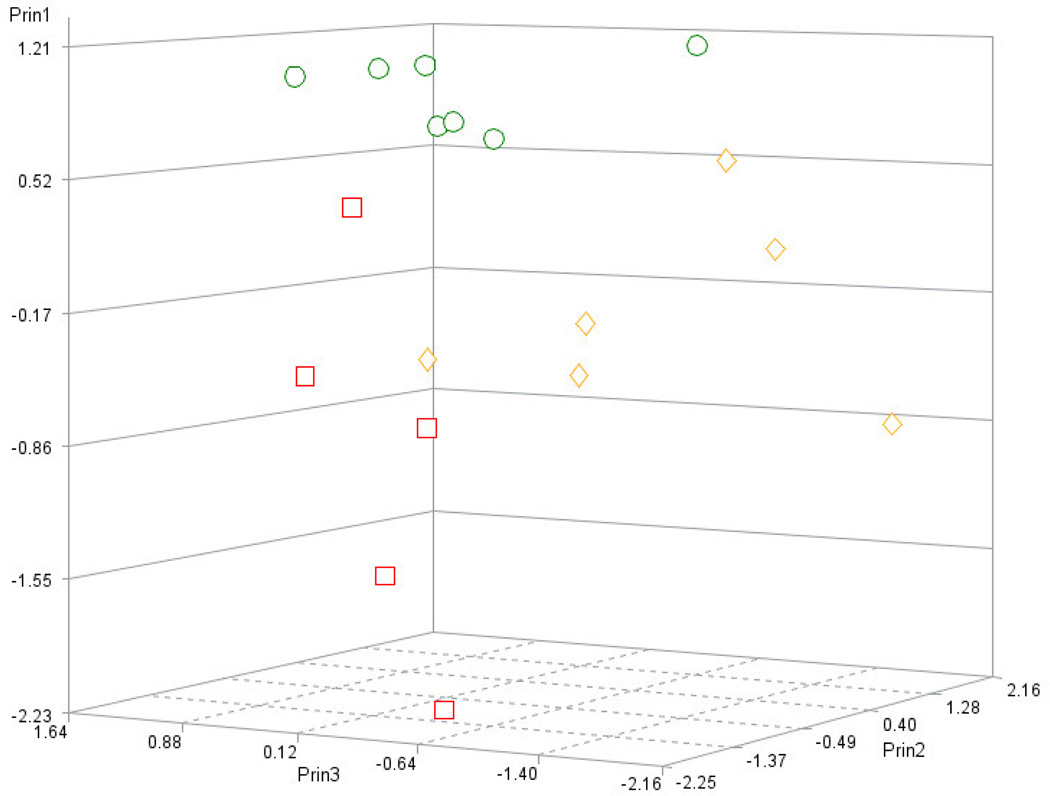
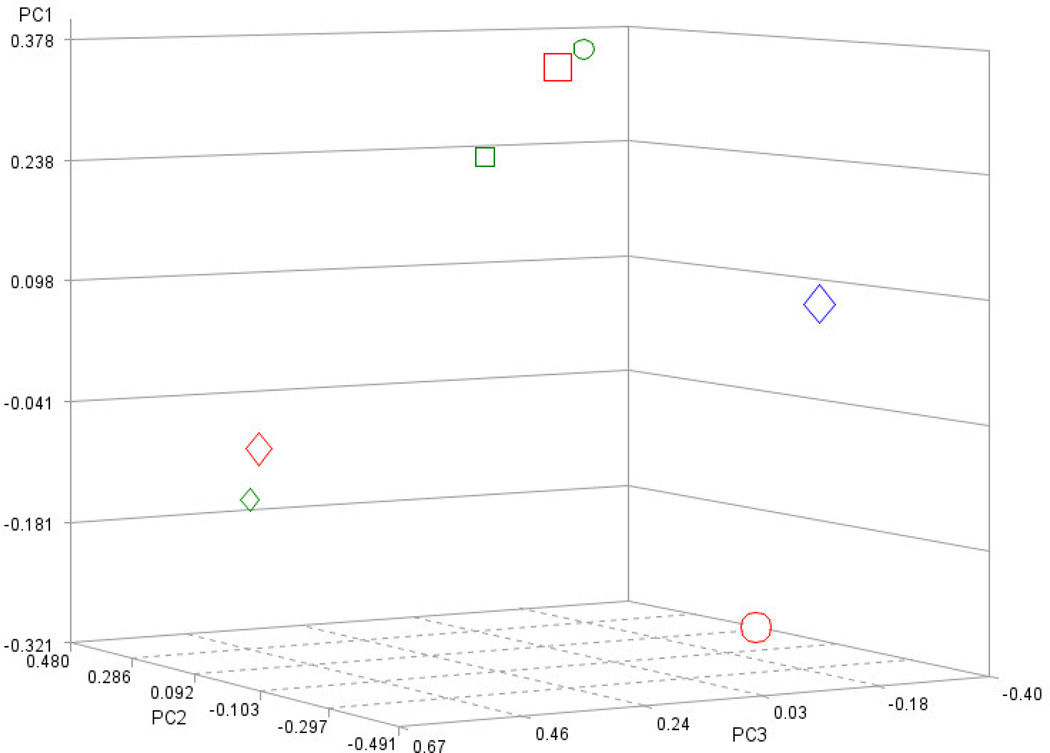
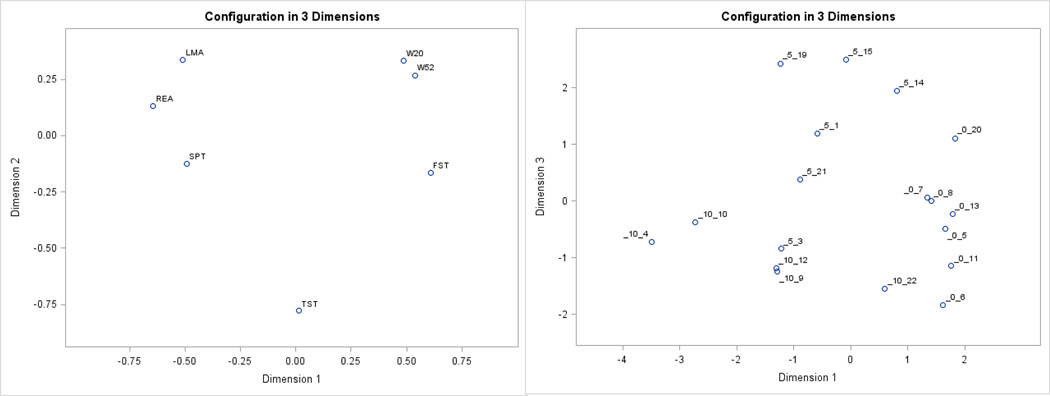
Behavioral indicators in the murine Bacille Calmette Guérin (BCG) model of inflammation have been studied individually; however, the variability of the behaviors across BCG levels and the mouse-to-mouse variation within BCG-treatment group are only partially understood. The objectives of this study were: (1) to gain a comprehensive understanding of sickness and depression-like behaviors in a BCG model of inflammation using multivariate approaches, and (2) to explore behavioral differences between BCG-treatment groups and among mice within group. Adult mice were challenged with either 0mg (saline), 5mg or 10mg of BCG (BCG-treatment groups: BCG0, BCG5, or BCG10, respectively) at Day 0 of the experiment. Sickness indicators included body weight changes between Day 0 and Day 2 and between Day 2 and Day 5, and horizontal locomotor activity and vertical activity (rearing) measured at Day 6. Depression-like indicators included duration of immobility in the forced swim test and in the tail suspension test at Day 6 and sucrose consumption in the sucrose preference test at Day 7. The simultaneous consideration of complementary sickness and depression-like indicators enabled a more precise characterization of behavioral changes associated with BCG-treatment and of mouse-to-mouse variation, relative to the analysis of indicators individually. Univariate and multivariate analyses confirmed differences between BCG-treatment groups in weight change early on the trial. Significant differences between BCG-treatment groups in depression-like behaviors were still measurable after Day 5. The potential for multivariate models to account for the correlation between behavioral indicators and to augment the analytical precision relative to univariate models was demonstrated both for sickness and for depression-like indicators. Unsupervised learning approaches revealed the complementary information provided by the sickness and depression-like indicators considered. Supervised learning approaches using cross-validation confirmed subtle differences between BCG-treatment groups and among mice within group identified by the consideration of sickness and depression-like indicators. These findings support the recommendation for multivariate and multidimensional analyses of sickness and depression-like indicators to augment the systemic understanding of the behavioral changes associated with infection.
Keywords: Cluster analysis; Depression-like indicator; Discriminant analysis; Principal component analysis; Sickness.
Copyright © 2014 The Authors. Published by Elsevier Inc. All rights reserved.
Figures
References
-
- Brown R, Corey S, Moore A. Differences in measures of exploration and fear in MHC-congenic C57BL/6J and B6-H-2K mice. Behavior Genetics. 1999;29(4):263–271.
-
- Brown R. Behavioural phenotyping of transgenic mice. Canadian Journal of Experimental Psychology/Revue canadienne de psychologie expérimentale. 2007;61(4):328–344. - PubMed
-
- Castagné V, Moser P, Roux S, Porsolt RD. Rodent models of depression: forced swim and tail suspension behavioral despair tests in rats and mice. Current Protocols in Neuroscience. 2011;8(8.10A):1–14. - PubMed
-
- Chesler EJ, Wilson SG, Lariviere WR, Rodriguez-Zas SL, Mogil JS. Influences of laboratory environment on behavior. Nature Neuroscience. 2002;5(11):1101–1102. - PubMed
Publication types
MeSH terms
Grants and funding
LinkOut - more resources
Full Text Sources
Other Literature Sources
Medical
