


De-acetylation and degradation of HSPA5 is critical for E1A metastasis suppression in breast cancer cells
- PMID: 25301734
- PMCID: PMC4279393
- DOI: 10.18632/oncotarget.2510
De-acetylation and degradation of HSPA5 is critical for E1A metastasis suppression in breast cancer cells
Abstract
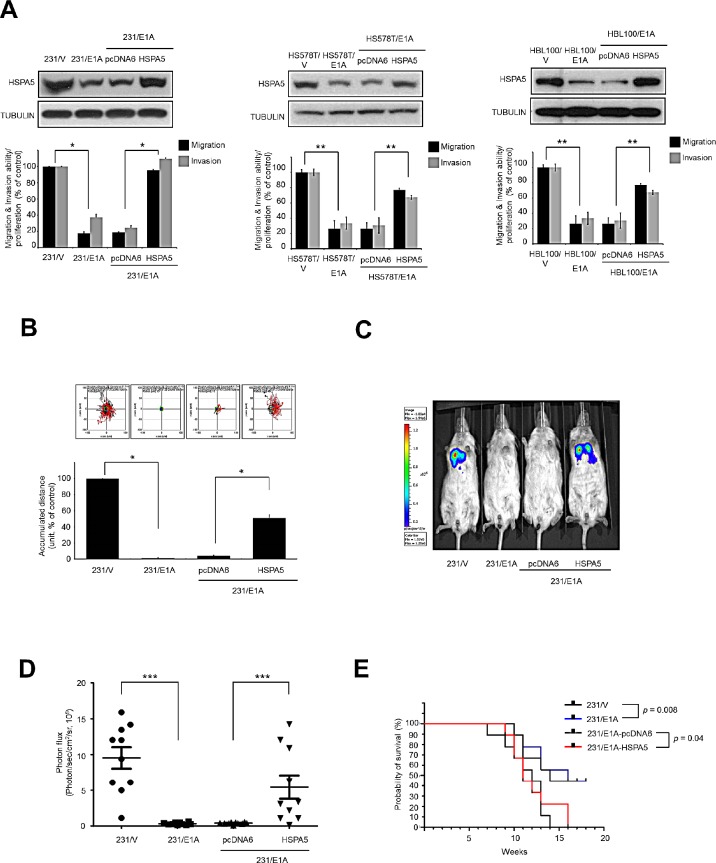
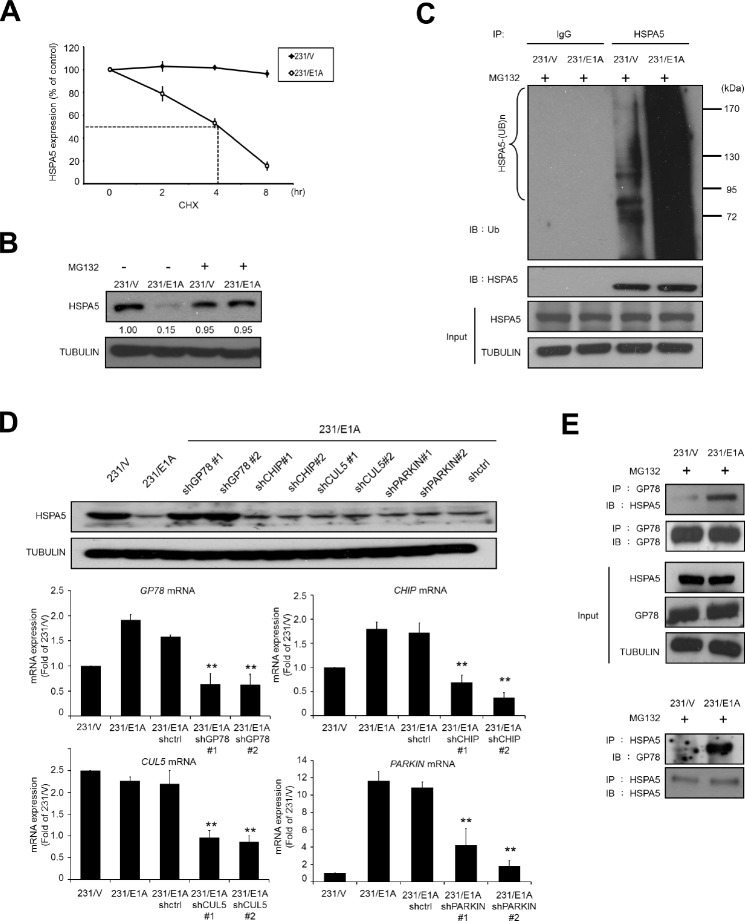
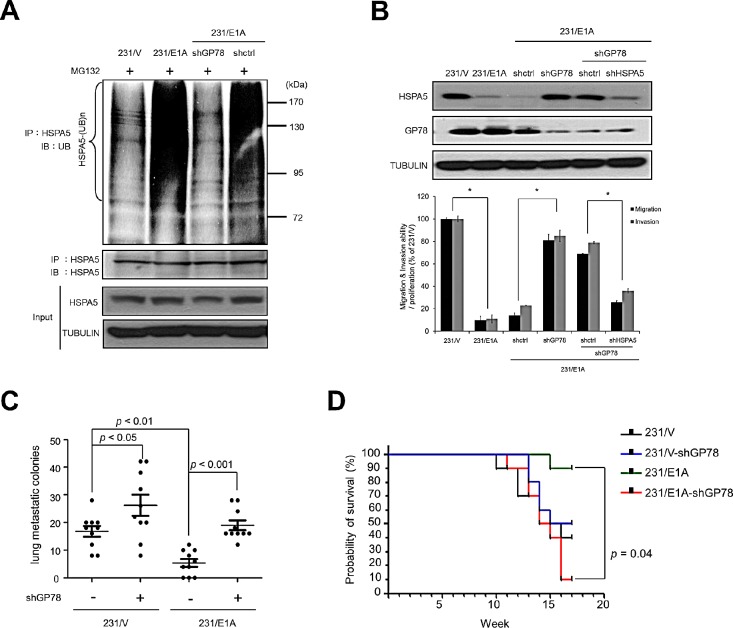
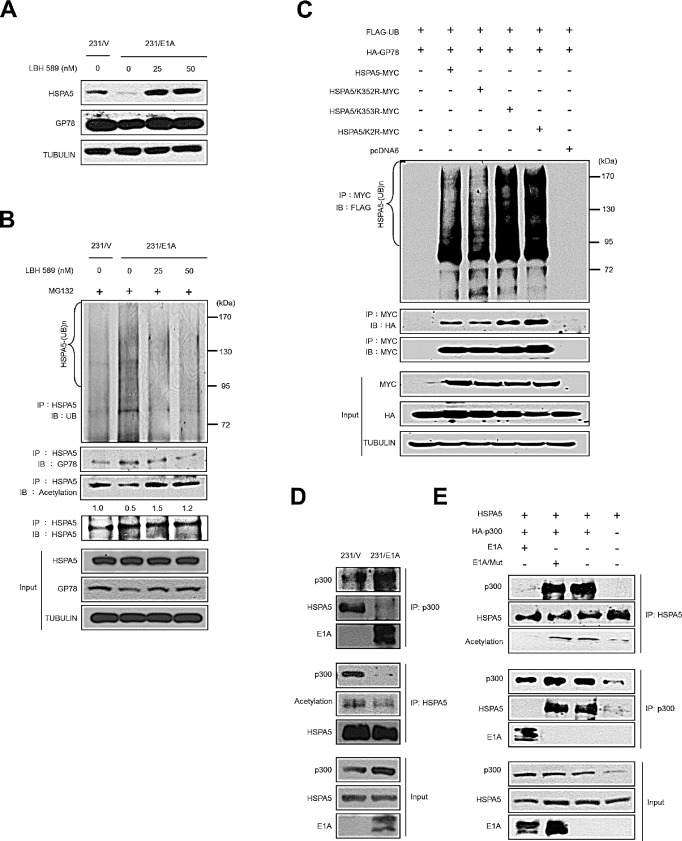
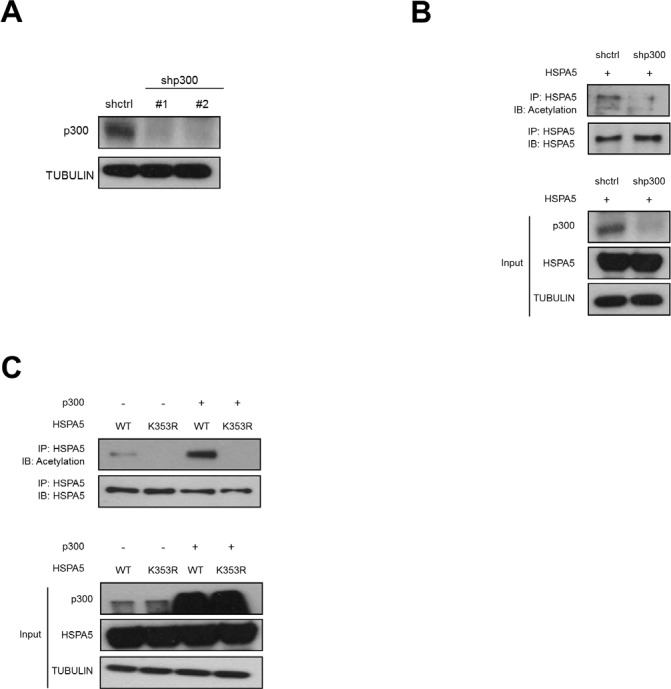
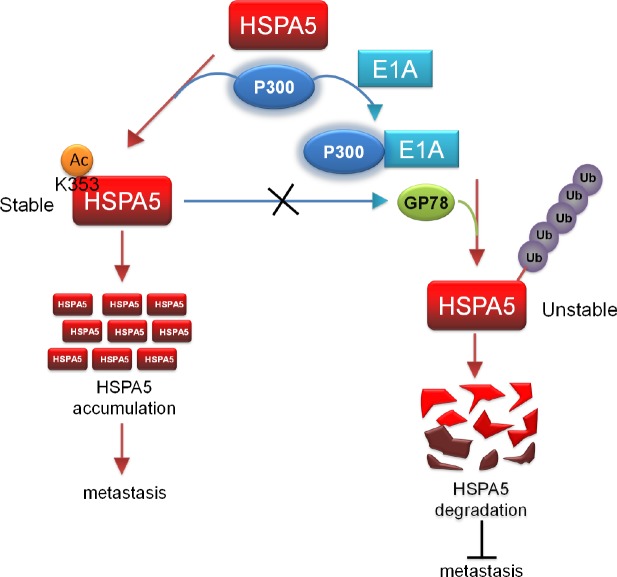
Elevated expression of heat shock protein 5 (HSPA5) promotes drug resistance and metastasis and is a marker of poor prognosis in breast cancer patients. Adenovirus type 5 E1A gene therapy has demonstrated antitumor efficacy but the mechanisms of metastasis-inhibition are unclear. Here, we report that E1A interacts with p300 histone acetyltransferase (HAT) and blocks p300-mediated HSPA5 acetylation at K353, which in turn promotes HSPA5 ubiquitination by GP78 (E3 ubiquitin ligase) and subsequent proteasome-mediated degradation. Our findings point out the Ying-Yang regulation of two different post-translational modifications (ubiquitination and acetylation) of HSPA5 in tumor metastasis.
Conflict of interest statement
The authors have declared that no conflict of interest exists.
Figures
References
-
- Siegel R, Naishadham D, Jemal A. Cancer statistics, 2013. CA: a cancer journal for clinicians. 2013;63(1):11–30. - PubMed
-
- Chalasani P, Downey L, Stopeck AT. Caring for the breast cancer survivor: a guide for primary care physicians. The American journal of medicine. 2010;123(6):489–495. - PubMed
-
- Ma Y, Hendershot LM. The role of the unfolded protein response in tumour development: friend or foe? Nature reviews Cancer. 2004;4(12):966–977. - PubMed
-
- Lee AS. The glucose-regulated proteins: stress induction and clinical applications. Trends Biochem Sci. 2001;26(8):504–510. - PubMed
Publication types
MeSH terms
Substances
LinkOut - more resources
Full Text Sources
Other Literature Sources
Medical
Molecular Biology Databases
Research Materials
Miscellaneous
