


Endocrine-disrupting actions of PCBs on brain development and social and reproductive behaviors
- PMID: 25310366
- PMCID: PMC4298313
- DOI: 10.1016/j.coph.2014.09.020
Endocrine-disrupting actions of PCBs on brain development and social and reproductive behaviors
Abstract
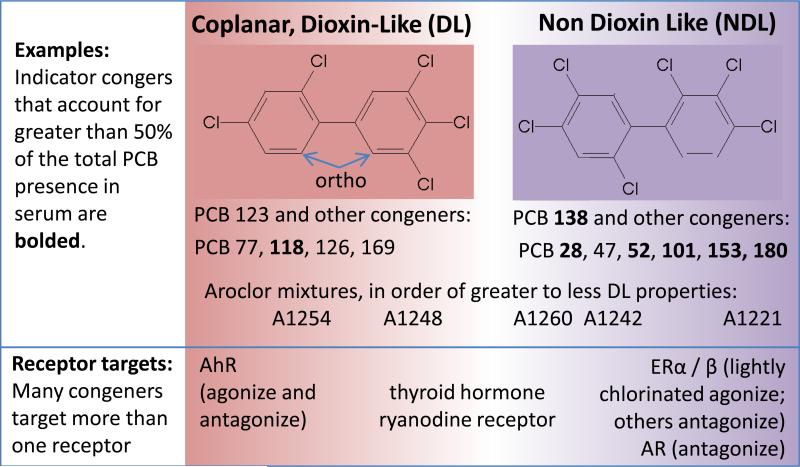
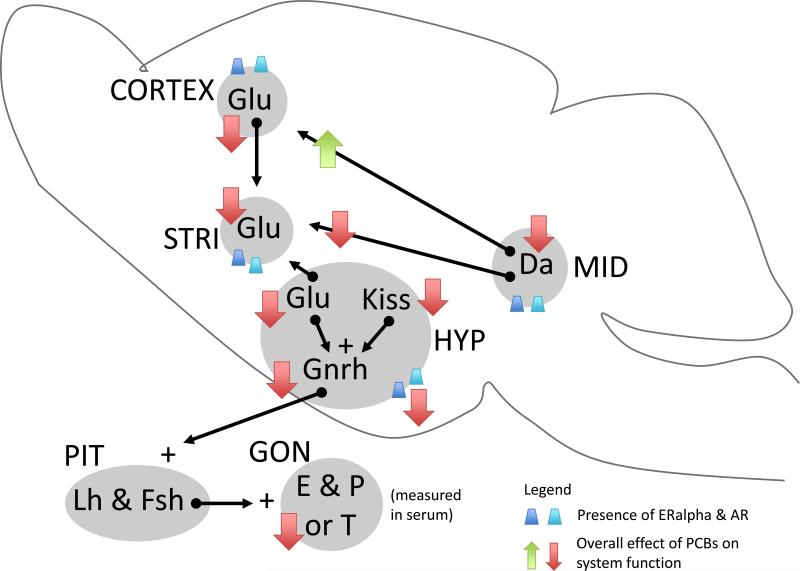
Polychlorinated biphenyls are among the most well-studied endocrine-disrupting chemicals (EDCs) for their neurobehavioral effects, especially neurodevelopment and cognitive performance. In addition, past research has demonstrated effects of PCBs on circulating hormones and associated changes in reproductive behaviors. This article will focus on recent advances that have been made in characterizing developmental PCB effects on reproductive function, broader social and affective behaviors, and the neuroendocrine mechanisms behind such changes. In general, PCBs seem to inhibit reproductive function by suppressing multiple aspects of the associated hypothalamic circuitry. Additionally, PCBs may also reduce motivation for social behaviors and induce depressive-like symptoms via overall reductions in dopaminergic and glutamatergic functions in the limbic system. However, more work with human-relevant exposure paradigms is needed to fully support these conclusions.
Copyright © 2014. Published by Elsevier Ltd.
Figures
References
-
- Gore AC. GnRH: The Master Molecule of Reproduction. Kluwer Academic Publishers; 2002.
-
- Blaustein JD, McCarthy MM. Phoenix, Goy, Gerall, and Young, Endocrinology, 1959: 50 years young and going strong. Endocrinology. 2009;150:2501. - PubMed
Publication types
MeSH terms
Substances
Grants and funding
LinkOut - more resources
Full Text Sources
Other Literature Sources
Miscellaneous
