


In Vitro Antibacterial Activity and Mechanism of Silver Nanoparticles against Foodborne Pathogens
- PMID: 25313307
- PMCID: PMC4182900
- DOI: 10.1155/2014/581890
In Vitro Antibacterial Activity and Mechanism of Silver Nanoparticles against Foodborne Pathogens
Abstract
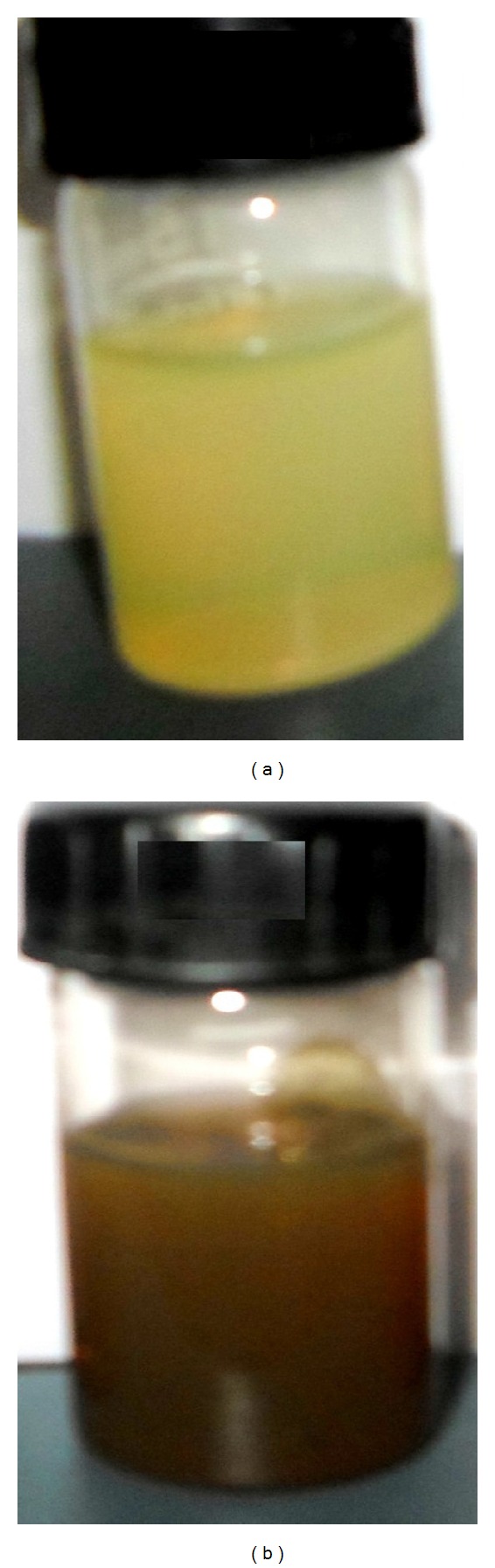
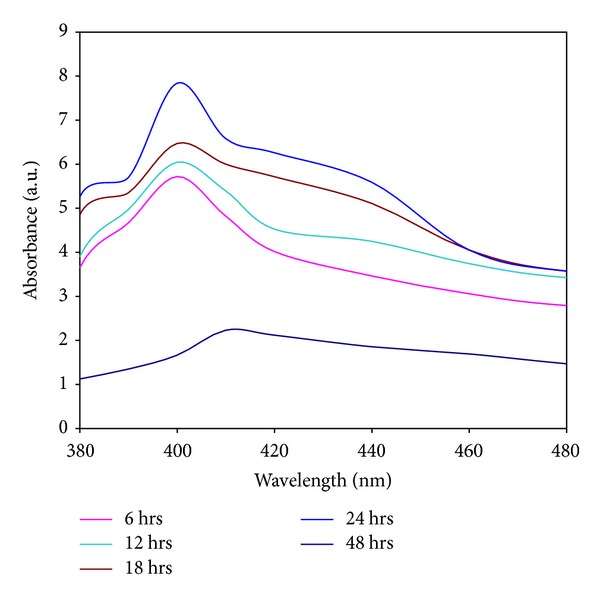
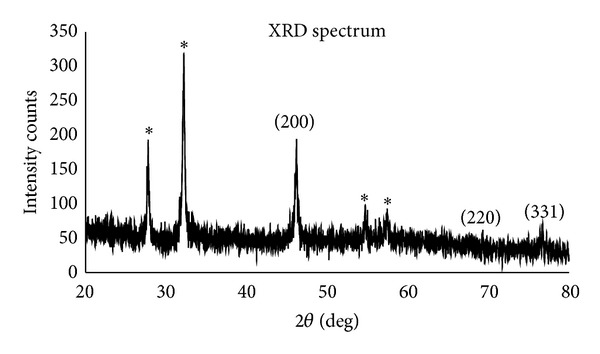
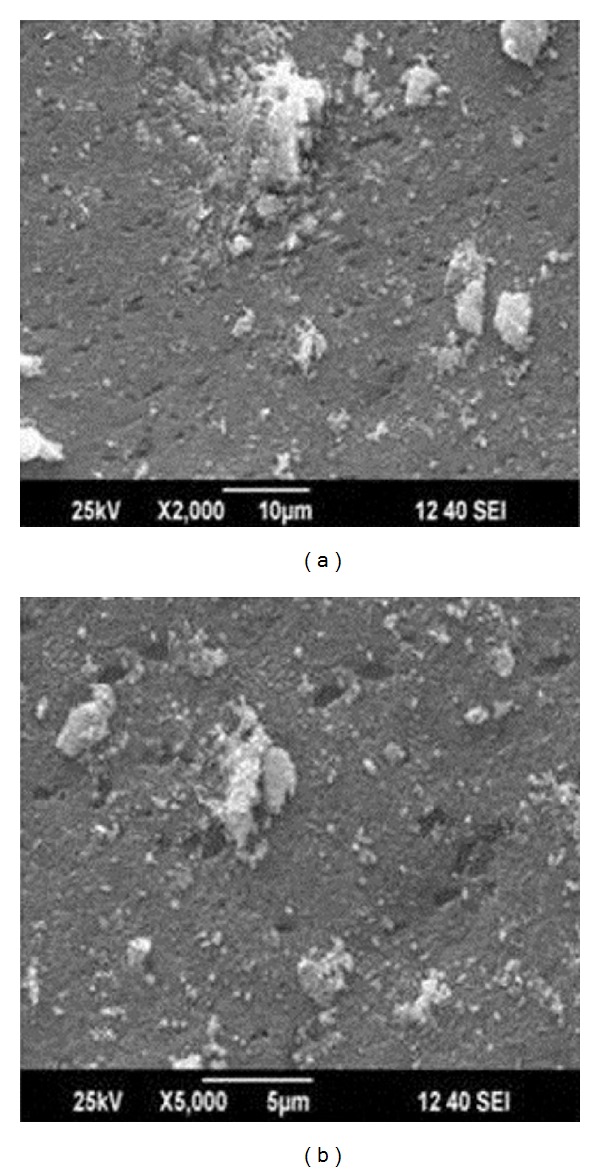
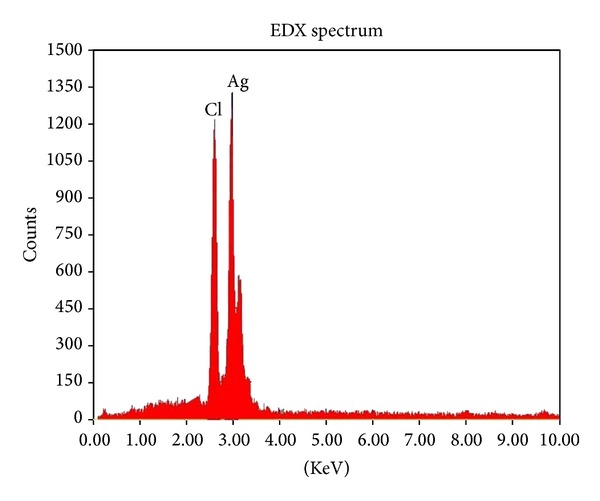
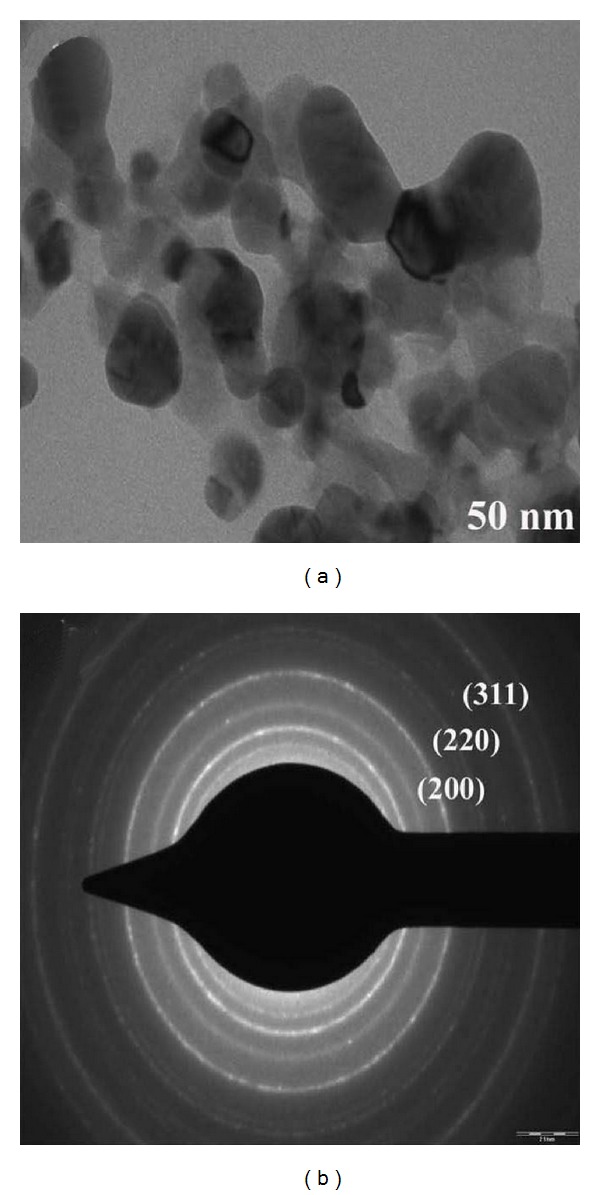
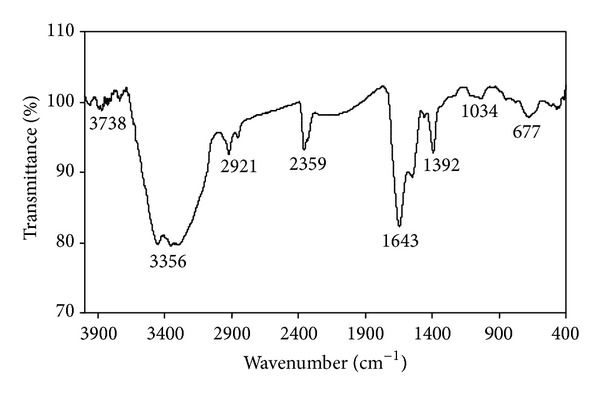
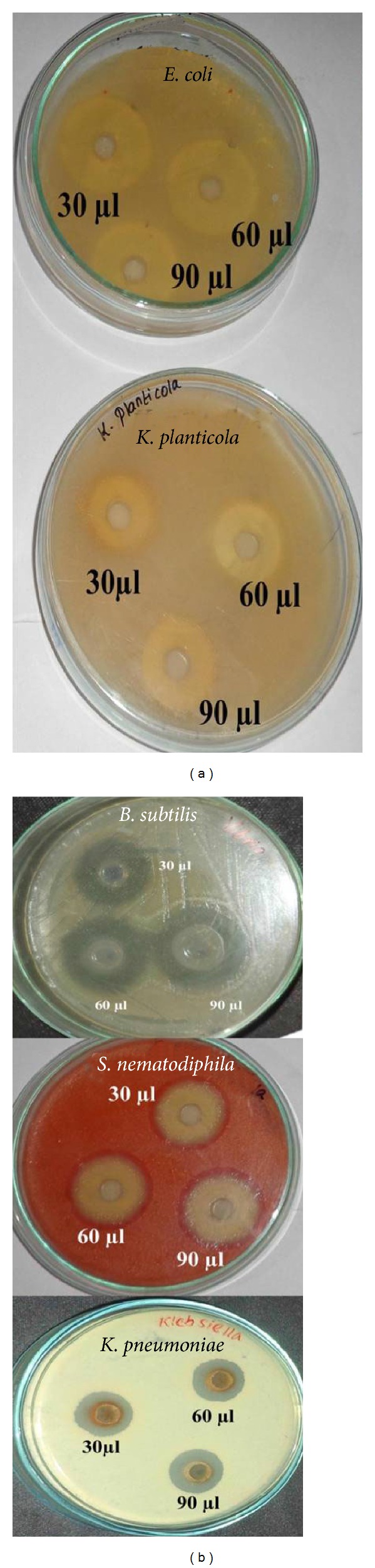
Biosynthesis of silver nanoparticles using Planomicrobium sp. and to explore the antibacterial activity against food borne pathogenic bacteria Bacillus subtilis, (3053) Klebsiella planticola (2727) Klebsiella pneumoniae (MAA) Serratia nematodiphila (CAA) and Escherichia coli. In the current studies, 1 mM of silver nitrate was added into 100 mL of Planomicrobium sp. culture supernatant. The bioreduction of pure AgNO3 was characterized by UV-visible spectroscopy, X-ray diffraction analysis (XRD), scanning electron microscopy (SEM), energy-dispersive analysis (EDS), transmission electron microscopy (TEM), and Fourier transform infrared (FT-IR) analysis. The formation of silver nanoparticles was confirmed by the presence of an absorption peak at 400 nm using UV-visible spectrophotometry. The morphology and size of the silver nanoparticles was monitored by TEM and SEM. Crystal structure was obtained by carrying out X-ray diffraction studies and it showed face centered cubic (FCC) structure. The bactericidal effect of silver nanoparticles was compared based on diameter of inhibition zone in well method. Bacterial sensitivity to nanoparticles a key factor in manufacture the suitable for long life application in food packaging and food safety. Food safety is a worldwide health goal and the food borne diseases get a main disaster on health. Therefore, controlling of bacterial pathogens in food is credit of harms associated to health and safety.
Figures
References
-
- Rhim J-W, Ng PKW. Natural biopolymer-based nanocomposite films for packaging applications. Critical Reviews in Food Science and Nutrition. 2007;47(4):411–433. - PubMed
-
- Robertson GL. Food Packaging: Principles and Practice. 2nd edition. New York, NY, USA: CRC Press, Taylor & Francis; 2006.
-
- Finnigan B. Barrier polymers. In: Yam KL, editor. The Wiley Encyclopedia of Packaging Technology. New York, NY, USA: John Wiley & Sons; 2009. pp. 103–109.
-
- Emamifar A, Kadivar M, Shahedi M, Soleimanian-Zad S. Effect of nanocomposite packaging containing Ag and ZnO on inactivation of Lactobacillus plantarum in orange juice. Food Control. 2011;22(3-4):408–413.
-
- Boisselier E, Astruc D. Gold nanoparticles in nanomedicine: preparations, imaging, diagnostics, therapies and toxicity. Chemical Society Reviews. 2009;38(6):1759–1782. - PubMed
LinkOut - more resources
Full Text Sources
Other Literature Sources
