


Alveolar ridge augmentation with titanium mesh. A retrospective clinical study
- PMID: 25317209
- PMCID: PMC4192861
- DOI: 10.2174/1874210601408010148
Alveolar ridge augmentation with titanium mesh. A retrospective clinical study
Abstract
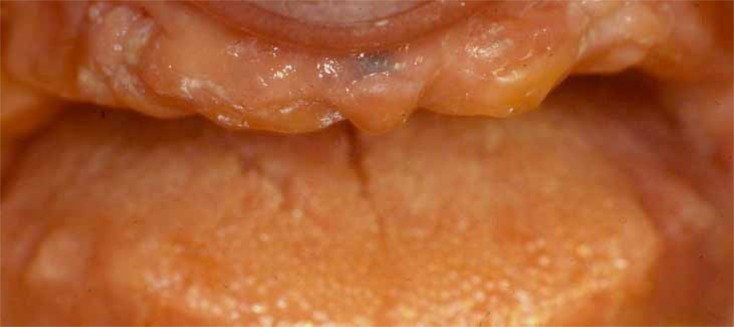
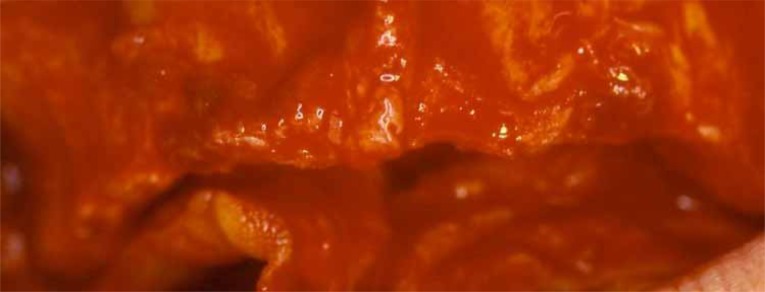
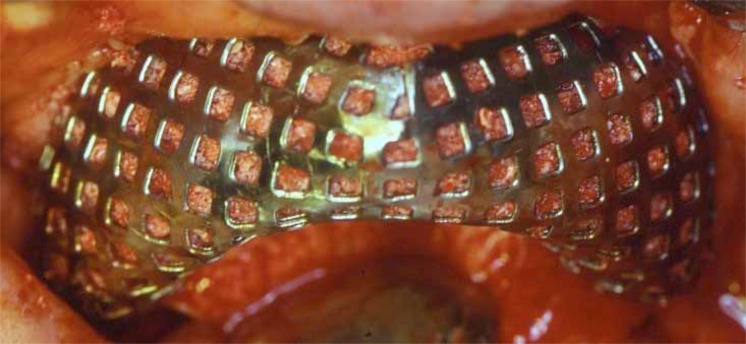
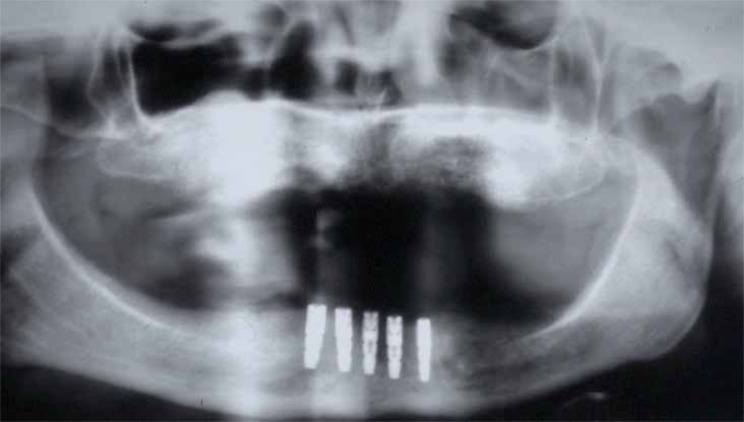
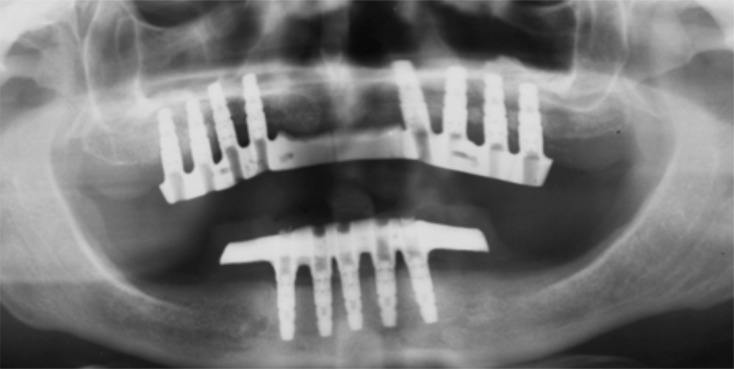
An adequate amount of bone all around the implant surface is essential in order to obtain long-term success of implant restoration. Several techniques have been described to augment alveolar bone volume in critical clinical situations, including guided bone regeneration, based on the use of barrier membranes to prevent ingrowth of the epithelial and gingival connective tissue cells. To achieve this goal, the use of barriers made of titanium micromesh has been advocated. A total of 13 patients were selected for alveolar ridge reconstruction treatment prior to implant placement. Each patient underwent a tridimensional bone augmentation by means of a Ti-mesh filled with intraoral autogenous bone mixed with deproteinized anorganic bovine bone in a 1:1 ratio. Implants were placed after a healing period of 6 months. Panoramic x-rays were performed after each surgical procedure and during the follow-up recalls. Software was used to measure the mesial and the distal peri-implant bone loss around each implant. The mean peri-implant bone loss was 1.743 mm on the mesial side and 1.913 mm on the distal side, from the top of the implant head to the first visible bone-implant contact, at a mean follow-up of 88 months. The use of Ti-mesh allows the regeneration of sufficient bone volume for ideal implant placement. The clinical advantages related to this technique include the possibility of correcting severe vertical atrophies associated with considerable reductions in width and the lack of major complications if soft-tissue dehiscence and mesh exposures do occur.
Keywords: Autogenous bone; bone augmentation; bone resorption; dental implants; guided bone regeneration; titanium me..
Figures



References
-
- Simion M, Trisi P, Piattelli A. Vertical ridge augmentation using a membrane technique associated with osseointegrat-ed implants. Int J Periodontics Restorative Dent. 1994;14: 497–511. - PubMed
-
- Mish CE. Contemporary implant dentistry. St Louis Mosby-Year Book. 1993:427–31.
-
- Engelke WG, Diederichs CG, Jacobs HG. Alveolar recon-struction with splitting osteotomy and microfixation of im-plants. Int J Oral Maxillofac Implants. 1997;12: 310–6. - PubMed
-
- Jensen OT, Cockrell R, Kuhike L, Reed C. Anterior maxil-lary alveolar distraction osteogenesis a prospective 5-year clinical study. Int J Oral Maxillofac Implants. 2002;17: 52–68. - PubMed
-
- Uckan S, Dolanmaz D, Kalayci A. Distraction osteogenesis of basal mandibular bone for reconstruction of the alveolar ridge. Br J Oral Maxillofac Surg. 2002;40: 393–9. - PubMed
LinkOut - more resources
Full Text Sources
Other Literature Sources