


Health correlates of insomnia symptoms and comorbid mental disorders in a nationally representative sample of US adolescents
- PMID: 25325502
- PMCID: PMC4288600
- DOI: 10.5665/sleep.4396
Health correlates of insomnia symptoms and comorbid mental disorders in a nationally representative sample of US adolescents
Abstract
Study objectives: To estimate the prevalence and health correlates of insomnia symptoms and their association with comorbid mental disorders in a nationally representative sample of adolescents in the United States.
Design: National representative cross-sectional study.
Setting: Population-based sample from the US adolescents.
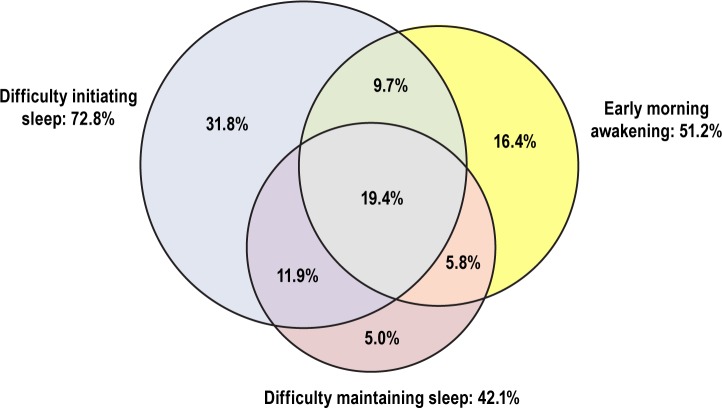
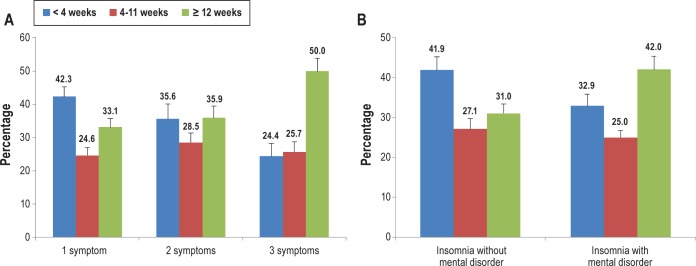
Measurements and results: A total of 6,483 individuals aged between 13–18 y in the National Comorbidity Survey-Adolescent Supplement (NCS-A) with both individual and parental reports of mental health were included in this study. Participants were classified with insomnia symptoms if they reported difficulty initiating sleep, difficulty maintaining sleep, and/or early morning awakening, nearly every day for at least 2 w in the past year. Nearly one-third of adolescents reported insomnia symptoms for at least 2 w during the previous year. Hispanic and black youth were significantly more likely to report insomnia symptoms (42.0% and 41.3%, respectively) than non-Hispanic white youth (30.4%). Adolescents with insomnia symptoms were at a higher risk for all classes of mental disorders {odds ratio [OR] (95% confidence interval [CI]: 3.4 (2.9–4.0)} including mood, anxiety, behavioral, substance use, and eating disorders, suicidality [OR (95% CI): 2.63 (1.34–5.16)], poor perceived mental health [OR (95% CI): 2.01 (1.02–3.96)], chronic medical conditions [OR (95% CI): 1.94 (1.55–2.43)], smoking [OR (95% CI: 2.60 (1.00–6.72)], and obesity [OR (95% CI: 1.46 (1.10–1.93)] than those without insomnia symptoms. Adolescents with insomnia symptoms and comorbid mental disorders manifested even greater rates of these indicators of negative health behaviors and disorders than those with mental disorders alone (P < 0.05).
Conclusions: Insomnia symptoms are reported by one-third of adolescents in the general population. Insomnia symptoms, even in the absence of concomitant depression or other mental disorders, are associated with serious health conditions, risk factors, and suicidality. Comorbid mental disorders potentiate the effect of insomnia symptoms on both physical and mental health. Further evaluation of the causes and effective interventions to reduce insomnia symptoms may have a significant effect on public health.
Figures
References
-
- Roth T, Coulouvrat C, Hajak G, et al. Prevalence and perceived health associated with insomnia based on DSM-IV-TR; International Statistical Classification of Diseases and Related Health Problems, Tenth Revision; and Research Diagnostic Criteria/International Classification of Sleep Disorders, Second Edition criteria: results from the America Insomnia Survey. Biol Psychiatry. 2011;69:592–600. - PubMed
-
- Johnson EO, Roth T, Schultz L, Breslau N. Epidemiology of DSM-IV insomnia in adolescence: lifetime prevalence, chronicity, and an emergent gender difference. Pediatrics. 2006;117:e247–56. - PubMed
Publication types
MeSH terms
Grants and funding
LinkOut - more resources
Full Text Sources
Other Literature Sources
Medical
Miscellaneous
