


International Society for Bipolar Disorders Task Force on Suicide: meta-analyses and meta-regression of correlates of suicide attempts and suicide deaths in bipolar disorder
- PMID: 25329791
- PMCID: PMC6296224
- DOI: 10.1111/bdi.12271
International Society for Bipolar Disorders Task Force on Suicide: meta-analyses and meta-regression of correlates of suicide attempts and suicide deaths in bipolar disorder
Abstract
Objectives: Bipolar disorder is associated with a high risk of suicide attempts and suicide death. The main objective of the present study was to identify and quantify the demographic and clinical correlates of attempted and completed suicide in people with bipolar disorder.
Methods: Within the framework of the International Society for Bipolar Disorders Task Force on Suicide, a systematic review of articles published since 1980, characterized by the key terms bipolar disorder and 'suicide attempts' or 'suicide', was conducted, and data extracted for analysis from all eligible articles. Demographic and clinical variables for which ≥ 3 studies with usable data were available were meta-analyzed using fixed or random-effects models for association with suicide attempts and suicide deaths. There was considerable heterogeneity in the methods employed by the included studies.
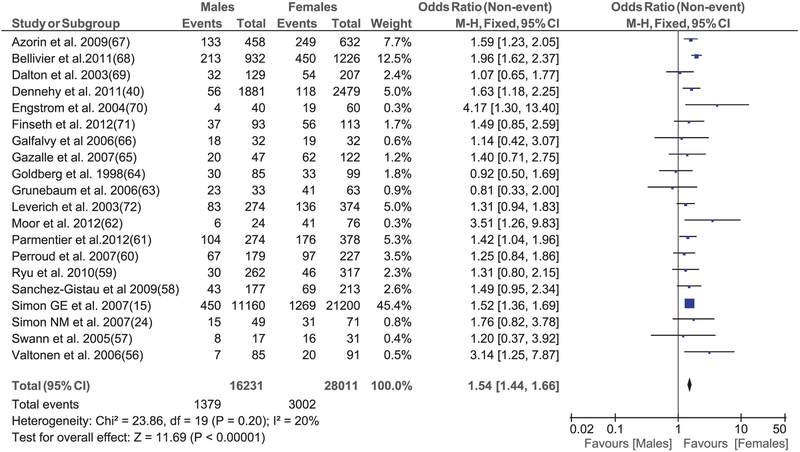
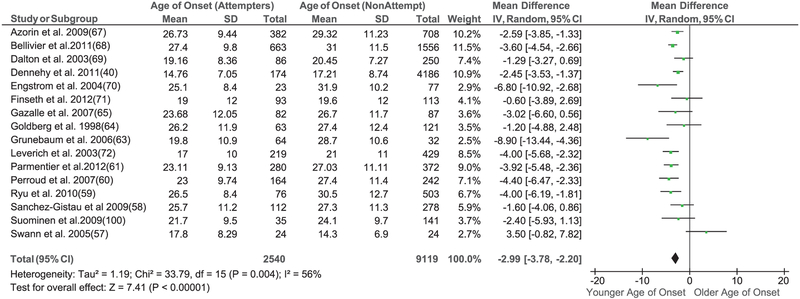
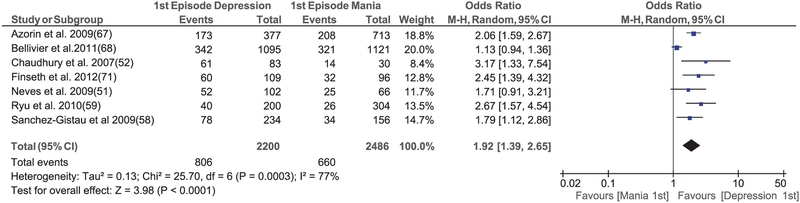
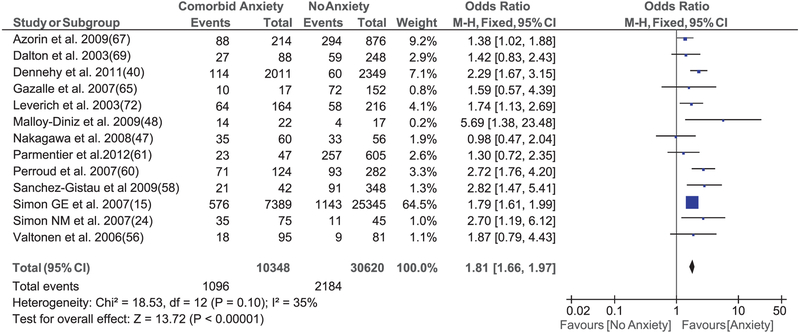
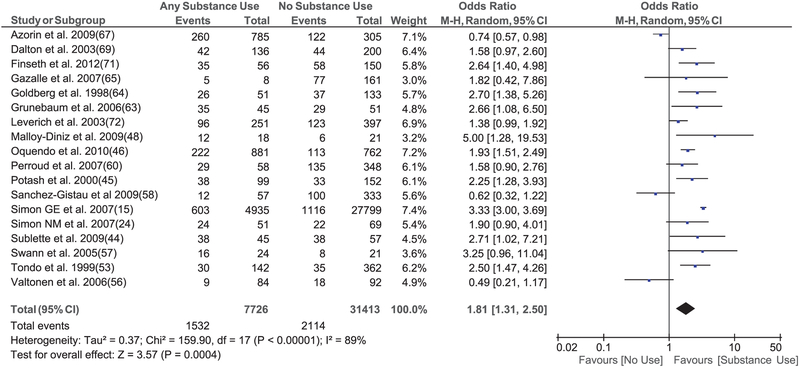
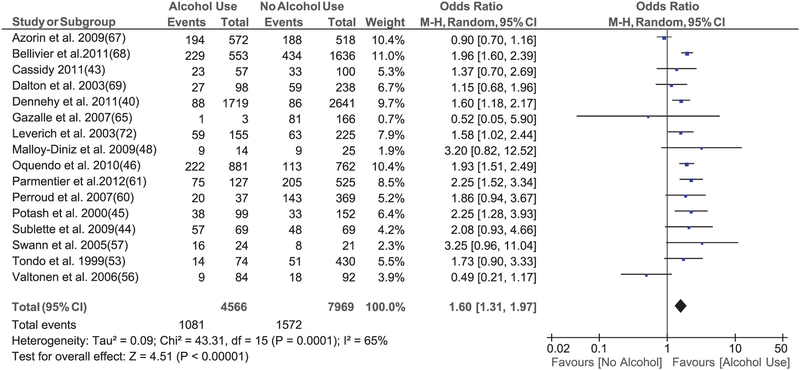
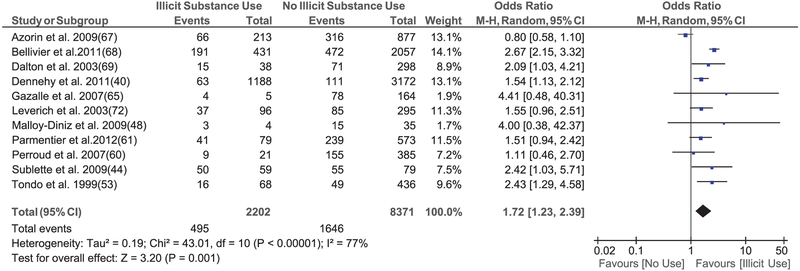
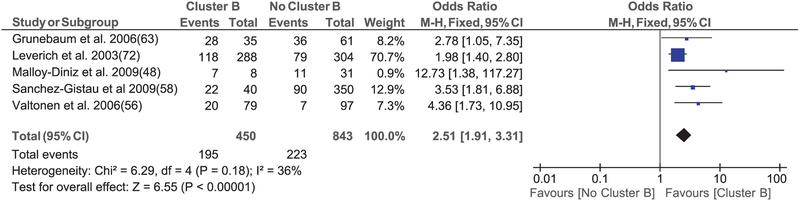
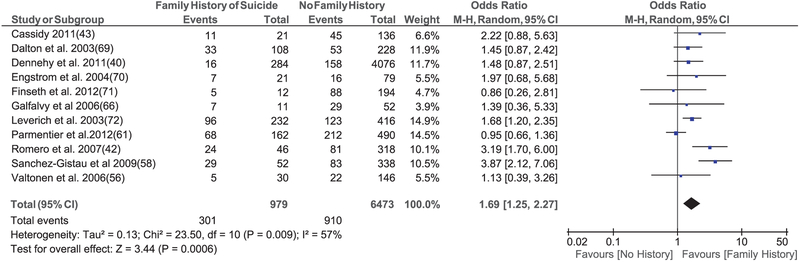
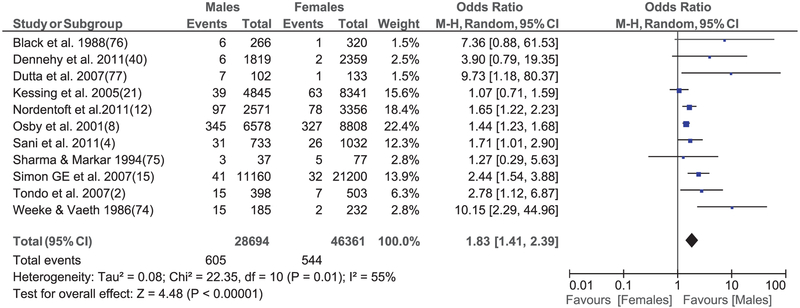
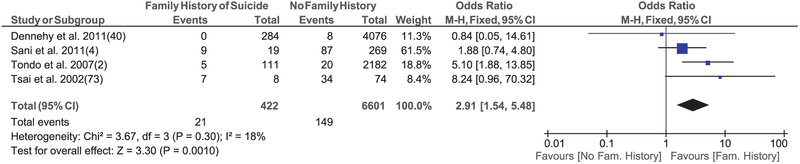
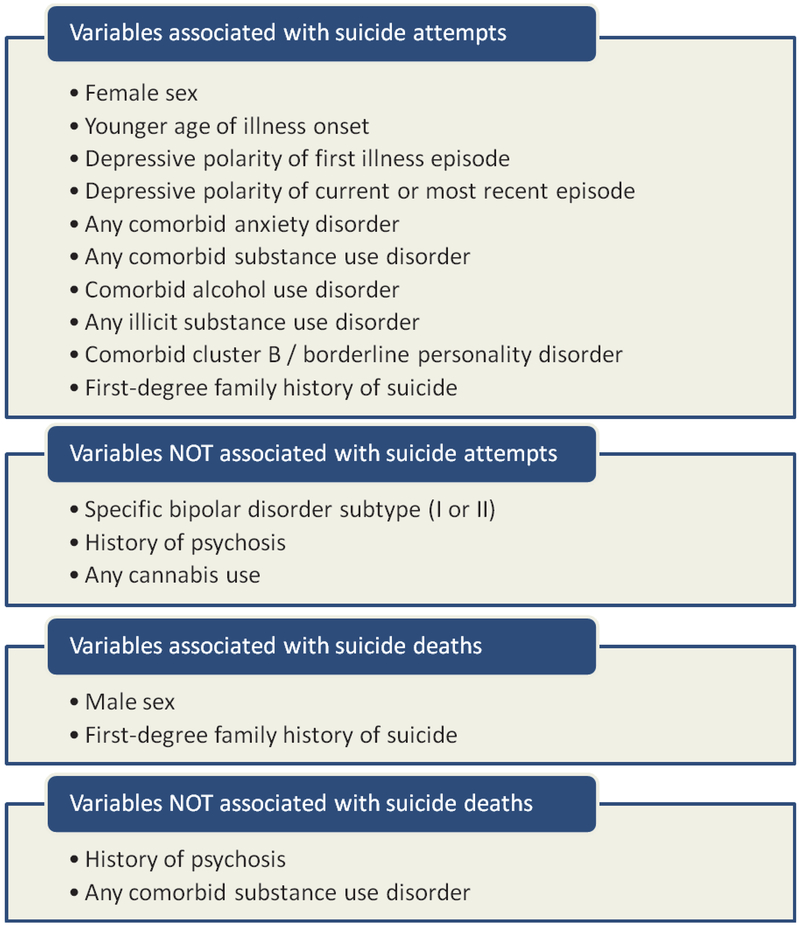
Results: Variables significantly associated with suicide attempts were: female gender, younger age at illness onset, depressive polarity of first illness episode, depressive polarity of current or most recent episode, comorbid anxiety disorder, any comorbid substance use disorder, alcohol use disorder, any illicit substance use, comorbid cluster B/borderline personality disorder, and first-degree family history of suicide. Suicide deaths were significantly associated with male gender and first-degree family history of suicide.
Conclusions: This paper reports on the presence and magnitude of the correlates of suicide attempts and suicide deaths in bipolar disorder. These findings do not address causation, and the heterogeneity of data sources should limit the direct clinical ranking of correlates. Our results nonetheless support the notion of incorporating diagnosis-specific data in the development of models of understanding suicide in bipolar disorder.
Keywords: bipolar disorder; meta-analysis; suicide.
© 2014 John Wiley & Sons A/S. Published by John Wiley & Sons Ltd.
Figures

Comment in
-
A bold meta-analysis on suicidality in bipolar disorder.Bipolar Disord. 2015 Feb;17(1):17-8. doi: 10.1111/bdi.12263. Epub 2014 Oct 24. Bipolar Disord. 2015. PMID: 25346160 No abstract available.
-
Identification of suicide risk in bipolar disorder.Bipolar Disord. 2015 Feb;17(1):22-3. doi: 10.1111/bdi.12264. Epub 2014 Oct 24. Bipolar Disord. 2015. PMID: 25346206 No abstract available.
-
Suicidal behaviour in bipolar disorder: understanding the role of affective states.Bipolar Disord. 2015 Feb;17(1):24-6. doi: 10.1111/bdi.12267. Epub 2014 Oct 24. Bipolar Disord. 2015. PMID: 25346260 No abstract available.
-
Thoughts on suicidal thinking in bipolar disorder.Bipolar Disord. 2015 Feb;17(1):19-21. doi: 10.1111/bdi.12276. Epub 2014 Nov 3. Bipolar Disord. 2015. PMID: 25363703 No abstract available.
-
Cannabis use disorder as a correlate of suicide attempts among people with bipolar disorder.Bipolar Disord. 2015 Feb;17(1):113-4. doi: 10.1111/bdi.12282. Epub 2014 Dec 9. Bipolar Disord. 2015. PMID: 25491127 No abstract available.
-
Dangerously mixed.Bipolar Disord. 2017 Jun;19(4):314-315. doi: 10.1111/bdi.12498. Epub 2017 May 11. Bipolar Disord. 2017. PMID: 28493632 No abstract available.
References
-
- Roy A Risk factors for suicide in psychiatric patients. Arch Gen Psychiatry 1982; 39: 1089–1095. - PubMed
-
- Tondo L, Lepri B, Baldessarini RJ. Suicidal risks among 2826 Sardinian major affective disorder patients. Acta Psychiatr Scand 2007; 116: 419–428. - PubMed
-
- Brown GK, Beck AT, Steer RA, Grisham JR. Risk factors for suicide in psychiatric outpatients: a 20-year prospective study. J Consult Clin Psychol 2000; 68: 371–377. - PubMed
-
- Sani G, Tondo L, Koukopoulos A et al. Suicide in a large population of former psychiatric inpatients. Psychiatry Clin Neurosci 2011; 65: 286–295. - PubMed
-
- Osborn D, Levy G, Nazareth I, King M. Suicide and severe mental illnesses. Cohort study within the UK general practice research database. Schizophr Res 2008; 99: 134–138. - PubMed
Publication types
MeSH terms
Grants and funding
LinkOut - more resources
Full Text Sources
Other Literature Sources
Medical
