


Correlation of apical fluid-regulating channel proteins with lung function in human COPD lungs
- PMID: 25329998
- PMCID: PMC4201481
- DOI: 10.1371/journal.pone.0109725
Correlation of apical fluid-regulating channel proteins with lung function in human COPD lungs
Abstract
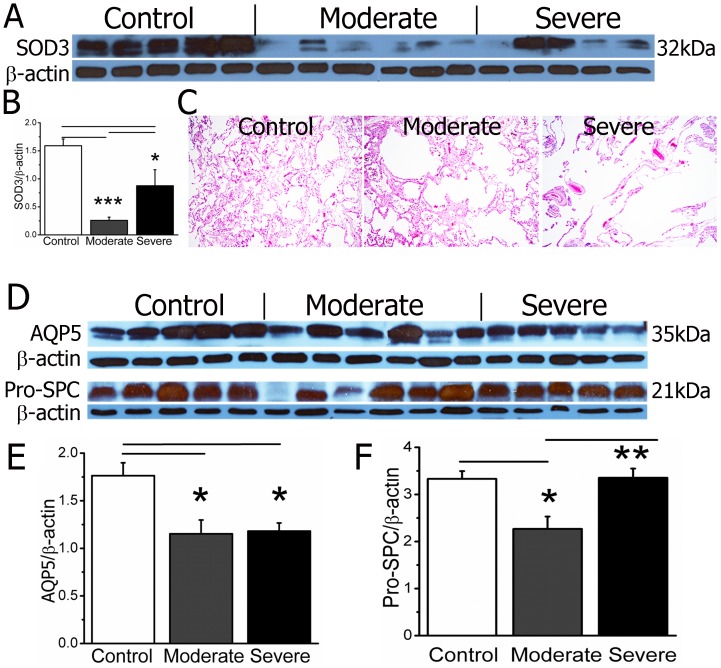
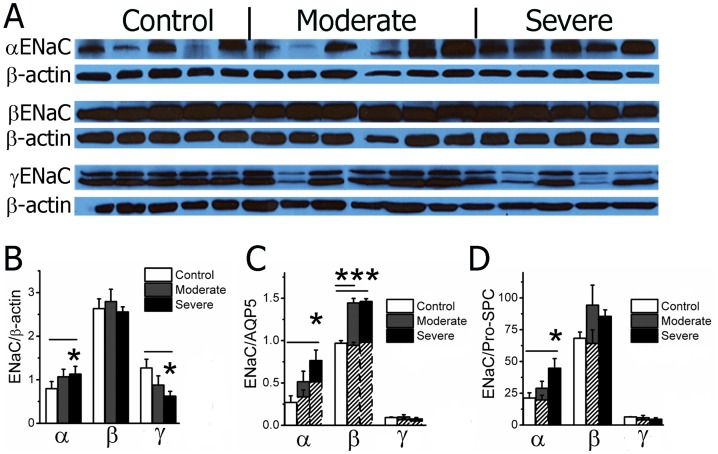
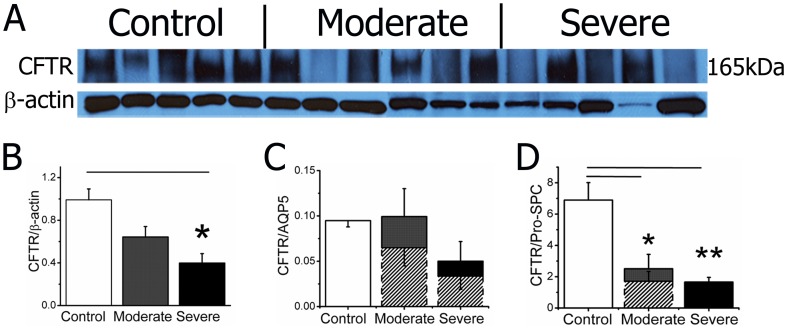
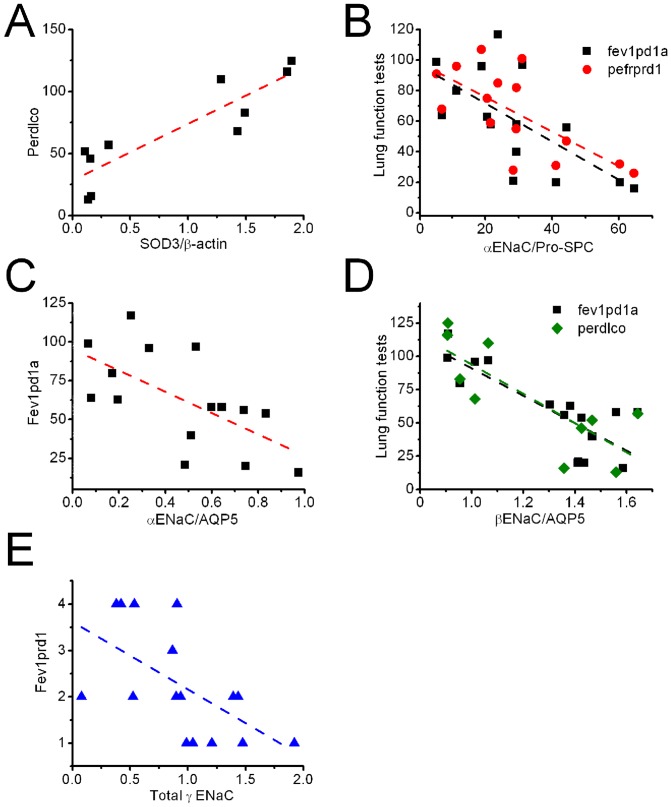
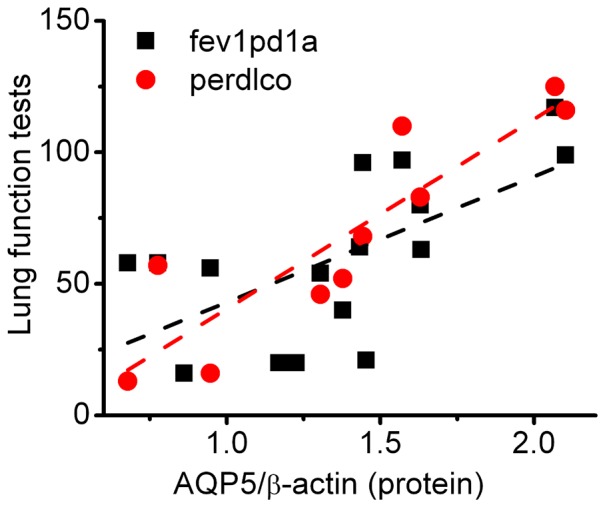
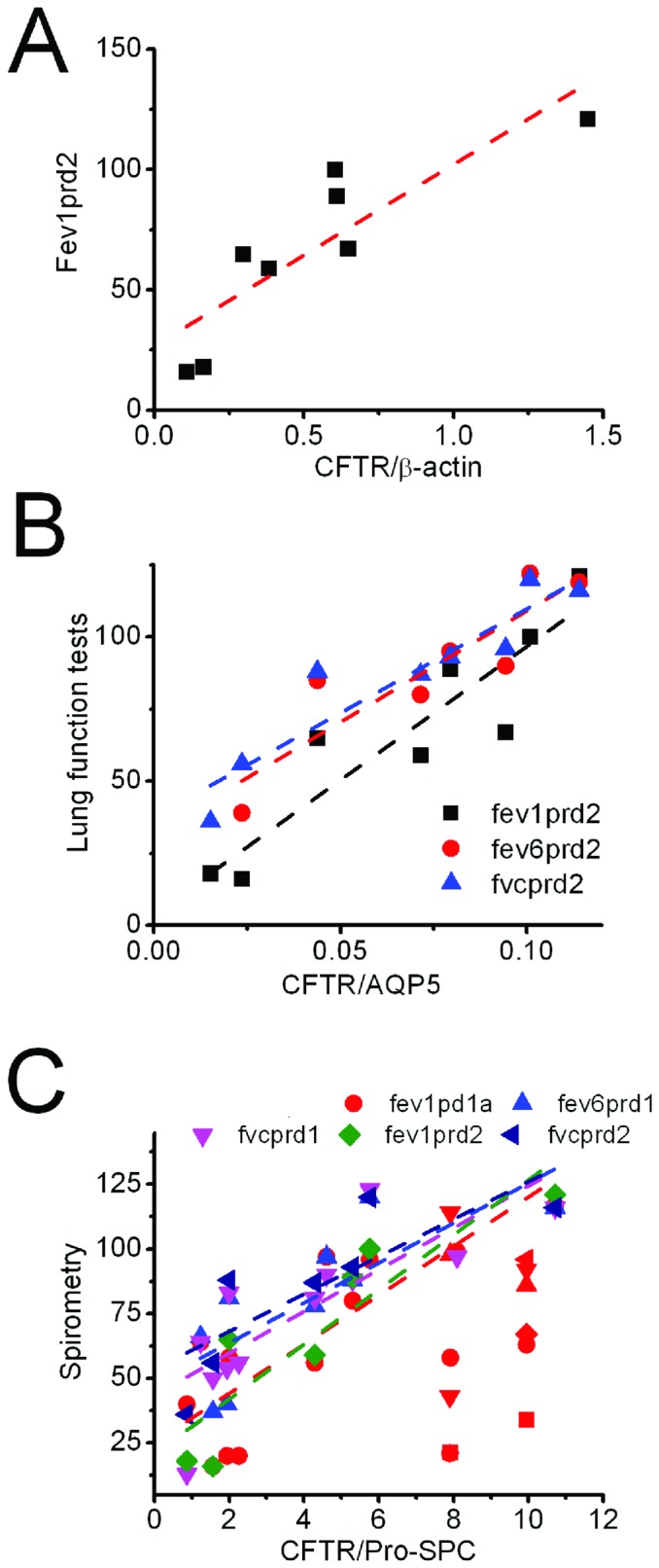
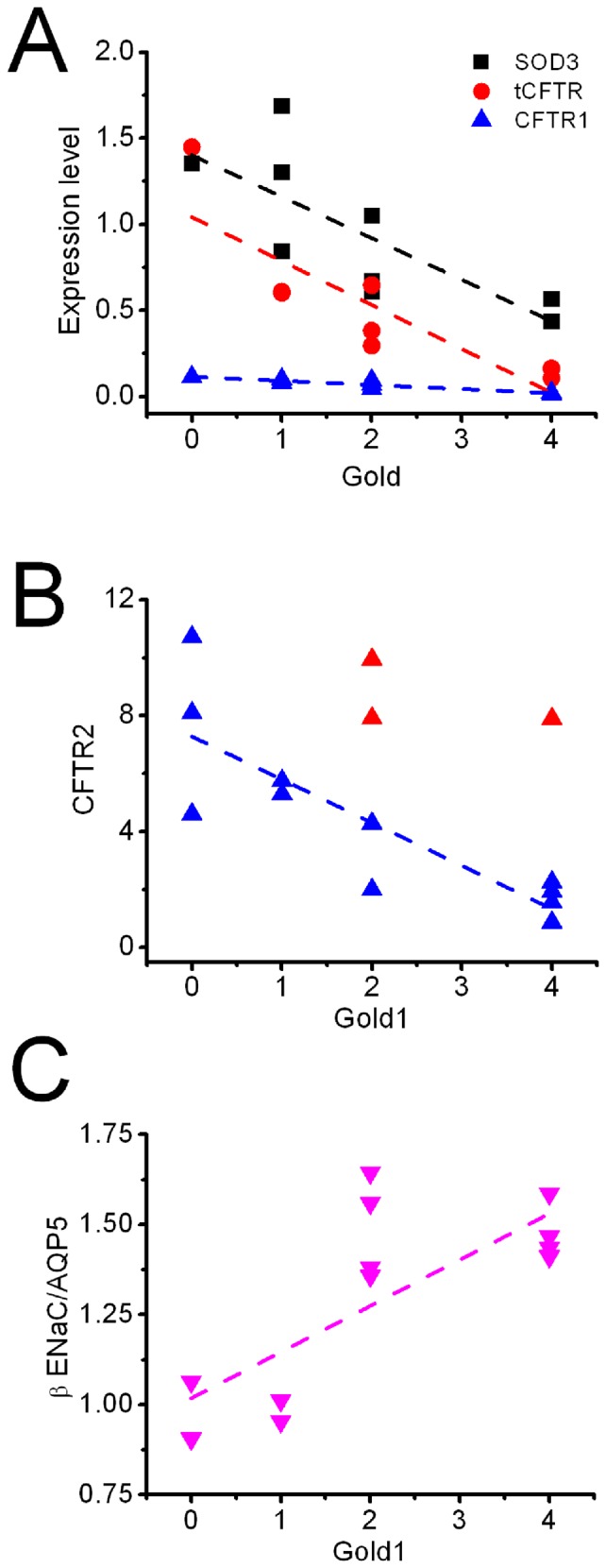
Links between epithelial ion channels and chronic obstructive pulmonary diseases (COPD) are emerging through animal model and in vitro studies. However, clinical correlations between fluid-regulating channel proteins and lung function in COPD remain to be elucidated. To quantitatively measure epithelial sodium channels (ENaC), cystic fibrosis transmembrane conductance regulator (CFTR), and aquaporin 5 (AQP5) proteins in human COPD lungs and to analyze the correlation with declining lung function, quantitative western blots were used. Spearman tests were performed to identify correlations between channel proteins and lung function. The expression of α and β ENaC subunits was augmented and inversely associated with lung function. In contrast, both total and alveolar type I (ATI) and II (ATII)-specific CFTR proteins were reduced. The expression level of CFTR proteins was associated with FEV1 positively. Abundance of AQP5 proteins and extracellular superoxide dismutase (SOD3) was decreased and correlated with spirometry test results and gas exchange positively. Furthermore, these channel proteins were significantly associated with severity of disease. Our study demonstrates that expression of ENaC, AQP5, and CFTR proteins in human COPD lungs is quantitatively associated with lung function and severity of COPD. These apically located fluid-regulating channels may thereby serve as biomarkers and potent druggable targets of COPD.
Conflict of interest statement
Figures
References
-
- Mahadeva R, Shapiro SD (2005) Animal models of pulmonary emphysema. Curr Drug Targets Inflamm Allergy 4: 665–673. - PubMed
Publication types
MeSH terms
Substances
Grants and funding
LinkOut - more resources
Full Text Sources
Other Literature Sources
Medical
Miscellaneous
