


Sexual dimorphism in the effects of exercise on metabolism of lipids to support resting metabolism
- PMID: 25339941
- PMCID: PMC4188128
- DOI: 10.3389/fendo.2014.00162
Sexual dimorphism in the effects of exercise on metabolism of lipids to support resting metabolism
Erratum in
-
Corrigendum: sexual dimorphism in the effects of exercise on metabolism of lipids to support resting metabolism.Front Endocrinol (Lausanne). 2014 Nov 27;5:200. doi: 10.3389/fendo.2014.00200. eCollection 2014. Front Endocrinol (Lausanne). 2014. PMID: 25505895 Free PMC article. No abstract available.
Abstract
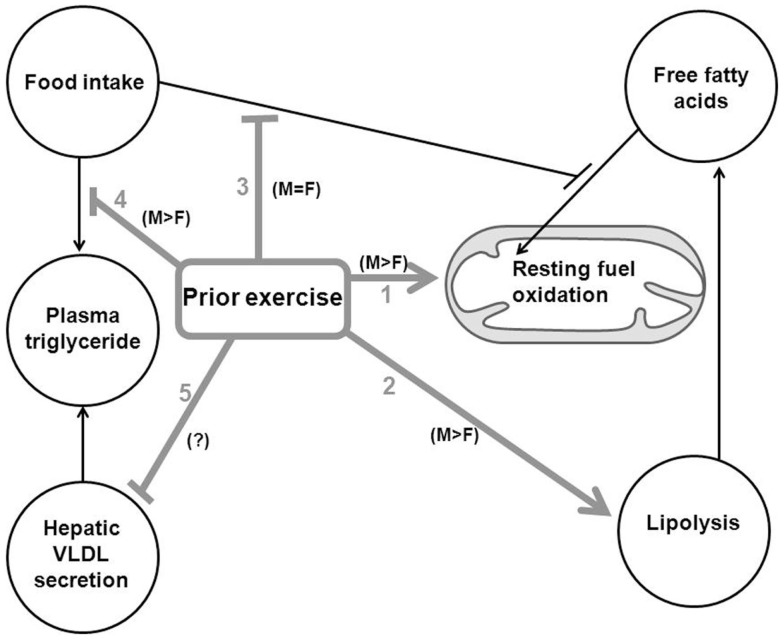
Exercise training is generally a healthful activity and an effective intervention for reducing the risk of numerous chronic diseases including cardiovascular disease and diabetes. This is likely both a result of prevention of weight gain over time and direct effects of exercise on metabolism of lipids and the other macronutrient classes. Importantly, a single bout of exercise can alter lipid metabolism and metabolic rate for hours and even into the day following exercise, so individuals who regularly exercise, even if not performed every single day, overall could experience a substantial change in their resting metabolism that would reduce risk for metabolic diseases. However, resting metabolism does not respond similarly in all individuals to exercise participation, and indeed gender or sex is a major determinant of the response of resting lipid metabolism to prior exercise. In order to fully appreciate the metabolic effects and health benefits of exercise, the differences between men and women must be considered. In this article, the differences in the effects of exercise on resting metabolic rate, fuel selection after exercise, as well as the shuttling of triglyceride and fatty acids between tissues are discussed. Furthermore, concepts related to sex differences in the precision of homeostatic control and sex differences in the integration of metabolism between various organs are considered.
Keywords: EPOC; RMR; fat oxidation; physical activity; post-exercise recovery.
Figures
References
-
- Paffenbarger RS, Jr, Wing AL, Hyde RT. Physical activity as an index of heart attack risk in college alumni. Am J Epidemiol (1978) 108:161–75 - PubMed
Publication types
LinkOut - more resources
Full Text Sources
Other Literature Sources
