


Amyloid A amyloidosis with subcutaneous drug abuse
- PMID: 25340157
- PMCID: PMC4206034
- DOI: 10.12861/jrip.2014.06
Amyloid A amyloidosis with subcutaneous drug abuse
Abstract
Introduction: Amyloid A (AA) amyloidosis is a systemic form of amyloidosis secondary to chronic infections and inflammatory disorders. An acute-phase protein produced by the liver, serum amyloid A (SAA) is the precursor of AA amyloid fibrils. AA amyloid deposition occurs predominantly in the kidneys, spleen, adrenal glands, liver and gastrointestinal tract. The manifestations of AA amyloidosis involving the kidneys include proteinuria, tubular dysfunction and progressive loss of renal function.
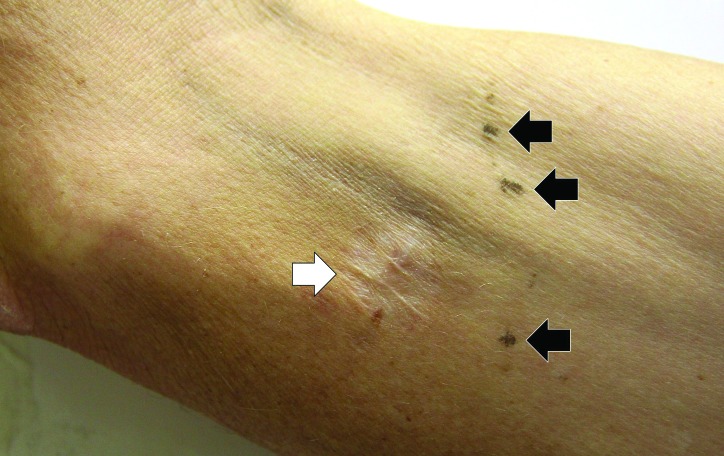
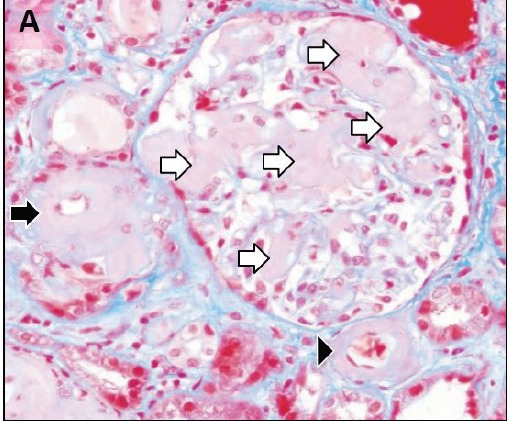
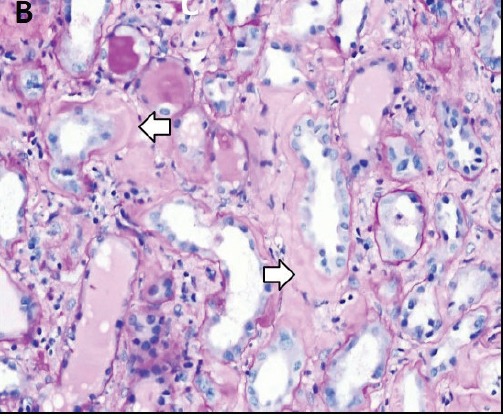
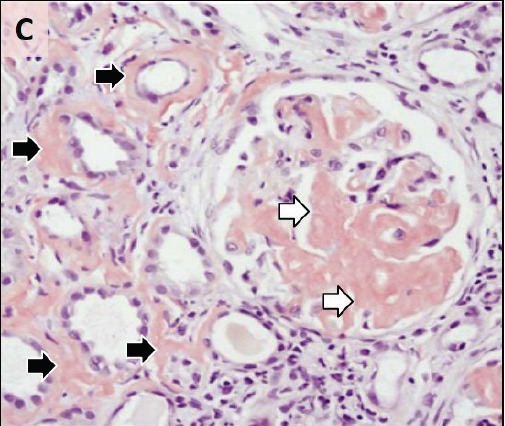
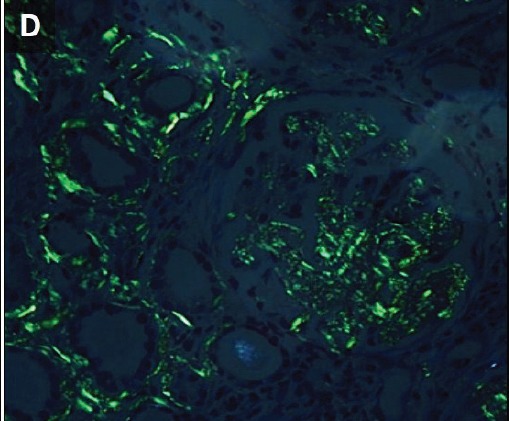
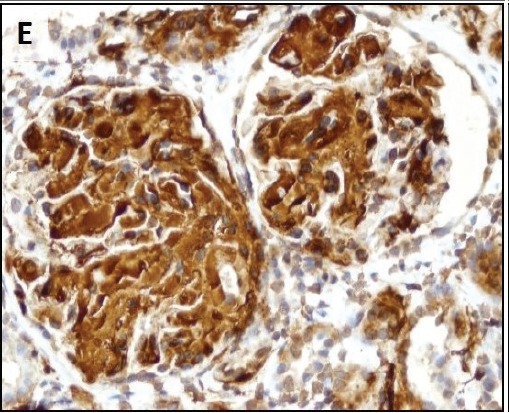
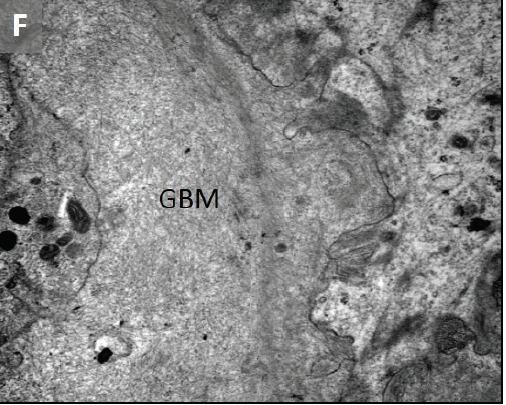
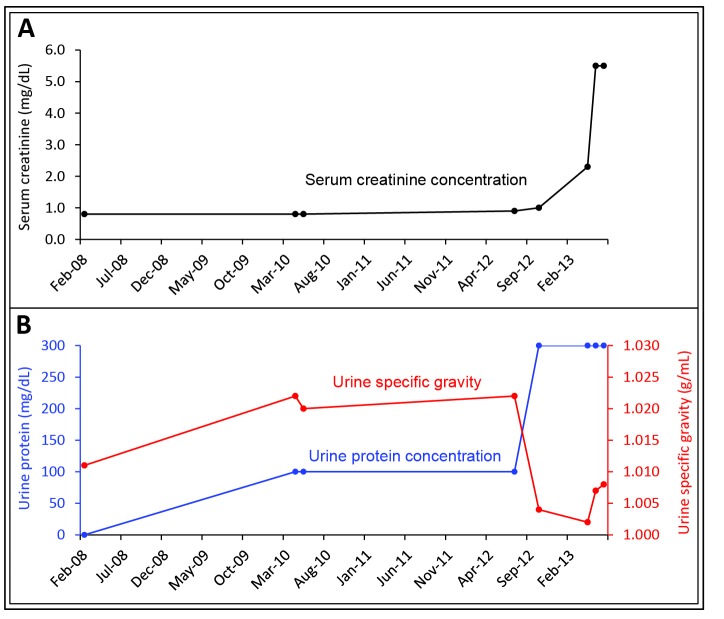
Case: We report a 47-year-old drug addict who developed AA amyloidosis as a result of recurrent suppurative skin infections secondary to subcutaneous drug injection. Elevated C-reactive protein concentrations attested to the presence of a chronic systemic inflammatory state. He suffered from the nephrotic syndrome and insidious loss of renal function. Isosthenuria and glycosuria were indicative of renal tubular dysfunction. Renal biopsy demonstrated AA amyloidosis involving the glomeruli, tubular basement membranes and blood vessel walls.
Conclusion: Superimposed acute tubular necrosis due to concomitant endocarditis and cocaine use accelerated his renal disease. CASE presentation is followed by a brief discussion of clinical features, natural history and outcome of AA amyloidosis with a particular emphasis on AA amyloidosis as a complication of subcutaneous drug abuse.
Keywords: AA amyloidosis; Proteinuria; Renal failure; Subcutaneous drug abuse; Suppurative skin infections.
References
Publication types
LinkOut - more resources
Full Text Sources
Research Materials