


The spleen: the forgotten organ in acute kidney injury of critical illness
- PMID: 25343841
- PMCID: PMC5048741
- DOI: 10.1159/000363255
The spleen: the forgotten organ in acute kidney injury of critical illness
Abstract
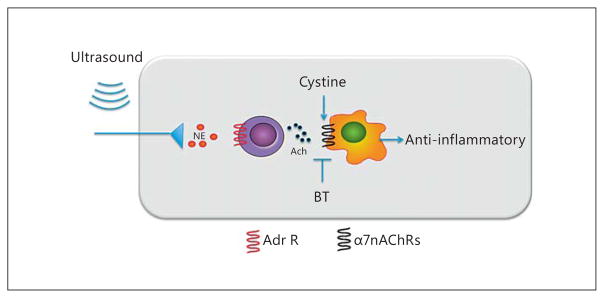
Acute kidney injury (AKI) is an increasing medical burden and is independently associated with mortality. AKI is a common comorbidity in the intensive care unit (ICU), with sepsis-associated AKI seen in almost a quarter of all ICU patients. Due to the high mortality seen in these patients, improved therapeutic options are needed. Data from experimental studies in animals support observations in humans that the host immune response to sepsis and trauma contributes to multiorgan failure and the high morbidity and mortality seen in critically ill patients. The spleen, a major component of the reticuloendothelial system, appears to be a key player in the 'cytokine storm' that develops after infection and trauma, and the resultant systemic inflammation is regulated by the autonomic nervous system. Over the past decade, evidence has suggested that controlling the splenic cytokine response improves tissue function and mortality in sepsis and other inflammatory-mediated diseases. One pathway that controls the response of the spleen to sepsis and trauma is the cholinergic anti-inflammatory pathway, and it may provide a key target for therapeutic intervention. Here, we review this concept and highlight the potential use of ultrasound to stimulate the cholinergic anti-inflammatory pathway and reduce systemic inflammation and disease severity.
2014 S. Karger AG, Basel.
Figures
References
-
- Singbartl K, Kellum JA. Aki in the ICU: definition, epidemiology, risk stratification, and outcomes. Kidney Int. 2012;81:819–825. - PubMed
-
- Cerda J, Lameire N, Eggers P, Pannu N, Uchino S, Wang H, Bagga A, Levin A. Epidemiology of acute kidney injury. Clin J Am Soc Nephrol. 2008;3:881–886. - PubMed
-
- Uchino S, Kellum JA, Bellomo R, Doig GS, Morimatsu H, Morgera S, Schetz M, Tan I, Bouman C, Macedo E, Gibney N, Tolwani A, Ronco C. Acute renal failure in critically ill patients: a multinational, multicenter study. JAMA. 2005;294:813–818. - PubMed
Publication types
MeSH terms
Substances
Grants and funding
LinkOut - more resources
Full Text Sources
Other Literature Sources
Miscellaneous
