


Endothelial dysfunction and preeclampsia: role of oxidative stress
- PMID: 25346691
- PMCID: PMC4193194
- DOI: 10.3389/fphys.2014.00372
Endothelial dysfunction and preeclampsia: role of oxidative stress
Abstract
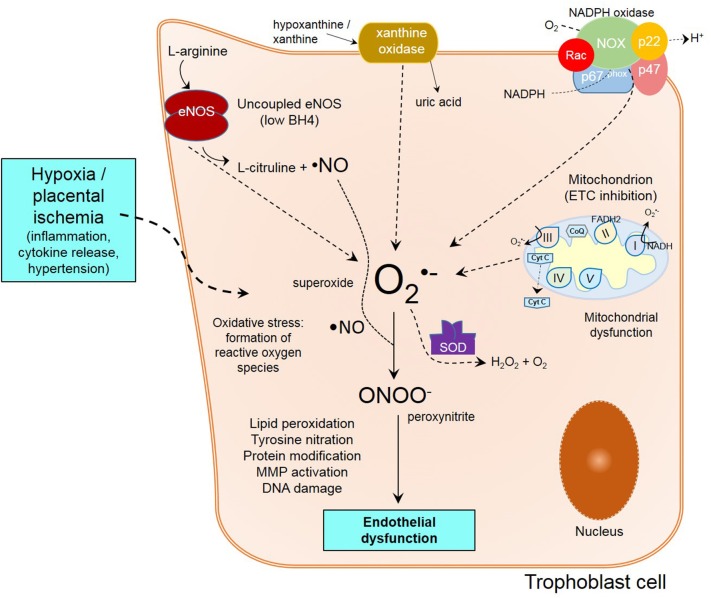
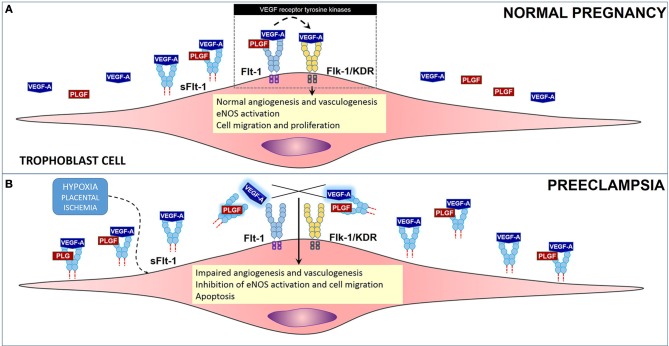
Preeclampsia (PE) is an often fatal pathology characterized by hypertension and proteinuria at the 20th week of gestation that affects 5-10% of the pregnancies. The problem is particularly important in developing countries in where the incidence of hypertensive disorders of pregnancy is higher and maternal mortality rates are 20 times higher than those reported in developed countries. Risk factors for the development of PE include obesity, insulin resistance and hyperlipidemia that stimulate inflammatory cytokine release and oxidative stress leading to endothelial dysfunction (ED). However, how all these clinical manifestations concur to develop PE is still not very well understood. The related poor trophoblast invasion and uteroplacental artery remodeling described in PE, increases reactive oxygen species (ROS), hypoxia and ED. Here we aim to review current literature from research showing the interplay between oxidative stress, ED and PE to the outcomes of current clinical trials aiming to prevent PE with antioxidant supplementation.
Keywords: endothelial dysfunction; oxidative stress; preeclampsia; reactive oxygen species; superoxide.
Figures
References
-
- Aydin S., Benian A., Madazli R., Uludag S., Uzun H., Kaya S. (2004). Plasma malondialdehyde, superoxide dismutase, sE-selectin, fibronectin, endothelin-1 and nitric oxide levels in women with preeclampsia. Eur. J. Obstet. Gynecol. Reprod. Biol. 113, 21–25 10.1016/S0301-2115(03)00368-3 - DOI - PubMed
-
- Baker P. N., Davidge S. T., Roberts J. M. (1995). Plasma from women with preeclampsia increases endothelial cell nitric oxide production. Hypertension 26, 244–248 - PubMed
-
- Barker D. J., Osmond C. (1986). Infant mortality, childhood nutrition, and ischaemic heart disease in England and Wales. Lancet 1, 1077–1081 - PubMed
Publication types
LinkOut - more resources
Full Text Sources
Other Literature Sources
Medical
