


The bile acid-sensitive ion channel (BASIC) is activated by alterations of its membrane environment
- PMID: 25360526
- PMCID: PMC4216111
- DOI: 10.1371/journal.pone.0111549
The bile acid-sensitive ion channel (BASIC) is activated by alterations of its membrane environment
Abstract
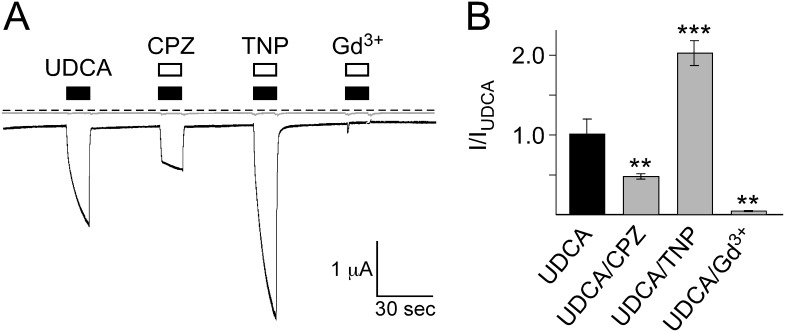
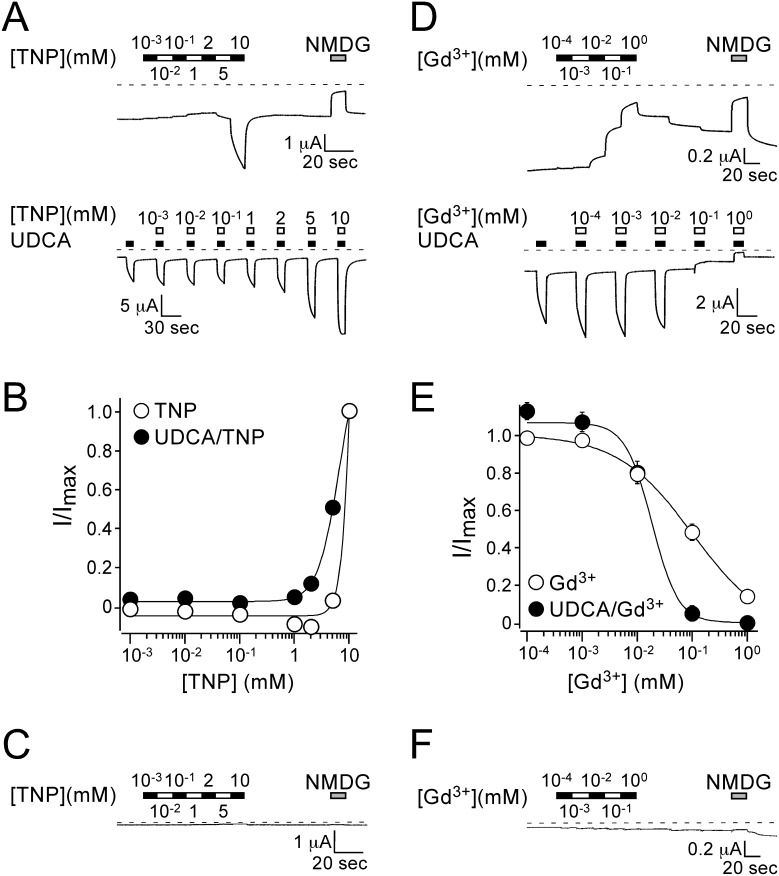
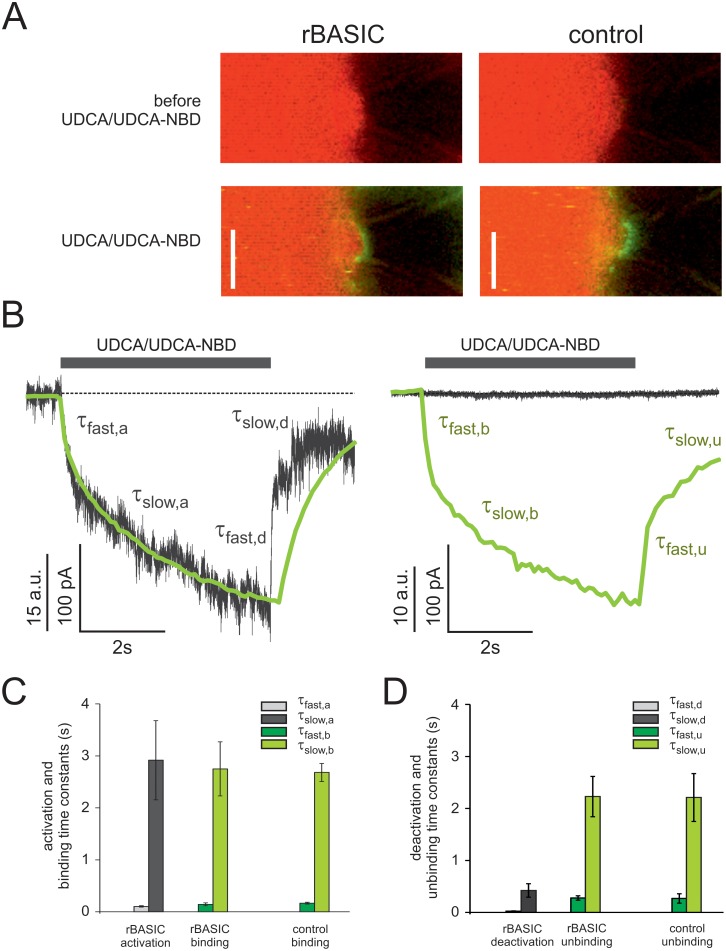
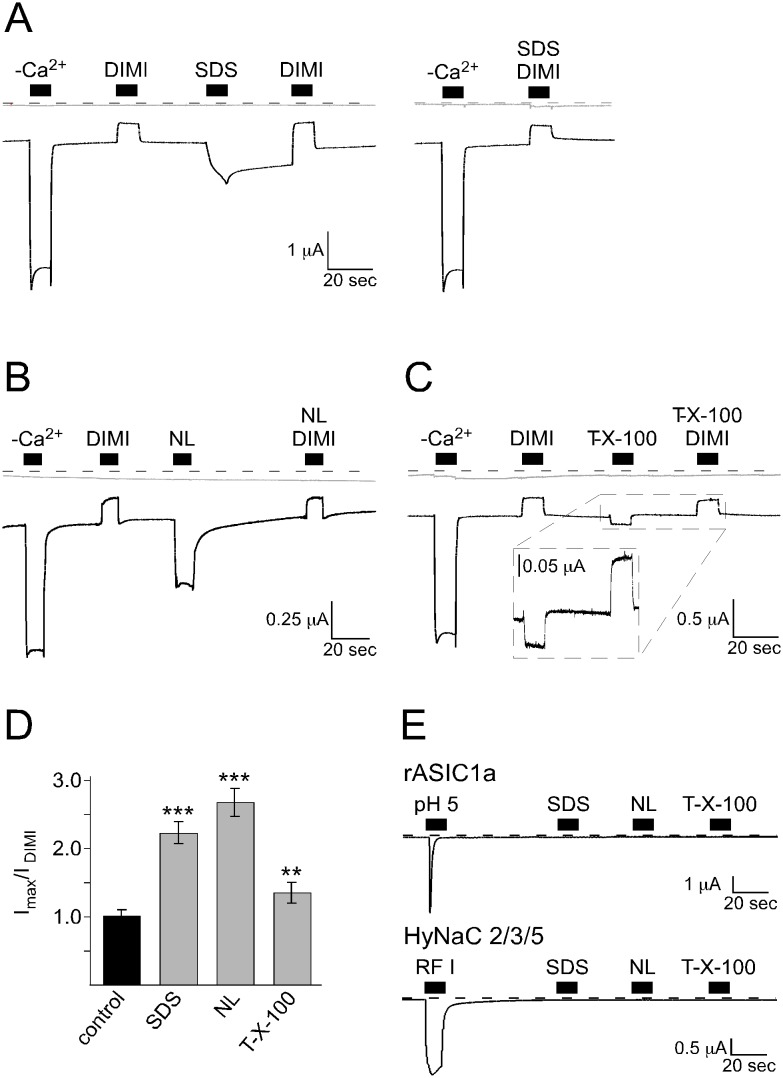
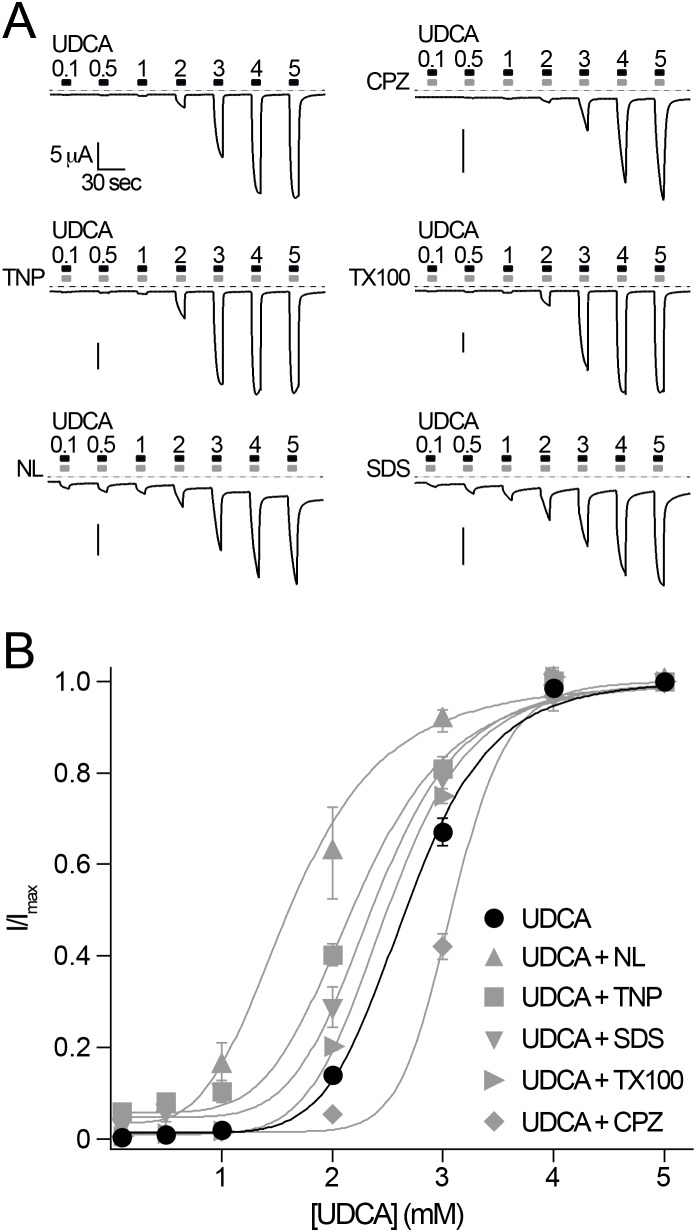
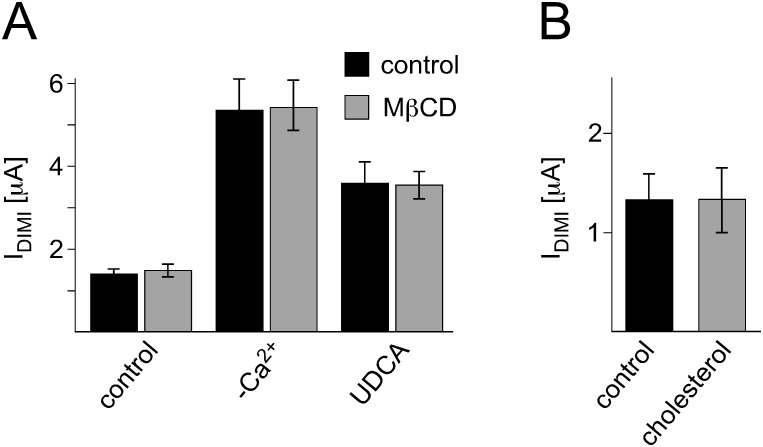
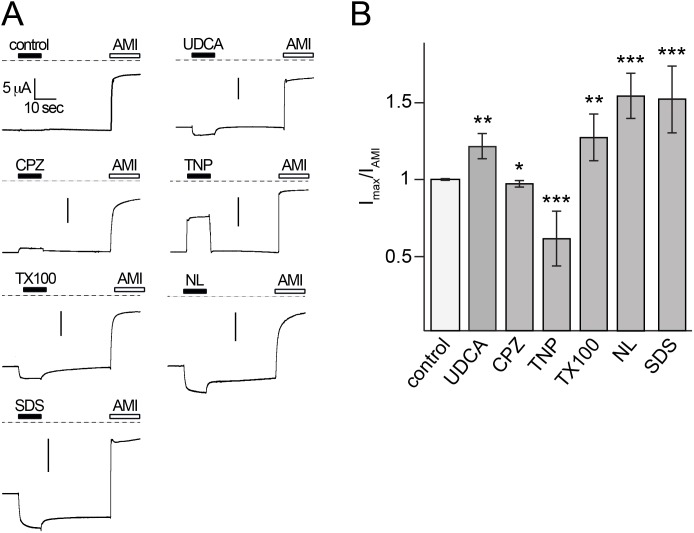
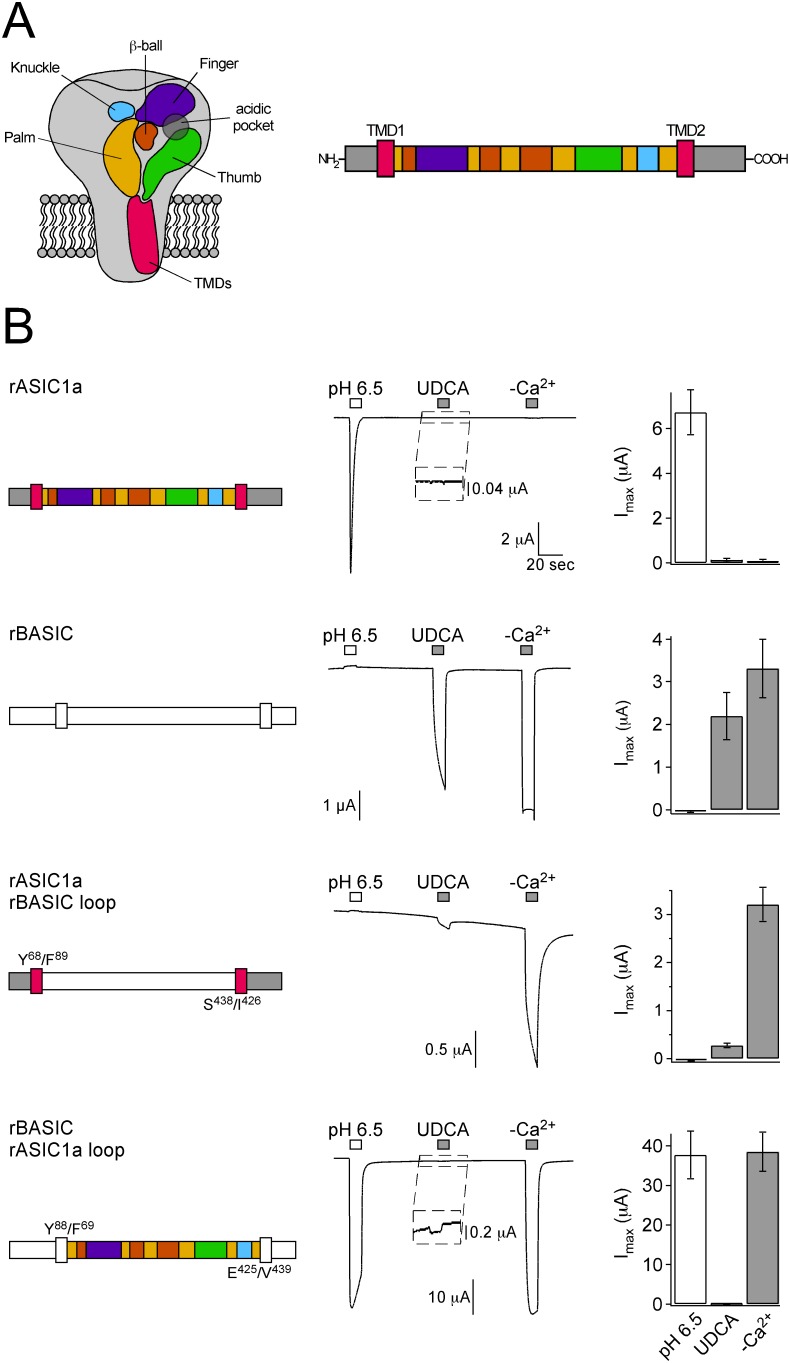
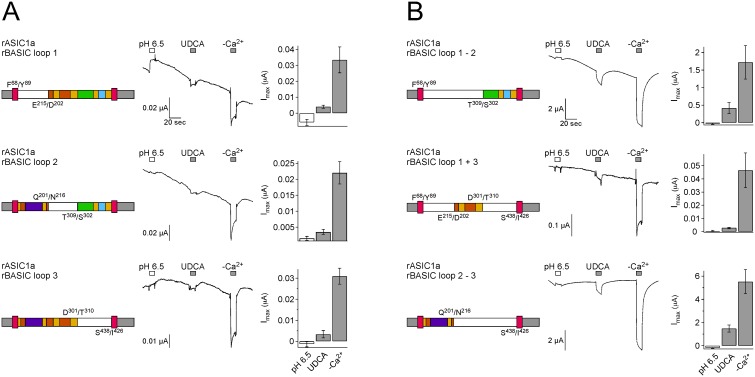
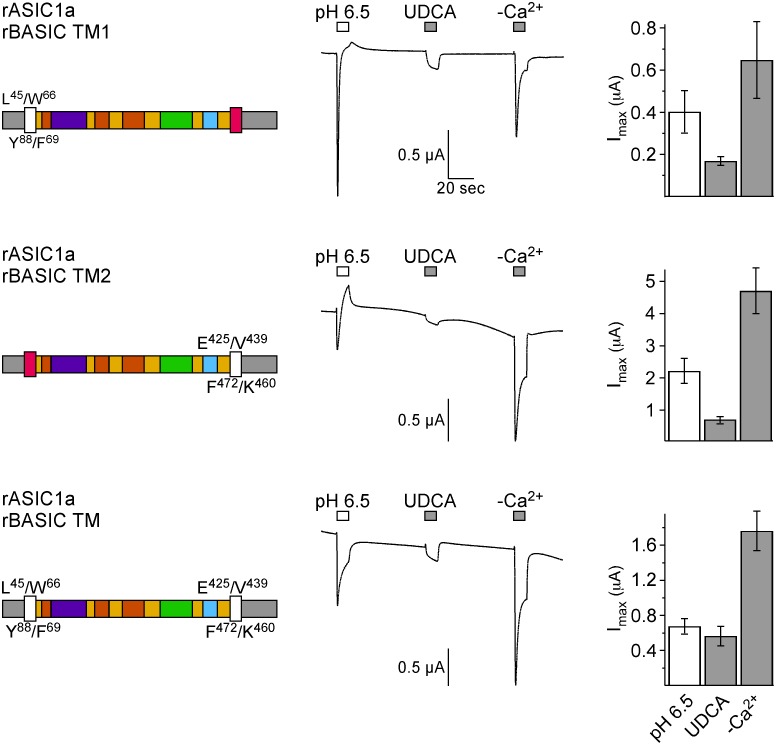
The bile acid-sensitive ion channel (BASIC) is a member of the DEG/ENaC family of ion channels. Channels of this family are characterized by a common structure, their physiological functions and modes of activation, however, are diverse. Rat BASIC is expressed in brain, liver and intestinal tract and activated by bile acids. The physiological function of BASIC and its mechanism of bile acid activation remain a puzzle. Here we addressed the question whether amphiphilic bile acids activate BASIC by directly binding to the channel or indirectly by altering the properties of the surrounding membrane. We show that membrane-active substances other than bile acids also affect the activity of BASIC and that activation by bile acids and other membrane-active substances is non-additive, suggesting that BASIC is sensitive for changes in its membrane environment. Furthermore based on results from chimeras between BASIC and ASIC1a, we show that the extracellular and the transmembrane domains are important for membrane sensitivity.
Conflict of interest statement
Figures
References
-
- Kellenberger S, Schild L (2002) Epithelial sodium channel/degenerin family of ion channels: a variety of functions for a shared structure. Physiol Rev 82: 735–767. - PubMed
-
- Jasti J, Furukawa H, Gonzales EB, Gouaux E (2007) Structure of acid-sensing ion channel 1 at 1.9 Å resolution and low pH. Nature 449: 316–323. - PubMed
-
- Wiemuth D, Sahin H, Falkenburger BH, Lefevre CM, Wasmuth HE, et al. (2012) BASIC - A bile acid-sensitive ion channel highly expressed in bile ducts. FASEB J 26: 4122–4130. - PubMed
Publication types
MeSH terms
Substances
LinkOut - more resources
Full Text Sources
Other Literature Sources
Molecular Biology Databases
