


Male fertility is reduced by chronic intermittent hypoxia mimicking sleep apnea in mice
- PMID: 25364071
- PMCID: PMC4196059
- DOI: 10.5665/sleep.4166
Male fertility is reduced by chronic intermittent hypoxia mimicking sleep apnea in mice
Abstract
Study objectives: Obstructive sleep apnea (OSA) is characterized by intermittent hypoxia and oxidative stress. However, it is unknown whether intermittent hypoxia mimicking OSA modifies male fertility. We tested the hypothesis that male fertility is reduced by chronic intermittent hypoxia mimicking OSA in a mouse model.
Design: Case-control comparison in a murine model.
Setting: University research laboratory.
Participants: Eighteen F1 (C57BL/6xCBA) male mice.
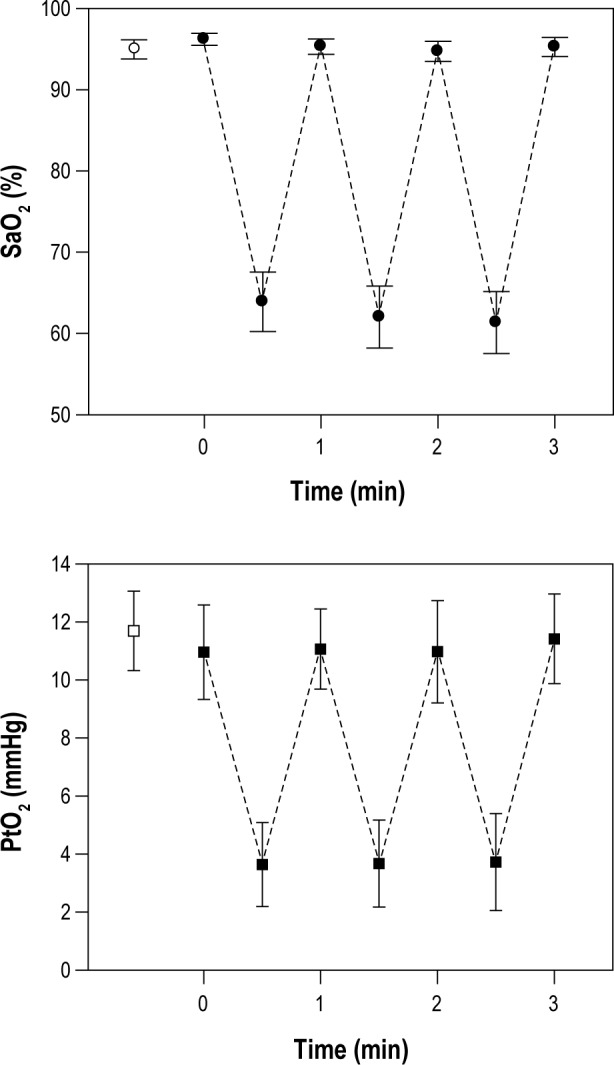
Interventions: Mice were subjected to a pattern of periodic hypoxia (20 sec at 5% O2 followed by 40 sec of room air) 6 h/day for 60 days or normoxia. After this period, mice performed a mating trial to determine effective fertility by assessing the number of pregnant females and fetuses.
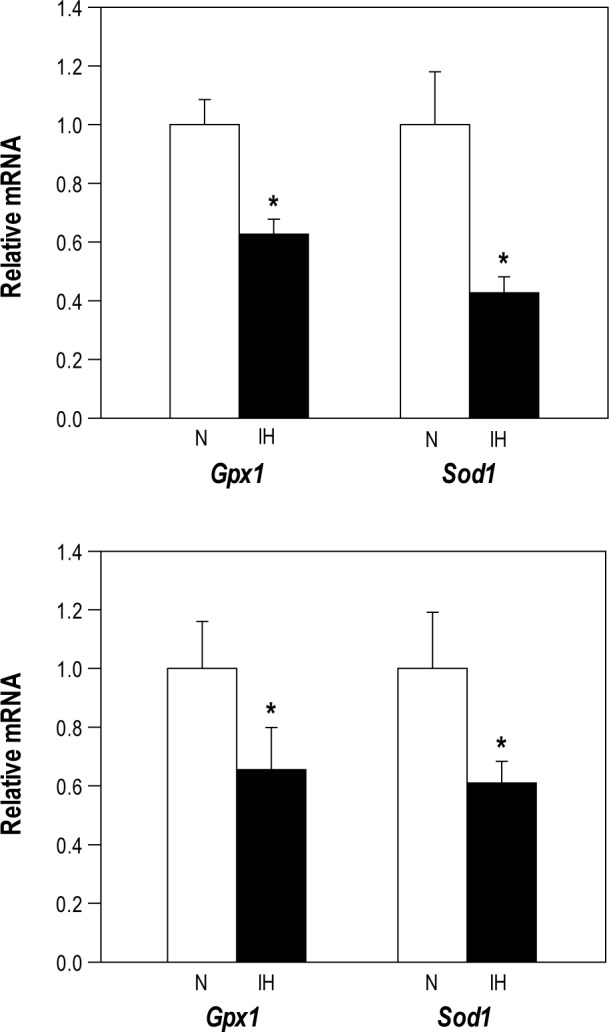
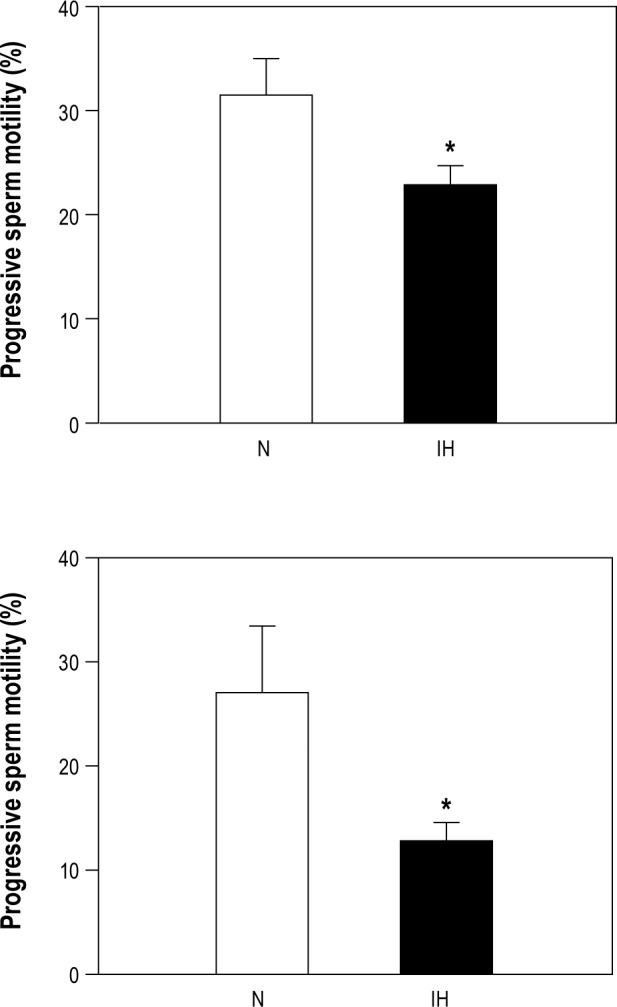
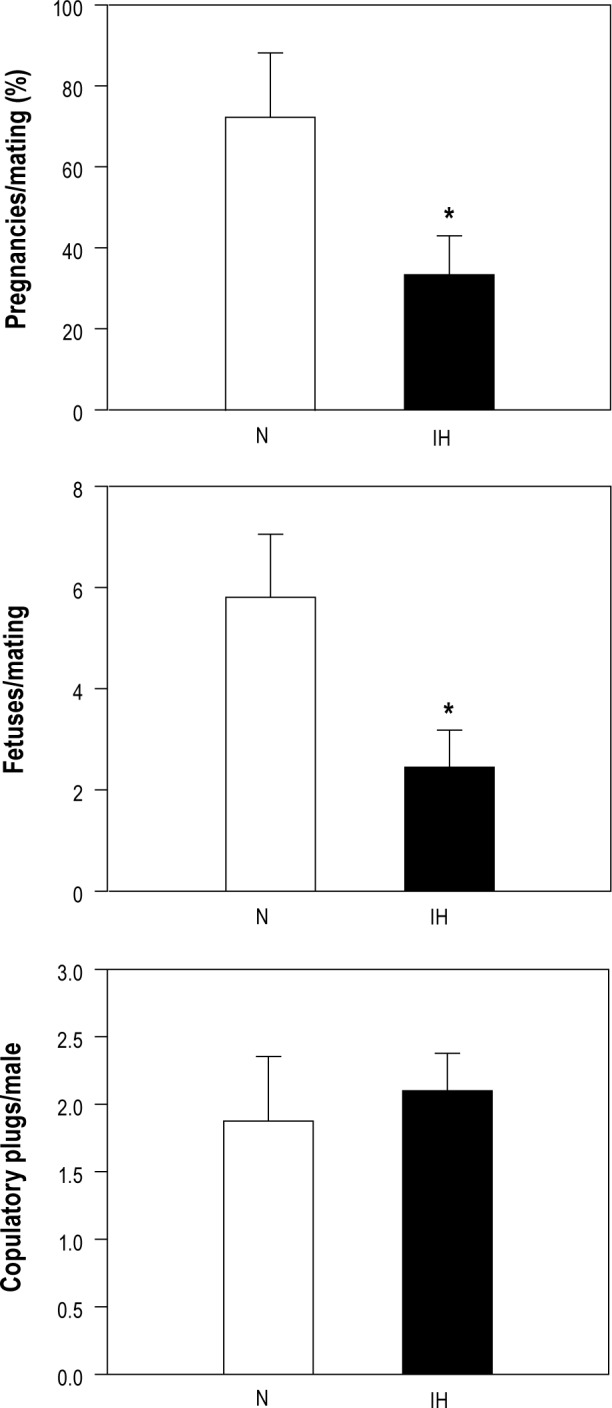
Measurements and results: After euthanasia, oxidative stress in testes was assessed by measuring the expression of glutathione peroxidase 1 (Gpx1) and superoxide dismutase-1 (Sod1) by reverse-transcription polymerase chain reaction. Sperm motility was determined by Integrated Semen Analysis System (ISAS). Intermittent hypoxia significantly increased testicular oxidative stress, showing a reduction in the expression of Gpx1 and Sod1 by 38.9% and 34.4%, respectively, as compared with normoxia (P < 0.05). Progressive sperm motility was significantly reduced from 27.0 ± 6.4% in normoxia to 12.8 ± 1.8% in the intermittent hypoxia group (P = 0.04). The proportion of pregnant females and number of fetuses per mating was significantly lower in the intermittent hypoxia group (0.33 ± 0.10 and 2.45 ± 0.73, respectively) than in normoxic controls (0.72 ± 0.16 and 5.80 ± 1.24, respectively).
Conclusions: These results suggest that the intermittent hypoxia associated with obstructive sleep apnea (OSA) could induce fertility reduction in male patients with this sleep breathing disorder.
Keywords: hypoxia; male fertility; obstructive sleep apnea; oxidative stress.
Figures
Comment in
-
Sleep apnea as a potential threat to reproduction.Sleep. 2014 Nov 1;37(11):1731-2. doi: 10.5665/sleep.4158. Sleep. 2014. PMID: 25364067 Free PMC article. No abstract available.
References
-
- Tufik S, Santos-Silva R, Taddei JA, Bittencourt LRA. Obstructive sleep apnea syndrome in the Sao Paulo Epidemiologic Sleep Study. Sleep Med. 2010;11:441–6. - PubMed
-
- Almendros I, Farré R, Torres M, et al. Early and mid-term effects of obstructive apneas in myocardial injury and inflammation. Sleep Med. 2011;12:1037–40. - PubMed
-
- Martínez-García MA, Capote F, Campos-Rodríguez F, et al. Spanish Sleep Network. Effect of CPAP on blood pressure in patients with obstructive sleep apnea and resistant hypertension: the HIPARCO randomized clinical trial. JAMA. 2013;310:2407–15. - PubMed
-
- Trzepizur W, Le Vaillant M, Meslier N, et al. Independent association between nocturnal intermittent hypoxemia and metabolic dyslipidemia. Chest. 2013;143:1584–9. - PubMed
Publication types
MeSH terms
Substances
LinkOut - more resources
Full Text Sources
Other Literature Sources
Medical
Miscellaneous
