Review
. 2015 Jun 1;22(16):1382-424.
doi: 10.1089/ars.2014.6097. Epub 2014 Dec 19.

Dietary Sulforaphane in Cancer Chemoprevention: The Role of Epigenetic Regulation and HDAC Inhibition

Affiliations
Review

Dietary Sulforaphane in Cancer Chemoprevention: The Role of Epigenetic Regulation and HDAC Inhibition

Stephanie M Tortorella et al. Antioxid Redox Signal. .

Abstract

Significance: Sulforaphane, produced by the hydrolytic conversion of glucoraphanin after ingestion of cruciferous vegetables, particularly broccoli and broccoli sprouts, has been extensively studied due to its apparent health-promoting properties in disease and limited toxicity in normal tissue. Recent Studies: Recent identification of a sub-population of tumor cells with stem cell-like self-renewal capacity that may be responsible for relapse, metastasis, and resistance, as a potential target of the dietary compound, may be an important aspect of sulforaphane chemoprevention. Evidence also suggests that sulforaphane may target the epigenetic alterations observed in specific cancers, reversing aberrant changes in gene transcription through mechanisms of histone deacetylase inhibition, global demethylation, and microRNA modulation.

Critical issues: In this review, we discuss the biochemical and biological properties of sulforaphane with a particular emphasis on the anticancer properties of the dietary compound. Sulforaphane possesses the capacity to intervene in multistage carcinogenesis through the modulation and/or regulation of important cellular mechanisms. The inhibition of phase I enzymes that are responsible for the activation of pro-carcinogens, and the induction of phase II enzymes that are critical in mutagen elimination are well-characterized chemopreventive properties. Furthermore, sulforaphane mediates a number of anticancer pathways, including the activation of apoptosis, induction of cell cycle arrest, and inhibition of NFκB.

Future directions: Further characterization of the chemopreventive properties of sulforaphane and its capacity to be selectively toxic to malignant cells are warranted to potentially establish the clinical utility of the dietary compound as an anti-cancer compound alone, and in combination with clinically relevant therapeutic and management strategies.


Figures
<b>FIG. 1.</b>
FIG. 1.
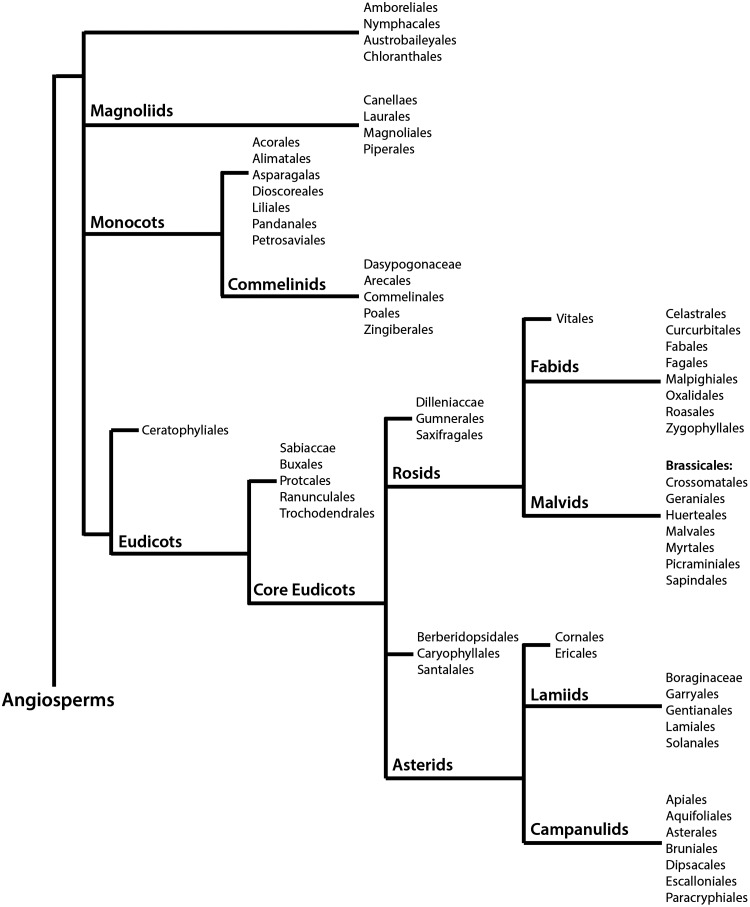
The phylogeny of angiosperms (flowering plants) in accordance to the Angiosperm Phylogeny Group (APG) III system. The order Brassicales includes all glucosinolate-producing plants, including those in the Brassiceae (cruciferous vegetable) and Arabideae tribes.
<b>FIG. 2.</b>
FIG. 2.
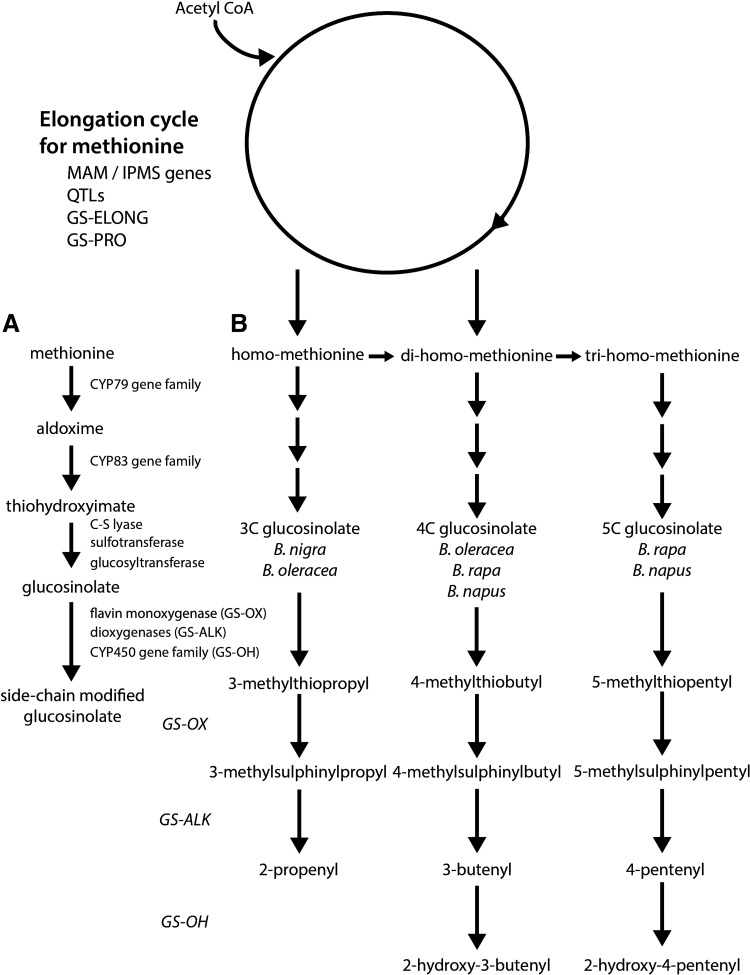
Genetic model of the glucosinolate biosynthetic pathway in Brassicales. (A) A simple genetic system for the production of glucosinolates from methionine. The initial step involves the conversion of methionine to an aldoxime through the activity of gene products of the CYP79 gene family. The aldoxime undergoes conjugation with cysteine, which acts as a sulfur donor, and is then cleaved by a C-S lyase. Glucosinolate products are subsequently formed through detoxification of potentially toxic thiohydroximates by glucosyltransferase-driven glucosylation, and sulfation by sulphotransferase. Side chain modifications occur with a high frequency, and profiles become particularly complex after elongation of amino acids that are dependent on genetic variation. (B) Genetic model of methionine-derived glucosinolate biosynthesis. Total level and nature of the glucosinolate is determined early in the process, and the initial entry of methionine into the pathway is catalyzed by methylthioalkylmalate (MAM) synthase genes at the GS-ELONG loci. MAM synthases catalyze the condensation of acetyl CoA to result in elongated methionine. Different members of this family may catalyze different number of rounds of elongation, with genetic variation at the GS-ELONG and GS-PRO loci enabling selection for different glucosinolate profiles, while allelic variation at the quantitative trait loci (QTL) determines overall amount.
<b>FIG. 3.</b>
FIG. 3.
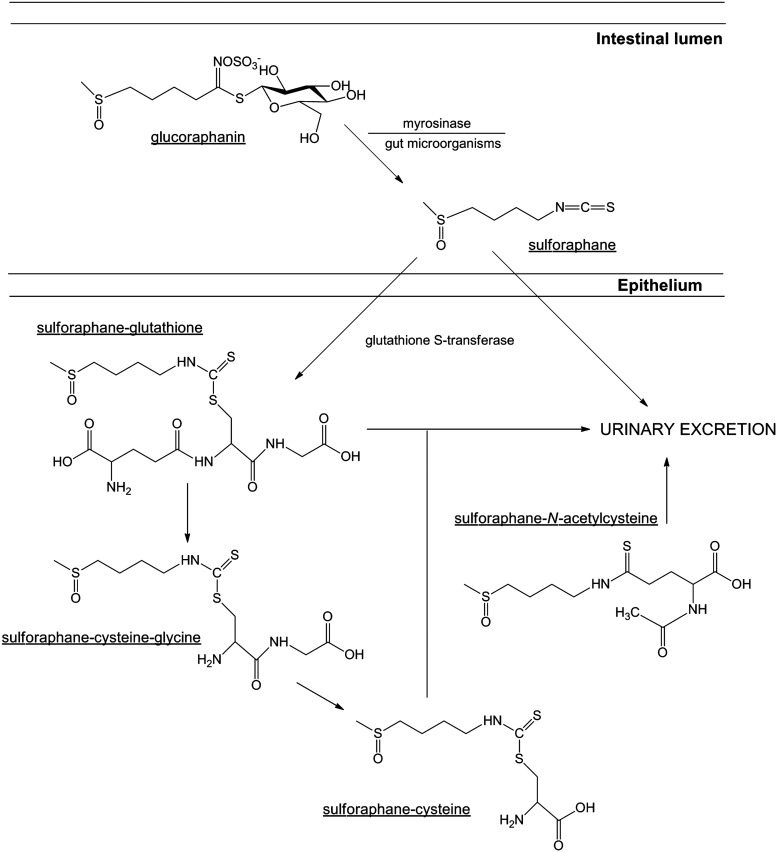
The conversion of glucoraphanin to sulforaphane, and its subsequent metabolism. Hydrolytic conversion of glucoraphanin to sulforaphane occurs through the action of physical damage to the plant, by either the action of plant-derived myrosinase (intracellular broccoli thioglucosidase) or the microbiota of the human colon. After rapid diffusion into the cells of the intestinal epithelium, sulforaphane undergoes metabolism via the mercapturic acid pathway. This process involves its initial conjugation with glutathione, rapidly catalyzed by important glutathione S-transferase (GST) enzymes. The process of N-acetylation (to form sulforaphane-N-acteylcysteine) is important for the subsequent excretion of sulforaphane from the body.
<b>FIG. 4.</b>
FIG. 4.
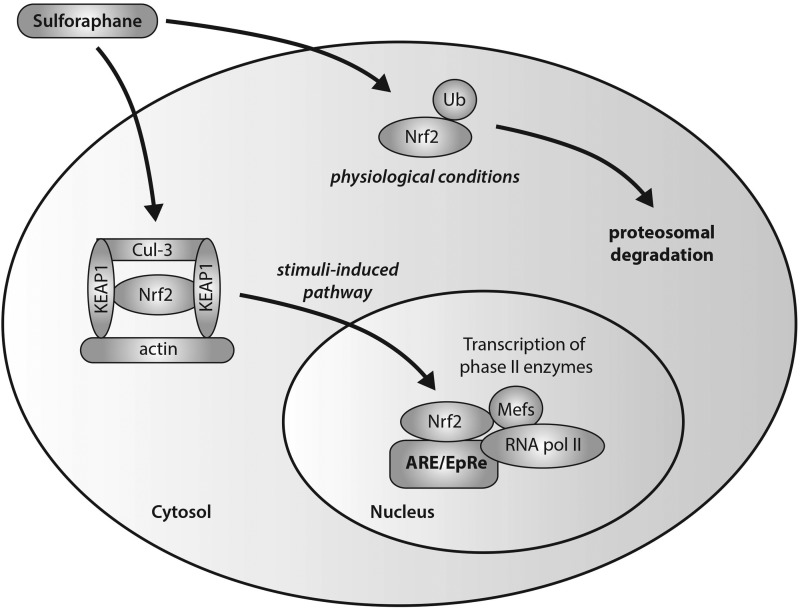
Sulforaphane-modulated Nrf2-Keap1 interactions in the transcription of phase II antioxidant enzymes. Sulforaphane has the ability to induce nuclear translocation of Nrf2 through the disruption of the Nrf2-Keap1 complex via the degradative loss of Keap1 via conformational changes. Specific modifications of Keap1 release Nrf2 from sequestration, promoting its nuclear translocation and activation. Activation of Nrf2 in the nucleus occurs through its heterodimerization with small Maf transcription factors to form a complex that binds to the antioxidant/electrophile response element (ARE/EpRE) that is found in the promoters of many phase II enzymes, ultimately leading to ARE-driven gene expression (and subsequent upregulation of phase II antioxidant enzymes).
<b>FIG. 5.</b>
FIG. 5.
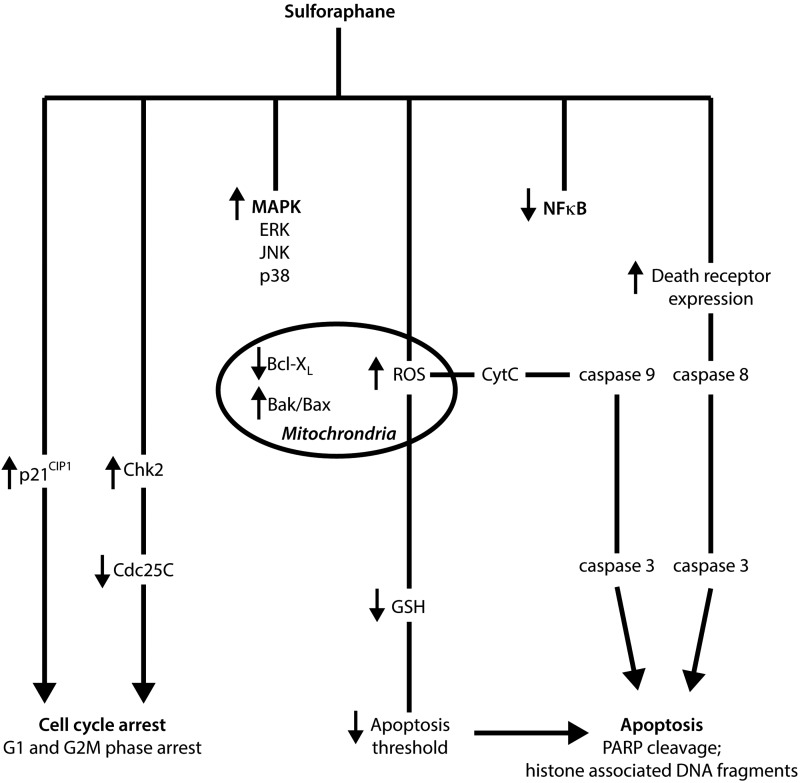
Summary of chemopreventive mechanisms involved in limiting tumor progression after sulforaphane exposure. Both in vitro and in vivo studies have demonstrated that sulforaphane possesses the capacity to activate apoptotic pathways, induce cell cycle arrest, inhibit NFκB signaling, and stimulate MAPK activity.
<b>FIG. 6.</b>
FIG. 6.
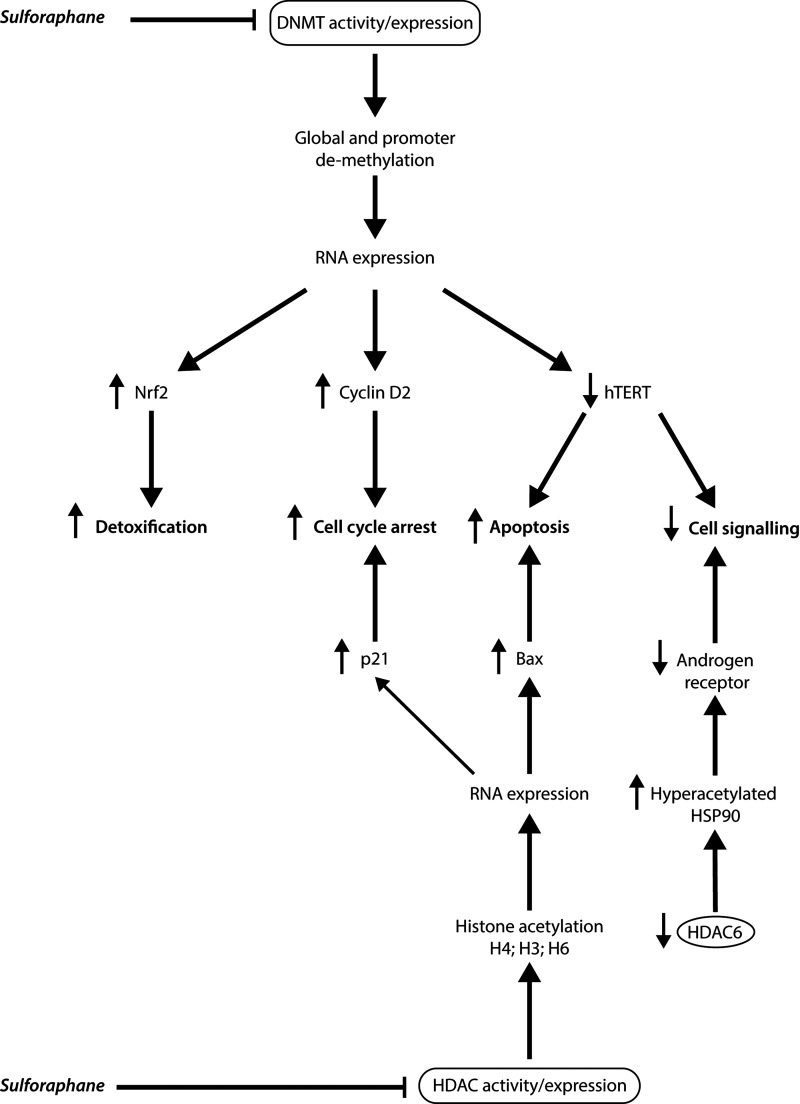
Impact of sulforaphane on DNA methylation and histone-modifying enzymes on the regulation of genes commonly dysregulated during carcinogenesis. Inhibition/modulation of HDAC and DNMT activity by sulforaphane may lead to the reactivation of epigenetically silenced genes in order to enhance chemoprevention. Further studies are required in order to completely elucidate the significance of sulforaphane in the regulation of epigenetic changes, including its ability to modulate microRNA expression (not illustrated).

References

    1. Abel EL, Boulware S, Fields T, McIvor E, Powell KL, DiGiovanni J, Vasquez KM, and MacLeod MC. Sulforaphane induces phase II detoxication enzymes in mouse skin and prevents mutagenesis induced by a mustard gas analog. Toxicol Appl Pharmacol 266: 439–442, 2013 - PMC - PubMed
    1. Abercrombie JM, Farnham MW, and Rushing JW. Genetic combining ability of glucoraphanin level and other horticultural traits of broccoli. Euphytica 143: 145–151, 2005
    1. Adam L, Zhong M, Choi W, Qi W, Nicoloso M, Arora A, Calin G, Wang H, Siefker-Radtke A, McConkey D, Bar-Eli M, and Dinney C. miR-200 expression regulates epithelial-to-mesenchymal transition in bladder cancer cells and reverses resistance to epidermal growth factor receptor therapy. Clin Cancer Res 15: 5060–5072, 2009 - PMC - PubMed
    1. Agyeman AS, Chaerkady R, Shaw PG, Davidson NE, Visvanathan K, Pandey A, and Kensler TW. Transcriptomic and proteomic profiling of KEAP1 disrupted and sulforaphane-treated human breast epithelial cells reveals common expression profiles. Breast Cancer Res Treat 132: 175–187, 2012 - PMC - PubMed
    1. Aires A, Rosa E, and Carvalho R. Effect of nitrogen and sulfur fertilization on glucosinolates in the leaves and roots of broccoli sprouts (Brassica oleracea var. italica). J Sci Food Agric 86: 1512–1516, 2006

Publication types

MeSH terms