Review
. 2014 Nov 1;3(11):663-681.
doi: 10.1089/wound.2014.0530.

Nutrition and Chronic Wounds

Affiliations
Review

Nutrition and Chronic Wounds

Joseph Andrew Molnar et al. Adv Wound Care (New Rochelle). .

Abstract

Significance: Nutrition is one of the most basic of medical issues and is often ignored as a problem in the management of our chronic wound patients. Unfortunately, malnutrition is widespread in our geriatric patients even in nursing homes in developed countries. Attention to basic nutrition and providing appropriate supplements may assist in the healing of our chronic wounds. Recent Advances: Recent research has revealed the epidemiology of malnutrition in developed countries, the similarities to malnutrition in developing countries, and some of the physiologic and sociologic causes for this problem. More information is now available on the biochemical effects of nutrient deficiency and supplementation with macronutrients and micronutrients. In some cases, administration of isolated nutrients beyond recommended amounts for healthy individuals may have a pharmacologic effect to help wounds heal. Critical Issues: Much of the knowledge of the nutritional support of chronic wounds is based on information that has been obtained from trauma management. Due to the demographic differences of the patients and differences in the physiology of acute and chronic wounds, it is not logical to assume that all aspects of nutritional support are identical in these patient groups. Before providing specific nutritional supplements, appropriate assessments of patient general nutritional status and the reasons for malnutrition must be obtained or specific nutrient supplementation will not be utilized. Future Directions: Future research must concentrate on the biochemical and physiologic differences of the acute and chronic wounds and the interaction with specific supplements, such as antioxidants, vitamin A, and vitamin D.


Figures

None
Joseph Andrew Molnar, MD, PhD, FACS
<b>Figure 1.</b>
Figure 1.
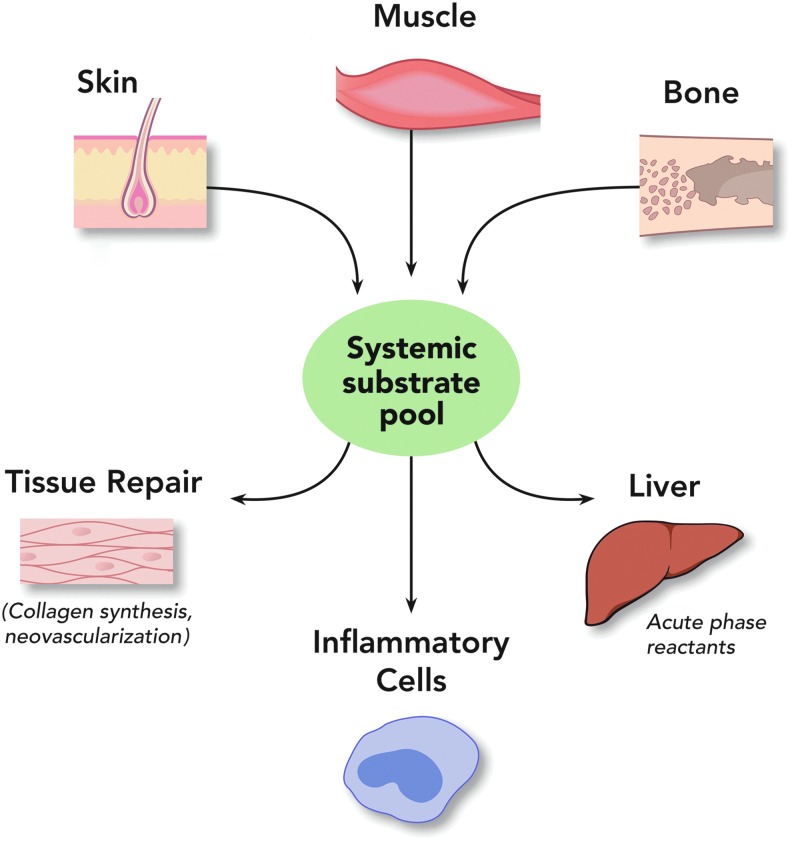
In periods of metabolic stress, the carcass is broken down to provide substrate, especially amino acids, to support essential organ function such as in the liver and for the production of acute-phase reactions. This general process is also applicable to periods of undernutrition. Paradoxically, in the case of a skin wound, substrate may be obtained from the skin to help heal this wound. With permission from WFUSM Plastic Surgery Collection. To see this illustration in color, the reader is referred to the web version of this article at www.liebertpub.com/wound
<b>Figure 2.</b>
Figure 2.
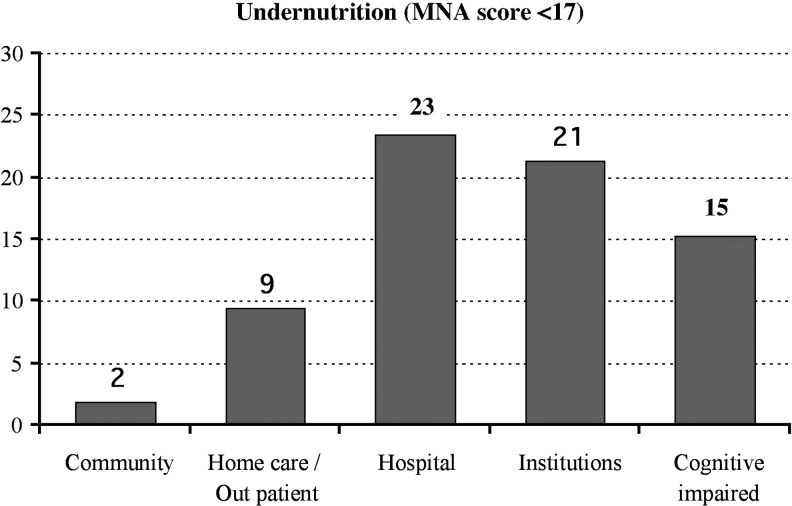
The MNA tool is widely used. In this figure, ∼35,000 elderly subjects were assessed in different housing settings. A score of <17 using the MNA is categorized as undernourished elderly. Hospital, cognitively impaired, and institutions (nursing homes, assisted care, and long-term care) have the greatest percentage of undernourished elderly; however, home health care and outpatient patients are at risk for undernutrition. MNA, Mini Nutritional Assessment. Adapted from Guigoz with permission from The Journal of Nutrition, Health, and Aging.
<b>Figure 3.</b>
Figure 3.
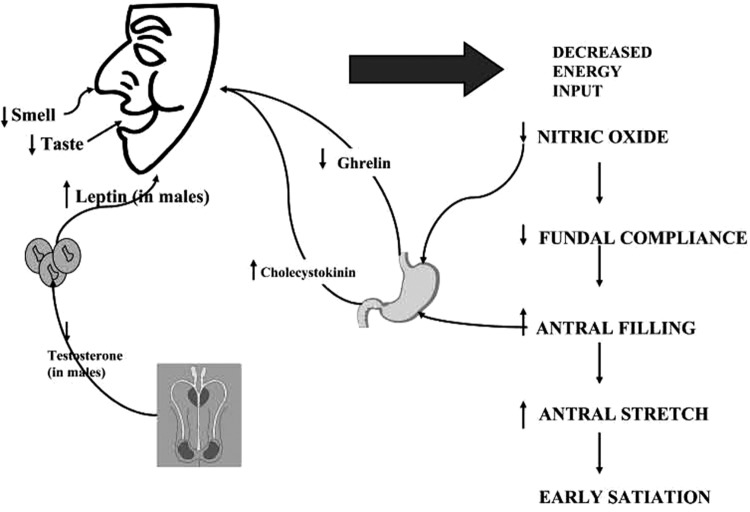
With age, appetite is decreased through a variety of mechanisms making it difficult for some geriatric patients to meet metabolic needs without supplements. This is especially true when demands are increased by the presence of wounds. Adapted from Wilson and Morley with permission from The American Physiological Society.
<b>Figure 4.</b>
Figure 4.
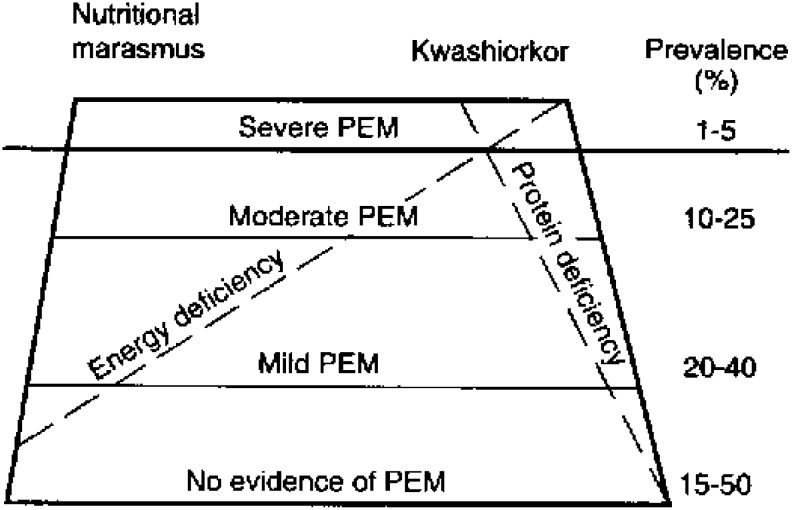
In this graphical depiction of PEM, conditions where energy and protein deficiencies coexist define nutritional marasmus, which is frequently seen in the undernourished elderly patient. Protein deficiency with limited energy deficiency defines kwashiorkor and some recent estimates suggest that up to 50% of residents in nursing homes do not receive enough protein in their diet. PEM, protein energy malnutrition. Adapted from Latham with permission from the Food and Agricultural Organizations of the United Nations.
<b>Figure 5.</b>
Figure 5.
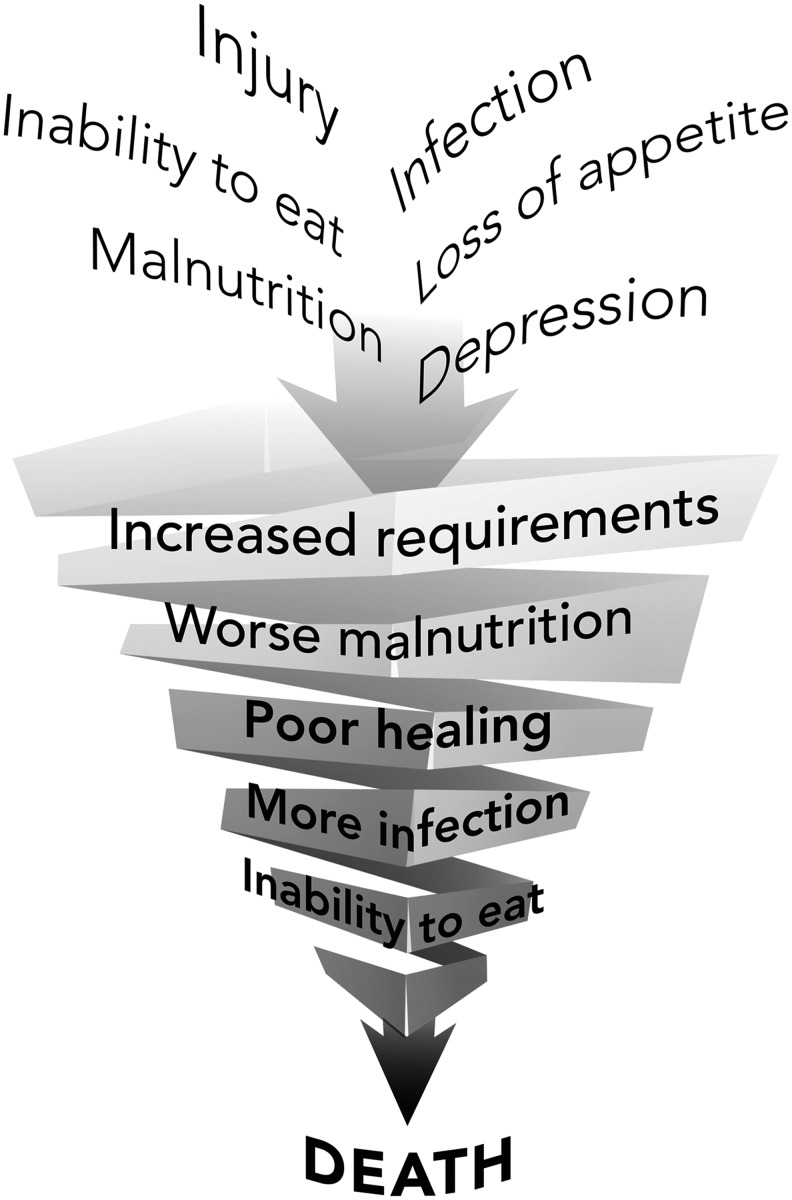
In the geriatric or chronically ill patient, there is a complex interaction between anorexia, infection, wounds, and metabolic needs. In a patient with marginal nutrition and a wound, infection (even if remote from the wound such as urinary tract infection) may increase metabolic demands and limit wound healing if the metabolic losses are not replaced. Such infections also commonly lead to more anorexia. The result is a vicious spiral potentially leading to the death of the patient if the cycle is not broken with appropriate interventions. With permission from WFUSM Plastic Surgery Collection.
<b>Figure 6.</b>
Figure 6.
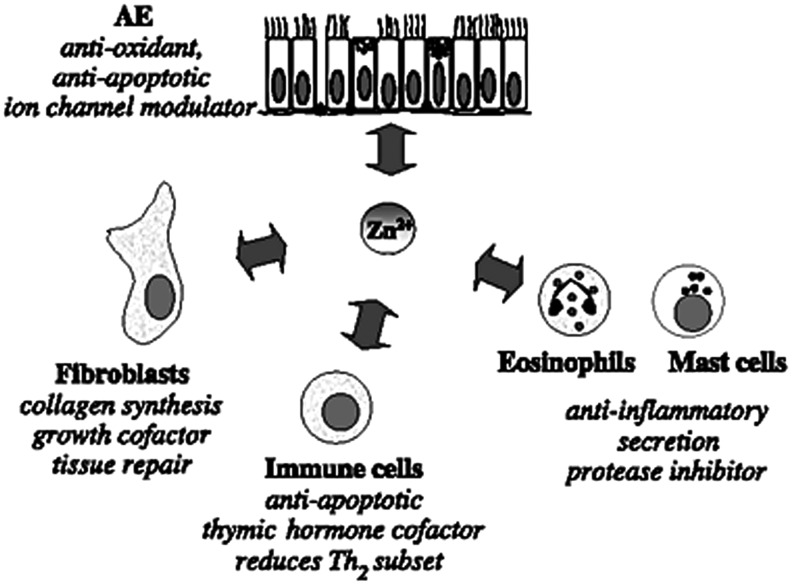
Although this figure depicts the interaction of zinc with AE cells, it demonstrates the role that zinc has in collagen synthesis and tissue repair, as an component of the antioxidant system, as well as antiapoptotic and anti-inflammatory actions. Zinc deficiency will negatively influence wound healing while oversupplementation appears to have no or potentially negative consequences. Adapted from Zalewski et al. with permission from Elsevier. AE, airway epithelial.
<b>Figure 7.</b>
Figure 7.
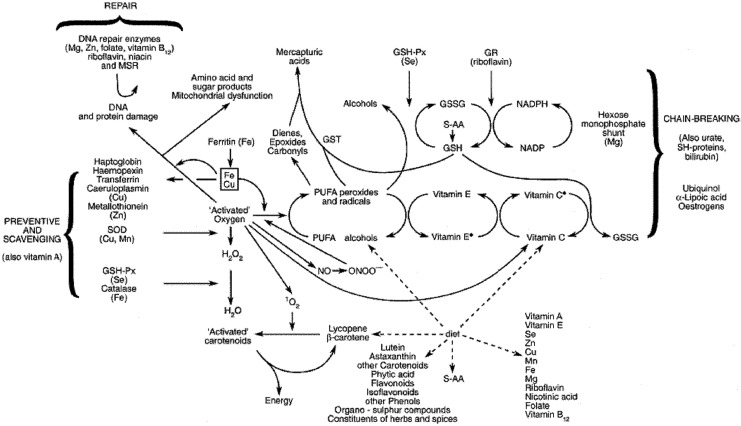
The antioxidant defense system is complex with coupled oxidation/reduction reactions and free-radical-quenching activities. Dietary input of selected vitamins and minerals, unsaturated fatty acids, and various phytochemicals and flavonoids allow for regeneration of central antioxidants maintaining the balance between pro- and antioxidants. Adapted from Strain, with permission from Cambridge University Press.
<b>Figure 8.</b>
Figure 8.
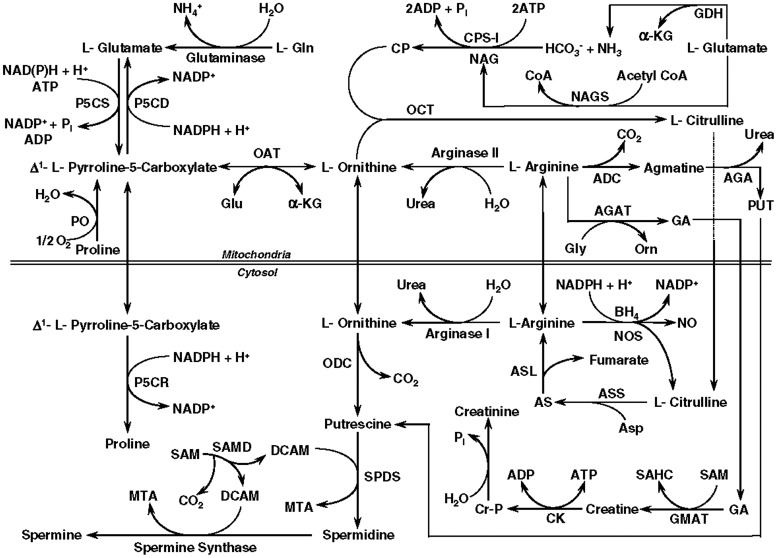
Arginine is central in metabolic pathways related to proline, a collagen precursor; glutamine, a nitrogen shuttle molecule and NO production, involved in neovascularization. As a result, it may become an essential amino acid in periods of metabolic stress. ADC, arginine decarboxylase; AGA, agmatinase; AGAT, arginine:glycine amidinotransferase; α-KG, α-ketoglutarate; AS, argininosuccinate; ASL, argininosuccinate lyase; Asp, aspartate; ASS, argininosuccinate synthase; BH4, (6R)-5,6,7,8-tetrahydro-L-biopterin; CK, creatine kinase; CP, carbamoylphosphate; CPS-I, carbamoylphosphate synthetase-I (ammonia); Cr-P, creatine-phosphate; DCAM, decarboxylated S-adenosylmethionine; GA, guanidinoacetate; GDH, glutamate dehydrogenase; Gln, glutamine; Glu, glutamate; GMAT, guanidinoacetate N-methyltransferase; MTA, methylthioadenosine; NAG, N-acetylglutamate; NAGS, N-acetylglutamate synthase; NO, nitric oxide; NOS, nitric oxide synthase; OAT, ornithine aminotransferase; OCT, ornithine carbamoyltransferase; ODC, ornithine decarboxylase; P5CD, pyrroline-5-carboxylate dehydrogenase; P5CR, pyrroline-5-carboxylate reductase; P5CS, pyrroline-5-carboxylate synthase; PO, proline oxidase; PUT, putrescine; SAHC, S-adenosylhomocysteine; SAM, S-adenosylmethionine; SAMD, S-adenosylmethionine decarboxylase; SPDS, spermidine synthase. Adapted from Fang et al. with permission from Elsevier.
<b>Figure 9.</b>
Figure 9.
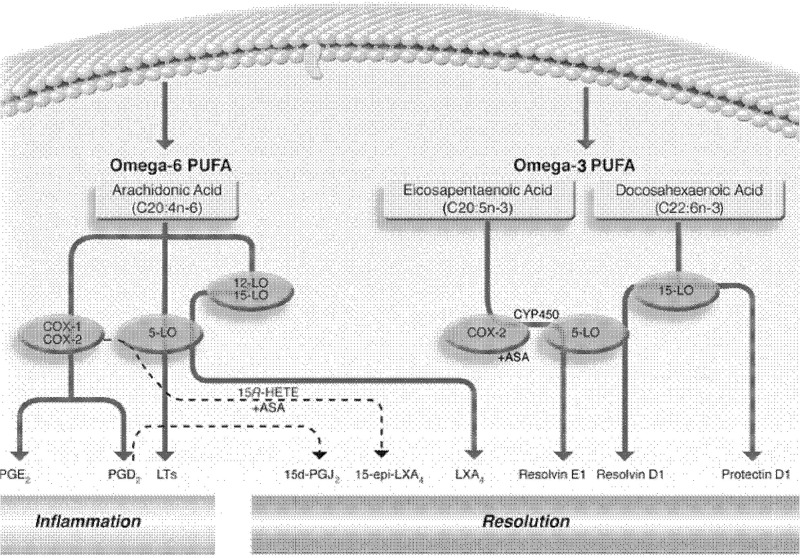
Polyunsaturated fatty acids in the diet are commonplace with overconsumption of omega-6 and limited consumption of omega-3 fatty acids in most Western diets. As this figure depicts, omega-6 fatty acids act as precursors for many proinflammatory/prothrombotic compounds (cyclooxygenases, prostaglandins, and leukotrienes) whereas omega-3 fatty acids are less thrombotic and inflammatory. Ratios of omega-6 to omega-3 fatty acids in the range of 10:1 have been suggested during proliferative and remodeling stages of wound healing while an optimum ratio after wound healing to promote cardiovascular health would be <3:1. Adapted from González-Périz and Clària with permission from Joan Clària.
<b>Figure 10.</b>
Figure 10.
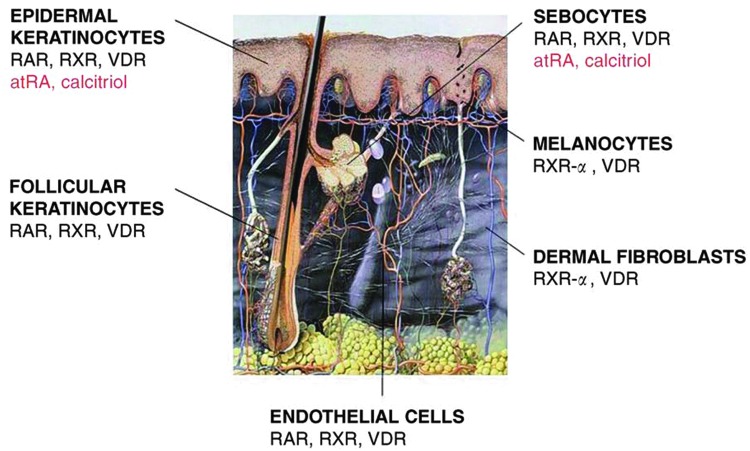
Vitamin A effectively works as a hormone-stimulating retinoid receptors that alter the function of keratinocytes, endothelial cells, fibroblasts, melanocytes, and sebocytes. atRA, all-trans retinoic acid; RAR, retinoic acid receptor; RXR, retinoid X receptors; RXR-α, retinoid X receptor type; VDR, vitamin D receptor. Adapted from Reichrath with permission from Thieme. To see this illustration in color, the reader is referred to the web version of this article at www.liebertpub.com/wound

References

    1. Cuthbertson DP. Observations on the disturbance of metabolism produced by injury to the limbs. Q J Med 1932;1:233–246
    1. Dudrick SJ, Willmore DW, Vars HM, Rhoads JE. Can intravenous feeding as the sole means of nutrition support growth in the child and restore weight loss in an adult? An affirmative answer. Ann Surg 1969;169:974–984 - PMC - PubMed
    1. Ireton-Jones C, Liepa GU. Carbohydrates and wound healing. In: Molnar JA, ed. Nutrition and Wound Healing. Boca Raton, FL: CRC Press, 2007:1–14
    1. Burke JS, Wolfe RR, Mullany CJ, Matthews DW, Bier DM. Glucose requirements following burn injury. Ann Surg 1979;190:274–285 - PMC - PubMed
    1. Molnar JA, Burke JF. Nutritional aspects of surgical physiology. In: Burke JF, ed. Surgical Physiology. Philadelphia, PA: W.B. Saunders Company, 1983:249–269

LinkOut - more resources