


Is the readmission rate a valid quality indicator? A review of the evidence
- PMID: 25379675
- PMCID: PMC4224424
- DOI: 10.1371/journal.pone.0112282
Is the readmission rate a valid quality indicator? A review of the evidence
Erratum in
-
Correction. Is the readmission rate a valid quality indicator? A review of the evidence.PLoS One. 2015 Feb 27;10(2):e0118968. doi: 10.1371/journal.pone.0118968. eCollection 2015. PLoS One. 2015. PMID: 25723477 Free PMC article. No abstract available.
Abstract
Introduction: Hospital readmission rates are increasingly used for both quality improvement and cost control. However, the validity of readmission rates as a measure of quality of hospital care is not evident. We aimed to give an overview of the different methodological aspects in the definition and measurement of readmission rates that need to be considered when interpreting readmission rates as a reflection of quality of care.
Methods: We conducted a systematic literature review, using the bibliographic databases Embase, Medline OvidSP, Web-of-Science, Cochrane central and PubMed for the period of January 2001 to May 2013.
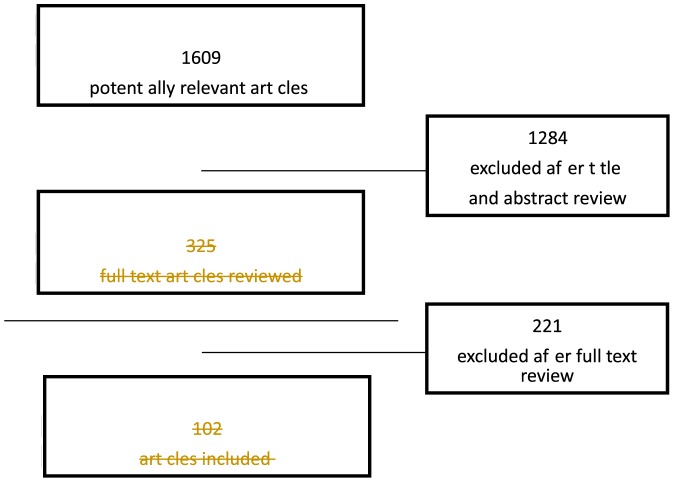
Results: The search resulted in 102 included papers. We found that definition of the context in which readmissions are used as a quality indicator is crucial. This context includes the patient group and the specific aspects of care of which the quality is aimed to be assessed. Methodological flaws like unreliable data and insufficient case-mix correction may confound the comparison of readmission rates between hospitals. Another problem occurs when the basic distinction between planned and unplanned readmissions cannot be made. Finally, the multi-faceted nature of quality of care and the correlation between readmissions and other outcomes limit the indicator's validity.
Conclusions: Although readmission rates are a promising quality indicator, several methodological concerns identified in this study need to be addressed, especially when the indicator is intended for accountability or pay for performance. We recommend investing resources in accurate data registration, improved indicator description, and bundling outcome measures to provide a more complete picture of hospital care.
Conflict of interest statement
References
-
- Jencks SF, Williams MV, Coleman EA (2009) Rehospitalizations among patients in the Medicare fee-for-service program. N Engl J Med 360(14): 1418–28. - PubMed
-
- Krumholz HM, Merrill AR, Schone EM, Schreiner GC, Chen J, et al. (2009) Patterns of Hospital Performance in Acute Myocardial Infarction and Heart Failure 30-Day Mortality and Readmission. Circulation-Cardiovascular Quality and Outcomes 2(5): 407–13. - PubMed
-
- Jensen PH, Webster E, Witt J (2009) Hospital type and patient outcomes: an empirical examination using AMI readmission and mortality records. Health Econ 18(12): 1440–60. - PubMed
-
- Bernheim SM, Grady JN, Lin ZQ, Wang Y, Wang YF, et al. (2010) National Patterns of Risk-Standardized Mortality and Readmission for Acute Myocardial Infarction and Heart Failure Update on Publicly Reported Outcomes Measures Based on the 2010 Release. Circulation-Cardiovascular Quality and Outcomes 3(5): 459–67. - PMC - PubMed
Publication types
MeSH terms
LinkOut - more resources
Full Text Sources
Other Literature Sources
