Meta-Analysis
. 2014 Nov 12;9(11):e112483.
doi: 10.1371/journal.pone.0112483. eCollection 2014.

Leucocyte telomere length and risk of type 2 diabetes mellitus: new prospective cohort study and literature-based meta-analysis

Affiliations
Meta-Analysis

Leucocyte telomere length and risk of type 2 diabetes mellitus: new prospective cohort study and literature-based meta-analysis

Peter Willeit et al. PLoS One. .

Abstract

Background: Short telomeres have been linked to various age-related diseases. We aimed to assess the association of telomere length with incident type 2 diabetes mellitus (T2DM) in prospective cohort studies.

Methods: Leucocyte relative telomere length (RTL) was measured using quantitative polymerase chain reaction in 684 participants of the prospective population-based Bruneck Study (1995 baseline), with repeat RTL measurements performed in 2005 (n = 558) and 2010 (n = 479). Hazard ratios for T2DM were calculated across quartiles of baseline RTL using Cox regression models adjusted for age, sex, body-mass index, smoking, socio-economic status, physical activity, alcohol consumption, high-density lipoprotein cholesterol, log high-sensitivity C-reactive protein, and waist-hip ratio. Separate analyses corrected hazard ratios for within-person variability using multivariate regression calibration of repeated measurements. To contextualise findings, we systematically sought PubMed, Web of Science and EMBASE for relevant articles and pooled results using random-effects meta-analysis.

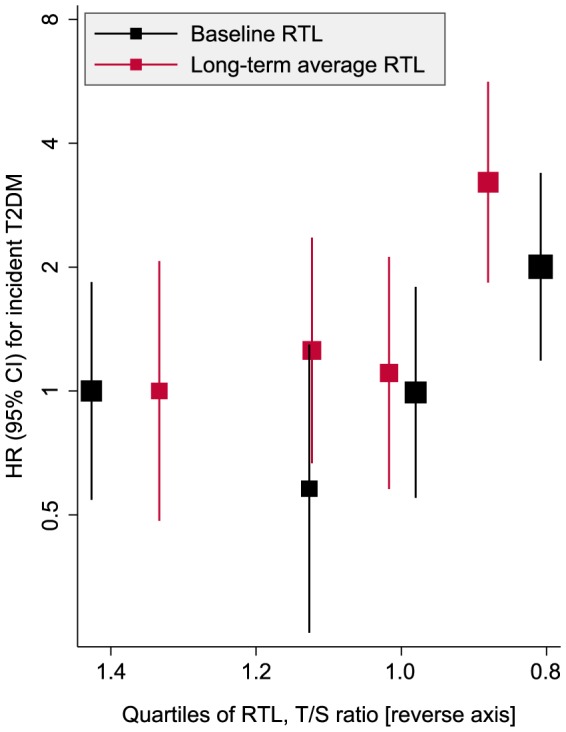
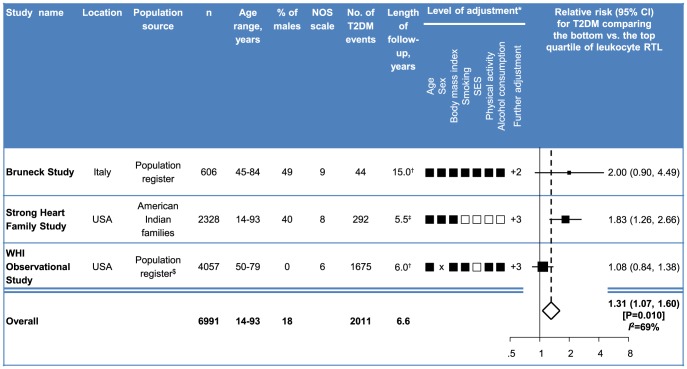
Results: Over 15 years of follow-up, 44 out of 606 participants free of diabetes at baseline developed incident T2DM. The adjusted hazard ratio for T2DM comparing the bottom vs. the top quartile of baseline RTL (i.e. shortest vs. longest) was 2.00 (95% confidence interval: 0.90 to 4.49; P = 0.091), and 2.31 comparing the bottom quartile vs. the remainder (1.21 to 4.41; P = 0.011). The corresponding hazard ratios corrected for within-person RTL variability were 3.22 (1.27 to 8.14; P = 0.014) and 2.86 (1.45 to 5.65; P = 0.003). In a random-effects meta-analysis of three prospective cohort studies involving 6,991 participants and 2,011 incident T2DM events, the pooled relative risk was 1.31 (1.07 to 1.60; P = 0.010; I2 = 69%).

Conclusions/interpretation: Low RTL is independently associated with the risk of incident T2DM. To avoid regression dilution biases in observed associations of RTL with disease risk, future studies should implement methods correcting for within-person variability in RTL. The causal role of short telomeres in T2DM development remains to be determined.


Conflict of interest statement

Competing Interests: The authors have declared that no competing interests exist.

Figures

Figure 1
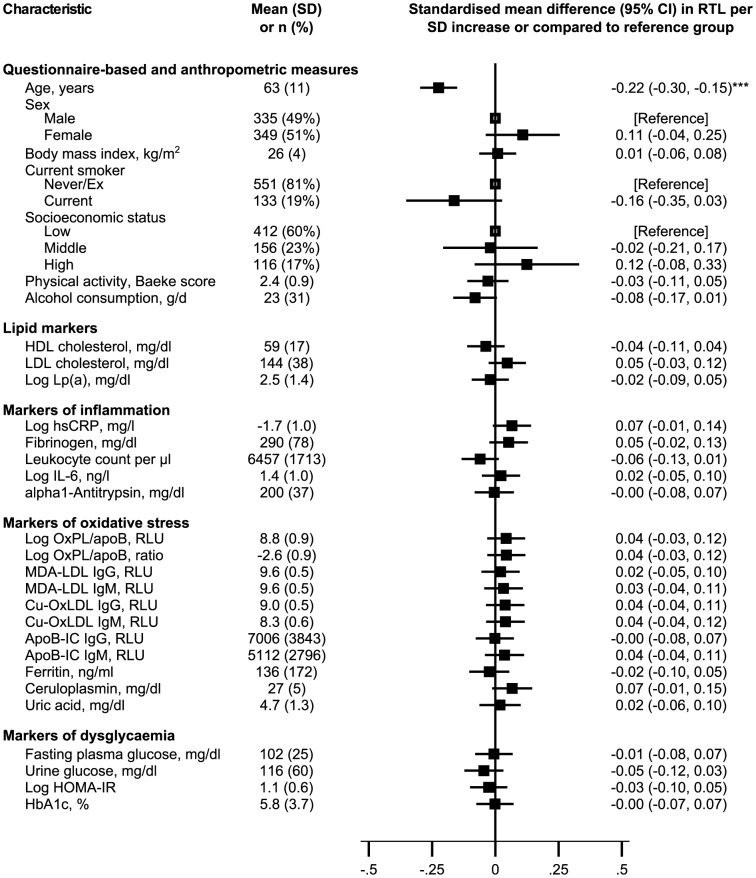
Figure 1. Baseline characteristics of the Bruneck Study population and their cross-sectional association with leucocyte relative telomere length (1995, n = 684).
Standardised mean differences in leucocyte relative telomere length were adjusted for age and sex. Asterisks indicate level of statistical significance: *P≤0.05; **P≤0.01; ***P≤0.001. The mean (SD) of HbA1c was 5.8% (3.7%) in DCCT-derived units and 40 mmol/mol (17 mmol/mol) in SI units. Abbreviations: ApoB, apolipoprotein B; ApoB-IC, apoB-immune complexes; CI, confidence interval; Cu-OxLDL, copper-oxidised low-density lipoprotein; HbA1c, glycated haemoglobin; HDL, high-density lipoprotein; HOMA-IR, homeostatic model assessment of insulin resistance; hsCRP, high-sensitivity C-reactive protein; IgG, immunoglobulin G; IgM, immunoglobulin M; LDL, low-density lipoprotein; RTL, relative telomere length; MDA, malondialdehyde; OxPL/apoB, oxidised phospholipids on apolipoprotein B-100; SD, standard deviation; RLU, relative light unit; SMD, standardised mean difference; WHR, waist-hip ratio.
Figure 2
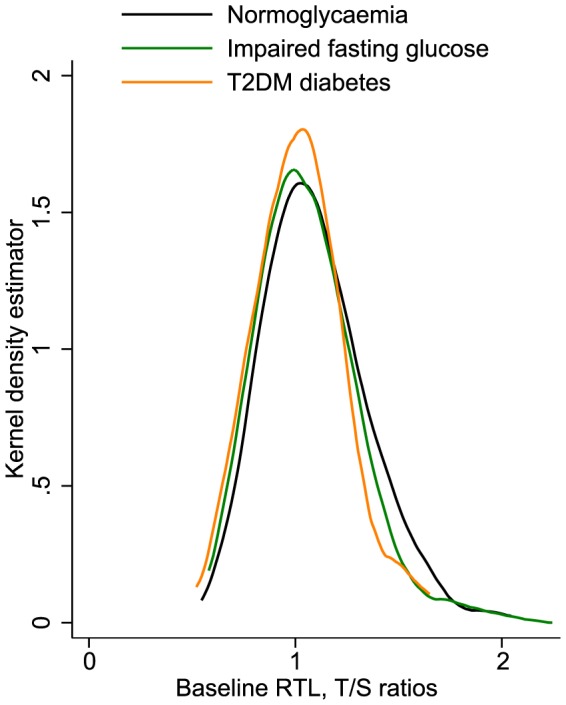
Figure 2. Distribution of baseline leucocyte relative telomere length in the Bruneck Study according to different disease states (1995, n = 684).
Abbreviations: RTL, relative telomere length; T2DM, type 2 diabetes mellitus. There were 390 participants with normoglycaemia, 216 participants with impaired fasting glucose, and 78 participants with a clinical diagnosis of T2DM.
Figure 3
Figure 3. Association of leucocyte relative telomere length an risk of type 2 diabetes mellitus in the Bruneck Study (n = 606, 44 events over follow-up 1995–2010).
Cox models were adjusted for age, sex, body mass index, smoking, socio-economic status, physical activity, alcohol consumption, high density lipoprotein cholesterol, log high-sensitivity C-reactive protein, and waist-hip ratio. Abbreviations: CI, confidence interval; HR, hazard ratio; RTL, relative telomere length; T2DM, type 2 diabetes mellitus.
Figure 4
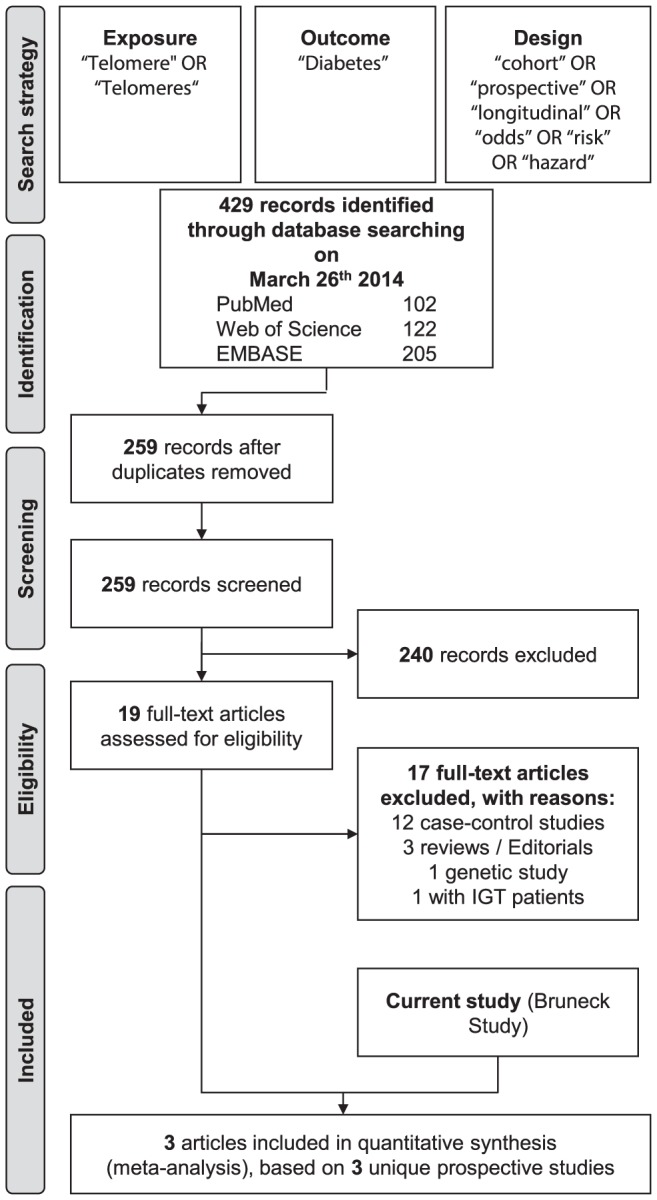
Figure 4. Study flow diagram of the literature-based meta-analysis.
The figure is based on the 2009 PRISMA flow diagram template (available from http://www.prisma-statement.org/statement.htm).
Figure 5
Figure 5. Description and meta-analysis of published data from three prospective cohort studies on the association of short telomeres and risk of type 2 diabetes mellitus.
Published relative risks were pooled by random-effects meta-analysis. In the Bruneck Study and the Strong Heart Family Study, type 2 diabetes was defined according to the 1997 American Diabetes Association criteria. In the WHI Observational Study, diabetes was defined based on self-report and hospitalisation for type 2 diabetes. All three studies measured telomere length with a quantitative polymerase chain reaction technique. *Reported relative risks were additionally adjusted for two variables in the Bruneck Study (HDL cholesterol and log hsCRP), three variables in the Strong Heart Family Study (age2, fasting glucose, total triglycerides), and three variables in the Women's Health Initiative Observational Study (date of blood collection, clinical centre, hormone therapy). †Max. ‡Mean. $The Women's Health Initiative Observational Study involved postmenopausal women who proved to be ineligible or unwilling to be randomised as part of the Women's Health Initiative Clinical Trial. Abbreviations: CI, confidence interval; NOS, Newcastle-Ottawa Scale for assessing the quality of nonrandomised studies in meta-analyses; T2DM, type 2 diabetes mellitus; WHI, Women's Health Initiative.

References

    1. Blackburn EH (1991) Structure and function of telomeres. Nature 350: 569–573. - PubMed
    1. Calado RT, Young NS (2009) Telomere diseases. N Engl J Med 361: 2353–2365. - PMC - PubMed
    1. Hayflick L (1965) The limited in vitro lifetime of human diploid cell strains. Exp Cell Res 37: 614–636. - PubMed
    1. Weischer M, Bojesen SE, Cawthon RM, Freiberg JJ, Tybjærg-Hansen A, et al. (2012) Short telomere length, myocardial infarction, ischemic heart disease, and early death. Arterioscler Thromb Vasc Biol 32: 822–829. - PubMed
    1. Willeit P, Willeit J, Brandstätter A, Ehrlenbach S, Mayr A, et al. (2010) Cellular aging reflected by leukocyte telomere length predicts advanced atherosclerosis and cardiovascular disease risk. Arterioscler Thromb Vasc Biol 30: 1649–1656. - PubMed

Publication types

MeSH terms