. 2014 Nov 13;9(11):e112571.
doi: 10.1371/journal.pone.0112571. eCollection 2014.

Plasmodium falciparum transfected with ultra bright NanoLuc luciferase offers high sensitivity detection for the screening of growth and cellular trafficking inhibitors

Affiliations

Plasmodium falciparum transfected with ultra bright NanoLuc luciferase offers high sensitivity detection for the screening of growth and cellular trafficking inhibitors

Mauro F Azevedo et al. PLoS One. .

Abstract

Drug discovery is a key part of malaria control and eradication strategies, and could benefit from sensitive and affordable assays to quantify parasite growth and to help identify the targets of potential anti-malarial compounds. Bioluminescence, achieved through expression of exogenous luciferases, is a powerful tool that has been applied in studies of several aspects of parasite biology and high throughput growth assays. We have expressed the new reporter NanoLuc (Nluc) luciferase in Plasmodium falciparum and showed it is at least 100 times brighter than the commonly used firefly luciferase. Nluc brightness was explored as a means to achieve a growth assay with higher sensitivity and lower cost. In addition we attempted to develop other screening assays that may help interrogate libraries of inhibitory compounds for their mechanism of action. To this end parasites were engineered to express Nluc in the cytoplasm, the parasitophorous vacuole that surrounds the intraerythrocytic parasite or exported to the red blood cell cytosol. As proof-of-concept, these parasites were used to develop functional screening assays for quantifying the effects of Brefeldin A, an inhibitor of protein secretion, and Furosemide, an inhibitor of new permeation pathways used by parasites to acquire plasma nutrients.


Conflict of interest statement

Competing Interests: The authors have declared that no competing interests exist.

Figures

Figure 1
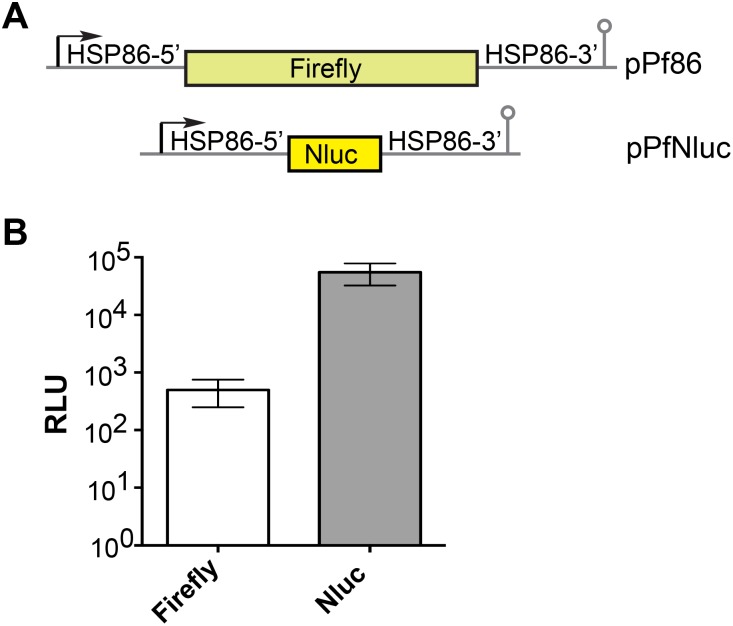
Figure 1. NanoLuc (Nluc) luminescence in Plasmodium falciparum.
(A) Diagrams of firefly and Nluc reporter vectors. (B) pPf86 and pPfNluc were transfected in trophozoite stage parasites and luciferase activity in relative light units (RLU) determined 4 days later. Note that the RLU of each luciferase was measured in its own optimal substrate ie, Nluc with Nano-Glo and Firefly with D-luciferin. Mock-transfected parasites were used as negative control and to determine background luminescence, which was then subtracted from firefly and Nluc activities. The result represents the mean of 3 independent transfections ± standard deviation.
Figure 2
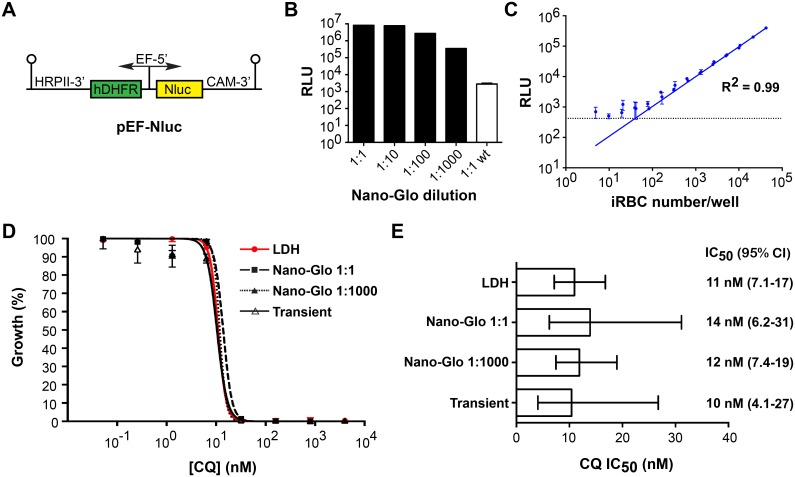
Figure 2. Plasmodium falciparum stably expressing Nluc.
(A) The Nluc gene was cloned in the pEF vector for stable expression in P. falciparum. (B) Aliquots (100 µL) of cultures at 1% hematocrit and 5% parasitemia corresponding to 500,000 P. falciparum infected RBCs transfected with pEF-Nluc were mixed with 1 volume of Nano-Glo Luciferase Assay Reagent and reporter activity measured (1∶1). Nano-Glo Luciferase Assay Reagent was further diluted in 10-fold increments in Luciferase Cell Culture Lysis Reagent and used to determine reporter activity of the same culture. As a negative control, wild type parasites (wt) were mixed 1∶1 with Nano-Glo Luciferase Assay Reagent. (C) Parasites stably transfected with pEF-Nluc were diluted in 2-fold increments in RPMI + RBC maintaining 0.5% hematocrit. For each sample, 10 µL of the culture dilutions were mixed with 40 µL of Nano-Glo diluted 1∶400 in water and measured in the luminometer for 2 s with the gain adjusted 10% below saturation for the brightest sample. The solid line represents the mean RLU after linear regression. The dashed line represents the background +3 standard deviations. (D) Nluc expressing parasites were cultured in varying concentrations of chloroquine (CQ) and their growth determined by the LDH standard method or by measuring reporter activity using Nano-Glo Luciferase Assay Reagent at its standard dilution (1∶1) or diluted 1∶1000 as described in (C). Similarly, wild type parasites were transiently transfected with pPfNluc and their growth determined using Nano-Glo Luciferase Assay Reagent (Transient). IC50 was calculated by non-linear regression and represents the mean of 3 experiments. (E) The IC50s determined in D were plotted with 95% confidence intervals (CI).
Figure 3
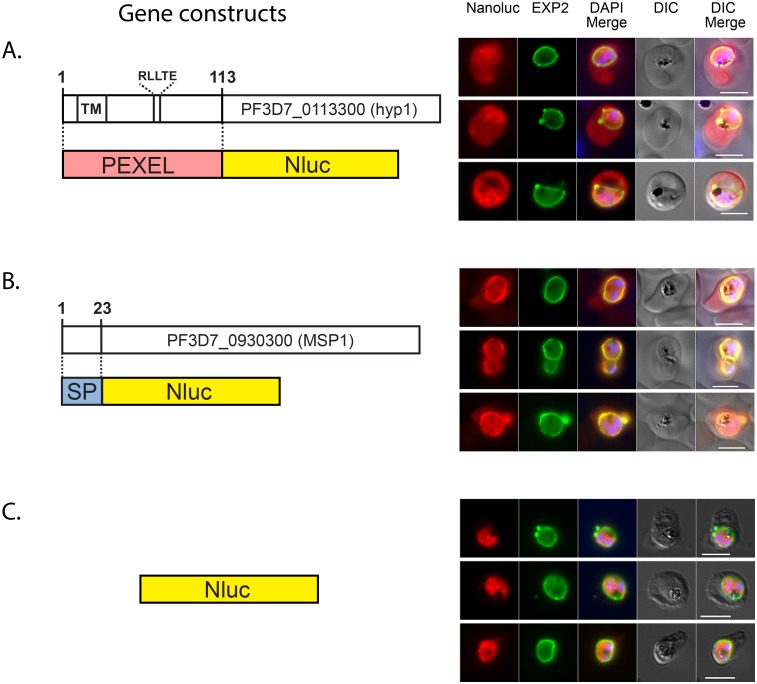
Figure 3. NanoLuc is targeted to the PV and to the RBC.
Diagrams of gene constructs and the IFA images are shown on the left and right respectively. Nluc fused at its N-terminus to (A) the N-terminal region of an exported protein (PEXEL), (B) to a secretion signal peptide (SP) or (C) original (cytosolic). The gene encoding each fusion protein was cloned in the pEF vector. Transfected parasites were analysed by IFA using antibodies to detect Nluc and the PVM marker Exp2. DAPI was used for nuclear staining. Size bar = 5 µm.
Figure 4
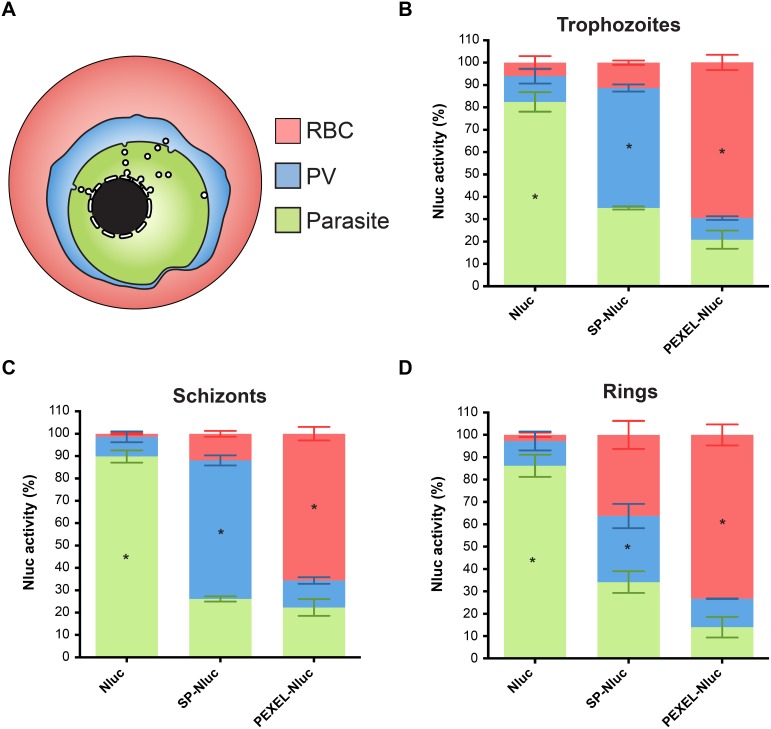
Figure 4. Quantification of Nluc in cellular compartments of infected RBCs.
(A) Schematic of the iRBC’s compartments where RBC represents the exported fraction that is released after Equinatoxin treatment. The PV compartment was then released following treatment with 0.01% saponin and finally, the Parasite fraction was lysed by Nano-Glo Luciferase Assay Reagent. (B) Trophozoite stage parasites transfected with either the original Nluc, secreted SP-Nluc or the exported PEXEL-Nluc fusions were fractionated as shown in (A) and luciferase activity measured. Nluc activities as a percentage of the total for each parasite line are shown and represent the mean of 3 experiments +/−SEM. Similar to (B), (C) Schizonts and (D) Ring stage parasites were also fractionated. Statistical significance (* p<0.05) was determined by 2 way ANOVA test comparing the percentage of reporter activity of each sub-cellular fraction among the 3 cell lines.
Figure 5
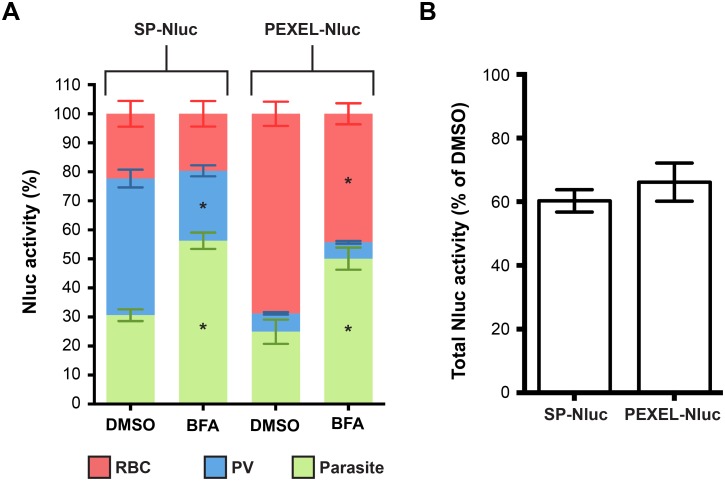
Figure 5. Detection of secretion and export inhibition.
(A) Parasites expressing the secreted (SP) or the exported (PEXEL) Nluc were treated with Brefeldin A (BFA) for 6 hours and luciferase activity determined in each sub-cellular fraction. Results are the mean of 4 experiments and the error bars represent standard deviations. Statistical significance (* p<0.05) was determined by 2 way ANOVA test comparing the activity detected in the parasite fraction of treated and DMSO control parasites of each line and of PV and RBC fractions of DMSO against treated SP-Nluc and PEXEL-Nluc lines respectively. (B) The toxicity of each treatment was determined by measuring total luciferase activity as relative to the DMSO control.
Figure 6
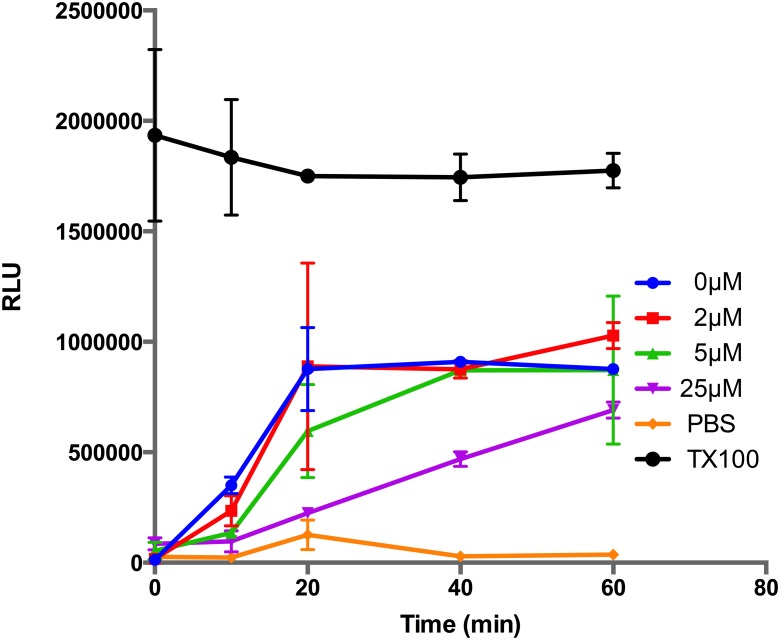
Figure 6. Quantification of NPP activity and inhibition in PEXEL-NLuc parasites.
Trophozoite stage parasites (3% parasitemia) expressing exported PEXEL-NLuc were incubated with different concentrations of the new permeability pathway (NPP) inhibitor furosemide (µM), and then treated with sorbitol lysis buffer at time zero to induce the release of PEXEL-Nluc which was measured over time. A 1% Triton-X100 in PBS (TX100) treatment was included to simulate rapid lysis and a PBS control for background lysis. Data points represent the mean +/− SD of three replicates.

References

    1. WHO (2013) World malaria report 2013.
    1. Gamo FJ, Sanz LM, Vidal J, de Cozar C, Alvarez E, et al. (2010) Thousands of chemical starting points for antimalarial lead identification. Nature 465: 305–310. - PubMed
    1. Guiguemde WA, Shelat AA, Bouck D, Duffy S, Crowther GJ, et al. (2010) Chemical genetics of Plasmodium falciparum. Nature 465: 311–315. - PMC - PubMed
    1. Lucumi E, Darling C, Jo H, Napper AD, Chandramohanadas R, et al. (2010) Discovery of potent small-molecule inhibitors of multidrug-resistant Plasmodium falciparum using a novel miniaturized high-throughput luciferase-based assay. Antimicrob Agents Chemother 54: 3597–3604. - PMC - PubMed
    1. Spangenberg T, Burrows JN, Kowalczyk P, McDonald S, Wells TN, et al. (2013) The open access malaria box: a drug discovery catalyst for neglected diseases. PLoS One 8: e62906. - PMC - PubMed

Publication types

MeSH terms