


Systemic antifungal prescribing in neonates and children: outcomes from the Antibiotic Resistance and Prescribing in European Children (ARPEC) Study
- PMID: 25403672
- PMCID: PMC4335832
- DOI: 10.1128/AAC.04109-14
Systemic antifungal prescribing in neonates and children: outcomes from the Antibiotic Resistance and Prescribing in European Children (ARPEC) Study
Abstract
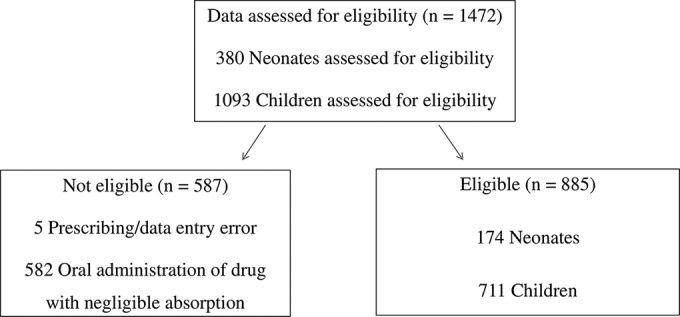
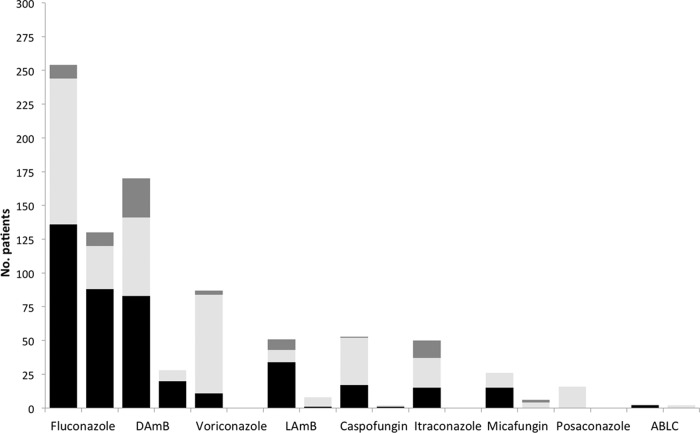
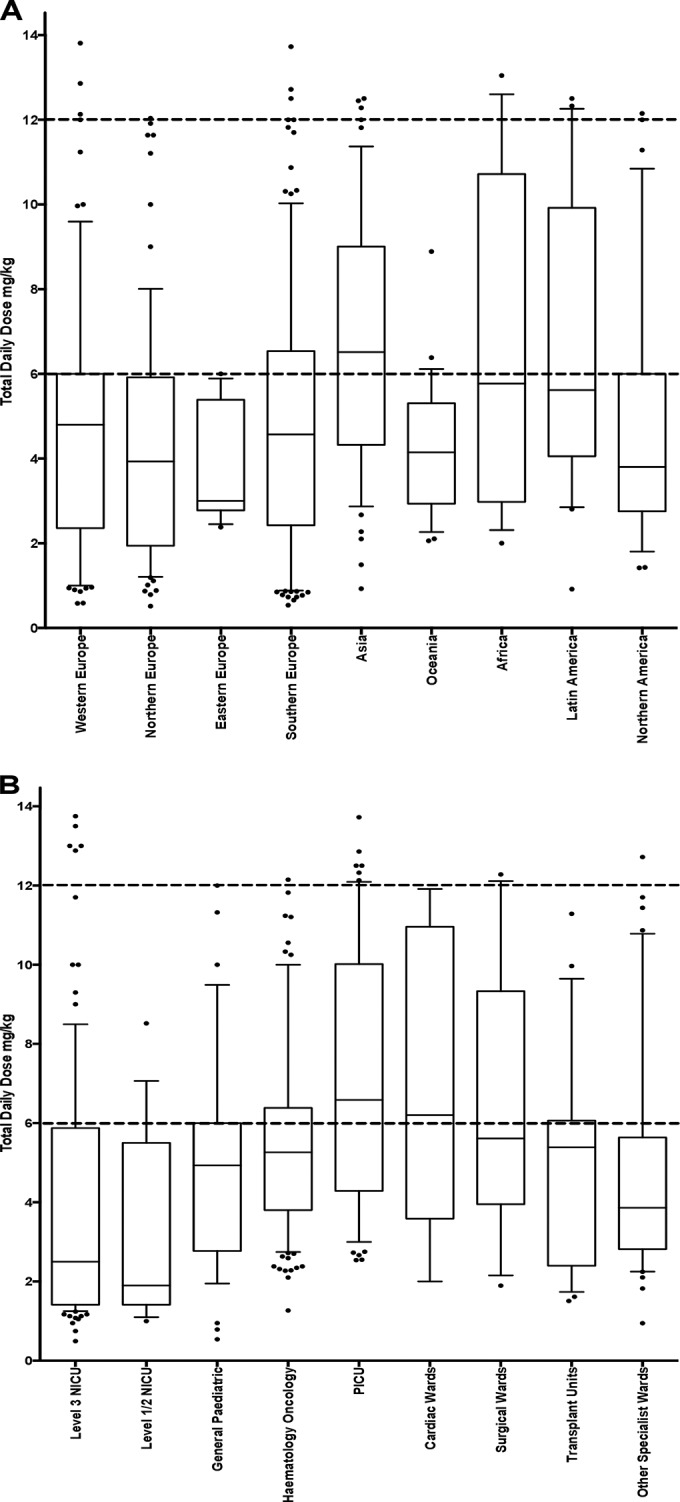
The appropriate use of systemic antifungals is vital in the prevention and treatment of invasive fungal infection (IFI) in immunosuppressed children and neonates. This multicenter observational study describes the inpatient prescribing practice of antifungal drugs for children and neonates and identifies factors associated with prescribing variability. A single-day point prevalence study of antimicrobial use in hospitalized neonates and children was performed between October and December 2012. The data were entered through a study-specific Web-based portal using a standardized data entry protocol. Data were recorded from 17,693 patients from 226 centers. A total of 136 centers recorded data from 1,092 children and 380 neonates receiving at least one antifungal agent. The most frequently prescribed systemic antifungals were fluconazole (n=355) and amphotericin B deoxycholate (n=195). The most common indications for antifungal administration in children were medical prophylaxis (n=325), empirical treatment of febrile neutropenia (n=122), and treatment of confirmed or suspected IFI (n=100 [14%]). The treatment of suspected IFI in low-birthweight neonates accounted for the majority of prescriptions in the neonatal units (n=103). An analysis of variance (ANOVA) demonstrated no significant effect of clinical indication (prophylaxis or treatment of systemic or localized infection) on the total daily dose (TDD). Fewer than one-half of the patients (n=371) received a TDD within the dosing range recommended in the current guidelines. Subtherapeutic doses were prescribed in 416 cases (47%). The predominance of fluconazole and high incidence of subtherapeutic doses in participating hospitals may contribute to suboptimal clinical outcomes and an increased predominance of resistant pathogenic fungi. A global consensus on antifungal dosing and coordinated stewardship programs are needed to promote the consistent and appropriate use of antifungal drugs in neonates and children.
Copyright © 2015, American Society for Microbiology. All Rights Reserved.
Figures
References
-
- Kontoyiannis DP, Marr KA, Park BJ, Alexander BD, Anaissie EJ, Walsh TJ, Ito J, Andes DR, Baddley JW, Brown JM, Brumble LM, Freifeld AG, Hadley S, Herwaldt LA, Kauffman CA, Knapp K, Lyon GM, Morrison VA, Papanicolaou G, Patterson TF, Perl TM, Schuster MG, Walker R, Wannemuehler KA, Wingard JR, Chiller TM, Pappas PG. 2010. Prospective surveillance for invasive fungal infections in hematopoietic stem cell transplant recipients, 2001–2006: overview of the Transplant-Associated Infection Surveillance Network (TRANSNET) Database. Clin Infect Dis 50:1091–1100. doi: 10.1086/651263. - DOI - PubMed
-
- Versporten A, Sharland M, Bielicki J, Drapier N, Vankerckhoven V, Goossens H, ARPEC Project Group Members. 2013. The antibiotic resistance and prescribing in European Children project: a neonatal and pediatric antimicrobial web-based point prevalence survey in 73 hospitals worldwide. Pediatr Infect Dis J 32:e242–e253. doi: 10.1097/INF.0b013e318286c612. - DOI - PubMed
Publication types
MeSH terms
Substances
LinkOut - more resources
Full Text Sources
Other Literature Sources
