


Convergent loss of PTEN leads to clinical resistance to a PI(3)Kα inhibitor
- PMID: 25409150
- PMCID: PMC4326538
- DOI: 10.1038/nature13948
Convergent loss of PTEN leads to clinical resistance to a PI(3)Kα inhibitor
Abstract
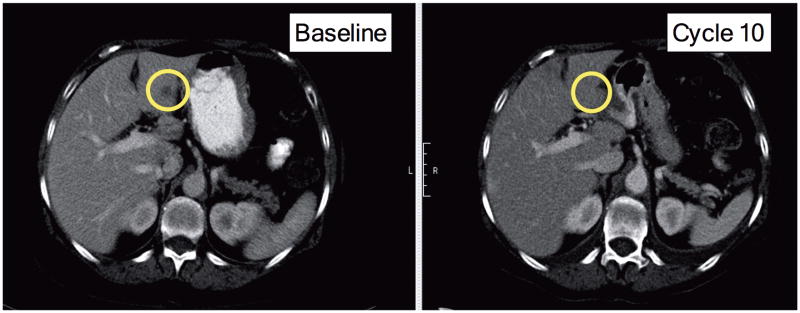
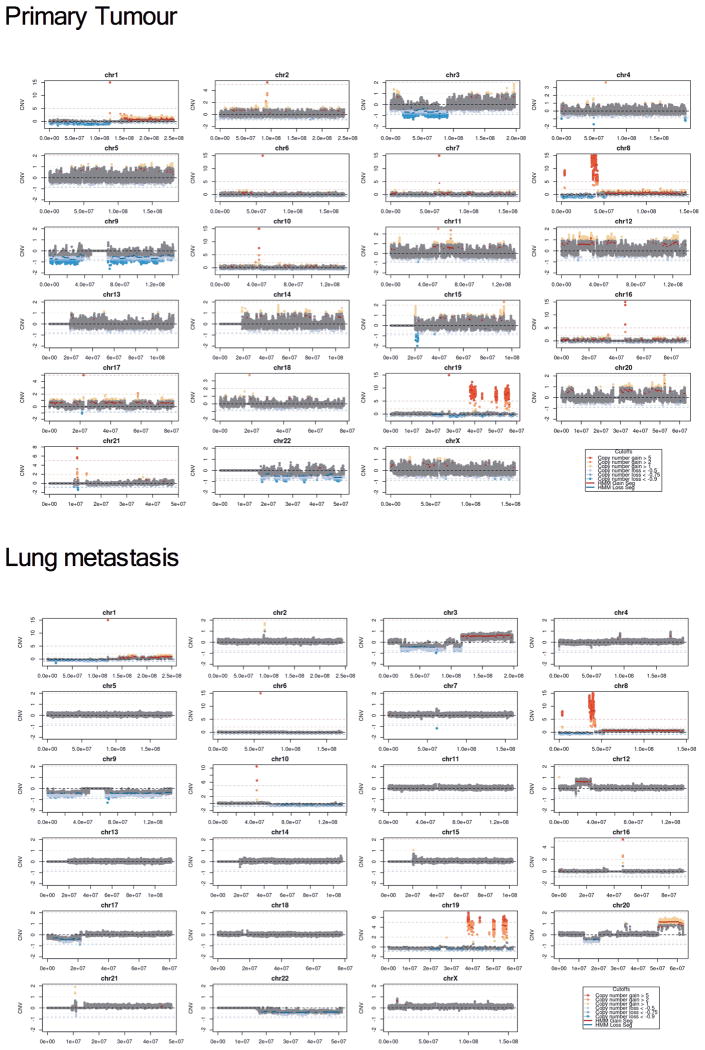
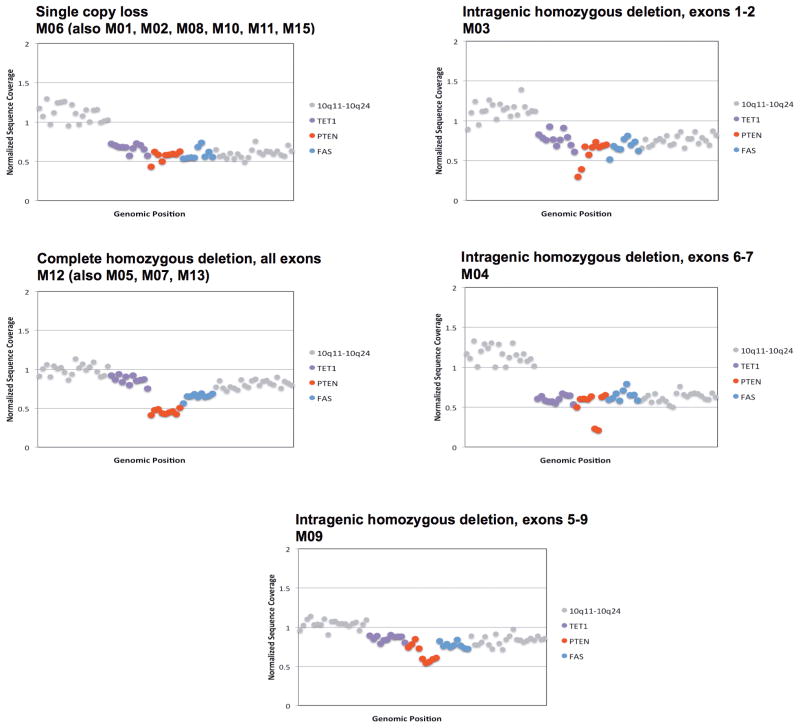
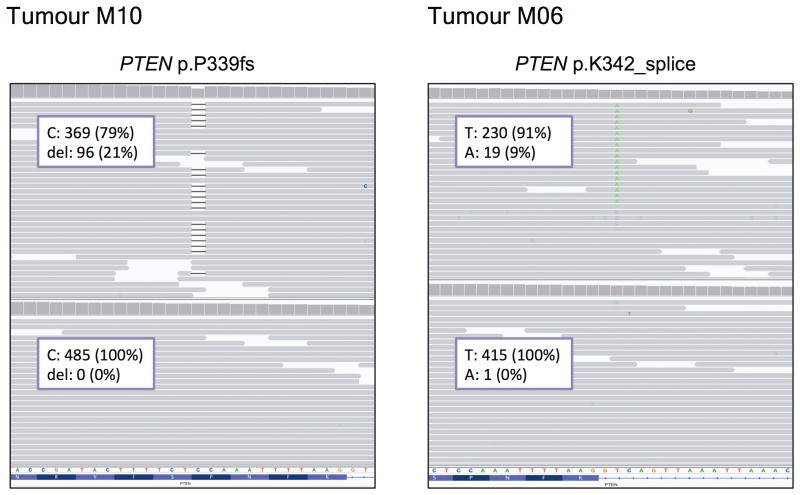
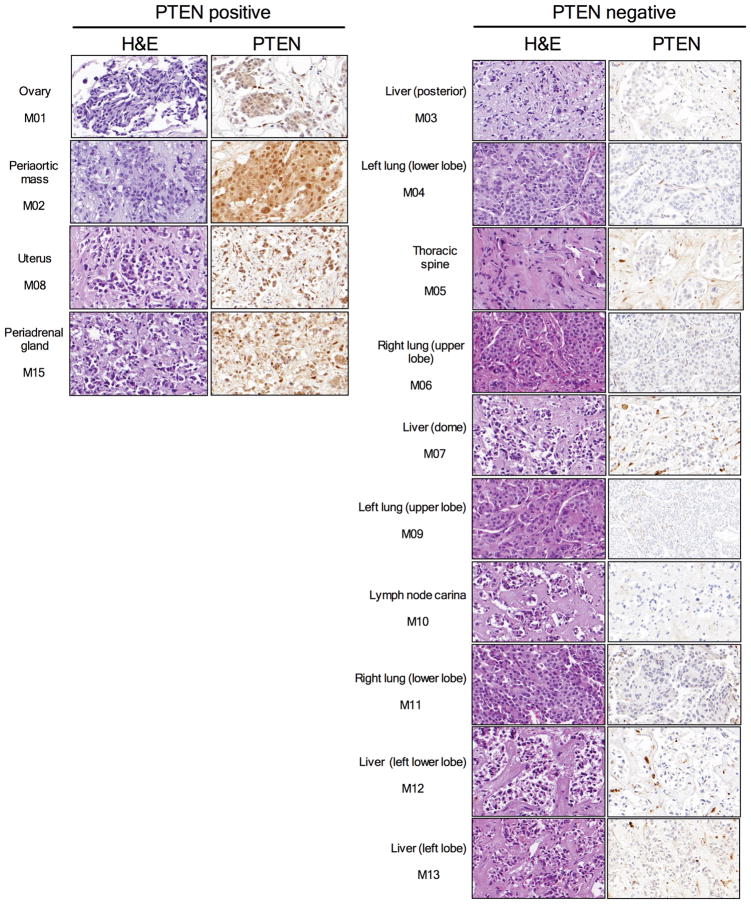
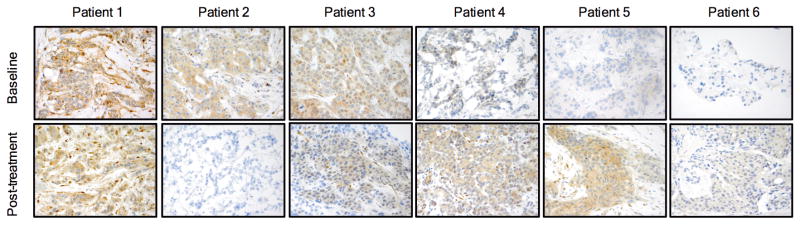
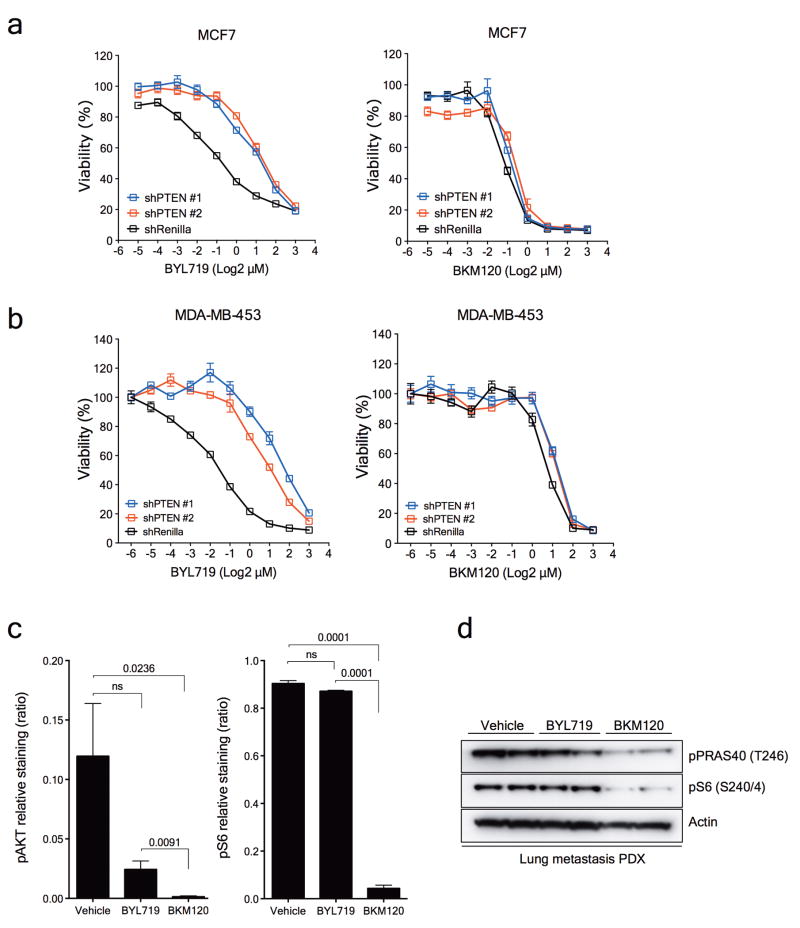
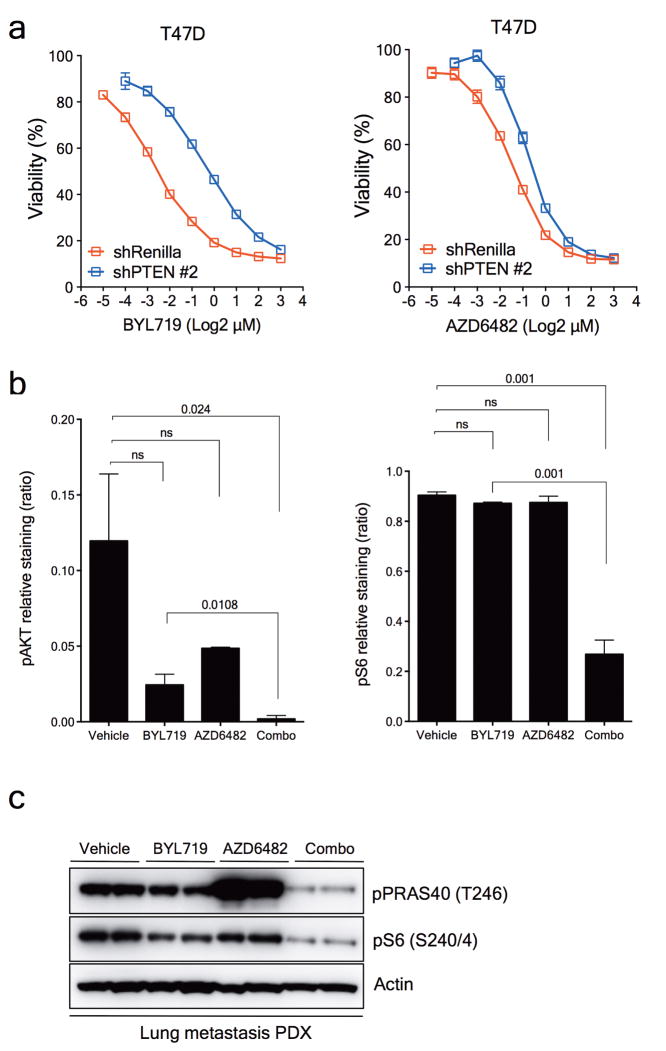
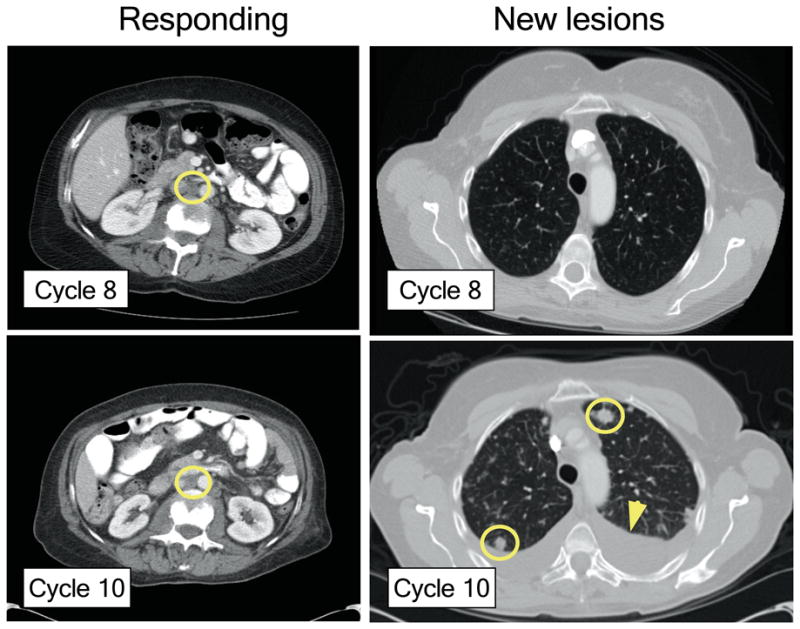
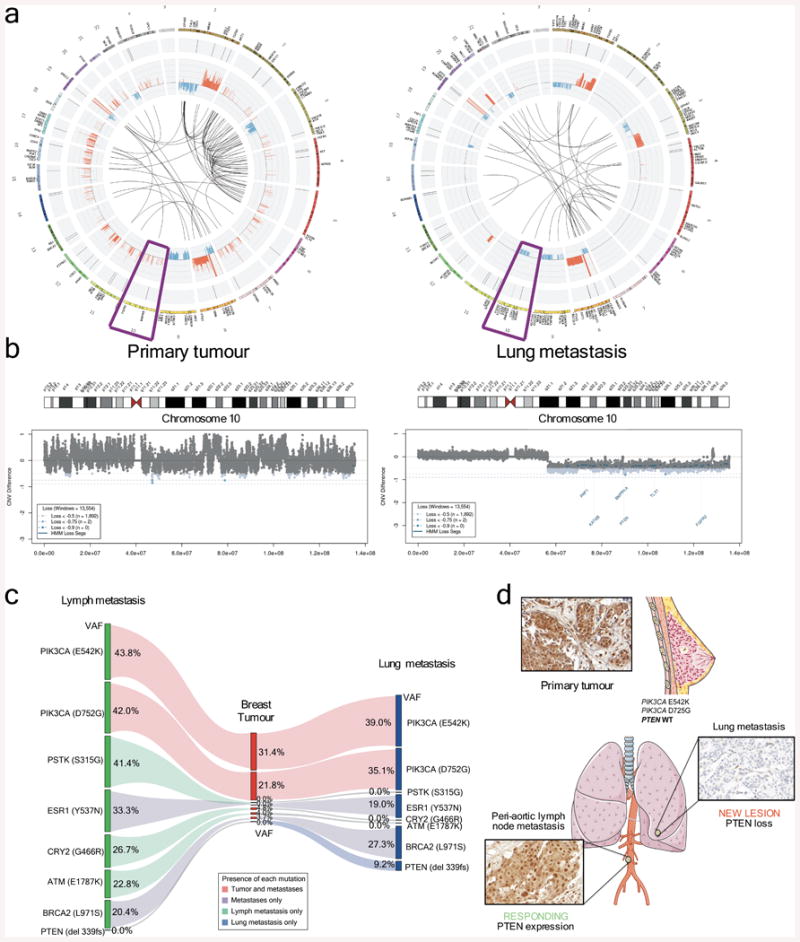
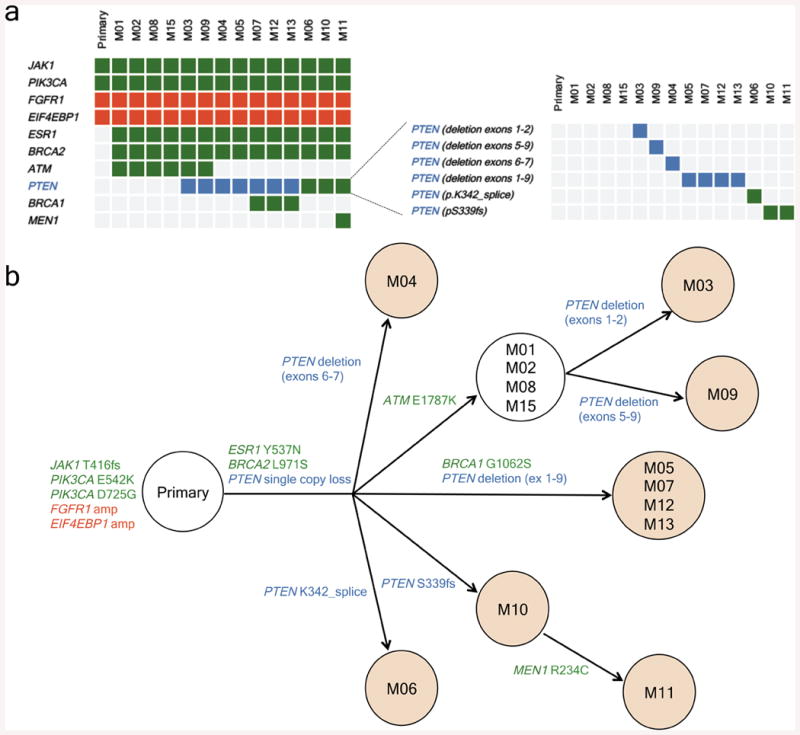
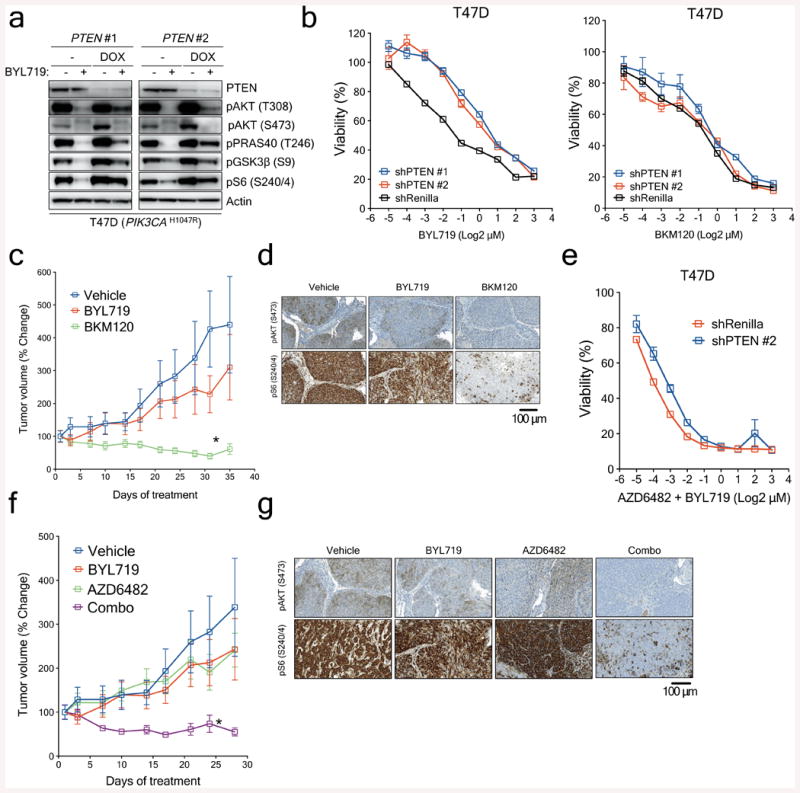
Broad and deep tumour genome sequencing has shed new light on tumour heterogeneity and provided important insights into the evolution of metastases arising from different clones. There is an additional layer of complexity, in that tumour evolution may be influenced by selective pressure provided by therapy, in a similar fashion to that occurring in infectious diseases. Here we studied tumour genomic evolution in a patient (index patient) with metastatic breast cancer bearing an activating PIK3CA (phosphatidylinositol-4,5-bisphosphate 3-kinase, catalytic subunit alpha, PI(3)Kα) mutation. The patient was treated with the PI(3)Kα inhibitor BYL719, which achieved a lasting clinical response, but the patient eventually became resistant to this drug (emergence of lung metastases) and died shortly thereafter. A rapid autopsy was performed and material from a total of 14 metastatic sites was collected and sequenced. All metastatic lesions, when compared to the pre-treatment tumour, had a copy loss of PTEN (phosphatase and tensin homolog) and those lesions that became refractory to BYL719 had additional and different PTEN genetic alterations, resulting in the loss of PTEN expression. To put these results in context, we examined six other patients also treated with BYL719. Acquired bi-allelic loss of PTEN was found in one of these patients, whereas in two others PIK3CA mutations present in the primary tumour were no longer detected at the time of progression. To characterize our findings functionally, we examined the effects of PTEN knockdown in several preclinical models (both in cell lines intrinsically sensitive to BYL719 and in PTEN-null xenografts derived from our index patient), which we found resulted in resistance to BYL719, whereas simultaneous PI(3)K p110β blockade reverted this resistance phenotype. We conclude that parallel genetic evolution of separate metastatic sites with different PTEN genomic alterations leads to a convergent PTEN-null phenotype resistant to PI(3)Kα inhibition.
Figures
References
-
- Juric D. BYL719, a next generation PI3K alpha specific inhibitor: preliminary safety, PK, and efficacy results from the first-in-human study [abstract] Cancer Res. 2012;72 CT-01.
-
- Engelman JA, Luo J, Cantley LC. The evolution of phosphatidylinositol 3-kinases as regulators of growth and metabolism. Nat Rev Genet. 2006;7 - PubMed
-
- Cantley LC. The phosphoinositide 3-kinase pathway. Science. 2002;296:1655–1657. - PubMed
Publication types
MeSH terms
Substances
Grants and funding
LinkOut - more resources
Full Text Sources
Other Literature Sources
Medical
Molecular Biology Databases
Research Materials
Miscellaneous
